
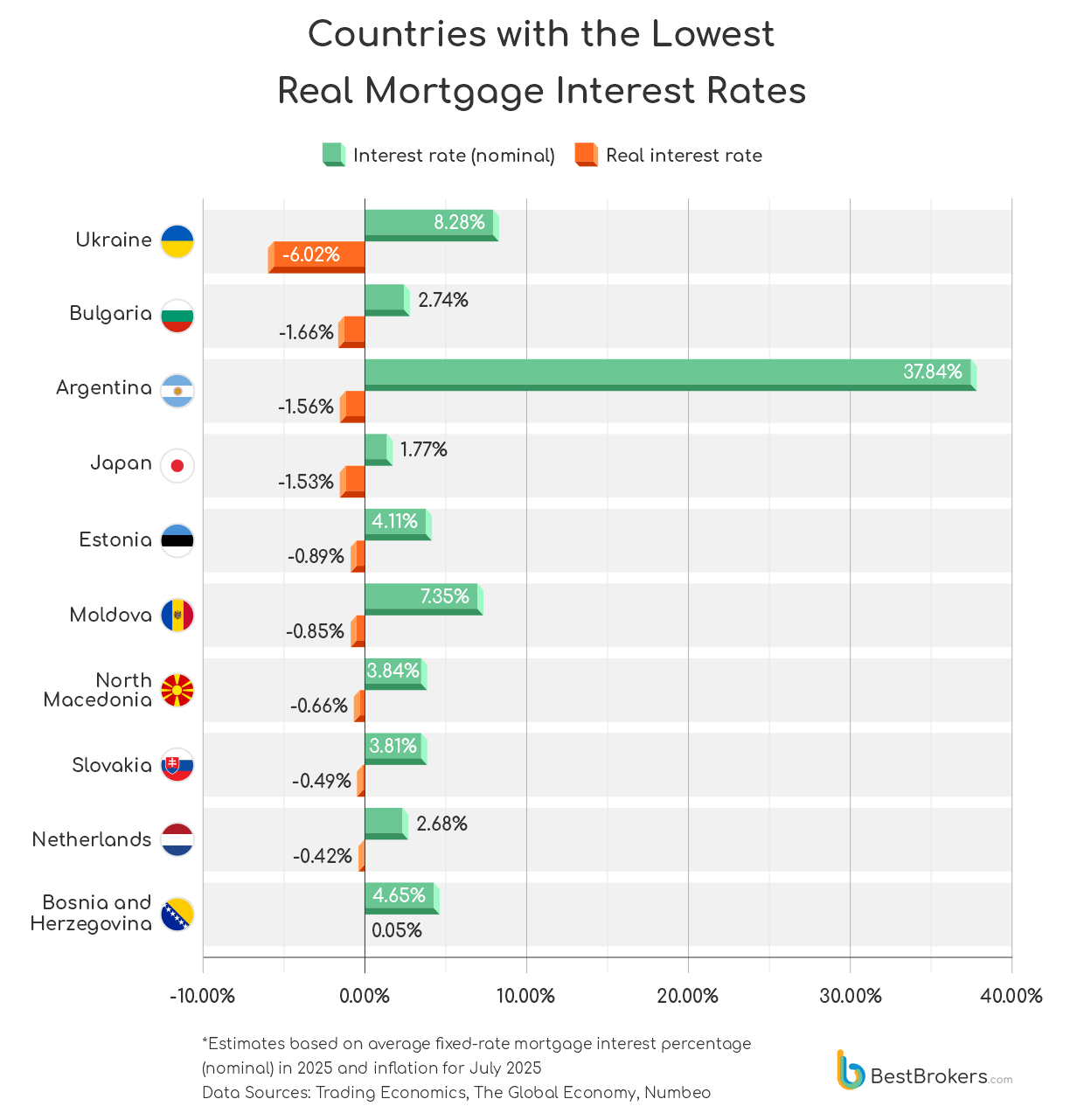
For most individuals, a home is the largest purchase they will ever make, and the interest rate attached to its mortgage can be the single most influential factor in its long-term affordability. Even a fraction of a percentage point difference can translate into tens of thousands of dollars saved or spent over the life of a 15-year or 30-year loan. In a dynamic financial landscape, the quest for the lowest home interest rates is not merely about finding a number but understanding the intricate ecosystem of lenders, economic forces, and personal financial health. This article delves deep into identifying who typically offers the most competitive rates, the critical factors that influence them, and the strategic steps you can take to secure the best possible mortgage for your future.
Understanding the Landscape of Mortgage Lenders
The mortgage market is diverse, populated by a variety of institutions each with its own operational model, advantages, and ideal customer profile. Knowing where to look is the first step in uncovering the most favorable rates.
Traditional Banks vs. Credit Unions
Traditional, large-scale banks remain a dominant force in the mortgage industry. Institutions like Chase, Wells Fargo, Bank of America, and Citibank offer a wide array of mortgage products, from conventional fixed-rate and adjustable-rate mortgages (ARMs) to government-backed options. Their key advantages often include extensive branch networks for in-person service, robust online platforms, and the potential for bundled financial services (e.g., checking accounts, credit cards) that might offer rate discounts. However, their size can sometimes lead to more rigid underwriting processes and potentially higher overhead costs, which could translate into slightly less competitive rates for certain borrowers compared to other lender types.
Credit unions, on the other hand, operate on a non-profit, member-owned model. This fundamental difference often allows them to offer highly competitive interest rates and lower fees compared to their for-profit counterparts, as their primary goal is to serve their members rather than maximize shareholder profits. Credit unions often provide a more personalized customer experience, and many offer a range of mortgage products. The main consideration for credit unions is membership eligibility, which can be based on employer, geographic location, or affiliation with specific organizations. For those who qualify, credit unions frequently emerge as strong contenders for the lowest rates.
Online Lenders and Mortgage Brokers
The digital revolution has dramatically reshaped the mortgage landscape, giving rise to prominent online lenders such as Rocket Mortgage (Quicken Loans), Better.com, and LoanDepot. These lenders typically boast streamlined, technology-driven application processes that allow borrowers to complete much of the mortgage journey from the comfort of their homes. Their lower overhead costs, freed from the expense of physical branches, often enable them to pass savings on to borrowers in the form of competitive interest rates and sometimes lower fees. Online lenders are excellent for tech-savvy individuals who value convenience and efficiency, though the lack of face-to-face interaction might be a drawback for some.
Mortgage brokers serve as intermediaries, connecting borrowers with a network of various lenders. Unlike direct lenders, brokers don’t lend their own money; instead, they shop around on your behalf to find the best possible rates and terms from multiple institutions. A good mortgage broker can be an invaluable asset, especially for complex financial situations, as they possess deep market knowledge and can often access niche products or special rates not readily available to the public. They can save you significant time and effort in comparison shopping. However, borrowers should be mindful of broker fees, which can either be paid directly by the borrower or via a lender credit. The quality of service can also vary greatly depending on the individual broker’s expertise and integrity.
Specialty Lenders and Government-Backed Programs
Beyond the mainstream, several other avenues can lead to competitive rates, particularly for specific demographics or financial situations. Government-backed loan programs, including FHA (Federal Housing Administration) loans, VA (Department of Veterans Affairs) loans, and USDA (U.S. Department of Agriculture) loans, are designed to make homeownership more accessible. While they have specific eligibility criteria (e.g., first-time homebuyers, veterans, rural properties), they often feature lower down payment requirements, more flexible credit score standards, and sometimes lower interest rates than conventional loans. For example, VA loans typically require no down payment and do not have private mortgage insurance (PMI), making them extremely cost-effective for eligible veterans.
Some banks also operate as “portfolio lenders,” meaning they keep the loans they originate on their own books rather than selling them on the secondary market. This allows them more flexibility in underwriting and terms, potentially offering tailored solutions for borrowers with unique financial profiles that might not fit the rigid criteria of larger lenders.
Factors Influencing Your Individual Interest Rate
While external market conditions play a significant role in setting general interest rate trends, your personal financial profile is arguably the most crucial determinant of the rate you will ultimately be offered. Lenders assess risk, and a stronger financial position translates directly into lower perceived risk and, consequently, a more favorable interest rate.
Credit Score: The Cornerstone of Loan Eligibility
Your credit score, primarily your FICO score, is perhaps the single most important number lenders consider. It’s a numerical representation of your creditworthiness, reflecting your history of borrowing and repaying debt. Higher credit scores (typically 740 and above) signal to lenders that you are a reliable borrower with a low probability of default. This reduced risk allows lenders to offer their most competitive rates. Conversely, a lower credit score will result in a higher interest rate to compensate the lender for the increased risk. Prior to applying for a mortgage, it’s highly advisable to review your credit report for errors, pay down high-interest debt, and ensure all payments are made on time to boost your score.
Debt-to-Income (DTI) Ratio
Your debt-to-income (DTI) ratio is another critical metric. It’s calculated by dividing your total monthly debt payments (including the prospective mortgage payment, car loans, student loans, credit card minimums) by your gross monthly income. Lenders typically prefer a DTI ratio of 36% or lower, though some programs may allow for higher ratios (up to 43-50%). A lower DTI indicates that you have ample income to manage your existing debts along with your new mortgage, making you a less risky borrower and potentially qualifying you for better rates. Reducing existing debt or increasing your income before applying can significantly improve this ratio.
Loan-to-Value (LTV) Ratio and Down Payment
The loan-to-value (LTV) ratio compares the amount of the loan to the appraised value of the home. A higher down payment results in a lower LTV ratio, which is favorable to lenders because it means the borrower has more equity in the property from the start, reducing the lender’s risk. For example, a 20% down payment results in an 80% LTV. Borrowers with an LTV of 80% or lower often qualify for better interest rates and avoid the need for private mortgage insurance (PMI), an additional monthly cost that protects the lender in case of default. While putting down 20% isn’t always feasible, a larger down payment almost invariably leads to a better rate.
Loan Type, Term, and Rate Structure
The type and term of the mortgage also directly impact the interest rate. Fixed-rate mortgages offer a constant interest rate and monthly payment for the entire life of the loan, providing stability and predictability. Adjustable-rate mortgages (ARMs), on the other hand, typically start with a lower interest rate for an initial period (e.g., 3, 5, 7, or 10 years) before adjusting periodically based on a market index. While ARMs can offer lower initial rates, they carry the risk of future payment increases, which can be a double-edged sword.
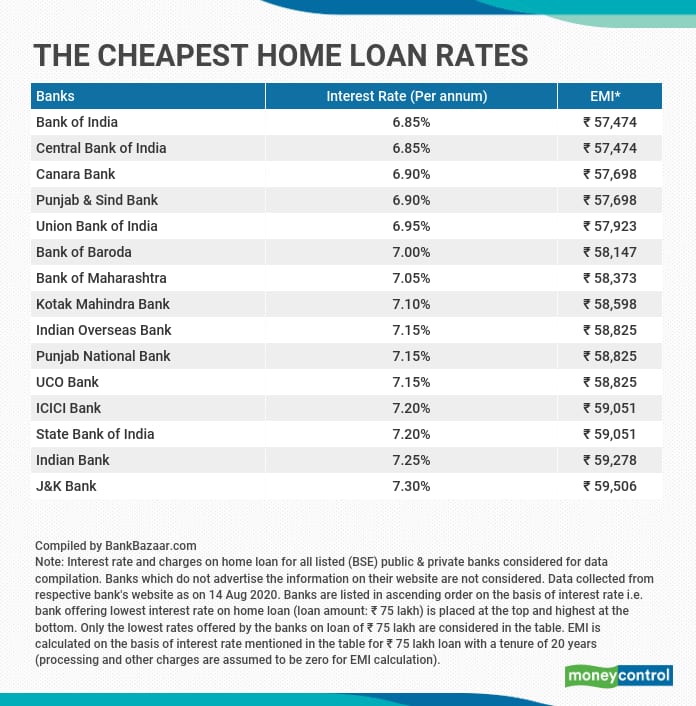
Loan terms also vary, with 15-year and 30-year mortgages being the most common. Generally, 15-year mortgages come with significantly lower interest rates than 30-year mortgages because the lender’s money is at risk for a shorter period. However, the monthly payments on a 15-year loan are substantially higher, demanding greater financial discipline. Additionally, “points” (discount points or origination points) can influence the rate. A borrower can “buy down” their interest rate by paying discount points upfront, essentially pre-paying interest to secure a lower rate over the life of the loan.
Strategies for Finding and Securing the Lowest Rates
Actively seeking out the lowest rates requires diligence, preparation, and strategic comparison. It’s not a passive process but one where an informed approach can yield substantial financial rewards.
The Power of Comparison Shopping
This cannot be overstated: always comparison shop. Obtain quotes from at least 3-5 different lenders, including a mix of traditional banks, credit unions, online lenders, and potentially a mortgage broker. Each lender has its own pricing model, risk assessment algorithms, and promotional offers. The difference between the highest and lowest quoted rates for the same borrower on the same day can be significant. When comparing, ensure you’re looking at comparable loan types, terms, and the annual percentage rate (APR), which provides a more holistic view by incorporating fees in addition to the interest rate. It’s wise to gather all quotes within a short window (e.g., 14-45 days) to minimize the impact on your credit score from multiple inquiries.
Preparing Your Financial Profile
Before you even start applying, dedicate time to organizing your finances. Gather all necessary documents: recent pay stubs, W-2s, tax returns (typically two years), bank statements (two to three months), and investment account statements. Having these readily available will streamline the application process and prevent delays. Crucially, review your credit report from all three major bureaus (Experian, Equifax, TransUnion) well in advance. Dispute any inaccuracies, pay down credit card balances to reduce your credit utilization ratio, and avoid opening new lines of credit during this period. The stronger and cleaner your financial profile, the more attractive you appear to lenders, and the better the rates you’ll be offered.
Negotiation and Rate Locks
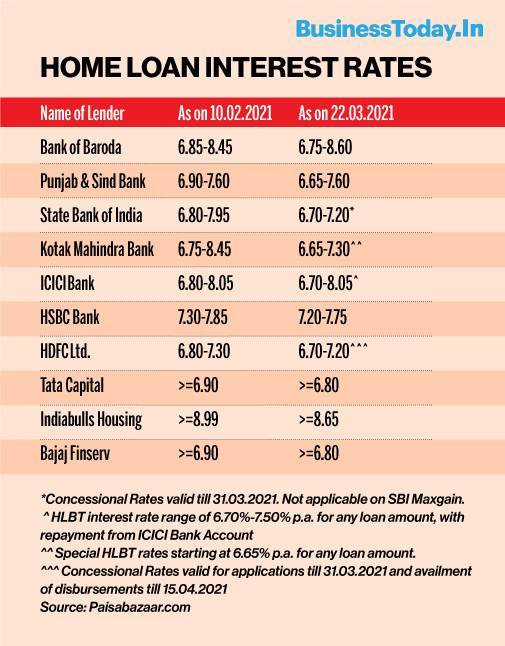
Don’t be afraid to negotiate. Once you have several quotes in hand, you can leverage one lender’s offer to potentially get a better deal from another. If Lender A offers a rate of 3.25% and Lender B offers 3.125%, you can go back to Lender A and see if they are willing to match or beat Lender B’s offer. Lenders are often willing to compete for your business, especially if your financial profile is strong.
Once you find a rate you’re satisfied with, inquire about “locking” the rate. A rate lock guarantees that your interest rate will not change between the time you apply and the day you close, provided you close within a specified timeframe (e.g., 30, 45, or 60 days). This protects you from market fluctuations. Understand the terms of the rate lock: Is there a fee? What happens if the rate drops significantly before closing (a “float down” option)? What are the extension fees if closing is delayed?
Leveraging Mortgage Calculators and Tools
The internet is replete with free mortgage calculators and tools that can be incredibly helpful. Use online mortgage payment calculators to estimate your monthly payments for different interest rates, loan terms, and down payment amounts. Amortization calculators can show you how your principal and interest payments will change over the life of the loan. Refinance calculators can help you determine if refinancing an existing mortgage would be beneficial. These tools provide valuable insights, allowing you to model various scenarios and understand the long-term implications of different interest rates and loan structures.
When is the “Lowest Rate” Truly the Best? Considering the Big Picture
While securing the absolute lowest interest rate is a primary goal, it’s crucial to understand that the rate alone doesn’t tell the whole story. The true “best deal” encompasses a wider range of factors that influence the overall cost and experience of your mortgage.
Beyond the Interest Rate: APR vs. Interest Rate
A common mistake is to focus solely on the advertised interest rate. The interest rate is the percentage charged on the principal loan amount. However, the Annual Percentage Rate (APR) provides a more comprehensive measure of the total cost of borrowing, as it includes the interest rate plus certain upfront fees and costs associated with the loan, such as origination fees, discount points, and some closing costs. When comparing loan offers, always use the APR as your primary metric, as it offers a truer “apples-to-apples” comparison of the overall cost of different loans. A loan with a slightly higher interest rate but lower fees might ultimately have a lower APR and be a better deal than a loan with a seemingly lower interest rate but higher associated costs.
Closing Costs and Fees
The upfront costs associated with closing a mortgage can be substantial, often ranging from 2% to 5% of the loan amount. These “closing costs” can include a variety of fees: loan origination fees, appraisal fees, title insurance, attorney fees, recording fees, survey fees, and escrow fees for property taxes and homeowner’s insurance. While a lender might offer a very attractive interest rate, they could be making up for it with higher closing costs. Some lenders offer “no-closing-cost mortgages,” but these typically come with a higher interest rate to compensate the lender for absorbing those upfront fees. It’s essential to get a detailed breakdown of all closing costs (a Loan Estimate form is legally required) and factor them into your overall cost analysis. Sometimes paying a slightly higher rate but having lower upfront costs might be more financially prudent, depending on how long you plan to stay in the home.
Lender Reputation and Service
Beyond the numbers, the quality of your lender’s service can significantly impact your mortgage experience. A slightly lower interest rate from a lender with a poor reputation for communication, responsiveness, or efficiency could lead to undue stress, delays, and even jeopardized closing. It’s wise to research lender reviews online, check their ratings with consumer protection agencies, and ask for references. A reputable lender with transparent communication, a responsive support team, and a track record of smooth closings might be worth a slightly higher rate. A seamless, stress-free process can be invaluable, especially during the often-complex and time-sensitive home-buying journey.
Conclusion
The pursuit of the lowest home interest rates is a critical endeavor that can lead to substantial financial savings over decades of homeownership. It’s a multi-faceted process that demands an understanding of the diverse landscape of mortgage lenders, a keen awareness of the personal financial factors that influence your rate, and a proactive, strategic approach to comparison shopping and negotiation.
From weighing the merits of traditional banks against credit unions and online lenders, to meticulously optimizing your credit score and debt-to-income ratio, every step contributes to securing a more favorable outcome. Remember to look beyond the superficial interest rate and delve into the Annual Percentage Rate (APR) and a detailed breakdown of all closing costs, as these provide the truest measure of a loan’s overall expense. Ultimately, the “best” rate isn’t solely the lowest numerical figure but the one that offers the most value, stability, and transparency for your unique financial situation and long-term goals. By being an informed and diligent borrower, you empower yourself to make intelligent decisions that pave the way for a more affordable and secure homeownership journey.
aViewFromTheCave is a participant in the Amazon Services LLC Associates Program, an affiliate advertising program designed to provide a means for sites to earn advertising fees by advertising and linking to Amazon.com. Amazon, the Amazon logo, AmazonSupply, and the AmazonSupply logo are trademarks of Amazon.com, Inc. or its affiliates. As an Amazon Associate we earn affiliate commissions from qualifying purchases.