
Mortgage rates are a cornerstone of the housing market and a critical component of personal finance for millions. They represent the cost of borrowing money to purchase or refinance a home, directly influencing affordability, purchasing power, and the overall health of the economy. Unlike a static price tag, mortgage rates are a dynamic financial instrument, fluctuating daily based on a complex interplay of economic indicators, central bank policies, and global market sentiment. Understanding “what mortgage rates are at” today, and more importantly, why they are at that level, is essential for anyone considering a real estate transaction.
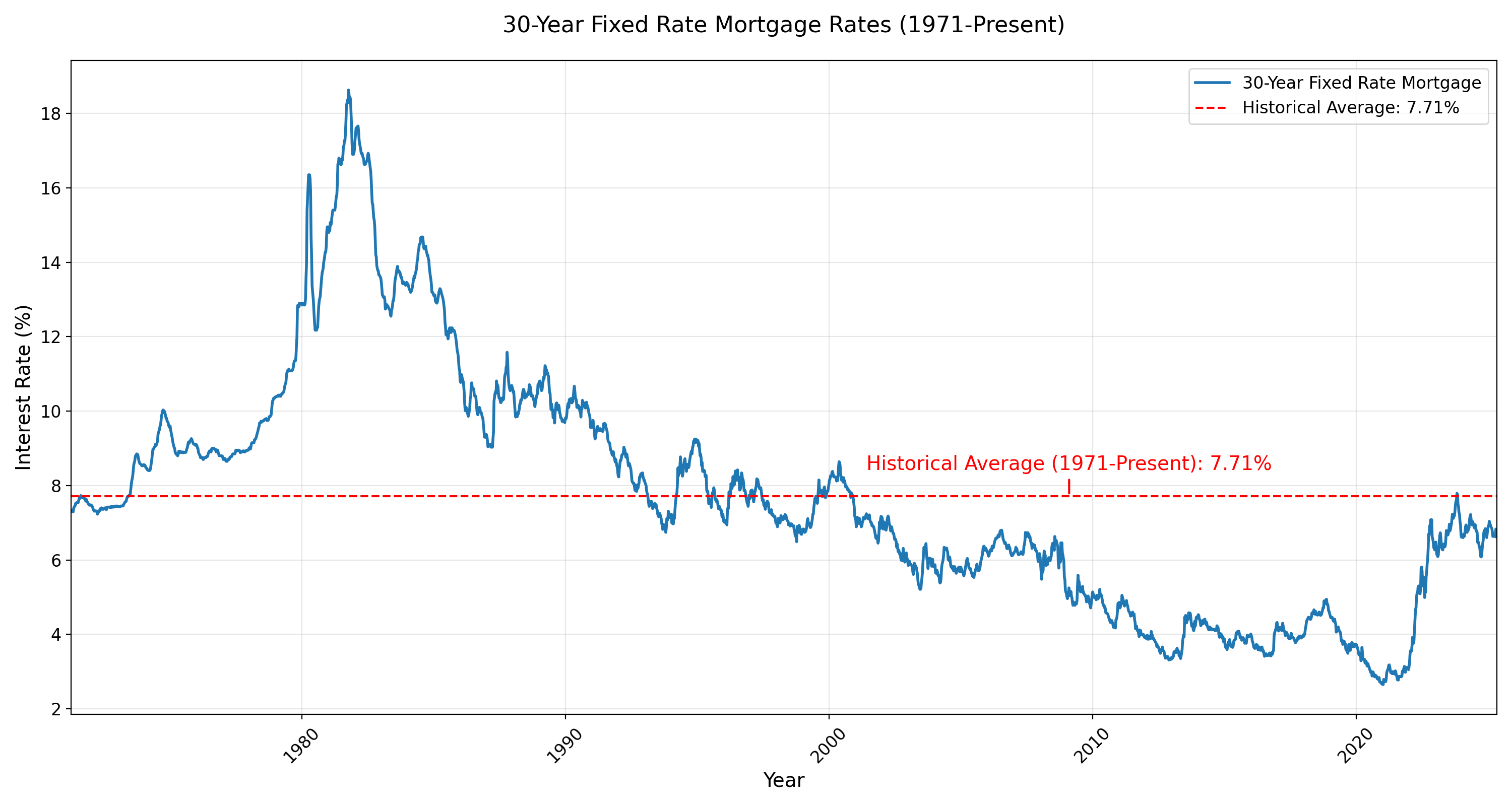
For prospective homebuyers, current mortgage rates dictate the size of their monthly payments, ultimately determining how much home they can afford. For existing homeowners, rate changes can open doors to significant savings through refinancing or, conversely, underscore the stability of their current loan. In a broader sense, mortgage rates serve as a barometer for economic health, reflecting inflationary pressures, the strength of the job market, and investor confidence. This article delves into the current state of mortgage rates, the factors that drive their movements, and what these fluctuations mean for individuals and the broader economy.
Understanding the Current Mortgage Rate Landscape
The immediate question, “what are mortgage rates at right now?”, always comes with a caveat: rates are highly variable. They differ not only day-to-day but also hour-to-hour, and depend on various factors including the lender, the borrower’s creditworthiness, and the specific loan product. However, underlying these daily fluctuations are broader trends shaped by macroeconomic forces.
The Federal Reserve’s Influence
At the heart of mortgage rate movements often lies the Federal Reserve. While the Fed does not directly set mortgage rates, its monetary policy decisions have a profound indirect impact. The Federal Open Market Committee (FOMC) sets the federal funds rate, which is the target rate for overnight lending between banks. Changes in this benchmark rate ripple through the financial system, affecting other interest rates, including the prime rate and, consequently, the cost of borrowing for consumers and businesses.
When the Fed raises the federal funds rate, it generally signals a tightening of monetary policy, making money more expensive to borrow across the board. This typically leads to an upward pressure on mortgage rates. Conversely, a reduction in the federal funds rate, often enacted to stimulate economic growth, tends to push mortgage rates lower. However, it’s crucial to understand that mortgage rates are more closely tied to the yield on the 10-year Treasury bond than the federal funds rate directly, though both are influenced by the same economic outlook that guides the Fed.
Inflationary Pressures and Economic Indicators
Inflation is arguably the most significant driver of long-term interest rates, including mortgage rates. Lenders need to ensure that the return on their loans outpaces the rate at which money loses its purchasing power. If inflation is high or expected to rise, lenders will demand higher interest rates to compensate for the eroded value of future principal and interest payments.
Key economic indicators that influence inflation expectations and, by extension, mortgage rates include:
- Consumer Price Index (CPI): A measure of the average change over time in the prices paid by urban consumers for a market basket of consumer goods and services. High CPI often signals rising inflation.
- Producer Price Index (PPI): Measures the average change over time in the selling prices received by domestic producers for their output.
- Employment Data: A strong job market with low unemployment and rising wages can fuel consumer spending and inflation, often leading to higher rates. Conversely, a weak job market may signal slower economic growth and lower inflation, potentially pushing rates down.
- Gross Domestic Product (GDP): A measure of the total value of goods and services produced in an economy. Robust GDP growth can signal an overheating economy prone to inflation, while slow growth might suggest the opposite.
Market participants constantly analyze these reports, adjusting their expectations for future inflation and economic growth, which in turn impacts the yields on Treasury bonds and, ultimately, mortgage rates.
Key Factors Driving Mortgage Rate Movements
Beyond the overarching influence of the Federal Reserve and inflation, several other factors contribute to the daily and weekly fluctuations in mortgage rates. Understanding these nuances provides a more complete picture for borrowers.
The Yield on 10-Year Treasury Bonds
While not directly set by the Fed’s target rate, mortgage rates, particularly for 30-year fixed mortgages, tend to move in tandem with the yield on the 10-year Treasury note. Treasury bonds are considered a safe-haven investment. When investors flock to these safe assets, their demand drives up bond prices, which in turn pushes their yields down. Conversely, when investors are confident in the economy and seek higher returns elsewhere (e.g., in stocks), demand for Treasuries falls, prices drop, and yields rise. Since mortgage-backed securities (MBS) often compete with Treasury bonds for investor attention, their yields, and thus mortgage rates, typically follow the same trajectory.
Supply and Demand in the Housing Market
The dynamics of the housing market itself can also exert pressure on mortgage rates. A surge in demand for homes, especially if coupled with limited supply, can lead to bidding wars and higher home prices. While this doesn’t directly raise interest rates, it can indirectly influence them if the overall economic activity associated with a booming housing market contributes to inflationary pressures or shifts investor sentiment. Conversely, a sluggish housing market with ample supply and softening prices might see lenders more eager to attract borrowers, potentially leading to competitive, lower rates, assuming other economic factors allow.
Lender Specifics and Loan Types
Not all mortgage rates are created equal. Individual lenders have different operational costs, risk appetites, and pricing strategies. This means that even on the same day, for the same borrower profile, rates can vary significantly from one lender to another. Borrowers should always shop around and compare offers from multiple lenders to secure the best rate.
Furthermore, the type of mortgage loan plays a crucial role:
- Fixed-Rate Mortgages (FRM): The interest rate remains the same for the entire life of the loan, offering predictability in monthly payments. The rate is typically higher than initial ARM rates due to the certainty it provides.
- Adjustable-Rate Mortgages (ARM): The interest rate is fixed for an initial period (e.g., 3, 5, 7, or 10 years) and then adjusts periodically based on a benchmark index. Initial ARM rates are often lower than fixed rates, but they carry the risk of future payment increases.
- FHA, VA, USDA Loans: These government-backed loans have specific eligibility requirements but often offer more favorable terms, including lower down payments and potentially competitive interest rates, especially for borrowers who might not qualify for conventional loans.
Geopolitical Events
Global events, such as international conflicts, political instability, or major economic shifts in other countries, can introduce significant uncertainty into financial markets. During times of heightened global risk, investors often seek the safety of U.S. Treasury bonds, driving down yields and potentially pushing mortgage rates lower. Conversely, events that cause widespread economic disruption or commodity price spikes (like oil) can fuel inflation, leading to higher rates.
The Impact of Mortgage Rates on Borrowers and the Economy
The current level of mortgage rates has far-reaching implications, extending from the individual homeowner’s budget to the broader national economy.
Affordability and Buying Power
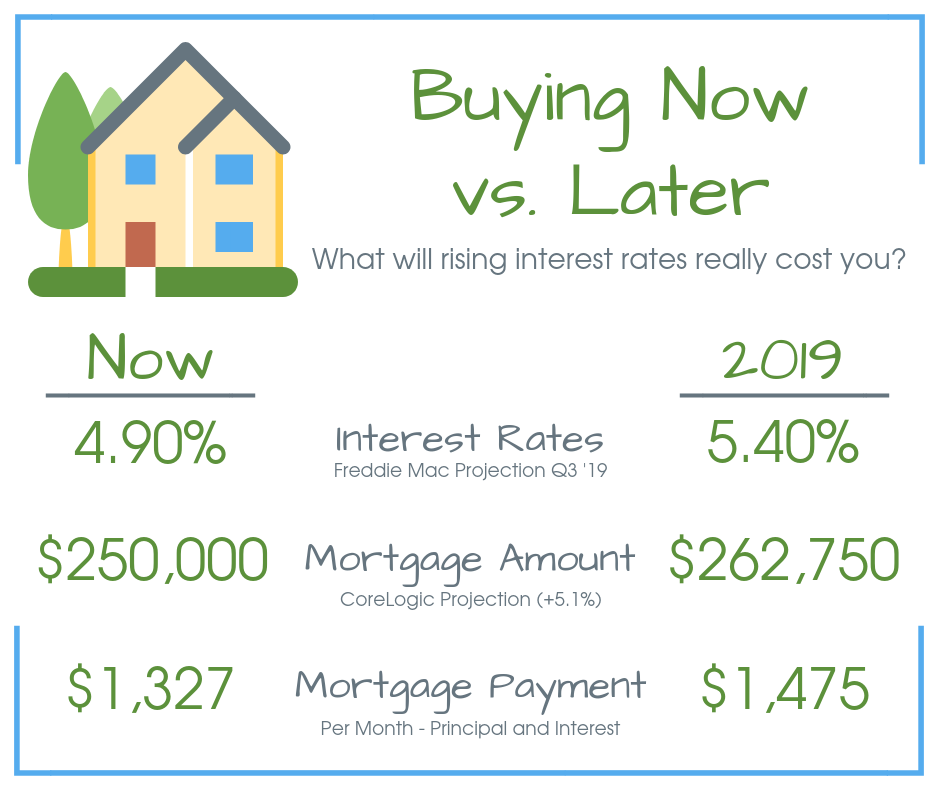
Perhaps the most immediate impact of mortgage rates is on housing affordability. A seemingly small change in the interest rate can translate into a significant difference in monthly mortgage payments over the life of a 15- or 30-year loan. When rates are high, a smaller loan amount yields the same monthly payment, meaning borrowers can afford less home for their budget. This reduces buying power and can price a segment of potential buyers out of the market. Conversely, lower rates make homeownership more accessible, allowing borrowers to purchase more expensive homes or save money on their monthly outlays.
Refinancing Opportunities and Challenges
For existing homeowners, fluctuations in mortgage rates create opportunities or pose challenges regarding refinancing. When rates drop significantly below a homeowner’s current mortgage rate, refinancing can be an attractive option to lower monthly payments, reduce the total interest paid over the life of the loan, or even convert an adjustable-rate mortgage to a fixed-rate one for greater stability. However, refinancing involves closing costs, so homeowners must calculate if the savings outweigh these upfront expenses. When rates are high, refinancing becomes less appealing or even unfeasible unless the primary goal is to extract equity or change loan terms for reasons other than a lower rate.
Impact on Housing Market Activity
Mortgage rates are a primary determinant of housing market activity. Low rates tend to stimulate demand, encouraging more people to buy homes, leading to increased sales volumes and potentially rising home prices. High rates can cool down a hot housing market, leading to fewer sales, longer market times, and potentially stabilizing or even declining home prices as affordability becomes a constraint. This cyclical relationship is critical for real estate developers, agents, and construction companies.
Broader Economic Implications
Beyond the housing sector, mortgage rates influence the broader economy. A robust housing market, fueled by low rates, contributes to economic growth through construction jobs, spending on home furnishings, and related industries. Conversely, a slowdown in housing due to high rates can drag on economic activity. The wealth effect—where homeowners feel wealthier as their property values increase—can also influence consumer spending. Mortgage rates are thus an important tool for central banks to manage economic cycles, either by stimulating growth or curbing inflation.
Navigating the Mortgage Market: Strategies for Borrowers
Given the dynamic nature of mortgage rates, borrowers need a strategic approach to secure the best terms and manage their housing finances effectively.
Monitoring Market Trends
Staying informed about economic news, Federal Reserve statements, inflation reports, and Treasury bond yields is crucial. Websites of financial news outlets, reputable mortgage lenders, and financial advisors often provide daily updates and analyses of mortgage rate trends. While predicting exact movements is impossible, understanding the underlying drivers can help borrowers gauge whether rates are likely to rise or fall in the near future, informing their decision-making timeline.
Improving Your Financial Profile
Lenders assess a borrower’s risk when determining interest rates. A strong financial profile can significantly improve the chances of securing a lower rate. Key elements include:
- Credit Score: A higher credit score (e.g., 740+) signals responsible financial behavior and lower risk, typically qualifying for the best rates.
- Debt-to-Income (DTI) Ratio: This ratio compares your total monthly debt payments to your gross monthly income. A lower DTI (ideally below 36%) indicates that you can comfortably manage additional debt.
- Down Payment: A larger down payment reduces the loan amount and the lender’s risk, often leading to better rates and avoiding private mortgage insurance (PMI).
- Proof of Income and Assets: Demonstrating stable income and sufficient reserves provides lenders with confidence in your ability to repay the loan.
Comparing Lenders and Loan Products
Never accept the first mortgage offer you receive. Shopping around and getting quotes from at least three to five different lenders (banks, credit unions, mortgage brokers, online lenders) is vital. Rates can vary, and so can fees and closing costs. Additionally, consider different loan products (fixed-rate vs. ARM, different loan terms) to determine which best fits your financial goals and risk tolerance. A slight difference in the interest rate can save tens of thousands of dollars over the loan’s lifetime.
Seeking Professional Advice
Working with a qualified mortgage broker or financial advisor can be highly beneficial. These professionals can help you navigate the complexities of the mortgage market, explain various loan options, and assist in identifying the best rates and terms available for your specific situation. They can also offer insights into market trends and help you prepare for the application process.
The Future Outlook for Mortgage Rates
Predicting the precise trajectory of mortgage rates is a challenging endeavor, even for seasoned economists. However, understanding the factors that will likely shape their future movements can help borrowers prepare.
Expert Predictions and Scenarios
Economists and housing market analysts often provide forecasts based on their projections for inflation, economic growth, and Federal Reserve policy. These predictions typically offer a range, acknowledging the inherent uncertainties. Common scenarios include:
- Rates holding steady: If inflation moderates and the economy maintains stable growth, rates might stabilize.
- Rates decreasing: A significant economic slowdown or a successful battle against inflation could prompt the Fed to lower rates, leading to a decline in mortgage rates.
- Rates increasing: Persistent high inflation or stronger-than-expected economic growth could force the Fed to maintain or even increase rates further, pushing mortgage rates higher.
It’s important to view these predictions as guidance rather than certainties and consider a variety of expert opinions.
Potential Headwinds and Tailwinds
Headwinds that could push rates higher include:
- Persistent Inflation: If inflation remains stubbornly high, the Fed will likely keep monetary policy tight.
- Strong Economic Growth: An unexpectedly robust economy could lead to increased demand for credit and inflationary pressures.
- Fiscal Policy: Large government spending or deficits could increase borrowing, competing with private sector demand for capital and potentially driving up rates.
Tailwinds that could push rates lower include:
- Economic Slowdown/Recession: A significant downturn could prompt the Fed to cut rates to stimulate the economy.
- Declining Inflation: Clear evidence that inflation is under control would allow the Fed to loosen monetary policy.
- Global Economic Instability: A flight to safety could increase demand for U.S. Treasury bonds, driving yields and mortgage rates down.
Preparing for Volatility
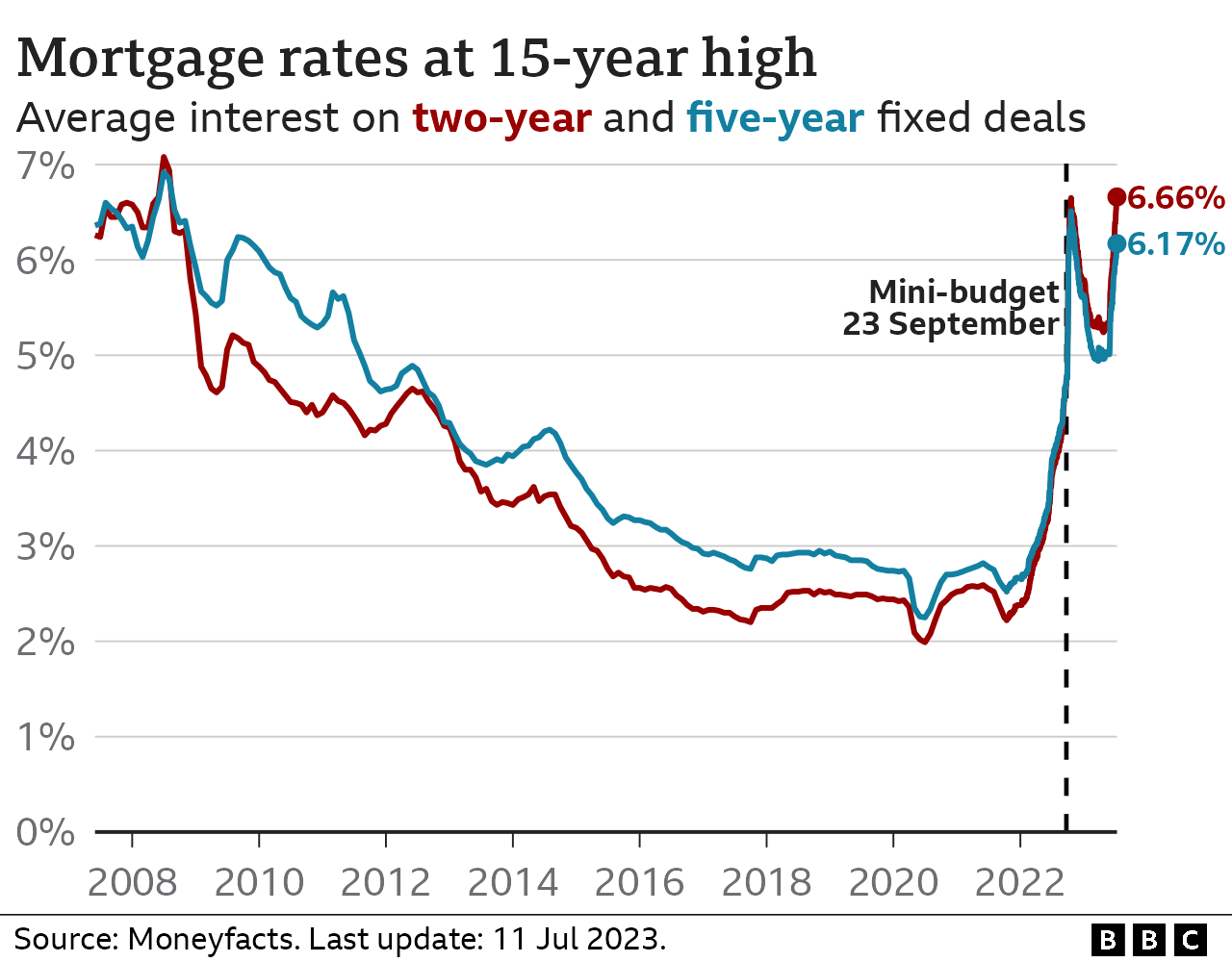
The past few years have demonstrated the potential for significant volatility in mortgage rates. Borrowers should prepare for this by:
- Having a flexible timeline: If possible, avoid being forced into a mortgage decision during unfavorable rate conditions.
- Understanding different loan products: Consider whether an ARM might be suitable if you expect rates to fall or plan to move before the fixed period ends, balanced against the risk of rising rates.
- Maintaining a strong financial buffer: A solid emergency fund and manageable debt levels provide resilience against unexpected rate changes or economic shifts.
In conclusion, “what are mortgage rates at” is a question with a dynamic and multi-faceted answer. They are a reflection of intricate economic forces, central bank policies, and global events. For anyone involved in real estate, staying informed and adopting a strategic approach to financing is not just advisable, it’s essential for navigating the ever-changing landscape of homeownership and personal finance.
aViewFromTheCave is a participant in the Amazon Services LLC Associates Program, an affiliate advertising program designed to provide a means for sites to earn advertising fees by advertising and linking to Amazon.com. Amazon, the Amazon logo, AmazonSupply, and the AmazonSupply logo are trademarks of Amazon.com, Inc. or its affiliates. As an Amazon Associate we earn affiliate commissions from qualifying purchases.