
Understanding the current landscape of home loan interest rates is paramount for anyone looking to buy a house, refinance an existing mortgage, or simply stay informed about the economy. Interest rates are not static; they fluctuate daily, sometimes even hourly, in response to a complex interplay of global and domestic economic forces. For many, a home loan represents the largest financial commitment of their lives, making even a small difference in the interest rate translate into tens of thousands of dollars over the loan’s lifetime. This article will demystify the current state of home loan interest rates, delve into the factors that influence them, guide you on how to track them, and provide strategies for securing the most favorable rate for your financial situation.
Decoding Today’s Mortgage Rate Landscape
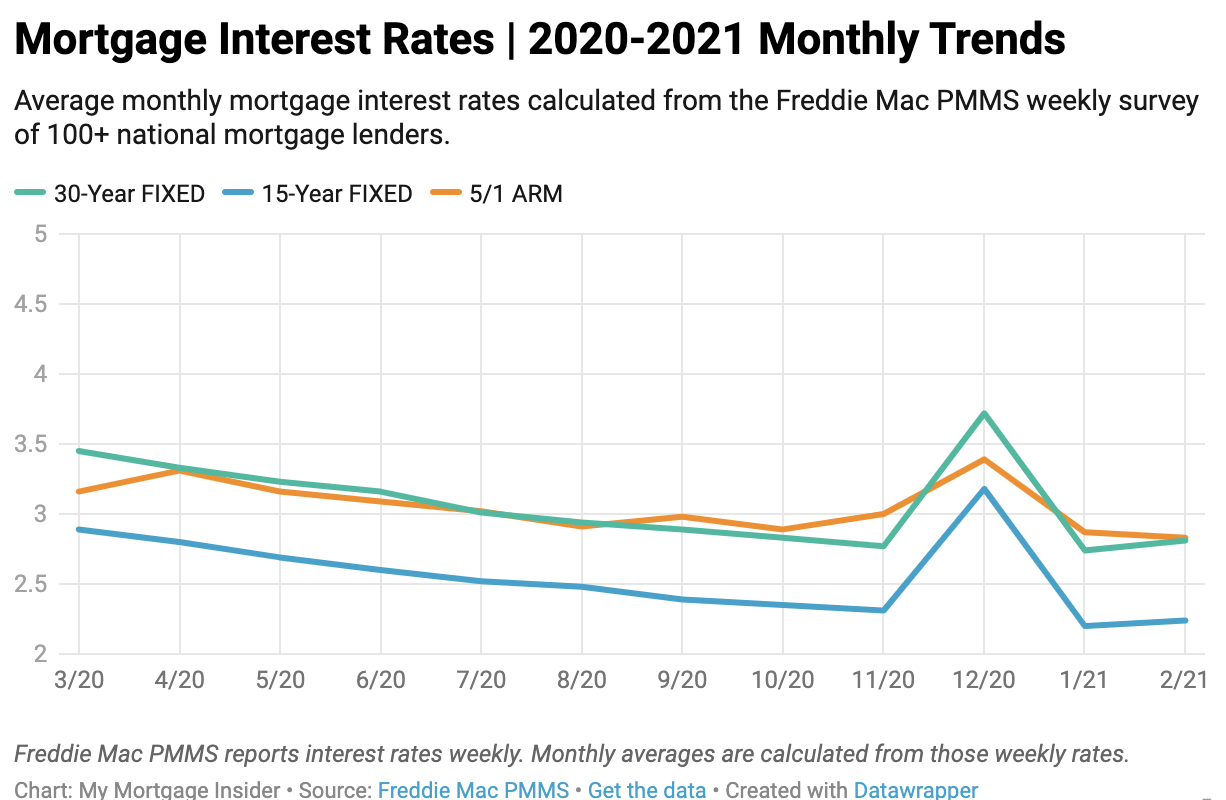
The “today” in “what is the interest rate today” is critically important because mortgage rates are a moving target. While we cannot provide a real-time, exact percentage that applies universally, we can explain the environment in which current rates are set and the range they typically fall into based on prevailing economic conditions.
The Forces Behind Fluctuations: Federal Reserve, Inflation, and the Bond Market
Mortgage rates are primarily influenced by several powerful economic levers. The Federal Reserve (the Fed) plays a significant, though indirect, role. When the Fed raises or lowers the federal funds rate – its benchmark interest rate – it impacts short-term borrowing costs for banks. While the federal funds rate doesn’t directly dictate mortgage rates, it signals the Fed’s stance on inflation and economic growth, which in turn influences the broader interest rate environment.
Inflation is another major driver. Lenders charge interest to earn a return on their money, and if inflation is high, the purchasing power of that future money will be less. Therefore, to protect their profits, lenders will demand higher interest rates during periods of high or expected inflation. Conversely, low inflation can lead to lower rates.
Perhaps the most direct influence on fixed mortgage rates comes from the bond market, specifically the yield on the 10-year Treasury note. Mortgage-backed securities (MBS) – the financial instruments that bundle individual mortgages into tradable assets – often track the movement of the 10-year Treasury yield. When bond yields rise, mortgage rates tend to rise, and vice versa. Factors like global economic stability, geopolitical events, and investor sentiment all feed into the bond market, creating a constant dynamic. Economic indicators such as unemployment rates, GDP growth, and consumer confidence also play a role, signaling the health of the economy and influencing the Fed’s decisions and bond market activity.
Fixed vs. Adjustable-Rate Mortgages (ARMs): A Comparison
When seeking a home loan, you’ll generally encounter two main types: fixed-rate mortgages and adjustable-rate mortgages (ARMs). Each has distinct rate characteristics.
A fixed-rate mortgage locks in the same interest rate for the entire life of the loan, typically 15 or 30 years. This offers predictable monthly payments, making budgeting straightforward. In a rising interest rate environment, a fixed rate provides stability and protection from future increases. However, if rates drop significantly, you’d need to refinance to take advantage of lower payments.
An adjustable-rate mortgage (ARM), conversely, features an initial fixed-rate period (e.g., 5, 7, or 10 years), after which the rate adjusts periodically, usually annually, based on a pre-selected index plus a margin. ARMs often start with a lower interest rate than fixed-rate mortgages, making them attractive for borrowers who plan to sell or refinance before the fixed period ends, or those who expect their income to increase significantly. However, they carry the risk of higher payments if rates rise during the adjustment periods. In today’s market, where rates might be volatile, ARMs can be a gamble, but also an opportunity for short-term savings if you are confident in your financial foresight.
Personal Factors: How Your Profile Impacts Your Rate
While broad economic forces set the general interest rate environment, your individual financial profile significantly impacts the specific rate you’ll be offered. Lenders assess risk, and your profile tells them how risky you are as a borrower.
Your credit score is paramount. A higher credit score (typically 740+) indicates a lower risk to lenders, translating into access to the best available interest rates. Conversely, a lower score will result in a higher interest rate to compensate the lender for the increased risk. Your down payment also matters; a larger down payment (e.g., 20% or more) reduces the loan-to-value (LTV) ratio, which can lead to better rates. Lenders see less risk when you have more equity in the home from the start. Finally, your debt-to-income (DTI) ratio, which compares your monthly debt payments to your gross monthly income, is crucial. A lower DTI (ideally below 43%) demonstrates your ability to manage debt and make timely mortgage payments, influencing your rate positively.
Navigating the Market: Where to Find and Understand Rates
Given the dynamic nature of interest rates, knowing where to find reliable information and how to interpret it is key to making an informed decision.
Reliable Sources for Rate Information: Aggregators, Lender Sites, Financial News
To get a snapshot of current home loan interest rates, you should consult several reliable sources. Mortgage rate aggregators like Bankrate, Zillow, or LendingTree allow you to input your specific details (credit score range, down payment, loan type, location) and receive personalized rate quotes from multiple lenders. This is an excellent starting point for comparison.
Directly checking individual lender websites (large banks, credit unions, and independent mortgage brokers) will give you their specific published rates, though these are often “advertised rates” and may not be the exact rate you qualify for until you formally apply.
Finally, reputable financial news outlets (e.g., The Wall Street Journal, Bloomberg, CNBC, Reuters) provide daily updates and analysis on mortgage market trends, 10-year Treasury yields, and Federal Reserve commentary, which helps contextualize the numbers you’re seeing. These sources also often feature expert predictions and insights that can guide your strategy.
Understanding APR vs. Interest Rate: The True Cost
When comparing loan offers, it’s crucial to understand the difference between the interest rate and the Annual Percentage Rate (APR). The interest rate is simply the percentage charged by the lender for borrowing the principal amount; it determines your monthly principal and interest payment.
The APR, however, represents the total cost of the loan over its life, expressed as an annual percentage. It includes not only the interest rate but also most of the other fees and charges associated with the loan, such as origination fees, discount points, mortgage insurance, and processing fees. Comparing APRs across different lenders gives you a more accurate “apples-to-apples” comparison of the true cost of borrowing. A loan with a lower interest rate might have a higher APR if it comes with significant upfront fees, making it potentially more expensive in the long run.
The Importance of a Rate Lock
Once you’ve found a favorable interest rate, you’ll want to consider a rate lock. A rate lock is an agreement between you and your lender that guarantees a specific interest rate for a set period, typically 30 to 60 days, while your loan application is processed. This protects you from rate increases during the underwriting period.

There are several things to consider with a rate lock:
- Duration: Ensure the lock period is long enough to cover your expected closing date. Longer lock periods might come with a slightly higher fee or interest rate.
- Cost: Some lenders offer free rate locks, while others charge a fee, especially for extended periods.
- Float-down option: Some lenders offer a “float-down” option, which allows you to take advantage of lower rates if they drop significantly before closing, for an additional fee.
- Commitment: Locking a rate usually means you’re committed to that lender for that specific rate.
It’s generally advisable to lock your rate once you are fairly confident in your chosen lender and loan product, especially in a volatile or rising rate environment.
Exploring Diverse Loan Products and Their Rate Implications
Beyond the fixed vs. ARM dichotomy, the specific type of home loan you choose will also have a significant impact on the interest rate you’re offered and the qualification criteria.
Conventional Loans: Standard vs. Conforming Limits
Conventional loans are the most common type of mortgage and are not insured or guaranteed by a government agency. They are typically offered by private lenders. To be considered a “conforming loan,” the loan amount must fall within limits set by the Federal Housing Finance Agency (FHFA). For 2024, the conforming loan limit for a single-family home in most areas is $766,550, with higher limits in high-cost areas. Lenders often offer the most competitive rates for conforming conventional loans to borrowers with strong credit and substantial down payments (typically 20% to avoid private mortgage insurance, or PMI, though some programs allow as little as 3-5% down). Rates for these loans are directly influenced by the bond market.
Government-Backed Options: FHA, VA, and USDA Loans
These loans are insured or guaranteed by the federal government, making them less risky for lenders and often resulting in more flexible qualification criteria and potentially lower interest rates for certain borrowers.
- FHA Loans: Insured by the Federal Housing Administration, these loans are popular for first-time homebuyers or those with less-than-perfect credit. They allow for down payments as low as 3.5% and have more lenient credit requirements than conventional loans. While interest rates can be competitive, FHA loans require both upfront and annual mortgage insurance premiums (MIP), which adds to the overall cost.
- VA Loans: Guaranteed by the U.S. Department of Veterans Affairs, these loans are an incredible benefit for eligible veterans, active-duty service members, and surviving spouses. VA loans offer 0% down payment options, competitive interest rates, and no private mortgage insurance. They do have a one-time funding fee, which can often be financed into the loan.
- USDA Loans: Backed by the U.S. Department of Agriculture, these loans are designed for low-to-moderate income borrowers purchasing homes in eligible rural areas. They also offer 0% down payment options and competitive rates. Similar to FHA, they require upfront and annual guarantee fees.
Each of these government-backed options has specific eligibility requirements, but they can provide excellent pathways to homeownership with potentially more favorable rates or terms for qualifying individuals.
Specialty Loans: Jumbo, Interest-Only, and Other Niche Products
Beyond the standard offerings, various specialty loans cater to specific needs, often with different rate structures. Jumbo loans are conventional loans that exceed the conforming loan limits. Because they involve higher loan amounts and are not backed by government entities, they typically come with stricter qualification requirements and can have slightly higher interest rates than conforming loans, reflecting the increased risk for lenders.
Interest-only mortgages allow borrowers to pay only the interest portion of the loan for an initial period, resulting in lower monthly payments, but the principal balance remains unchanged. These are less common today due to past market volatility and are typically offered to affluent borrowers or those with specific investment strategies, and their rates can be tied to complex indices. Other niche products might include renovation loans, doctor loans, or portfolio loans, each with unique rate considerations depending on the lender and the specific terms.
Strategies for Securing Your Optimal Rate
While you can’t control the Federal Reserve or global economic trends, you can absolutely influence the interest rate you’re offered. Proactive planning and smart financial moves can save you a significant amount over the life of your loan.
Credit Score Enhancement: Actionable Steps
Your credit score is arguably the most significant personal factor influencing your mortgage rate. Lenders use it to gauge your creditworthiness. To improve your score:
- Pay bills on time: Payment history is the biggest factor in your score.
- Reduce outstanding debt: Especially credit card balances, as high utilization ratios negatively impact your score.
- Avoid opening new credit accounts: Each new application can temporarily ding your score.
- Check your credit report for errors: Dispute any inaccuracies that could be dragging your score down.
Aim for a score of 740 or higher to qualify for the most competitive rates.
The Down Payment Advantage: How Equity Impacts Rates
A larger down payment signals less risk to lenders. When you put down 20% or more, you often avoid Private Mortgage Insurance (PMI), which reduces your monthly housing costs. More importantly, a larger down payment means you’re borrowing less, and lenders may reward this reduced risk with a lower interest rate. Even a slightly larger down payment, if manageable, can make a difference in your rate and overall loan terms.
The Power of Comparison Shopping: Getting Multiple Quotes
This is perhaps one of the easiest yet most overlooked strategies. Don’t settle for the first quote you receive. Each lender has different pricing models, risk assessments, and fees.
- Contact multiple lenders: Get quotes from at least three to five different types of lenders (e.g., a large national bank, a local credit union, and a mortgage broker).
- Get quotes on the same day: Rates fluctuate, so comparing quotes from different days won’t give you an accurate comparison.
- Compare APRs, not just interest rates: As discussed, APR reflects the true cost.
- Ask for a Loan Estimate: Lenders are required to provide a standardized Loan Estimate form that breaks down all costs, allowing for easy comparison.
Even a quarter of a percentage point difference in your rate can save you tens of thousands of dollars over a 30-year mortgage.
Weighing Points and Lender Fees
When evaluating loan offers, you’ll encounter various fees, including “points.” Discount points are essentially prepaid interest. One point equals 1% of the loan amount. By paying points upfront, you can “buy down” your interest rate, resulting in lower monthly payments over the life of the loan. This can be a smart move if you plan to stay in your home for many years and the savings in interest outweigh the upfront cost of the points.
Conversely, origination points or lender fees are charged by the lender for processing your loan. These are part of the closing costs and do not reduce your interest rate. It’s crucial to understand all fees associated with a loan, including appraisal fees, underwriting fees, and title insurance, as they contribute to the overall cost and can vary significantly between lenders. A lower interest rate might look appealing, but if it’s coupled with excessive fees, the overall cost could be higher.
Conclusion
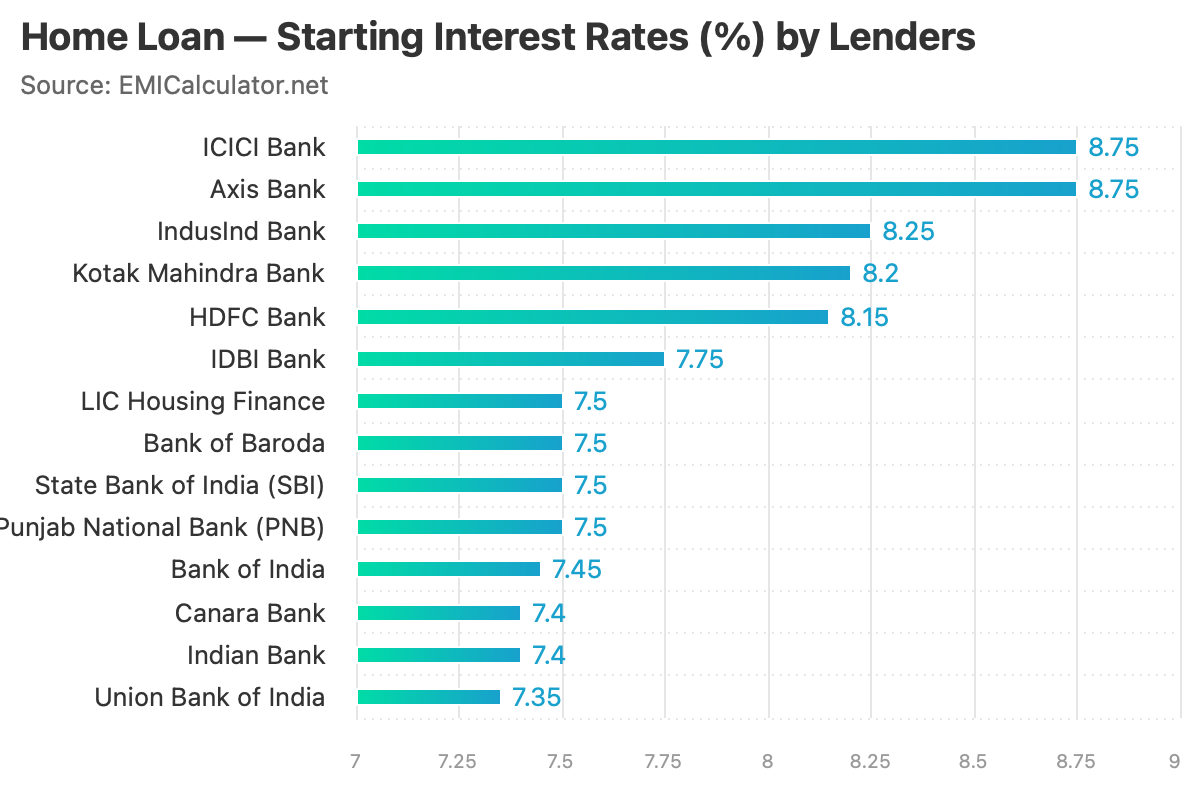
The interest rate for home loans today is a dynamic figure, shaped by a confluence of global economic forces, central bank policies, and individual borrower profiles. While general trends provide a backdrop, your specific rate will be a personalized outcome of your financial health and the lender you choose. By understanding the underlying economic drivers, knowing where to access reliable information, distinguishing between various loan products, and proactively implementing strategies to enhance your eligibility, you can navigate the complex mortgage market with confidence. Securing the optimal interest rate isn’t just about finding a good deal; it’s about making a financially sound decision that profoundly impacts your long-term wealth and stability as a homeowner. Be diligent, compare offers, and empower yourself with knowledge to unlock the best possible terms for your home loan.
aViewFromTheCave is a participant in the Amazon Services LLC Associates Program, an affiliate advertising program designed to provide a means for sites to earn advertising fees by advertising and linking to Amazon.com. Amazon, the Amazon logo, AmazonSupply, and the AmazonSupply logo are trademarks of Amazon.com, Inc. or its affiliates. As an Amazon Associate we earn affiliate commissions from qualifying purchases.