
Understanding current mortgage rates is a critical first step for anyone considering buying a home, refinancing an existing loan, or simply monitoring the economic landscape. These rates are not static figures; they are dynamic, influenced by a complex interplay of economic indicators, central bank policies, and global financial market sentiment. For the average consumer, these fluctuations can translate into thousands of dollars over the lifetime of a loan, significantly impacting affordability and long-term financial planning. This article delves into the current state of mortgage rates, the factors that drive them, and how prospective borrowers can navigate this ever-changing environment to make informed decisions.
Understanding the Forces Behind Mortgage Rate Fluctuations
Mortgage rates are not arbitrarily set; they are a direct reflection of broader economic health and monetary policy. Several key factors constantly exert pressure, causing rates to rise, fall, or remain stable. A nuanced understanding of these influences empowers individuals to anticipate market movements and strategize accordingly.
Federal Reserve Policy and the Federal Funds Rate
The Federal Reserve, the central bank of the United States, plays a pivotal role in shaping the economic environment. While the Fed does not directly set mortgage rates, its actions profoundly influence them. The most significant tool at its disposal is the federal funds rate, which is the target rate for overnight lending between banks. When the Fed raises the federal funds rate, it generally signals a tightening of monetary policy aimed at curbing inflation. This typically leads to higher borrowing costs across the economy, including for long-term loans like mortgages. Conversely, a reduction in the federal funds rate often indicates an easing of policy to stimulate economic growth, which can lead to lower mortgage rates. The Fed’s forward guidance and public statements regarding inflation and economic outlook also heavily impact market expectations, often moving rates even before official policy changes occur. Investors in the mortgage-backed securities (MBS) market, which is where mortgages are packaged and sold, react to these signals, driving bond yields and, by extension, mortgage rates.
Inflation Expectations
Inflation is arguably one of the most significant drivers of long-term interest rates, including mortgages. Lenders need to ensure that the interest they earn on a loan will not be eroded by inflation over time. If lenders anticipate higher inflation in the future, they will demand a higher interest rate to compensate for the reduced purchasing power of future repayments. This is why periods of high inflation or strong inflation expectations typically coincide with higher mortgage rates. Conversely, when inflation is low and stable, or when deflationary pressures are present, lenders may be content with lower rates. Market indicators such as the Consumer Price Index (CPI) and the Personal Consumption Expenditures (PCE) price index are closely watched for signs of inflationary trends.
Economic Indicators and Geopolitical Events
The overall health of the economy provides a constant backdrop for mortgage rate movements. Strong economic growth, characterized by robust job creation (as seen in the non-farm payrolls report), rising Gross Domestic Product (GDP), and healthy consumer spending, often leads to fears of inflation and can push mortgage rates higher. A booming economy typically means more demand for loans, and lenders can charge more. Conversely, signs of an economic slowdown or recession, such as rising unemployment or contracting GDP, can lead to lower rates as investors seek the safety of bonds, driving down yields.
Beyond domestic economic data, geopolitical events can also introduce significant volatility. Global crises, political instability, or major international trade disputes can create uncertainty, prompting investors to flee riskier assets for the relative safety of government bonds, which can temporarily push down mortgage yields. However, sustained global economic disruption can also lead to supply chain issues and inflationary pressures, eventually pushing rates higher. The interconnectedness of global financial markets means that events far from home can still have a tangible impact on what you pay for your mortgage.
Deciphering Current Mortgage Rate Trends
While the underlying forces are constant, the specific rates available to borrowers change daily. Understanding the nuances of different mortgage products and how their rates are quoted is crucial for making an informed decision about today’s market.
Fixed-Rate Mortgages: Stability in an Uncertain Market
Fixed-rate mortgages are the most common type, offering borrowers a consistent interest rate and monthly principal and interest payment for the entire loan term. The most popular options are the 30-year fixed-rate mortgage and the 15-year fixed-rate mortgage.
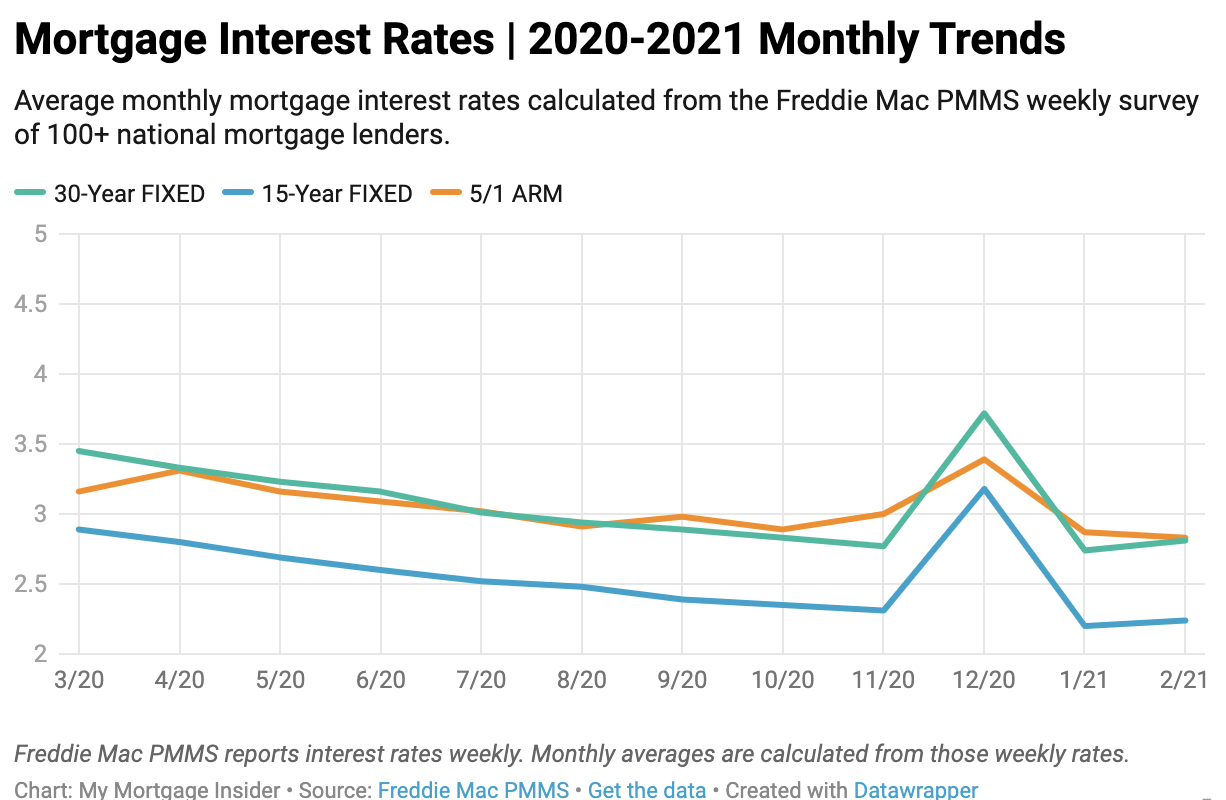
- 30-year Fixed-Rate Mortgage: This option provides the lowest monthly payments due to the extended repayment period. However, borrowers will pay significantly more interest over the life of the loan compared to shorter terms. Today’s rates for a 30-year fixed mortgage are often the benchmark quoted by financial news outlets, reflecting the broader market sentiment. They tend to be higher than 15-year rates because the lender assumes more risk over a longer period.
- 15-year Fixed-Rate Mortgage: This loan offers a higher monthly payment but allows borrowers to pay off their home much faster and incur substantially less interest. The interest rates for 15-year fixed mortgages are typically lower than their 30-year counterparts, making them attractive for those who can afford the higher monthly commitment and prioritize long-term savings.
The trend for fixed rates largely mirrors the bond market, particularly the yield on the 10-year Treasury note. When Treasury yields rise, fixed mortgage rates usually follow suit, and vice-versa.
Adjustable-Rate Mortgages (ARMs): Flexibility with Risk
Adjustable-Rate Mortgages (ARMs) offer an initial period (typically 3, 5, 7, or 10 years) during which the interest rate is fixed, often at a lower rate than comparable fixed-rate loans. After this initial period, the rate adjusts periodically (e.g., annually) based on a specified market index plus a margin.
- Hybrid ARMs (e.g., 5/1 ARM): A 5/1 ARM means the rate is fixed for the first five years, then adjusts annually thereafter. These loans are often chosen by borrowers who anticipate selling or refinancing before the fixed period ends, or those who expect their income to rise significantly, making future payment increases manageable.
- Considerations: While ARMs can offer lower initial payments, they come with the risk of future rate increases, which could lead to significantly higher monthly payments. Loan documents will specify caps on how much the rate can adjust per period and over the life of the loan, providing some protection. Today’s ARM rates are particularly attractive when fixed rates are high, as they offer a potential short-term saving, but require careful consideration of future interest rate environments.
The decision between a fixed-rate and an ARM depends heavily on individual financial circumstances, risk tolerance, and future plans.
Strategies for Securing the Best Mortgage Rate
Even when rates are generally high, proactive steps can help individual borrowers secure the most favorable terms available. A good mortgage rate isn’t just about market conditions; it’s also about presenting yourself as a low-risk borrower.
Improving Your Credit Score
Your credit score is arguably the most crucial factor lenders consider when determining your interest rate. A higher FICO score signals to lenders that you are a responsible borrower with a strong history of repaying debts. Borrowers with excellent credit (typically 760 and above) consistently qualify for the lowest available rates. To improve your score:
- Pay bills on time, every time: Payment history is the biggest factor in your score.
- Reduce credit utilization: Keep balances on credit cards low relative to your credit limits (ideally below 30%).
- Avoid opening too many new credit accounts: This can signal increased risk.
- Check your credit report for errors: Dispute any inaccuracies promptly.
Focusing on credit health months, or even a year, before applying for a mortgage can lead to significant savings.
Optimizing Your Debt-to-Income (DTI) Ratio
Your DTI ratio is another critical metric. It’s the percentage of your gross monthly income that goes towards debt payments, including the prospective mortgage payment. Lenders typically prefer a DTI ratio below 43%, though lower is always better. A low DTI indicates that you have sufficient disposable income to comfortably handle your mortgage payments. To improve your DTI:

- Pay down existing debts: Focus on high-interest debts like credit cards and personal loans.
- Avoid taking on new debt: Refrain from making large purchases on credit or taking out new loans before applying for a mortgage.
- Increase your income: While not always immediately feasible, a higher income naturally lowers your DTI.
A healthy DTI ratio reduces the perceived risk for lenders, making them more willing to offer competitive rates.
Shopping Around and Comparing Lenders
One of the most effective strategies for finding the best mortgage rate is to shop around and get quotes from multiple lenders. Different banks, credit unions, and mortgage brokers will have varying rate structures, fees, and lending criteria. Even a small difference in the interest rate can save tens of thousands of dollars over the loan’s lifetime.
- Get at least 3-5 quotes: Apply to a diverse range of lenders, including large banks, smaller community banks, and online lenders.
- Compare Loan Estimates: Lenders are required to provide a standardized “Loan Estimate” form, which makes it easier to compare interest rates, closing costs, and other fees side-by-side.
- Consider a mortgage broker: Brokers work with multiple lenders and can often find competitive rates that individual borrowers might miss.
Most credit bureaus treat multiple mortgage inquiries within a short period (typically 14-45 days) as a single inquiry, minimizing the impact on your credit score, so don’t hesitate to compare.
Considering Discount Points
Discount points are a form of prepaid interest that borrowers can pay at closing to “buy down” their interest rate. One point typically costs 1% of the loan amount and can reduce the interest rate by a fraction of a percent (e.g., 0.125% to 0.25%). Whether paying points is a worthwhile strategy depends on how long you plan to stay in the home.
- Calculate the break-even point: Determine how long it will take for the savings from the lower monthly payment to offset the upfront cost of the points.
- Long-term vs. Short-term: If you plan to stay in the home for many years, paying points can be a good investment. If you anticipate selling or refinancing in a few years, it might not be cost-effective.
This strategy requires careful financial analysis and an understanding of your future housing plans.
The Impact of Mortgage Rates on Your Financial Future
The prevailing mortgage rates have far-reaching implications that extend beyond just the monthly payment. They influence housing market dynamics, wealth accumulation, and overall financial flexibility.
Affordability and Monthly Payments
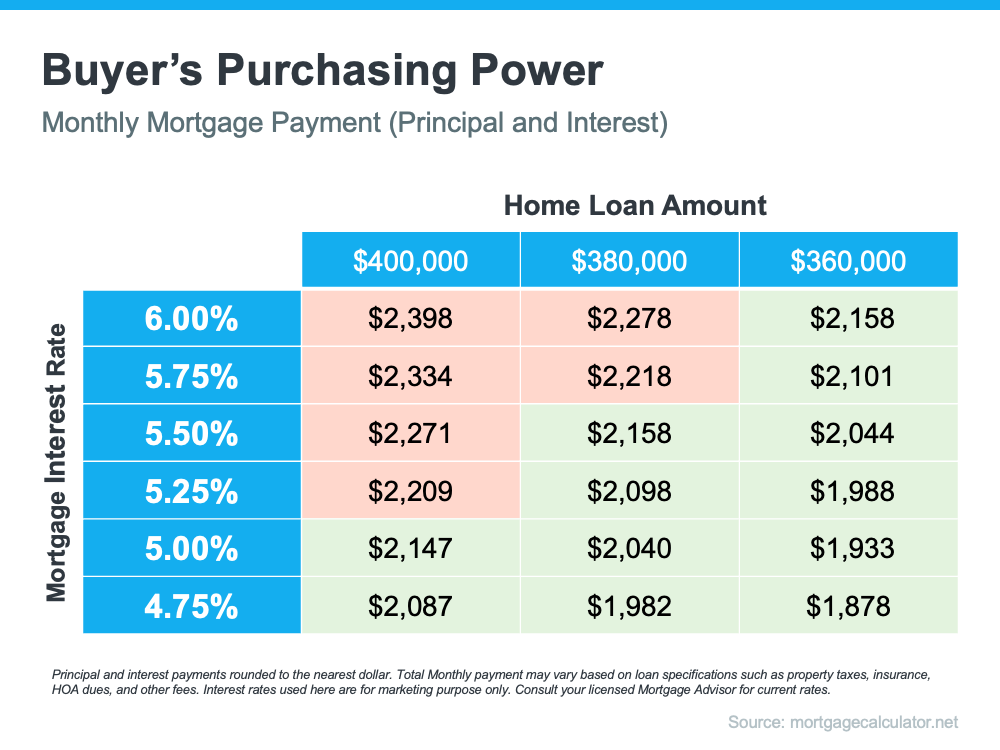
The most immediate impact of mortgage rates is on affordability. Even a slight change in the interest rate can significantly alter your monthly payment, which in turn affects how much home you can afford. For example, on a $300,000 loan, an increase from 6% to 7% interest could raise your monthly payment by over $180, totaling more than $65,000 in additional interest over 30 years. Higher rates reduce purchasing power, making it more challenging for first-time buyers to enter the market or for existing homeowners to upgrade.
Long-Term Interest Paid and Wealth Accumulation
Mortgage rates directly dictate the total amount of interest you will pay over the life of the loan. A lower rate means a larger portion of your monthly payment goes towards reducing your principal balance, building equity faster. This accelerated equity accumulation is crucial for wealth building, as your home often represents your largest asset. Conversely, higher rates mean more of your money goes to the lender, slowing down your equity growth and potentially delaying other financial goals like retirement savings or investments.
Refinancing Opportunities
Current mortgage rates also determine the attractiveness of refinancing. If rates drop significantly below your existing mortgage rate, refinancing can be an excellent opportunity to reduce your monthly payments, lower the total interest paid, or shorten your loan term. However, when rates are high, refinancing becomes less appealing unless it’s to switch from an Adjustable-Rate Mortgage (ARM) to a fixed-rate loan to lock in stability, even if the new fixed rate is higher than the initial ARM rate. Monitoring rate trends allows homeowners to seize opportune moments to improve their loan terms.
Real Estate Market Dynamics
Mortgage rates are a primary driver of the broader real estate market. When rates are low, housing demand typically increases as homes become more affordable, often leading to rising home prices. High rates, on the other hand, can cool down a hot housing market by reducing buyer demand and potentially slowing home price appreciation or even causing slight declines. This ripple effect impacts home sellers, buyers, and the overall economy. Understanding current rates helps individuals gauge the market’s temperature and decide if it’s a buyer’s or seller’s market, or somewhere in between.
Looking Ahead: What to Expect from Mortgage Rates
Predicting the future of mortgage rates with absolute certainty is impossible, given the multitude of unpredictable factors at play. However, by staying informed about economic forecasts and central bank signals, individuals can develop a more educated outlook.
Expert Predictions and Market Volatility
Financial institutions and economic analysts constantly publish forecasts for mortgage rates, often based on their projections for inflation, GDP growth, and Federal Reserve policy. While these predictions can offer valuable insights, they are not guarantees. The market can be highly volatile, reacting sharply to unexpected economic data releases, geopolitical developments, or shifts in market sentiment. For instance, a stronger-than-expected jobs report could cause rates to tick up, while a sudden slowdown in economic activity might push them lower. It’s wise to consider a range of expert opinions rather than relying on a single forecast.
Preparing for Rate Changes
Given the inherent uncertainty, the best approach for prospective borrowers is to prepare for potential rate changes.
- Rate Locks: If you are nearing a home purchase or refinance, consider locking in an interest rate. A rate lock guarantees your quoted rate for a specific period (e.g., 30-60 days) while your loan is processed, protecting you from upward rate swings.
- Financial Flexibility: Maintain a healthy emergency fund and a strong credit profile. This financial resilience will provide more options and better terms regardless of the prevailing rate environment.
- Stay Informed: Regularly follow credible financial news sources and consult with trusted mortgage professionals. Understanding the broader economic context will help you react strategically to market shifts rather than being caught off guard.
The mortgage market is a complex system, but by understanding its drivers and potential future movements, you can position yourself to make the most advantageous financial decisions.
Conclusion
Current mortgage rates are a dynamic reflection of a sophisticated economic landscape, heavily influenced by Federal Reserve actions, inflation, and various economic indicators. For individuals navigating the housing market or considering refinancing, these rates dictate everything from monthly payments and long-term interest costs to overall market affordability and wealth accumulation. By diligently improving credit scores, managing debt-to-income ratios, comparing offers from multiple lenders, and understanding the strategic use of discount points, borrowers can significantly influence the rate they secure. Furthermore, an awareness of market trends and expert predictions, coupled with proactive financial planning, empowers individuals to navigate the inherent volatility. In an ever-evolving financial world, staying informed and adopting a strategic approach to mortgage borrowing is paramount to safeguarding and enhancing your financial future.
aViewFromTheCave is a participant in the Amazon Services LLC Associates Program, an affiliate advertising program designed to provide a means for sites to earn advertising fees by advertising and linking to Amazon.com. Amazon, the Amazon logo, AmazonSupply, and the AmazonSupply logo are trademarks of Amazon.com, Inc. or its affiliates. As an Amazon Associate we earn affiliate commissions from qualifying purchases.