
In today’s digital landscape, the ability to install or reinstall an operating system is a fundamental skill for any tech-savvy individual. Whether you’re setting up a brand-new PC, upgrading an older machine, or troubleshooting a corrupted system, knowing how to install Windows from a USB drive is an invaluable piece of knowledge. This method offers a significant advantage over traditional optical media, being faster, more convenient, and increasingly the standard for modern hardware. This guide will walk you through the entire process, from preparing your USB drive to completing the Windows installation, ensuring you can get your system up and running smoothly.
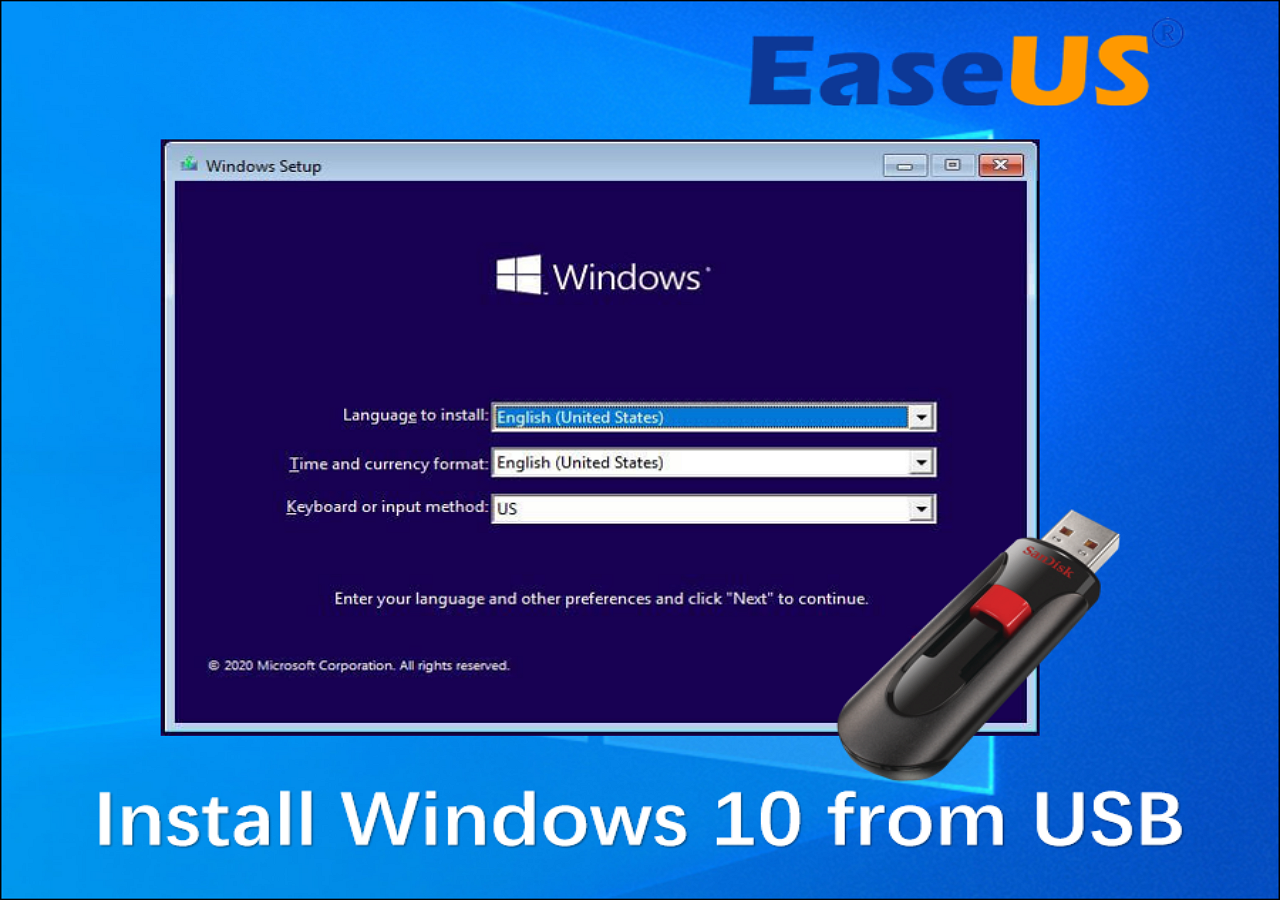
The core of this process involves creating a bootable USB drive containing the Windows installation files. This essentially turns a standard USB stick into a portable installer. We’ll cover the necessary tools and steps to achieve this, ensuring compatibility and a successful boot-up on your target computer. Beyond the technical execution, understanding why this method is preferred and the minimal prerequisites involved will also empower you to tackle this task with confidence.
Preparing Your Windows Installation USB Drive
Before you can begin installing Windows, you need to create a bootable USB drive. This is the crucial first step that transforms a generic USB stick into a powerful tool for OS deployment. This section will detail everything you need to gather and the steps to follow to ensure your USB drive is ready for action.
What You’ll Need: The Essential Toolkit
To embark on this journey of installing Windows from a USB drive, you’ll need a few key items:
- A USB Flash Drive: The size of your USB drive is critical. For most modern Windows installations (Windows 10 or Windows 11), an 8GB USB drive is the minimum requirement. However, it’s always a good idea to opt for a 16GB or larger drive to ensure ample space for the installation files and any potential updates or drivers that might be included. Ensure the USB drive is blank or that you don’t mind erasing its contents, as the process will format it.
- A Working Computer with Internet Access: You’ll need a functional computer to download the Windows Media Creation Tool and prepare the USB drive. This computer will serve as your staging ground before you move to the machine where you intend to install Windows.
- The Windows Media Creation Tool: This is a free utility provided by Microsoft specifically for downloading Windows installation files and creating bootable media. It’s the most straightforward and official way to get the necessary files onto your USB drive. We’ll discuss how to obtain and use this tool in the next subsection.
- A Stable Internet Connection: Downloading the Windows installation files can be a significant undertaking, often several gigabytes in size. A stable and reasonably fast internet connection will ensure the download process is smooth and doesn’t suffer from interruptions, which could lead to corrupted files.
- Your Windows Product Key (Optional but Recommended): While you can often install Windows without a product key and activate it later, having your product key handy can streamline the activation process once the installation is complete. If you’re reinstalling Windows on a machine that previously had it activated, the activation might be tied to your hardware and occur automatically.
Downloading the Windows Media Creation Tool and Creating the Bootable USB
The Microsoft Media Creation Tool is the cornerstone of creating your bootable USB. It automates the download of the correct Windows version and formats the USB drive appropriately. Here’s how to use it:
- Navigate to the Official Microsoft Download Page: Open a web browser on your working computer and search for “Download Windows 10” or “Download Windows 11” (depending on the version you intend to install). You should land on the official Microsoft website. For Windows 11, the page is usually titled “Download Windows 11.” For Windows 10, it’s typically “Download Windows 10 Disk Image (ISO File) or directly ‘Create Windows 10 installation media’.”
- Download the Media Creation Tool: On the download page, locate and click the button to download the Media Creation Tool. This will download an executable file (e.g.,
MediaCreationTool22H2.exefor Windows 10). - Run the Media Creation Tool: Once the download is complete, locate the downloaded file and double-click it to run the application. You may be prompted to grant administrator permissions.
- Accept the License Terms: Read through the Microsoft license terms and click “Accept” to proceed.
- Choose “Create installation media (USB flash drive, DVD, or ISO file) for another PC”: On the “What do you want to do?” screen, select this option. This is crucial for preparing the USB drive. Click “Next.”
- Select Language, Edition, and Architecture: The tool will usually suggest recommended options for your current PC. However, it’s important to ensure these are correct for the PC you intend to install Windows on. You can uncheck “Use the recommended options for this PC” to manually select:
- Language: Choose your preferred language for the Windows installation.
- Edition: Select the edition of Windows you have a license for (e.g., Windows 10 Home, Windows 10 Pro, Windows 11 Home, Windows 11 Pro).
- Architecture: Choose between 64-bit (x64) and 32-bit (x86). For most modern computers, 64-bit is the standard and recommended choice. If you’re unsure, check the system information of the target PC.
Click “Next.”
- Choose “USB flash drive”: On the “Choose which media to use” screen, select “USB flash drive.” Click “Next.”
- Select Your USB Drive: Connect your USB flash drive to the computer. The Media Creation Tool will list available removable drives. Select the correct USB drive from the list. Double-check that you have selected the correct drive, as all data on it will be erased. Click “Next.”
- The Tool Will Now Download and Create the Bootable USB: The tool will begin downloading the Windows installation files. This can take a considerable amount of time depending on your internet speed. Once the download is complete, it will automatically format the USB drive and copy the installation files, making it bootable. You will see progress indicators for each stage.
- Finish the Process: Once the process is complete, you’ll see a message stating “Your USB flash drive is ready.” Click “Finish.”
Your bootable Windows installation USB drive is now ready! You can safely eject it from your current computer.
Booting from the USB Drive to Start the Installation
With your bootable USB drive in hand, the next step is to configure the target computer to boot from it. This often involves accessing the computer’s BIOS/UEFI settings.
Accessing BIOS/UEFI and Setting the Boot Order
The BIOS (Basic Input/Output System) or UEFI (Unified Extensible Firmware Interface) is firmware that is embedded in your computer’s motherboard. It’s responsible for initializing your hardware during the boot process and handing over control to the operating system. Changing the boot order allows you to tell the computer to look for a bootable device other than your primary hard drive, in this case, your USB drive.

- Insert the Bootable USB Drive: Plug your prepared Windows installation USB drive into a USB port on the computer where you want to install Windows.
- Restart or Power On the Computer: Turn on the computer or restart it if it’s already running.
- Enter BIOS/UEFI Setup: As the computer starts to boot, you’ll need to press a specific key to enter the BIOS/UEFI setup utility. This key varies depending on the manufacturer of your computer or motherboard. Common keys include:
- Del (Delete)
- F2
- F10
- F12
- Esc
Look for a message on the screen during the initial boot-up sequence that says something like “Press [Key] to enter Setup” or “Press [Key] for Boot Menu.” If you miss it, you’ll have to restart and try again. Some newer laptops might have a dedicated button or a specific key combination.
- Navigate to the Boot Settings: Once you are in the BIOS/UEFI setup, you’ll need to find the boot-related settings. The exact location and wording will differ. Look for sections named:
- “Boot”
- “Boot Order”
- “Boot Sequence”
- “System Configuration” > “Boot Options”
- Change the Boot Order: Within the boot settings, you’ll see a list of devices the computer attempts to boot from. You need to move your USB drive to the top of this list. The method for reordering varies:
- Some BIOS/UEFI interfaces use arrow keys and the Enter key to select and move items.
- Others might use specific function keys (e.g., ‘+’ and ‘-‘ or ‘F5’/’F6’ to move items up or down).
- Look for on-screen instructions that guide you on how to change the order.
You’ll typically be looking for an entry that corresponds to your USB drive, often labeled by its brand name (e.g., “Kingston DataTraveler,” “SanDisk Cruzer”) or as “USB-HDD,” “Removable Device,” or something similar.
- Save Changes and Exit: After setting the USB drive as the primary boot device, you need to save your changes and exit the BIOS/UEFI setup. Look for an option like “Save and Exit,” “Exit Saving Changes,” or press the dedicated function key (often F10). Confirm that you want to save changes.
- Restart and Boot from USB: The computer will restart. If you’ve correctly set the boot order, it should now attempt to boot from your USB drive. You might see a message like “Press any key to boot from USB…” If you see this, press any key on your keyboard promptly to initiate the boot process from the USB.
If you successfully boot from the USB drive, you will be presented with the Windows Setup screen.
Installing Windows: Step-by-Step Guide
Once the computer has successfully booted from your USB drive, the Windows installation process will begin. This is where you’ll configure various settings for your new Windows installation.
The Windows Setup Wizard: Customizing Your Installation
The Windows Setup wizard is an intuitive interface designed to guide you through the installation process. Pay close attention to each step to ensure your system is configured as desired.
- Language, Time, and Keyboard Layout: The first screen will prompt you to select your preferred language, time and currency format, and keyboard or input method. Choose the options that suit you best. Click “Next.”
- Install Now: On the next screen, you’ll see a large “Install now” button. Click it to begin the installation.
- Product Key (Optional): You’ll be asked to enter your Windows product key.
- If you have it and want to enter it now, type it in and click “Next.”
- If you don’t have it or want to enter it later, click “I don’t have a product key.” Windows will still install, and you can activate it after the installation is complete.
- Select Operating System (If Applicable): If the USB drive contains multiple editions of Windows, you’ll be prompted to choose the edition you want to install (e.g., Windows 11 Pro, Windows 11 Home). Ensure you select the edition for which you have a license. Click “Next.”
- Accept License Terms: Read the Microsoft license terms carefully. You must accept them to proceed. Check the box that says “I accept the license terms” and click “Next.”
- Choose Installation Type: “Custom: Install Windows only (advanced)”: This is the most critical choice for a new installation or reinstallation. Select “Custom: Install Windows only (advanced).” Do not choose “Upgrade” unless you are specifically upgrading an existing Windows installation from within Windows itself, which is not the scenario when booting from USB.
- Partitioning Your Hard Drive: This is where you decide where and how Windows will be installed on your hard drive(s).
- If you are installing on a brand new, unformatted drive: You will see a list of “Unallocated Space.” Select this space and click “New.” You can then specify the size of the partition for Windows (usually the entire drive, unless you plan to create multiple partitions manually). Click “Apply.” Windows will automatically create necessary system partitions.
- If you are reinstalling Windows on a drive with existing partitions: You will see existing partitions listed.
- For a clean install: It’s highly recommended to delete all existing partitions related to the old Windows installation. Select each partition (especially the “Primary” one where Windows was previously installed) and click “Delete.” Be absolutely certain you are deleting the correct partitions, as this action is irreversible and will erase all data on them. Once all unwanted partitions are deleted, you will have “Unallocated Space.” Select this and click “New” to create a new partition for Windows.
- If you want to keep other partitions: Be careful not to delete them. Select the partition where you want to install Windows (usually the largest “Primary” partition if you’re not deleting everything), click “Format” to prepare it, and then click “Next.”
- After creating or selecting the partition for Windows, select it and click “Next.”
- Windows Installation Process: Windows will now begin copying files, installing features, and installing updates. This process will take some time, and your computer will restart several times automatically. Do not remove the USB drive during this process until prompted, or after the first restart when the computer is about to boot back into the Windows setup environment. Often, once the computer restarts after copying files, you can remove the USB drive, and it will continue booting from the hard drive. If it tries to boot from the USB again, you may need to quickly remove it or enter BIOS/UEFI again to reset the boot order.
- Out-of-Box Experience (OOBE): After the core installation is complete and the computer boots from the hard drive, you’ll enter the “Out-of-Box Experience” (OOBE). This is where you’ll configure Windows settings such as:
- Region and Keyboard Layout: Confirm these settings.
- Network Connection: Connect to your Wi-Fi network or plug in an Ethernet cable.
- Account Setup: You’ll be prompted to sign in with a Microsoft account or create a local account. For Windows 11 Home, a Microsoft account is generally required.
- Privacy Settings: Review and configure your privacy preferences.
- Cortana (if applicable): Set up or skip Cortana.
- Other settings: Depending on the Windows version, you might be asked about specific features or services.
Once you complete the OOBE, you’ll arrive at your new Windows desktop.
Post-Installation Steps: Drivers, Updates, and Software
Congratulations! You’ve successfully installed Windows from a USB drive. However, the process isn’t entirely finished. To ensure your system runs optimally and securely, there are a few crucial post-installation steps to take.
Installing Drivers and Windows Updates
Your newly installed Windows might be missing essential drivers for your hardware components (graphics card, sound card, network adapter, chipset, etc.). Installing these drivers ensures that your hardware functions correctly and performs at its best. Similarly, running Windows Update is vital for security and stability.
- Check for Windows Updates:
- Navigate to Settings (Windows key + I).
- Go to Update & Security (Windows 10) or Windows Update (Windows 11).
- Click “Check for updates.”
- Windows will scan for and download available updates, including driver updates from Microsoft. Install all available updates. This may require multiple restarts.
- Install Hardware Drivers:
- Motherboard Drivers: Visit the website of your motherboard manufacturer (e.g., ASUS, MSI, Gigabyte, ASRock) and download the latest drivers for your specific motherboard model. Pay close attention to drivers for the chipset, audio, network (LAN/Wi-Fi), USB controllers, and other integrated components.
- Graphics Card Drivers: If you have a dedicated graphics card (NVIDIA, AMD, Intel), visit the manufacturer’s website to download the latest drivers for your GPU model. This is crucial for gaming and graphics-intensive tasks.
- Other Peripherals: If you have any other specific hardware (e.g., printers, scanners, webcams) that isn’t functioning correctly, visit their respective manufacturer’s websites to download the latest drivers.
- Installation: Run the downloaded driver installers and follow the on-screen instructions. You will likely need to restart your computer after installing key drivers.
- Verify Device Manager:
- Right-click the Start button and select “Device Manager.”
- Look for any devices with a yellow exclamation mark, which indicates a driver issue. If you see any, revisit the driver installation process for those specific devices.
Installing Essential Software and Personalization
With your system drivers and updates in place, you can now personalize your Windows experience and install the software you need for productivity, entertainment, and more.
- Install Your Essential Applications:
- Web Browsers: Install your preferred web browser (Chrome, Firefox, Edge, etc.).
- Productivity Suites: Install Microsoft Office, Google Workspace apps, or alternatives.
- Communication Tools: Install messaging apps like Slack, Discord, or video conferencing tools like Zoom or Skype.
- Media Players: Install VLC Media Player or other preferred media software.
- Security Software: While Windows Defender is robust, you might opt for third-party antivirus or internet security suites.
- Personalize Your Desktop:
- Wallpaper and Theme: Set your favorite wallpaper and customize the Windows theme to your liking.
- Taskbar and Start Menu: Pin your most frequently used applications to the taskbar and organize your Start Menu.
- File Explorer Settings: Configure File Explorer to show hidden files, file extensions, and other useful options.
- Configure System Settings:
- Power Options: Adjust power settings to optimize battery life on laptops or performance on desktops.
- Display Settings: Set your preferred screen resolution, scaling, and refresh rate.
- Sound Settings: Ensure your audio output and input devices are correctly configured.
By following these post-installation steps, you’ll ensure your Windows installation is secure, functional, and tailored to your needs. This comprehensive process, from creating the bootable USB to fine-tuning your system, gives you full control over your computing environment.
aViewFromTheCave is a participant in the Amazon Services LLC Associates Program, an affiliate advertising program designed to provide a means for sites to earn advertising fees by advertising and linking to Amazon.com. Amazon, the Amazon logo, AmazonSupply, and the AmazonSupply logo are trademarks of Amazon.com, Inc. or its affiliates. As an Amazon Associate we earn affiliate commissions from qualifying purchases.