
SiriusXM operates a sophisticated, multi-platform digital audio delivery system, primarily recognized for its satellite radio service but significantly augmented by a robust internet streaming infrastructure. At its core, the technology combines advanced satellite communications with extensive terrestrial repeater networks and a modern IP-based streaming platform to provide subscribers with a seamless, high-fidelity audio experience across various devices and environments. Understanding its operational mechanics requires delving into the interplay of orbiting hardware, ground-based transmission, digital signal processing, and a vast software ecosystem.
The Satellite Radio Foundation: From Orbit to Antenna
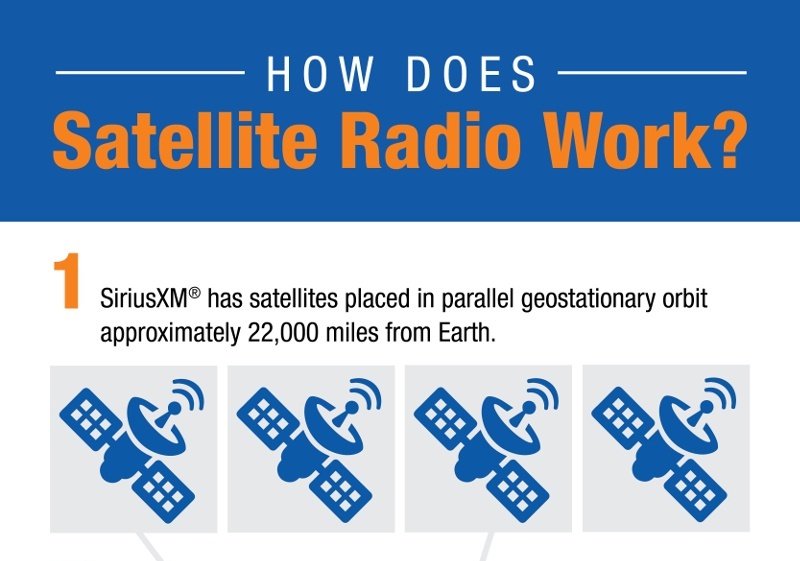
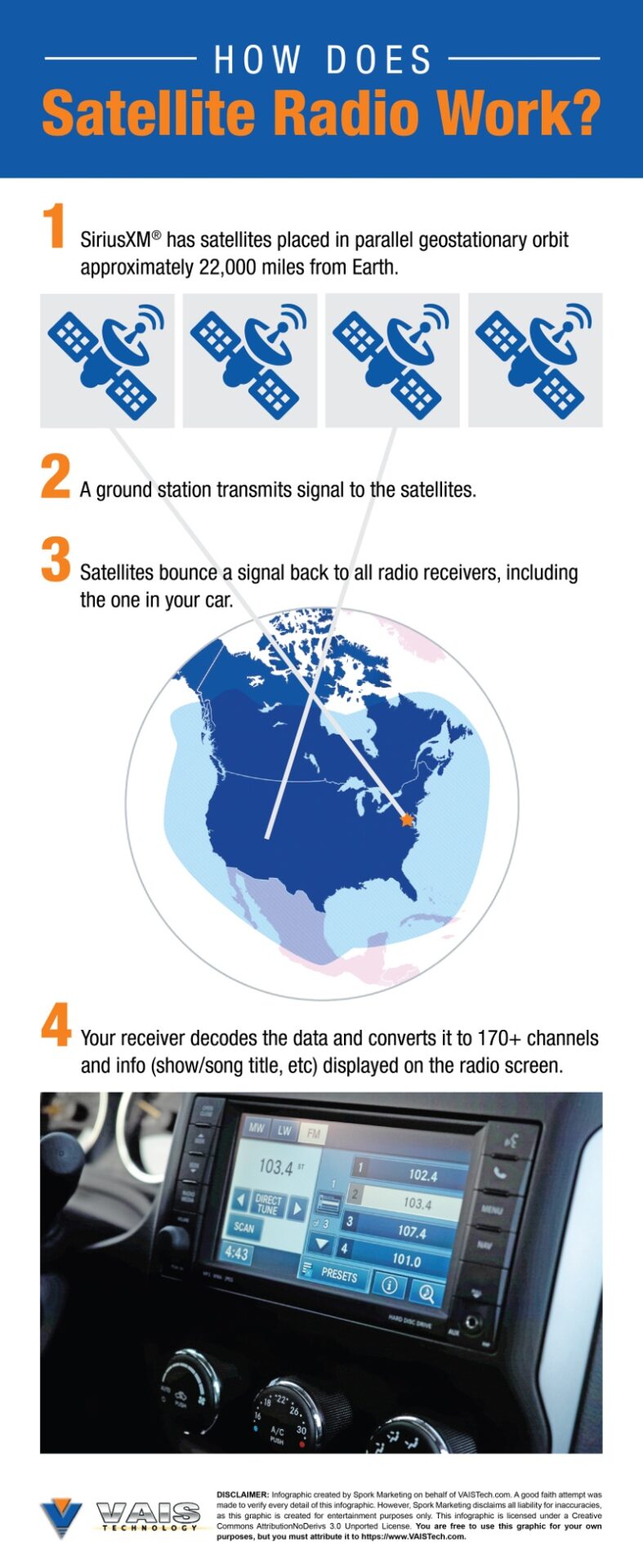
The genesis of SiriusXM’s original service lies in its proprietary satellite constellation. Unlike traditional terrestrial radio, which relies on local broadcast towers, SiriusXM employs a network of geosynchronous satellites positioned approximately 22,236 miles above the Earth’s equator. These satellites, specifically designed for digital audio broadcast, receive uplink signals from various ground-based content aggregation and broadcast centers. These centers prepare and encode vast amounts of audio content—music, talk shows, news, sports—into a digital data stream.
This digital stream is then modulated onto a radio frequency carrier, typically within the L-band spectrum (around 2.3 GHz), and beamed upwards to the satellites. Upon reception, the satellites retransmit these signals back down to Earth, covering a broad geographical footprint that spans the continental United States, Canada, and parts of the Caribbean. The use of L-band frequencies is crucial; it offers a balance between propagation characteristics (ability to penetrate foliage and light building materials) and bandwidth capacity for digital data.
SiriusXM utilizes advanced digital compression techniques, such as AC-3 or similar proprietary codecs, to efficiently pack multiple audio channels into the available satellite bandwidth. This allows for a significantly higher channel count compared to analog radio. When a subscriber’s receiver acquires the satellite signal, it must maintain a direct “line of sight” with one of the orbiting spacecraft to decode the transmission. The digital nature of the signal ensures superior audio quality compared to analog FM, with minimal static or interference, provided a strong signal lock is maintained. The system also incorporates forward error correction (FEC) coding to mitigate potential data loss due to atmospheric conditions or weak signal reception, enhancing signal integrity and reliability.
The Terrestrial Network: Augmenting Coverage and Capacity
While the satellite constellation provides extensive coverage, the line-of-sight requirement inherent in satellite communications poses challenges, particularly in dense urban environments, areas with significant terrain obstruction like mountains, or within tunnels and parking garages. To address these signal blockages and ensure uninterrupted service, SiriusXM developed and deployed a comprehensive terrestrial repeater network, also known as the Complementary Ground Component (CGC) network.
These ground-based repeaters are strategically located throughout metropolitan areas and other signal-challenged zones. They receive the satellite signals, amplify them, and then retransmit them locally. This effectively fills in the “gaps” where the satellite signal might be obscured. The integration of the terrestrial network with the satellite network is seamless from the user’s perspective. SiriusXM receivers are designed with sophisticated internal logic to dynamically switch between receiving a direct satellite signal and a terrestrial repeater signal without any audible interruption or user intervention. This dynamic handoff mechanism ensures continuous audio delivery, optimizing the listener’s experience, especially when driving through varied landscapes.
The repeaters utilize directional antennas and operate on the same L-band frequencies, or closely related ones, as the satellites, allowing receivers to process both sources interchangeably. This dual-source approach significantly enhances the robustness and reliability of the SiriusXM service, making it a truly mobile and pervasive broadcast solution beyond the capabilities of a standalone satellite system. The density and distribution of these terrestrial repeaters are critical engineering considerations, continuously refined to maintain optimal signal availability across the vast service area.
Streaming Services: The Digital Expansion
Recognizing the evolving landscape of media consumption and the proliferation of internet-connected devices, SiriusXM has significantly expanded its delivery mechanism beyond satellite and terrestrial repeaters to include a robust internet streaming platform. This digital expansion offers subscribers access to the same vast array of content, plus exclusive online-only channels, on-demand programming, and podcasts, through various web-enabled devices.
The streaming service operates much like any other major online audio platform. Audio content is stored in digital formats within cloud-based infrastructure and distributed via content delivery networks (CDNs). When a user accesses SiriusXM through its dedicated mobile apps, web player, or integrated smart devices, a connection is established with these servers. The platform utilizes adaptive bitrate streaming (ABS) technology. This means the audio quality automatically adjusts based on the user’s internet connection speed and stability, ensuring a consistent listening experience with minimal buffering. If bandwidth is plentiful, the system streams higher-fidelity audio; if bandwidth is limited, it scales down to maintain flow.
This internet-delivered content includes live broadcasts of satellite channels, allowing subscribers to listen even without a satellite receiver (e.g., on a smartphone, smart speaker, or computer). Furthermore, the streaming platform enables a richer interactive experience, offering features like personalized recommendations, the ability to pause, rewind, and restart live radio, and access to a vast library of on-demand content that is not time-restricted by linear satellite broadcast schedules. User authentication, handled through account login credentials, and digital rights management (DRM) protocols ensure that only authorized subscribers can access the streaming content, effectively extending the subscription model to the digital realm.
The Receiver Ecosystem: Bringing Audio to You
At the end of the signal chain, the SiriusXM receiver is the device responsible for acquiring, decoding, and converting the digital radio signals into audible sound. The ecosystem of receivers is diverse, catering to various user preferences and integration needs. The most common type is the OEM (Original Equipment Manufacturer) factory-installed unit, seamlessly integrated into vehicle infotainment systems by major automotive manufacturers. These units are designed to work harmoniously with the car’s electrical system, user interfaces, and audio components.
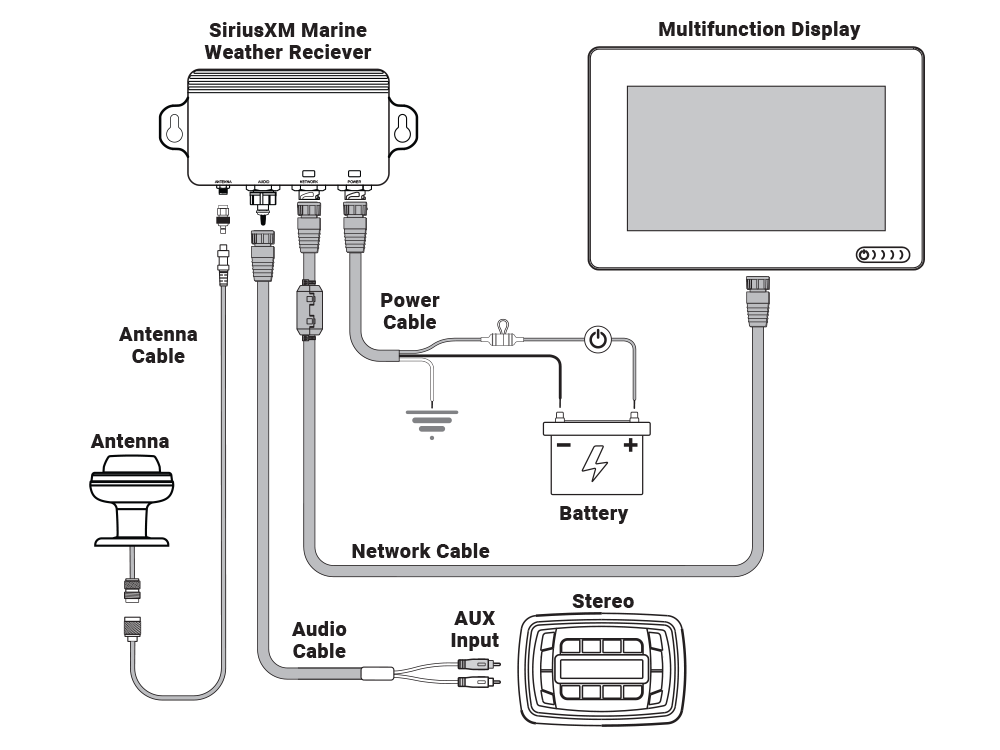
Beyond factory installations, a significant market exists for aftermarket receivers. These can be dash-mounted units that replace existing car stereos, portable “boombox” style radios, or plug-and-play devices that connect to a car’s auxiliary input. Each receiver type includes specialized antennas designed to capture the L-band satellite and terrestrial repeater signals effectively. These antennas are often discreetly placed on a vehicle’s roof or dashboard for optimal signal acquisition.
Once a signal is received, the receiver’s internal digital signal processor (DSP) and demodulator circuitry convert the complex radio frequency signal back into its original digital audio data. This digital data is then decompressed using the appropriate codecs (e.g., AC-3) and converted into analog audio, which is then sent to the vehicle’s speakers or headphones. A critical component of every SiriusXM receiver is its unique Electronic Serial Number (ESN) or Radio ID (RID). This identifier is transmitted to SiriusXM’s backend systems during the activation process. It allows the company to authorize and manage subscriptions, enabling or disabling access to specific channels based on the subscriber’s package. Modern receivers also display channel information, song titles, artist names, and other metadata transmitted alongside the audio, enhancing the user experience.
Under the Hood: Key Technologies and Infrastructure
The operational backbone of SiriusXM involves a complex interplay of advanced technologies and extensive infrastructure beyond just satellites and receivers. At the heart of content preparation are broadcast operations centers. These facilities are responsible for ingesting content from various providers, scheduling programming across hundreds of channels, managing vast libraries of digital audio assets, and generating real-time metadata (such as song titles, artists, and program descriptions). This content is then multiplexed—combined into a single data stream—and prepared for uplink to the satellites or distribution to the streaming platforms.
Sophisticated content management systems (CMS) and digital asset management (DAM) platforms are employed to handle the sheer volume and variety of audio programming. These systems ensure that the right content is available at the right time for both live broadcast and on-demand streaming. Data centers play a crucial role, housing the servers, storage, and networking equipment necessary for the streaming service, subscriber management, and operational analytics. These centers are designed for high availability and redundancy to ensure continuous service.
Network security is paramount, encompassing measures to protect the integrity of the broadcast signals, secure subscriber data, and enforce digital rights management to prevent unauthorized access to premium content. Encryption technologies are utilized throughout the delivery chain, from satellite uplink to streaming data packets, safeguarding content from interception and piracy. Furthermore, the ongoing evolution of audio codecs and transmission standards continues to drive improvements in sound fidelity and spectral efficiency, allowing SiriusXM to pack more content into its allocated bandwidth or deliver higher quality audio. This continuous technological refinement underscores SiriusXM’s commitment to maintaining its position as a leader in digital audio entertainment.
aViewFromTheCave is a participant in the Amazon Services LLC Associates Program, an affiliate advertising program designed to provide a means for sites to earn advertising fees by advertising and linking to Amazon.com. Amazon, the Amazon logo, AmazonSupply, and the AmazonSupply logo are trademarks of Amazon.com, Inc. or its affiliates. As an Amazon Associate we earn affiliate commissions from qualifying purchases.