
To ask “what is Apple Company” is to probe far beyond its dazzling array of products or its monumental market capitalization. At its core, Apple Inc. is a towering testament to the power of branding – a meticulously crafted corporate identity that has transcended mere electronics to become a cultural phenomenon, a symbol of innovation, and a byword for premium design and user experience. It is not just a technology firm; it is a philosophy, an aspiration, and a community built on a bedrock of strategic branding that has captivated generations worldwide.
From its humble beginnings in a garage to its current status as a global titan, Apple’s journey is a case study in how consistent vision, audacious marketing, and an unwavering commitment to design can transform a company into an enduring icon. Understanding “what Apple is” requires dissecting the intricate layers of its brand strategy, its unique corporate identity, and its unparalleled ability to forge deep, emotional connections with its audience.
The Genesis of an Icon: Forging Apple’s Enduring Identity
The foundation of Apple’s powerful brand identity was laid not by chance, but by a deliberate vision that set it apart from its contemporaries. Co-founders Steve Jobs and Steve Wozniak, particularly Jobs, harbored an innate understanding that technology, to be truly adopted, needed to be approachable, beautiful, and empowering. This philosophy became the bedrock upon which the Apple brand was built.
The Visionary Roots: Simplicity, Innovation, and the ‘Crazy Ones’
From its earliest days, Apple positioned itself as a challenger, a company that dared to “think different.” This ethos was immortalized in its iconic “Think Different” campaign, which celebrated rebels, innovators, and those who saw the world through a different lens. This wasn’t just a marketing slogan; it was a distillation of Apple’s self-perception and a direct invitation to its target audience to identify with a brand that championed creativity and non-conformity.
Apple’s brand identity was always anchored in simplicity and elegance. In an era of complex, intimidating technology, Apple sought to demystify computing, making it accessible and even desirable. This commitment to user-centric design and intuitive interfaces became a hallmark, fostering a perception of Apple as a brand that genuinely understood and cared for its users’ experiences. The brand promised not just a product, but a solution, an enhancement to one’s life that was both sophisticated and effortless.
Design as a Brand Pillar: Form, Function, and User Experience
Perhaps no other company has elevated industrial design to such a pivotal role in its brand strategy as Apple. From the smooth curves of the original Macintosh to the sleek unibody construction of modern MacBooks and the minimalist aesthetic of the iPhone, design is not merely an afterthought but an intrinsic component of Apple’s corporate identity. Jony Ive, Apple’s former chief design officer, famously championed the idea that design should be about “how it works and how it feels.”
This focus on aesthetic purity and functional elegance communicates several key brand messages: quality, sophistication, and a meticulous attention to detail. Every element, from the seamless integration of hardware and software to the tactile feedback of a button press, is designed to create a cohesive and delightful user experience. This design-led approach has not only created visually stunning products but has also established Apple as a leader in industrial design, influencing countless other brands across industries. It signals a premium offering, justifying higher price points and fostering a sense of pride among its users. The physical product itself becomes a tangible representation of the brand’s core values.
From Niche to Mainstream: Democratizing Technology Through Identity
Initially a brand for computer enthusiasts and creative professionals, Apple strategically broadened its appeal by focusing on the emotional and aspirational aspects of its products. The iPod, with its revolutionary user interface and iconic white earbuds, transformed portable music from a utility into a lifestyle statement. The iPhone then redefined personal communication, not merely as a device, but as an extension of one’s identity.
Apple’s branding consistently communicated that its technology was not just for experts but for everyone who valued creativity, simplicity, and connection. By simplifying complex technology and presenting it with an approachable, friendly, yet sophisticated brand image, Apple successfully moved from a niche player to a global mainstream phenomenon. The brand positioned itself as an enabler of personal potential, making its products feel essential rather than just desirable.
The Art of Persuasion: Apple’s Unparalleled Marketing and Storytelling
Apple’s brand success is inextricably linked to its mastery of marketing and storytelling. The company doesn’t just advertise products; it crafts narratives that resonate deeply with human emotions and aspirations. This approach has allowed Apple to build a brand presence that is both ubiquitous and deeply personal.
Iconic Campaigns: Crafting Desire and Distinction
Apple’s advertising campaigns are legendary for their creativity, impact, and ability to shift cultural perceptions. The “1984” Super Bowl commercial for the Macintosh didn’t just introduce a computer; it presented Apple as a liberator from corporate conformity. The “Silhouette” campaign for the iPod didn’t showcase features; it celebrated the joy and freedom of music. More recently, campaigns for the iPhone highlight how the device empowers users to create, connect, and capture their lives, focusing on the benefit to the user rather than just technical specifications.
These campaigns consistently employ minimalist visuals, powerful emotional appeals, and concise, memorable taglines. They don’t just sell products; they sell experiences, identities, and a sense of belonging to an exclusive, forward-thinking club. This distinctive marketing voice has created an unmistakable brand signature that is instantly recognizable and deeply impactful. Apple’s marketing strategy is about creating desire, not just informing about availability.
The Product Launch as a Spectacle: Building Anticipation and Hype
Few companies can rival Apple’s ability to turn a product announcement into a global cultural event. The “Apple Event” is not merely a press conference; it is a meticulously choreographed performance, a spectacle designed to generate immense anticipation and global media coverage. Steve Jobs, and later Tim Cook, mastered the art of the keynote presentation, unveiling new products with a blend of showmanship, narrative, and dramatic reveal.
This strategic use of product launches transforms new releases from commercial transactions into communal experiences. The secrecy leading up to an event, the carefully leaked rumors, and the grand reveal all contribute to a sense of exclusivity and excitement. This ritualistic approach to product introduction is a powerful branding tool, reinforcing Apple’s image as an innovator, a trendsetter, and a company that consistently delivers “magical” new experiences. It builds collective consciousness and makes every new product a significant moment.
Emotional Resonance: Selling Dreams, Not Just Devices

At the heart of Apple’s marketing prowess is its ability to tap into fundamental human emotions. Its campaigns often focus on how Apple products enable creativity, foster connection, enhance productivity, and bring joy. The brand sells the feeling of being innovative, creative, or sophisticated, rather than just the technical specifications of a device. For example, iPhone photography campaigns don’t dwell on megapixels but rather on the beautiful moments people capture.
This emotional branding cultivates a deep loyalty that goes beyond functional utility. Consumers don’t just buy an iPhone; they invest in the Apple ecosystem, the lifestyle it represents, and the identity it helps them project. This profound emotional connection is a cornerstone of Apple’s brand equity, making its customers fiercely loyal and willing to advocate for the brand. It transforms customers into believers.
The Ecosystem of Loyalty: Cultivating an Unbreakable Brand Community
Apple’s brand strength is not just in its initial allure but in its ability to retain customers and foster an almost cult-like following. This loyalty is engineered through a cohesive ecosystem, unparalleled retail experiences, and a deliberate effort to turn customers into active brand advocates.
Seamless Experience: The Power of Integration and Interconnectivity
The Apple ecosystem is a powerful branding tool that encourages users to commit entirely to the brand. Devices like the iPhone, iPad, Mac, Apple Watch, and AirPods are designed to work together seamlessly, sharing data, notifications, and functionalities. This integration creates a compelling value proposition: once you own one Apple product, the benefits of owning more become increasingly apparent. This interconnectivity fosters convenience, boosts productivity, and enhances user satisfaction, making it difficult and less appealing for users to switch to competing platforms.
This “walled garden” approach, while sometimes criticized, is a strategic brand play. It enhances the perceived value of each individual product by making it part of a larger, more efficient whole. It cultivates a sense of effortless modernity and superior quality that reinforces the overall brand promise of a premium, integrated experience.
The Retail Experience: Extending the Brand Beyond the Product
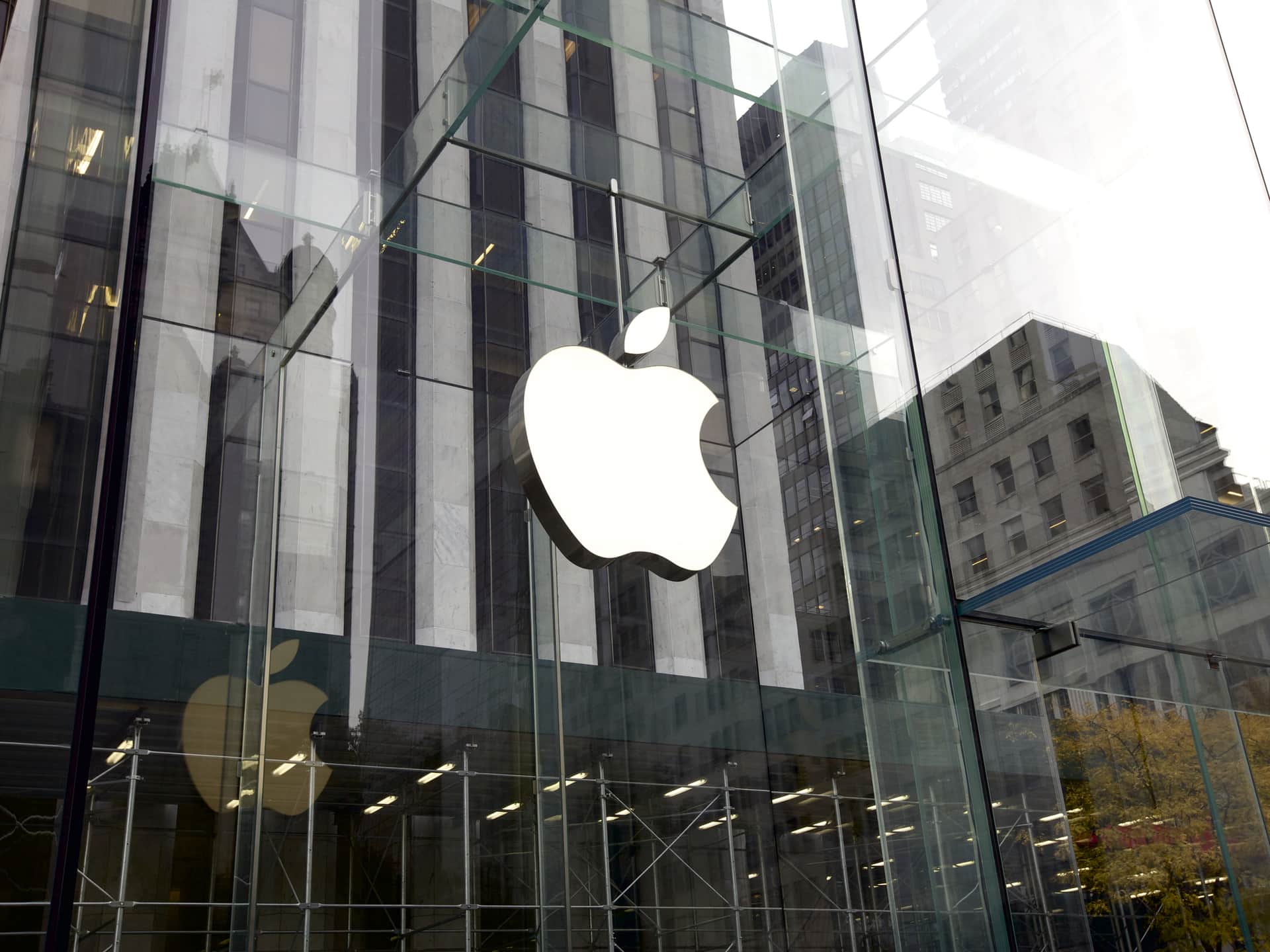
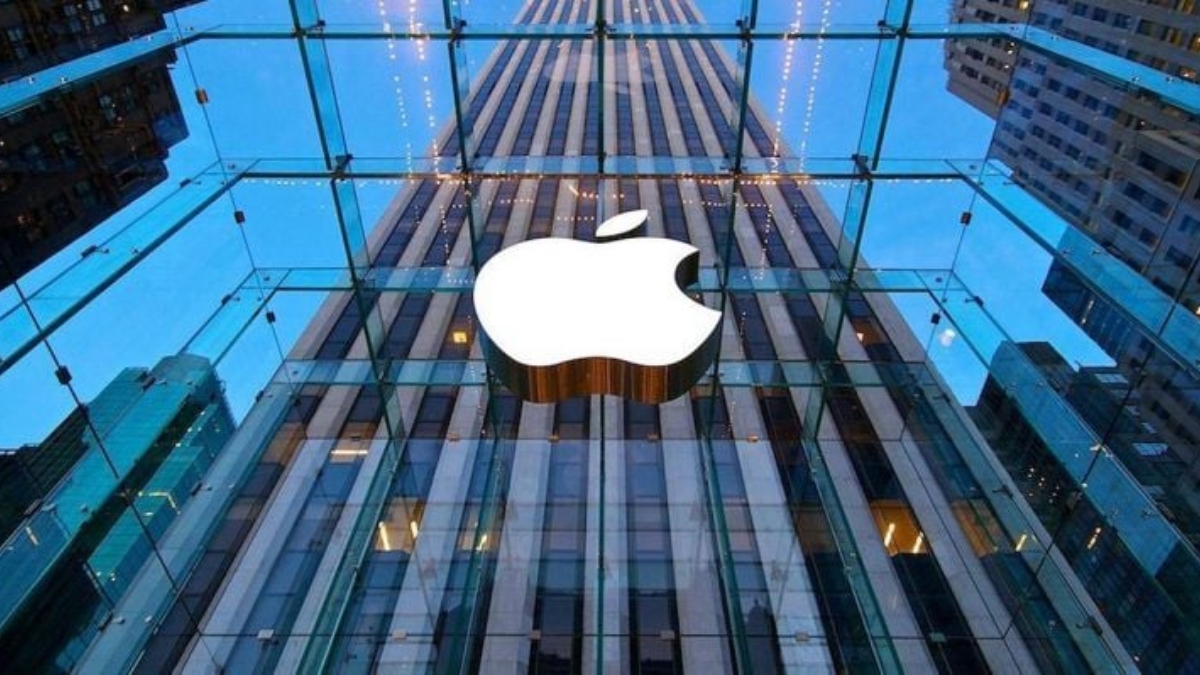
Apple Stores are more than just points of sale; they are physical manifestations of the Apple brand. Designed with the same minimalist elegance and user-centric philosophy as their products, these stores offer an immersive brand experience. They are brightly lit, spacious, and staffed by knowledgeable, friendly “Geniuses” who prioritize assistance and education over aggressive sales tactics.
The stores encourage exploration, hands-on interaction with products, and a sense of community. Workshops, support sessions, and creative spaces make the Apple Store a destination, fostering a deeper connection between customers and the brand. This carefully curated retail environment extends the brand’s promise of quality, simplicity, and superior service, turning a transactional moment into a lasting impression. It’s a key touchpoint where the brand ethos comes to life.
Cult Following: Turning Customers into Brand Advocates
Perhaps the ultimate achievement of Apple’s branding is its ability to transform customers into enthusiastic brand advocates. Apple users often display fierce loyalty, defending the brand, eagerly anticipating new releases, and recommending products to friends and family. This word-of-mouth marketing is invaluable, driven by a deep sense of satisfaction and identification with the brand’s values.
Apple cultivates this advocacy by delivering consistent quality, exceptional user experiences, and by fostering a sense of belonging among its users. The “Apple user” identity has become a badge of honor for many, signaling a preference for quality, innovation, and a certain lifestyle. This loyal community acts as a powerful, organic marketing force, amplifying Apple’s brand message across the globe.
The Evolution of Excellence: Sustaining a Global Brand Legacy
Maintaining a brand’s relevance and prestige over decades, especially in the fast-paced technology sector, is an immense challenge. Apple’s continued success is a testament to its adaptive branding strategies and its ability to evolve while staying true to its core identity.
Adapting and Innovating: Brand Resilience in a Dynamic Market
Apple’s brand is not static; it continually adapts to new technological paradigms and shifting consumer expectations. While the core tenets of simplicity, design, and user experience remain constant, the brand strategically expands into new categories (e.g., wearables with Apple Watch, services with Apple Music and Apple TV+) and refines its messaging to remain contemporary. This continuous innovation, both in products and in how the brand communicates its value, ensures its enduring appeal.
The brand’s resilience is also demonstrated in its ability to navigate challenges, from supply chain issues to competitive pressures. By consistently reaffirming its commitment to quality and innovation, Apple reinforces its brand promise and maintains customer trust, even amidst adversity.
Corporate Social Responsibility: Aligning Values with Global Impact
In an increasingly conscious global market, a brand’s values and ethical stance play a critical role in its corporate identity. Apple has increasingly focused on sustainability, privacy, and social justice as integral parts of its brand narrative. Its commitment to using 100% renewable energy for its operations, its robust privacy features, and its diversity and inclusion initiatives are not just corporate policies; they are powerful brand statements.
By aligning its brand with these important societal values, Apple enhances its reputation, appeals to a younger, more ethically minded consumer base, and reinforces its image as a responsible global citizen. This strategic integration of CSR into its brand identity helps secure its relevance and positive perception for future generations.
The Future of Apple’s Brand: Navigating New Frontiers
As Apple looks to the future, its brand continues to be its most valuable asset. The company is exploring new frontiers like augmented reality (AR), virtual reality (VR), and potentially autonomous vehicles. The challenge will be to extend its established brand values of simplicity, elegance, and user-friendliness into these nascent technologies.
“What is Apple Company” will continue to evolve, but its essence as a master brand builder seems immutable. It is a company that has proven that a meticulously crafted identity, backed by consistent quality and audacious vision, can create a legacy that transcends products and permeates culture. Apple is not just a company that makes things; it is a company that has, through its branding, redefined what technology can mean to the human experience. It is, ultimately, a narrative of aspiration, design, and connection, brilliantly told and globally recognized.
aViewFromTheCave is a participant in the Amazon Services LLC Associates Program, an affiliate advertising program designed to provide a means for sites to earn advertising fees by advertising and linking to Amazon.com. Amazon, the Amazon logo, AmazonSupply, and the AmazonSupply logo are trademarks of Amazon.com, Inc. or its affiliates. As an Amazon Associate we earn affiliate commissions from qualifying purchases.