
For centuries, silver coins have been more than just a medium of exchange; they have been tangible representations of wealth, power, and history. From ancient empires to modern investment portfolios, the allure of silver in coinage remains undiminished. Understanding “what coins are made of silver” is not merely a historical curiosity; it’s a vital piece of knowledge for anyone interested in personal finance, investing in precious metals, or appreciating the intrinsic value that extends far beyond a coin’s stamped denomination. This article delves into the fascinating world of silver coinage, exploring its historical significance, practical identification, and its role as a contemporary financial asset, firmly situating it within the broader landscape of tangible wealth and investment strategy.
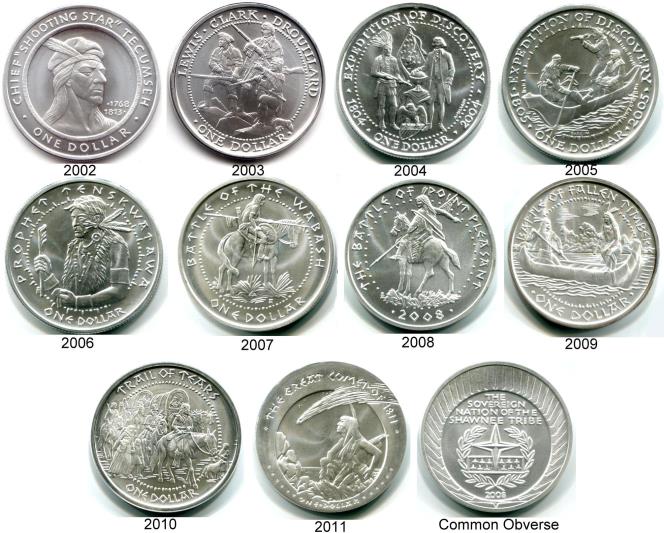
The Enduring Legacy: Historical Significance of Silver in Coinage
The story of silver in coins is inextricably linked with the evolution of economic systems and the very concept of money. For millennia, its unique properties – malleability, resistance to corrosion, and relative scarcity – made it an ideal material for crafting durable and trustworthy currency. Its reflective luster also added an aesthetic appeal, contributing to its perceived value.
Ancient Civilizations and the Dawn of Monetary Systems
The earliest known coins emerged in Lydia (modern-day Turkey) around 600 BCE, often made from electrum, a natural alloy of gold and silver. However, it wasn’t long before pure silver coins, such as the famous Athenian Tetradrachm, became a dominant force in ancient economies. These coins, featuring the owl of Athena, facilitated trade across vast empires and symbolized the economic prowess of their issuers. The Roman Empire, too, relied heavily on silver coinage, with denarii and sestertii forming the backbone of its vast economic network. The consistent use of silver allowed for a stable and widely accepted currency, crucial for sustaining commerce and military expansion. This era cemented silver’s role as a cornerstone of financial stability, with its inherent value preventing rampant inflation that could easily plague a fiat system without backing.
Silver Standards and the Path to Modern Money
Throughout the Middle Ages and into the early modern period, various silver standards dominated European economies. Countries like England with its Sterling Silver standard (92.5% silver) demonstrated the widespread trust in silver as a reliable measure of wealth. The discovery of vast silver deposits in the New World, particularly in Mexico and Peru, flooded Europe with precious metal, fueling the growth of international trade and leading to the adoption of bimetallism in many nations—a monetary system based on both gold and silver. For centuries, the relative value of silver to gold dictated global commerce, influencing exchange rates and national treasuries. Even the United States initially operated on a bimetallic standard, issuing both silver dollars and gold eagles, reflecting the dual importance of these metals in establishing economic trust and stability for a burgeoning nation.
The Retreat of Silver from Circulating Currency
The 20th century marked a significant turning point for silver in circulating coinage. The advent of two World Wars and subsequent economic pressures led governments worldwide to debase their currencies, gradually reducing or entirely eliminating silver content to save costs and free up the metal for industrial uses. In the United States, for example, the Coinage Act of 1965 removed silver from dimes and quarters and reduced it to 40% in half-dollars, effectively ending the era of circulating silver coinage for everyday transactions. This shift from intrinsic value (backed by precious metal) to fiat currency (backed by government decree) fundamentally altered the nature of money. While modern coins are predominantly made of base metals like copper and nickel, the memory and physical legacy of silver coins continue to resonate, reminding us of a time when the metal in your pocket held true, meltable value.
Identifying Silver Coins: A Practical Guide for Collectors and Investors
For those looking to explore the world of silver coins, whether for collection or investment, the first step is knowing how to identify them. While a coin’s appearance might suggest it’s silver, its actual metallic composition is key to determining its true value, which often far exceeds its face value.
Key Dates and Mint Marks: Decoding Circulating Silver
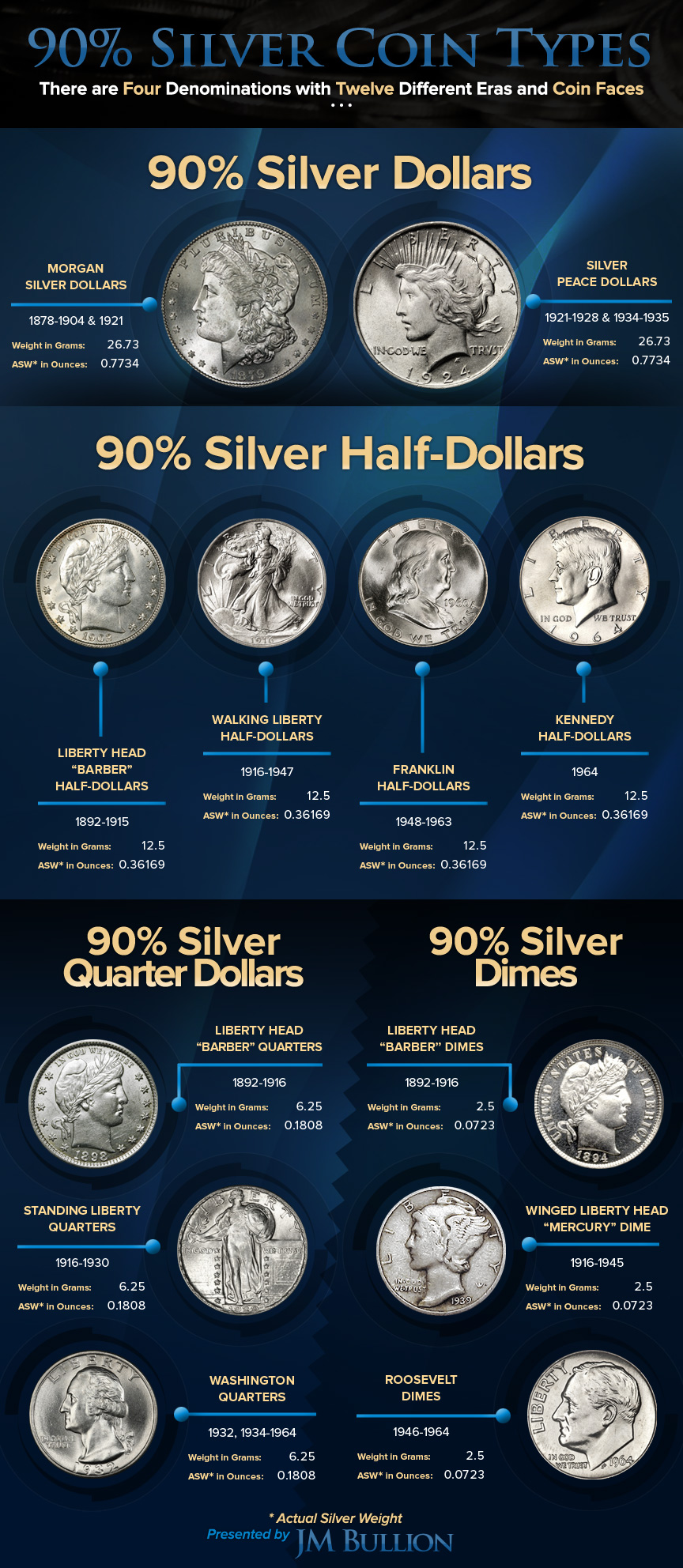
In many countries, certain periods saw the widespread use of silver in common coinage. For U.S. coins, the general rule of thumb is that dimes, quarters, and half-dollars minted before 1965 are composed of 90% silver. Kennedy half-dollars minted between 1965 and 1970 are an exception, containing 40% silver. Beyond these common examples, one can also find silver dollars like the Morgan and Peace dollars, which were 90% silver. To identify these, one must carefully check the date. Mint marks (small letters indicating where the coin was struck, e.g., ‘D’ for Denver, ‘S’ for San Francisco, ‘P’ for Philadelphia) are also crucial for rare varieties but don’t typically affect the silver content itself for these common pre-1965 coins. Understanding these specific cut-off dates is fundamental, as a 1964 quarter is significantly different in material value from a 1965 quarter, despite looking almost identical to the untrained eye.
Understanding Purity Levels: Sterling, Bullion, and Alloyed Silver
Silver content is usually expressed as a fineness or purity level.
- Sterling Silver (.925 fine): This means the alloy is 92.5% silver and 7.5% other metals (usually copper). It’s historically popular for silverware, jewelry, and some commemorative coins due to its durability and luster.
- 90% Silver (.900 fine): Most U.S. dimes, quarters, and half-dollars minted before 1965 fall into this category. The remaining 10% is typically copper, which hardens the coin for circulation.
- 40% Silver (.400 fine): This specific blend was used in U.S. Kennedy half-dollars from 1965-1970 and some Eisenhower dollars from 1971-1974. It represents a transitional phase away from pure silver coinage.
- Fine Silver (.999 or .9999 fine): This denotes nearly pure silver. Modern silver bullion coins, rounds, and bars, such as the American Silver Eagle, Canadian Silver Maple Leaf, and Austrian Silver Philharmonic, are typically minted from .999 or even .9999 fine silver, making them primarily valued for their silver content rather than numismatic rarity. Understanding these distinctions is crucial for accurately valuing silver coins, as their intrinsic metallic worth directly correlates with their silver purity and weight.
Methods for Authentication: Verifying Your Finds
While checking dates and mint marks is a good start, authenticating a coin’s silver content often requires more definitive tests, especially when dealing with potentially valuable items.
- Magnet Test: Silver is not magnetic. If a coin sticks strongly to a magnet, it is not silver. This is a quick and easy first check to rule out many fakes.
- Ring Test: Dropping a silver coin onto a hard surface (like a wooden table or another coin) often produces a distinctive, high-pitched “ping” or “ring” sound, unlike the dull thud of base metals. This requires some practice to distinguish but can be quite effective.
- Specific Gravity Test: This involves precisely weighing the coin in air and then submerged in water to calculate its density. Silver has a specific gravity of approximately 10.49. This is a more scientific and accurate method but requires equipment and careful execution.
- Acid Test (Use with Extreme Caution): This involves applying a small drop of nitric acid to a tiny, inconspicuous scratch on the coin. The color reaction indicates the metal content. This test is destructive and should only be performed by experienced individuals, as it can damage the coin and pose chemical hazards. For most investors and collectors, relying on reputable dealers and the first three non-destructive methods is safer and sufficient.
Silver Coins as an Investment: Beyond Face Value
The appeal of silver coins extends far beyond their historical charm; they represent a tangible asset that can play a significant role in a diversified investment portfolio. Unlike paper money, silver has inherent value, making it an attractive hedge against inflation and economic uncertainty.
Numismatic Value vs. Bullion Value: Differentiating Worth
When evaluating a silver coin, it’s critical to understand the difference between its numismatic value and its bullion value.
- Bullion Value (Melt Value): This is the value of the coin’s silver content based on the current spot price of silver. For common silver coins, especially those without significant rarity or exceptional condition, the bullion value often constitutes the majority of their worth. This applies to “junk silver” (pre-1965 U.S. coinage) or standard silver rounds and bars.
- Numismatic Value (Collector’s Value): This refers to the value a coin holds due to its rarity, historical significance, condition (grade), mint mark, errors, and demand among collectors. A rare date, a low mintage, or a perfectly preserved coin can command a price far exceeding its melt value. For example, a 1909-S VDB Lincoln Cent, despite being copper, is extremely valuable due to its rarity. Similarly, a proof silver coin in pristine condition might fetch many times its silver content. Savvy investors learn to identify which coins are primarily valued for their silver content and which offer additional potential due to their numismatic appeal.
Types of Silver Coin Investments: Diverse Avenues
The market for silver coin investments offers a range of options catering to different goals and risk appetites.
- “Junk Silver”: This term refers to pre-1965 U.S. silver coinage (dimes, quarters, half-dollars, and silver dollars) that is primarily valued for its melt value rather than numismatic rarity. It’s an accessible way for investors to acquire fractional silver units close to the spot price.
- Sovereign Bullion Coins: These are government-issued coins with a guaranteed fineness and weight, recognized globally. Examples include the American Silver Eagle, Canadian Silver Maple Leaf, Austrian Silver Philharmonic, and British Silver Britannia. They are typically .999 or .9999 fine silver and are popular for their liquidity, trust factor, and often lower premiums compared to numismatic items. They represent a straightforward way to invest directly in physical silver.
- Commemorative and Collectible Coins: These are often minted in limited quantities, sometimes with special designs or finishes (like proof or uncirculated). While they contain silver, their value is heavily influenced by their collector demand, scarcity, and condition, making them a hybrid investment that blends bullion and numismatic appeal. Examples include U.S. Commemorative Silver Dollars or unique mint issues from various countries.
Advantages and Disadvantages of Investing in Silver Coins
Like any investment, silver coins come with their own set of pros and cons that investors should consider.
Advantages:
- Tangible Asset: Silver coins offer a sense of security as a physical asset, immune to cyberattacks or bank failures.
- Inflation Hedge: Historically, silver has performed well during periods of high inflation, preserving purchasing power.
- Diversification: Adding precious metals like silver to a portfolio can reduce overall risk, as they often move independently of stocks and bonds.
- Global Demand: Silver has industrial demand (electronics, solar panels, medical uses) in addition to investment demand, providing fundamental support for its price.
- Liquidity: Bullion coins, especially major sovereign issues, are highly liquid and can be easily bought and sold worldwide.
Disadvantages:
- Storage Costs: Physical silver requires secure storage, which can incur costs (e.g., safe deposit boxes, home safes).
- Insurance: Protecting against theft or loss necessitates insurance, adding to expenses.
- Premiums: Investors typically pay a premium over the spot price of silver when buying coins, and sell at a discount, impacting profit margins.
- Volatility: While often seen as stable, silver’s price can be volatile, experiencing significant fluctuations.
- Not Income-Generating: Unlike stocks or bonds, silver coins do not pay dividends or interest.
Navigating the Market for Silver Coins
Successfully investing in silver coins requires an understanding of market dynamics, where to transact, and how to protect your assets. The right approach can optimize your returns and ensure the security of your precious metal holdings.
Where to Buy and Sell: Reputable Channels
The marketplace for silver coins is diverse, offering various avenues for both acquisition and divestment.
- Reputable Dealers: Local coin shops and established online bullion dealers (e.g., JM Bullion, APMEX, SD Bullion) are often the safest bet. They offer authenticated products, transparent pricing, and professional advice. Always check reviews and accreditations.
- Online Marketplaces: Platforms like eBay can offer good deals, but they also carry higher risks of counterfeits or misrepresentation. Exercise extreme caution, verify seller reputation, and ensure authenticity.
- Auction Houses: For rare or high-value numismatic coins, specialized auction houses (e.g., Heritage Auctions, Stack’s Bowers Galleries) provide access to expert appraisals and a wide array of collectors.
- Coin Shows and Expos: These events offer opportunities to see coins in person, negotiate prices, and network with dealers and collectors. They are excellent for learning and building relationships. Regardless of the channel, prioritize trust and verification to avoid costly mistakes.
Understanding Premiums and Spreads: The Real Cost of Silver
When you buy a silver coin, you almost always pay more than the current spot price of silver, and when you sell, you typically receive less. This difference is known as the premium (when buying) and the spread (the difference between buying and selling prices).
- Premiums: These cover the costs of minting, distribution, dealer overhead, and profit margins. Premiums tend to be higher for smaller denominations, proof coins, and highly sought-after sovereign bullion coins due to their brand recognition and liquidity. During periods of high demand or low supply, premiums can also increase significantly.
- Spreads: Dealers need to buy low and sell high to maintain their business. The spread is the margin they make. It’s crucial for investors to factor premiums and spreads into their calculations, as they directly impact the break-even point and overall profitability of a silver investment. Comparing prices from multiple dealers can help minimize these costs.
Storage and Insurance: Protecting Your Physical Wealth
Once you acquire silver coins, securing them becomes paramount.
- Home Storage: For smaller quantities, a robust, fire-resistant home safe can be an option. However, ensure it’s not easily portable and consider its concealment.
- Safe Deposit Boxes: Banks offer safe deposit boxes, which provide a secure off-site storage solution, though access is limited to banking hours.
- Third-Party Vault Storage: Specialized precious metals depositories (e.g., Brinks, Delaware Depository) offer highly secure, insured, and audited storage, often preferred for larger investments. These services usually involve fees but provide peace of mind and professional management.
- Insurance: Regardless of the storage method, insurance is vital. Homeowner’s policies may cover some precious metals, but often with limitations. For significant holdings, a separate policy specifically for precious metals is recommended to protect against theft, loss, or damage. Proper documentation and regular appraisals are key to effective insurance coverage.
Conclusion: Silver Coins – A Timeless Asset in a Modern Portfolio
The journey through the world of silver coins reveals a fascinating interplay of history, economics, and personal finance. From their foundational role in ancient monetary systems to their current status as a tangible investment, silver coins continue to capture the imagination and serve as a reliable store of wealth. Understanding “what coins are made of silver” is more than just identifying precious metal; it’s about appreciating their intrinsic value, navigating the nuances of the market, and recognizing their potential to diversify a financial portfolio. Whether you are a budding numismatist, a seasoned investor seeking a hedge against uncertainty, or simply curious about the physical embodiment of value, silver coins offer a unique blend of historical narrative and financial resilience, proving that some assets truly stand the test of time. In an increasingly digital world, the enduring appeal of a cold, gleaming piece of silver in your hand remains a powerful testament to its lasting financial significance.
aViewFromTheCave is a participant in the Amazon Services LLC Associates Program, an affiliate advertising program designed to provide a means for sites to earn advertising fees by advertising and linking to Amazon.com. Amazon, the Amazon logo, AmazonSupply, and the AmazonSupply logo are trademarks of Amazon.com, Inc. or its affiliates. As an Amazon Associate we earn affiliate commissions from qualifying purchases.