
The allure of a “free flight” is a powerful motivator for travelers worldwide. The promise of exploring new destinations without the direct burden of airfare costs drives millions to participate in airline loyalty programs. American Airlines’ AAdvantage program stands as one of the largest and most established, offering members the opportunity to earn miles through various activities and redeem them for flights, upgrades, and other travel benefits. However, the seemingly simple question, “How many miles on American Airlines for a free flight?” belies a complex and dynamic answer that requires strategic understanding of personal finance and savvy travel hacking. This article delves into the intricacies of the AAdvantage program, guiding you through the process of earning, redeeming, and ultimately maximizing the value of your miles for optimal financial benefit.
Understanding AAdvantage Miles and Redemption Basics
At its core, the AAdvantage program is a financial tool, where miles act as a form of currency. Unlike traditional currency, its value fluctuates and is subject to the airline’s dynamic pricing strategies. Grasping these fundamentals is the first step toward successful redemption.
The Dynamic Nature of Award Pricing
Gone are the days when a simple, fixed award chart dictated the mileage cost for every flight. While American Airlines once relied heavily on a zone-based award chart, a significant portion of its inventory, especially for domestic and short-haul international flights, now operates under a dynamic pricing model. This means the number of miles required for a particular flight can vary significantly based on factors like demand, time of booking, route popularity, and even the specific day of the week.
American Airlines often refers to these dynamically priced awards as “Web Special” awards, which can sometimes offer exceptional value (very low mileage costs) but are generally non-changeable. This flexibility, or lack thereof, is a key consideration when evaluating the financial commitment. For travelers, this dynamic pricing means that being flexible with travel dates and times can lead to substantial savings in miles, effectively stretching your loyalty currency further. It’s akin to shopping for flight deals with cash; you often find better rates during off-peak seasons or for midweek travel.
Regional and International Award Charts: Where Fixed Values Still Exist
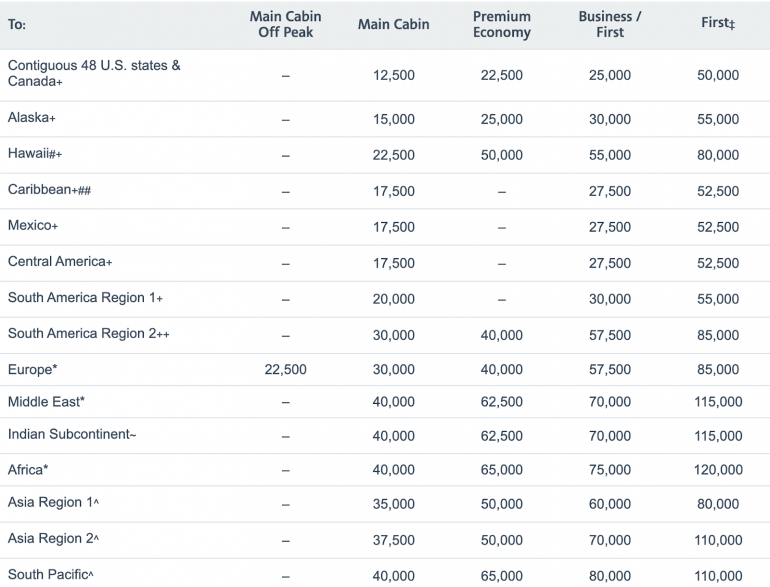
While dynamic pricing dominates many routes, American Airlines still utilizes a somewhat fixed award chart for specific international regions and for flights operated by its Oneworld alliance partners (e.g., British Airways, Cathay Pacific, Japan Airlines). These charts provide a more predictable framework, allowing members to plan for aspirational redemptions like business or first-class travel to distant continents.
For example, an economy class flight to Europe might start from 30,000 miles one-way, while a business class ticket could be 57,500 miles or more, depending on the specific destination zone. Similarly, flights within certain regions, or even short-haul domestic flights, might have a published “saver” level. Understanding these remaining fixed points is crucial for identifying “sweet spots” where your miles can yield exceptional value, often far exceeding their cash equivalent. This financial foresight allows you to accumulate the precise number of miles needed for a dream trip, rather than guessing.
Factors Influencing Mile Cost
The cost in miles for a free flight is influenced by several critical factors, directly impacting the financial decision of when and how to redeem:
- Time of Booking: Generally, booking further in advance (especially for popular routes and premium cabins) provides better availability and often lower mileage rates. Last-minute redemptions can be expensive due to limited inventory.
- Demand and Route Popularity: High-demand routes, such as those to major business centers or popular vacation spots during peak season, will almost always command higher mileage costs, mirroring cash ticket prices.
- Class of Service: Economy class will always be the cheapest in terms of miles, followed by premium economy, business class, and first class. The value proposition often increases disproportionately in premium cabins, as the cash price difference between economy and business class is much greater than the mileage difference.
- Time of Year and Day of Week: Travel during holidays, summer, or major events will cost more miles. Midweek flights and off-season travel are typically more economical.
- Taxes and Fees: Even “free” flights incur government-imposed taxes and fees, which can sometimes be substantial, particularly on international flights or those originating from certain countries (e.g., the UK’s high departure taxes). Factoring these cash outlays into your overall financial assessment is vital.
Strategies for Earning AAdvantage Miles Efficiently
Accumulating enough miles for a free flight requires a strategic approach to earning. While flying American Airlines is an obvious method, many other avenues offer faster and more lucrative paths, effectively diversifying your “mileage portfolio.”
Credit Card Acquisition and Welcome Bonuses
For most individuals, the fastest and most efficient way to accrue a significant number of AAdvantage miles is through co-branded credit cards and their generous welcome bonuses. American Airlines partners with both Citi and Barclays for its consumer and business credit cards. These cards often offer tens of thousands of miles (e.g., 50,000 to 75,000+ miles) upon meeting a minimum spending requirement within the first few months.
From a personal finance perspective, responsibly acquiring and utilizing these cards is akin to receiving a substantial cash bonus. However, it requires careful financial management: paying off balances in full each month to avoid interest charges that would negate the value of the miles, and understanding the impact on your credit score. Many travelers strategically rotate through different credit card offers every 12-24 months, ensuring a continuous influx of bonus miles, a practice often referred to as “travel hacking” for its strategic financial benefits.
Flying with American Airlines and Partners
While not always the fastest, flying remains a core method for earning miles. For flights operated by American Airlines, members earn miles based on the ticket price (base fare plus carrier-imposed fees, excluding government-imposed taxes). Elite status members earn bonus miles on top of this base, further accelerating their accumulation.
For flights on Oneworld alliance partners, mileage earning is typically based on the distance flown and the fare class purchased. This often provides a good opportunity for international travelers to earn substantial miles, even if their primary loyalty isn’t with American Airlines, simply by crediting partner flights to their AAdvantage account. Understanding which fare classes earn the most miles on partner airlines is a strategic financial decision for maximizing return on travel spend.
Leveraging Shopping Portals and Dining Programs
Modern loyalty programs extend far beyond direct travel. The AAdvantage eShopping portal allows members to earn bonus miles for online purchases made through participating retailers. By simply clicking through the portal before making a planned purchase, you can earn anywhere from 1 to 10+ miles per dollar spent, effectively double-dipping on rewards if you’re also using a miles-earning credit card.
Similarly, AAdvantage Dining enables members to earn miles when dining at participating restaurants, simply by linking a credit card to their dining account. These programs represent passive income streams in the form of miles, requiring minimal effort but yielding significant returns over time, bolstering your mileage balance without additional direct expenditure.
Other Earning Opportunities
Several other avenues can contribute to your AAdvantage balance:
- Rental Cars and Hotel Stays: Partner offers with car rental agencies and hotel chains provide opportunities to earn miles.
- Surveys and Promotions: Occasionally, market research companies or promotional offers allow for mile earning.
- Mile Purchases: While generally not a financially advisable strategy due to the high cost, American Airlines does offer the option to purchase miles. This can sometimes make sense if you need a small number of miles to top off an account for an imminent, high-value redemption, or during specific sales where the per-mile cost is significantly reduced. This must be approached with a clear financial calculation of the value received.
Navigating the AAdvantage Redemption Process
Once you’ve accumulated a substantial stash of miles, the next challenge is to effectively redeem them for maximum financial impact. This involves strategic searching and understanding the nuances of award availability.
The American Airlines Website and App
The American Airlines website and mobile app are your primary tools for searching and booking award flights. The “Redeem Miles” option allows you to input your desired origin, destination, and dates. Key features to utilize include the flexible date search calendar, which shows mileage costs across a range of dates, enabling you to pinpoint the cheapest redemption options. Being flexible by a day or two can often shave thousands of miles off the cost.

For partner awards, the search function on AA’s website is generally quite robust, though sometimes it might be necessary to cross-reference availability on partner airline websites (e.g., British Airways or Qantas) to confirm what AA may not always display.
Identifying “Sweet Spots” and Best Value Redemptions
A “sweet spot” is a redemption that offers a disproportionately high value for your miles compared to the cash price of the ticket. These are the financially savvy moves that travelers actively seek out:
- Long-Haul Business or First Class on Partner Airlines: This is arguably the ultimate sweet spot. Redeeming AAdvantage miles for premium cabins on carriers like Cathay Pacific, Japan Airlines (JAL), Qatar Airways, or Etihad (when available) can offer incredible value. A business class seat that might cost $5,000-$10,000 in cash could be secured for 60,000-80,000 miles one-way, yielding a “cents per mile” (CPM) value of 8-15 cents or even higher, far surpassing the typical 1-2 CPM value of economy redemptions.
- Short-Haul Economy on American Airlines: While less glamorous, “Web Special” awards for short domestic flights can sometimes be as low as 5,000-7,500 miles one-way, which can be an excellent deal if cash fares are high.
- Upgrades: Using miles to upgrade a paid economy or premium economy ticket to business or first class can also be a good value, especially if you snag a competitively priced cash fare for the underlying ticket.
Calculating the “cents per mile” (CPM) value (Cash Price / Miles Redeemed) is a crucial personal finance metric here. Aim for redemptions that offer at least 1.5-2 CPM for economy, and 4 CPM or more for business/first class to ensure you’re getting good value.
Avoiding Common Pitfalls
Navigating the redemption landscape also means being aware of potential financial traps:
- High Taxes and Fees: Be wary of international redemptions (especially on British Airways) that can come with exorbitant carrier-imposed surcharges and government taxes. These can sometimes amount to hundreds or even thousands of dollars, significantly eroding the “free” aspect of the flight. Always check the total cash outlay before committing.
- Phantom Availability: Occasionally, award space might appear online but be unavailable when you try to book. This is rare but can be frustrating.
- Booking Too Late/Too Early: While early booking is generally better, sometimes close-in availability can open up as airlines release unsold seats. It’s a balance of strategy.
Understanding Different Award Types
American Airlines generally offers “Saver” and “Anytime” awards. Saver awards are the cheapest in terms of miles but have limited availability. Anytime awards are more expensive but are more widely available closer to departure. “Web Special” awards are dynamic and can be either very cheap or very expensive, often with restrictive change policies. Understanding these differences allows you to make an informed financial decision about the trade-off between mileage cost and flexibility.
Maximizing the Value of Your Free Flight
Beyond simply finding a flight, true mastery of AAdvantage involves optimizing the value derived from each mile. This is where personal finance principles intersect directly with travel planning.
When to Use Miles vs. Cash
A fundamental question for any financially astute traveler is when to pay with miles and when to pay with cash. This involves a simple calculation: divide the cash cost of a ticket (minus any taxes/fees you’d pay on an award ticket) by the number of miles required. This gives you your “cents per mile” (CPM) value.
- Use Miles When: Cash prices are prohibitively high, especially for premium cabins where CPM can reach 5-10 cents or more. If you can get a CPM of 2 cents or higher for economy, it’s often a good redemption.
- Use Cash When: Cash prices are very low, perhaps due to a sale or off-peak travel. In these scenarios, paying cash allows you to save your valuable miles for a future, higher-value redemption. If your CPM value is less than 1.5 cents, consider paying cash.
Strategies for Upgrades
Using miles to upgrade a paid ticket can be a smart financial play. If you’ve purchased a relatively inexpensive economy or premium economy ticket for a long-haul flight, using miles to upgrade to business or first class can significantly enhance your travel experience at a fraction of the cost of buying a premium ticket outright. Keep in mind that upgrade availability is typically limited and often prioritized for elite status members.
Planning Ahead for Peak Travel
For popular routes and peak travel seasons (e.g., holidays, summer), award space at reasonable mileage levels can disappear quickly. Proactive planning is paramount. If you know you want to travel during a specific high-demand period, begin searching for award availability as soon as the booking window opens (typically 330 days in advance for American Airlines). This financial discipline ensures you secure the best deals before they are gone.
Flexibility is Key
The more flexible you can be with your travel dates, times, and even alternative airports, the greater your chances of finding excellent award availability at lower mileage costs. Sometimes, flying out of a slightly more distant airport or departing on a Tuesday instead of a Friday can save you tens of thousands of miles. This adaptability directly translates into greater financial efficiency for your mile redemptions.
Beyond the Free Flight: Elite Status and Program Evolution
While the immediate goal is a free flight, savvy AAdvantage members also consider the broader implications of their engagement with the program, especially regarding elite status and staying abreast of program changes.
The Path to AAdvantage Elite Status
Earning miles is one thing, but achieving AAdvantage elite status (Gold, Platinum, Platinum Pro, Executive Platinum) offers a cascade of additional benefits that significantly enhance the value of your travel dollars. Status is now primarily earned through “Loyalty Points,” which are accrued from eligible spending on American Airlines flights, partner flights, and various credit card activities and purchases through partners. Each dollar spent typically earns one Loyalty Point.
Elite status benefits include complimentary upgrades, preferred seating, extra baggage allowances, lounge access, priority boarding, and bonus miles on paid flights. These perks translate directly into tangible financial savings and an improved travel experience, making the pursuit of status a strategic financial goal for frequent travelers.
Keeping Up with Program Changes
Loyalty programs are not static. Airlines frequently adjust their earning rates, redemption charts, elite status requirements, and partner relationships. What constitutes a “sweet spot” today might be gone tomorrow. Staying informed through reputable travel blogs, forums, and directly from American Airlines communications is crucial for maximizing your financial advantage within the program. A dynamic personal finance strategy needs to adapt to these shifts.
The Future of AAdvantage
The trend across the airline industry is towards more dynamic pricing, greater emphasis on spending (rather than distance flown) for earning, and increasing integration with credit card partnerships. The AAdvantage program is likely to continue evolving in these directions. This means that travelers must remain vigilant and adaptable in their earning and redemption strategies to continue extracting maximum value from their miles.

Conclusion
The question of “how many miles on American Airlines for a free flight” is far from simple, yet understanding its nuances unlocks significant financial opportunities for travelers. It’s not a fixed number, but rather a variable determined by market dynamics, strategic earning, and savvy redemption choices. By embracing a proactive approach to accumulating miles through credit card bonuses, thoughtful spending, and partner programs, and by mastering the art of redeeming them for high-value flights, especially in premium cabins or during optimal travel windows, you can transform your loyalty into substantial savings. Ultimately, leveraging the AAdvantage program effectively is a powerful exercise in personal finance, turning miles into memorable, “free” travel experiences and demonstrating the significant financial rewards of strategic engagement with loyalty programs.
aViewFromTheCave is a participant in the Amazon Services LLC Associates Program, an affiliate advertising program designed to provide a means for sites to earn advertising fees by advertising and linking to Amazon.com. Amazon, the Amazon logo, AmazonSupply, and the AmazonSupply logo are trademarks of Amazon.com, Inc. or its affiliates. As an Amazon Associate we earn affiliate commissions from qualifying purchases.