
The Strategic Imperative of an Amazon Business Account
In today’s digital-first economy, businesses of all sizes constantly seek avenues to streamline operations, reduce costs, and enhance procurement efficiency. While Amazon has long been a go-to platform for personal shopping, its dedicated Amazon Business account offers a suite of features specifically tailored to meet the complex purchasing needs and financial management requirements of commercial entities. Establishing such an account is not merely about convenience; it is a strategic financial decision that can significantly impact a company’s bottom line, operational agility, and compliance landscape.
Beyond Personal Shopping: Why Businesses Need a Dedicated Platform
Operating a business requires more than just buying goods; it demands strategic purchasing, expense tracking, tax compliance, and efficient inventory management. A standard Amazon personal account, while excellent for individual use, falls short when confronted with these corporate demands. It lacks the integrated tools necessary for multi-user access, approval workflows, consolidated invoicing, and the tax-exempt purchasing capabilities critical for businesses. Relying on personal accounts for business purchases can lead to fragmented expense records, difficulties in reconciliation, potential tax liabilities from improperly claimed expenses, and a general lack of financial oversight. An Amazon Business account centralizes these activities, providing a clear audit trail and simplifying financial reporting, thereby mitigating risks and enhancing fiscal discipline.
Unlocking Financial Efficiencies and Cost Savings
The primary allure of an Amazon Business account lies in its potential to generate substantial financial efficiencies and cost savings. Businesses often purchase in larger quantities or require specific items that might not be available at competitive prices through standard channels. Amazon Business addresses this by offering exclusive pricing, quantity discounts, and business-only promotions that are unavailable to individual consumers. Furthermore, the ability to register for tax-exempt purchases, where applicable, represents a direct reduction in the cost of goods, freeing up capital that can be reinvested into the business. The platform’s analytics tools also provide insights into spending patterns, allowing finance teams to identify areas for optimization, negotiate better deals, and implement more effective budgeting strategies. This level of financial transparency and control is invaluable for maintaining fiscal health and strategic resource allocation.
Navigating the Setup: A Step-by-Step Financial Onboarding
Creating an Amazon Business account is a structured process designed to ensure that only legitimate businesses access its specialized features and financial benefits. This onboarding journey requires meticulous attention to detail regarding business credentials, tax information, and operational specifics to ensure compliance and unlock the full spectrum of financial advantages.
Prerequisites for a Seamless Business Account Creation
Before initiating the registration process, businesses should gather all necessary documentation and information. This preparatory step is crucial for a smooth setup and to prevent delays that could impact immediate procurement needs. Accuracy in these details is paramount for legal compliance and effective financial management.
Verifying Business Credentials and Tax Status
Amazon’s verification process is designed to confirm the legitimacy of your business. Key documents and information typically required include:
- Legal Business Name: The full, registered legal name of your entity as it appears on official government documents. This is essential for invoicing and tax purposes.
- Business Address and Contact Information: The primary physical address and contact details associated with your business. This ensures proper communication and compliance with regional regulations.
- Employer Identification Number (EIN) or Tax ID: For U.S.-based businesses, the EIN is critical for tax-exempt purchases and proper financial reporting to the IRS. Non-U.S. businesses will need their country-specific tax identification number. This number validates your business’s tax status and allows Amazon to process transactions correctly.
- D-U-N-S Number (Optional but Recommended for larger entities): While not always mandatory, having a D-U-N-S number can sometimes expedite verification for larger organizations, providing an internationally recognized identification for your business.
- Proof of Business Existence: Depending on the business structure and location, Amazon might request additional documents like business licenses, articles of incorporation, or utility bills in the business’s name to further verify its legitimacy.
Providing accurate and up-to-date information is not just a procedural step; it’s a foundational element for ensuring your business remains compliant with tax laws and leverages all available financial benefits, such as tax exemption on eligible purchases. Incorrect details can lead to delays in account activation, improper tax charges, and complications during audits.
Essential Information for Compliance and Operations
Beyond basic credentials, you’ll need to define certain operational aspects that tie directly into financial control and user management:
- Primary Account Administrator: This individual will have full control over the Amazon Business account, including managing payment methods, adding users, setting up approval workflows, and accessing financial reports. This role is crucial for maintaining financial oversight.
- Payment Methods: You’ll need to link corporate credit cards, purchasing cards, or bank accounts. Amazon Business supports multiple payment methods, which can be assigned to different users or departments, enabling granular control over spending and simplified reconciliation.
- Shipping Addresses: Businesses often have multiple delivery locations. Pre-configuring these simplifies future purchases and ensures that goods are delivered to the correct departments or warehouses, minimizing logistical errors that can incur additional costs.
The Account Registration Workflow: From Verification to Activation
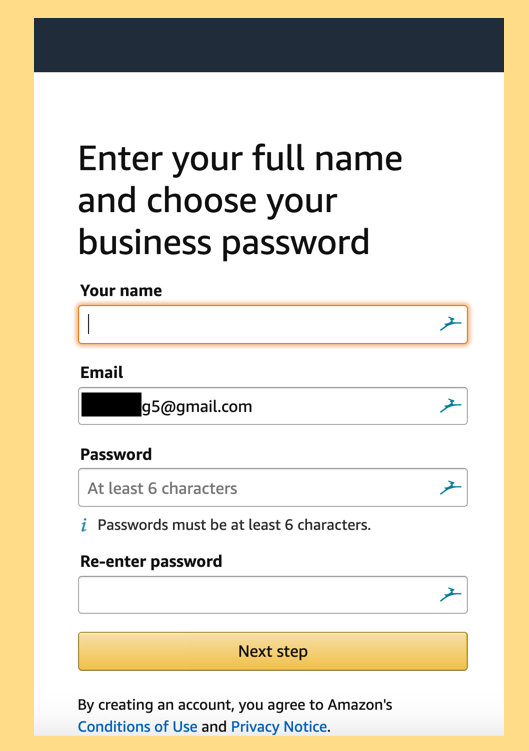
The actual registration process is typically straightforward:
- Visit the Amazon Business Registration Page: Navigate to the dedicated Amazon Business sign-up portal.
- Enter Business Details: Provide your legal business name, address, phone number, and primary contact person.
- Provide Tax Information: Input your EIN or relevant tax identification number. This is where you might also elect for tax-exempt purchases, if applicable, providing necessary documentation for validation.
- Confirm Identity: Amazon may require verification of the account administrator’s identity, which could involve a phone number verification or linking an existing Amazon personal account (though it will then be converted to a business account).
- Review and Submit: Carefully review all entered information for accuracy before submitting.
- Verification Period: Amazon will then review your application, a process that can take from a few hours to a few business days, depending on the complexity of verification.
- Account Activation: Once verified, your Amazon Business account will be activated, granting you access to its full suite of features. At this point, you can begin configuring user permissions, payment methods, and purchasing policies.

Maximizing Your Business Account for Financial Advantage
Activating an Amazon Business account is just the first step. To truly harness its power, businesses must actively utilize its advanced features to drive financial advantage, optimize spending, and enhance operational efficiency.
Leveraging Exclusive Pricing, Tax Exemptions, and Bulk Discounts
One of the most immediate and tangible financial benefits comes from the cost savings. Amazon Business provides:
- Business-Only Pricing: Access to special pricing on millions of products available exclusively to business customers. This can significantly reduce procurement costs for frequently purchased items.
- Quantity Discounts: For bulk orders, businesses can often unlock even deeper discounts, making it economically viable to purchase supplies in larger volumes, thereby reducing per-unit costs and potentially shipping expenses.
- Tax-Exempt Purchases: Eligible tax-exempt organizations can register their status with Amazon, automatically removing sales tax from qualifying purchases. This is a direct saving that improves cash flow and reduces administrative burden associated with tax recovery.
- Free Shipping: For eligible orders, free shipping options further reduce the total cost of acquisition, especially for businesses that frequently place orders.
Streamlining Procurement with Multi-User and Workflow Features
Beyond direct cost savings, Amazon Business offers sophisticated tools that streamline the procurement process, leading to indirect financial benefits through increased efficiency and control.
Centralized Purchasing and Approval Processes
- Multi-User Accounts: Businesses can add multiple users to a single account, each with customized permissions. This allows different departments or employees to make purchases relevant to their roles while adhering to company policies.
- Approval Workflows: For larger organizations or those needing strict financial controls, the platform allows the creation of custom approval workflows. Purchases exceeding a certain threshold or from specific categories can be routed to managers for approval before order placement. This prevents unauthorized spending, maintains budget adherence, and ensures fiscal responsibility.
- Shared Payment Methods: Centralized payment methods, such as corporate credit cards or purchasing cards, can be managed and assigned across multiple users, simplifying reconciliation and providing a clearer overview of consolidated spending.
Enhanced Visibility for Budget Control
- Purchasing Analytics: The analytics dashboard provides a comprehensive view of spending across users, departments, and categories. This data is invaluable for financial planning, identifying spending trends, negotiating better supplier contracts, and optimizing budgets.
- Spend Limits: Administrators can set spend limits for individual users or groups, enforcing budgetary discipline and preventing overspending. This proactive control is critical for managing departmental budgets effectively.
Financial Reporting and Analytics: Informing Strategic Spending
Amazon Business offers robust reporting capabilities that integrate seamlessly with financial planning. Detailed reports on purchase history, spending patterns, and tax information simplify expense reconciliation, support audit processes, and provide the data needed for strategic financial decisions. This level of insight allows businesses to move beyond reactive spending to proactive, data-driven procurement strategies that maximize return on investment.
Best Practices for Ongoing Financial Management
Once the Amazon Business account is active and configured, continuous management and optimization are key to sustaining its financial benefits and operational efficiency.
Integrating with Existing Financial Systems
To fully realize the financial advantages, businesses should integrate Amazon Business data with their existing accounting, enterprise resource planning (ERP), or expense management systems. Many platforms offer API integrations or easy export options for purchase history and invoices. This streamlines reconciliation, automates expense reporting, and provides a unified view of financial data, reducing manual data entry errors and saving valuable administrative time. Automated data flow ensures that procurement costs are accurately reflected in financial statements, aiding in real-time budget tracking and forecasting.
Maintaining Security and Compliance
Financial security and compliance are paramount. Account administrators should regularly review user permissions, ensuring that access levels are appropriate for each role. Strong password policies and multi-factor authentication should be enforced. Additionally, businesses must ensure that their tax-exempt status, if applicable, remains current and that all purchasing activities comply with internal financial policies and external regulatory requirements. Regular audits of spending and activity logs help identify and address any discrepancies or unauthorized use promptly, safeguarding financial assets.

Continuous Optimization for Procurement Savings
The procurement landscape is dynamic, and so too should be your approach to leveraging your Amazon Business account. Periodically review your purchasing analytics to identify new opportunities for cost savings. This might involve renegotiating bulk purchase agreements with specific vendors, identifying new business-only deals, or optimizing delivery schedules to minimize shipping costs. Encourage users to take advantage of available discounts and to adhere to established purchasing policies. By actively managing and optimizing your Amazon Business account, you ensure it remains a powerful tool for driving ongoing financial advantage and operational excellence within your organization.
aViewFromTheCave is a participant in the Amazon Services LLC Associates Program, an affiliate advertising program designed to provide a means for sites to earn advertising fees by advertising and linking to Amazon.com. Amazon, the Amazon logo, AmazonSupply, and the AmazonSupply logo are trademarks of Amazon.com, Inc. or its affiliates. As an Amazon Associate we earn affiliate commissions from qualifying purchases.