
In an era dominated by subscription services, Amazon Prime stands as a behemoth, offering a host of benefits from streaming to exclusive deals, all anchored by its expedited free shipping. However, for many financially savvy consumers, the annual fee of Prime might not align with their spending habits or budget constraints. The good news is that opting out of Prime doesn’t mean sacrificing the convenience of free shipping on Amazon. With a strategic approach rooted in personal finance principles, it’s entirely possible to navigate Amazon’s vast marketplace and secure free delivery without the recurring subscription cost. This guide will delve into actionable financial strategies to unlock free shipping, ensuring you maximize your savings and maintain fiscal discipline.

Decoding Amazon’s Free Shipping Landscape for Non-Prime Members
Understanding Amazon’s shipping policies for non-Prime members is the first step in formulating an effective money-saving strategy. Amazon offers several avenues for free shipping that don’t require a Prime membership, and recognizing these can significantly impact your budgeting and purchasing decisions.
The Standard $25 Minimum: A Baseline for Budgeting
For many items fulfilled by Amazon, the most common route to free shipping for non-Prime members is to consolidate purchases to reach a minimum order value. Historically, this threshold has often been $25 for eligible items. This isn’t just a rule; it’s a financial lever. Instead of making multiple small purchases and incurring separate shipping fees, smart shoppers will compile their wish list and make a single, larger purchase that meets or exceeds this threshold. This requires a shift from reactive to proactive shopping, aligning with sound personal finance principles of planning and budgeting. By accumulating non-urgent items until they collectively cross the $25 mark, you avoid unnecessary shipping charges, effectively saving the equivalent amount of the shipping fee.
Item-Specific Free Shipping: Identifying Hidden Opportunities
Beyond the general order minimum, Amazon offers free shipping on specific categories or individual items, regardless of your total cart value. This often applies to larger, heavier items, media products like books and DVDs, or promotional offers from third-party sellers who choose to absorb shipping costs as a marketing strategy. These opportunities are not always explicitly advertised as “free shipping without Prime,” but rather integrated into the product listing. Diligent shoppers, keen on optimizing their spending, will check the shipping details on each product page. Learning to spot these “hidden” free shipping tags can unlock significant savings, particularly for high-value or bulky purchases where standard shipping fees could be substantial. It’s an exercise in financial awareness, ensuring you’re not paying for a service that’s already being offered for free.
Digital Goods and Low-Cost Add-ons: Strategic Basket Building
While not directly “shipping” in the traditional sense, understanding that digital purchases (e-books, music, apps) never incur shipping fees is crucial for financial planning. For physical goods, a clever tactic involves using low-cost add-on items to push a cart over the free shipping threshold. Amazon often features an “Add-on Items” section, which includes small, inexpensive products that are usually too low in value to ship individually but can be added to larger orders. Financially, this means if your cart is, for instance, $23, instead of paying $5 for shipping, you could add a $2 household item you genuinely need, reaching $25 and getting free shipping. This turns a potential shipping cost into a tangible product, representing a net financial gain. The key is to select an add-on item that you would genuinely purchase anyway, preventing unnecessary spending solely for the sake of free shipping.
Mastering the Art of Free Shipping Thresholds: Financial Tactics
Strategically meeting Amazon’s free shipping thresholds is a financial discipline that can lead to substantial savings over time. It requires planning, patience, and a keen eye for value.
The “Filler Item” Strategy: Optimizing Your Cart for Value
The “filler item” strategy is a nuanced application of the add-on principle. When your cart value is just shy of the free shipping minimum, rather than impulsively adding any item, consider items you frequently use or will definitely need in the near future. Think about pantry staples, cleaning supplies, toiletries, or office supplies. By proactively identifying these recurring needs, you can strategically use them as “filler” to meet the shipping threshold. This isn’t about buying things you don’t need; it’s about shifting planned purchases to Amazon at the right time to avoid shipping costs. The financial discipline here lies in distinguishing between a genuinely needed filler item and an impulse purchase that negates your savings goal.
Grouping Purchases: Consolidating Your Spending
One of the most effective ways to consistently hit free shipping thresholds is by grouping your purchases. Instead of buying items as soon as you think of them, maintain a running list of non-urgent Amazon needs. This could be items for home improvement projects, gifts for upcoming birthdays, or even seasonal necessities. By consolidating these into a single, larger order, you not only meet the free shipping minimum but also reduce the environmental impact of multiple deliveries. From a financial perspective, this practice encourages mindful spending and discourages impulse buys. It forces you to assess the urgency and necessity of each item, fostering better budgeting habits and preventing the cumulative cost of small, isolated orders with their associated shipping fees.
Utilizing “Ship with Amazon Day”: A Patience-Based Savings Approach
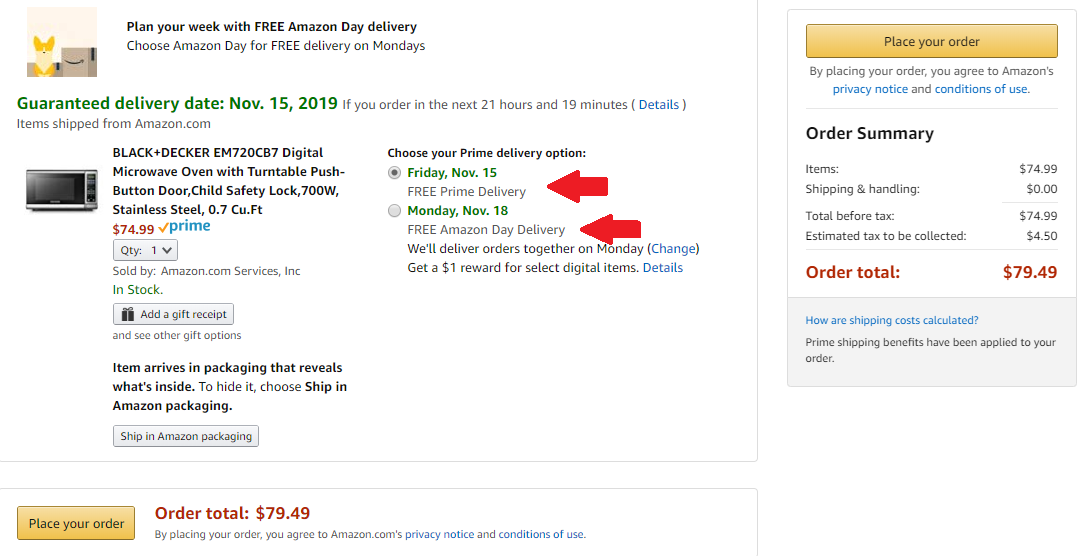
While not exclusively for non-Prime members, “Ship with Amazon Day” offers a unique avenue for savings, often associated with a Prime membership’s extended delivery options. However, even for non-Prime customers, patience can be a virtue. When placing an order, Amazon often presents slower shipping options that are free. Opting for these extended delivery windows, typically 5-8 business days, allows Amazon to consolidate shipments and offers you the benefit of free shipping. This strategy aligns perfectly with a money-conscious approach to shopping, prioritizing cost savings over immediate gratification. Unless an item is urgently needed, choosing a slower, free shipping option is a clear financial win, demonstrating that time can indeed be money saved.
Beyond Amazon’s Direct Offers: External Financial Avenues for Savings
While focusing on Amazon’s internal free shipping mechanisms is vital, savvy consumers also look outwards, leveraging various financial tools and external strategies to minimize or eliminate shipping costs.
Leveraging Amazon Reload: Earning Rewards on Spending
Amazon Reload allows customers to add funds directly to their Amazon Gift Card balance using a linked debit card or bank account. Periodically, Amazon offers promotional incentives for using Reload, such as a small bonus (e.g., $5 for reloading $100). While this doesn’t directly offer free shipping, it’s a financial tool that effectively reduces the net cost of your purchases on Amazon. By taking advantage of these promotions, you are essentially getting a discount on your future Amazon spending, which indirectly offsets potential shipping costs or contributes to your overall savings. Integrating Amazon Reload into your payment strategy, especially when promotions are active, is a smart way to squeeze extra value out of your everyday spending.
Amazon Credit Cards and Store Cards: Unlocking Benefits
For frequent Amazon shoppers who don’t want Prime but still seek benefits, Amazon-branded credit cards can be a valuable financial tool. Cards like the Amazon Prime Rewards Visa Signature Card, while primarily beneficial for Prime members, sometimes offer introductory free shipping perks or cash-back percentages that can effectively cover shipping costs for non-Prime members over time. Similarly, the Amazon Store Card might offer special financing or small cash-back rewards. Before committing to a credit card, a thorough financial analysis is crucial. Understand the annual fees (if any), interest rates, and the actual value of the rewards earned versus your spending habits. For a disciplined consumer who pays off their balance monthly, the cash-back rewards from these cards can effectively subsidize shipping fees, turning a cost into a return on spending.
Third-Party Retailers and Marketplaces: When to Shop Elsewhere
Sometimes, the best financial strategy for free shipping without Prime is to shop entirely off Amazon. Many third-party retailers, especially larger ones, offer their own free shipping thresholds or promotions that might be lower or more accessible than Amazon’s. Websites like Walmart, Target, Best Buy, and others frequently provide free shipping on orders over a certain amount (often $35) or even free in-store pickup. Before committing to an Amazon purchase and struggling to meet its free shipping threshold, a quick price and shipping comparison across different retailers can reveal significant savings. This approach embodies smart consumerism: always seeking the best value for your money, rather than being beholden to a single platform.
The Financial Calculus: When Prime’s Annual Fee Outweighs Free Shipping Efforts
While the pursuit of free shipping without Prime is a commendable financial goal, it’s also important to conduct a realistic cost-benefit analysis. There comes a point for some individuals where the collective effort and strategic planning required to consistently avoid shipping fees, coupled with foregone Prime benefits, might make the annual subscription a more financially sound decision.
Assessing Your Purchase Frequency and Value
The core of this financial calculus lies in evaluating how often you shop on Amazon and the typical value of your orders. If you find yourself making numerous small purchases (e.g., 10-15 orders under $25 annually) that consistently incur shipping fees, the cumulative cost of these fees can quickly approach or even exceed the Prime membership fee. For example, if you pay $5 in shipping for 15 orders, that’s $75. If Prime costs $139 annually (as of writing), you’d need significantly more paid shipments or to value other Prime benefits highly for it to be worthwhile. Documenting your Amazon spending habits for a few months can provide clear data for this assessment.
Beyond Shipping: Quantifying the Full Suite of Prime Benefits
Prime is more than just free shipping. It includes streaming video (Prime Video), music (Prime Music), digital books (Prime Reading), cloud storage (Amazon Photos), and exclusive deals (Prime Day). If you are already subscribing to separate services for these amenities, or would genuinely use them, factoring their independent costs into your Prime evaluation is critical. For instance, if Prime Video replaces a separate streaming subscription costing $10/month ($120/year), then the incremental cost of Prime for shipping and other benefits might be minimal. A holistic financial review considers the “opportunity cost” of not having Prime and paying for equivalent services elsewhere.
Budgeting for Convenience vs. Cost Savings
Ultimately, the decision often boils down to a personal financial preference: prioritizing convenience or prioritizing direct cost savings. For some, the peace of mind that comes with unlimited, fast, free shipping, coupled with entertainment and other perks, justifies the annual Prime fee as a budgeted expense. For others, the challenge of strategically earning free shipping and saving that annual fee is a gratifying exercise in financial control. There’s no single right answer, but rather a personalized financial choice based on individual spending patterns, valuation of time, and budget priorities.
Integrating Free Shipping into Your Personal Finance Strategy
Achieving free shipping on Amazon without Prime isn’t just a hack; it’s a testament to good personal finance habits. It reflects intentional spending, smart budgeting, and a mindful approach to consumption.
Mindful Consumption: Avoiding Impulse Buys to Reach Thresholds
One of the greatest benefits of actively seeking free shipping is the inherent discipline it instills. Rather than making impulsive, one-off purchases that incur shipping fees, you’re encouraged to pause, assess, and consolidate. This practice translates directly into mindful consumption, where every purchase is considered in the context of your overall budget and needs. It helps to curb unnecessary spending by making you think twice before hitting “buy,” ensuring that you’re only acquiring items you truly need or have budgeted for.
Seasonal Shopping and Sales Events: Planning for Discounts
Aligning your free shipping strategy with Amazon’s major sales events (like Black Friday, Cyber Monday, or various seasonal deals) can amplify your savings. During these times, not only are products discounted, but Amazon might also lower free shipping thresholds or offer special promotions that make it easier to qualify. By planning your larger, non-urgent purchases around these events, you capitalize on both product discounts and free shipping, embodying a highly effective financial planning strategy.
Tracking Savings: Acknowledging Your Financial Discipline
Finally, make it a practice to acknowledge the savings you achieve. If you consistently avoid a $5 shipping fee on multiple orders, calculate that total saved amount over a quarter or a year. Seeing a tangible figure for your accumulated savings reinforces positive financial behaviors and motivates you to continue these smart shopping practices. This isn’t just about avoiding a cost; it’s about actively managing your money, making informed decisions, and demonstrating financial discipline, all of which contribute to a healthier overall personal financial picture.
aViewFromTheCave is a participant in the Amazon Services LLC Associates Program, an affiliate advertising program designed to provide a means for sites to earn advertising fees by advertising and linking to Amazon.com. Amazon, the Amazon logo, AmazonSupply, and the AmazonSupply logo are trademarks of Amazon.com, Inc. or its affiliates. As an Amazon Associate we earn affiliate commissions from qualifying purchases.