
In the evolving landscape of online retail and digital services, Amazon Prime has cemented its place as a ubiquitous household fixture for millions worldwide. Its appeal is multifaceted, spanning expedited shipping, a vast library of entertainment, and exclusive deals. However, beneath the allure of convenience and content lies a fundamental question for every fiscally conscious consumer: “How much per year is Amazon Prime, and is it truly worth the investment?” This article delves into the financial intricacies of Amazon Prime membership, dissecting its costs, evaluating its real-world value, and offering strategic insights from a personal finance perspective to help you make an informed decision.
Decoding the Annual Cost of Amazon Prime Membership
Understanding the direct financial commitment required for an Amazon Prime membership is the first step in assessing its value. While the sticker price might seem straightforward, there are nuances in pricing and various membership options that warrant closer examination.
The Standard Annual Fee Explained
As of the latest updates, the standard annual cost for an Amazon Prime membership in the United States is $139 per year. This fee grants members a full year of access to the complete suite of Prime benefits. This annual payment model is typically the most cost-effective option for consistent users when compared to monthly billing. When broken down, $139 per year equates to approximately $11.58 per month, highlighting a significant saving over the monthly subscription.
Understanding Different Membership Tiers and Payment Models
Amazon acknowledges that not all customers have the same needs or financial situations, offering several membership tiers beyond the standard annual plan:
- Monthly Prime Membership: For those who prefer greater flexibility or only need Prime for shorter periods, Amazon offers a monthly subscription at $14.99 per month. While convenient, this amounts to $179.88 annually, making it significantly more expensive than the annual plan if maintained for a full year. This option is often favored by students or individuals who may only subscribe during peak shopping seasons (e.g., holidays) or for specific content releases on Prime Video.
- Prime Student: Recognizing the financial constraints of higher education, Amazon provides a discounted Prime Student membership. Eligible college students can enjoy a six-month trial of Prime benefits for free, followed by a discounted rate of $7.49 per month or $69 per year. This represents a substantial saving, making Prime highly accessible for the student demographic. Verification of student status is required.
- EBT/Medicaid Recipients: In an effort to make Prime benefits more accessible, Amazon offers a discounted membership for qualifying recipients of government assistance programs like EBT and Medicaid. These eligible individuals can subscribe to Prime for $6.99 per month. This significantly reduces the barrier to entry, ensuring broader access to essential services like expedited delivery and digital content.
Historical Price Adjustments and Future Outlook
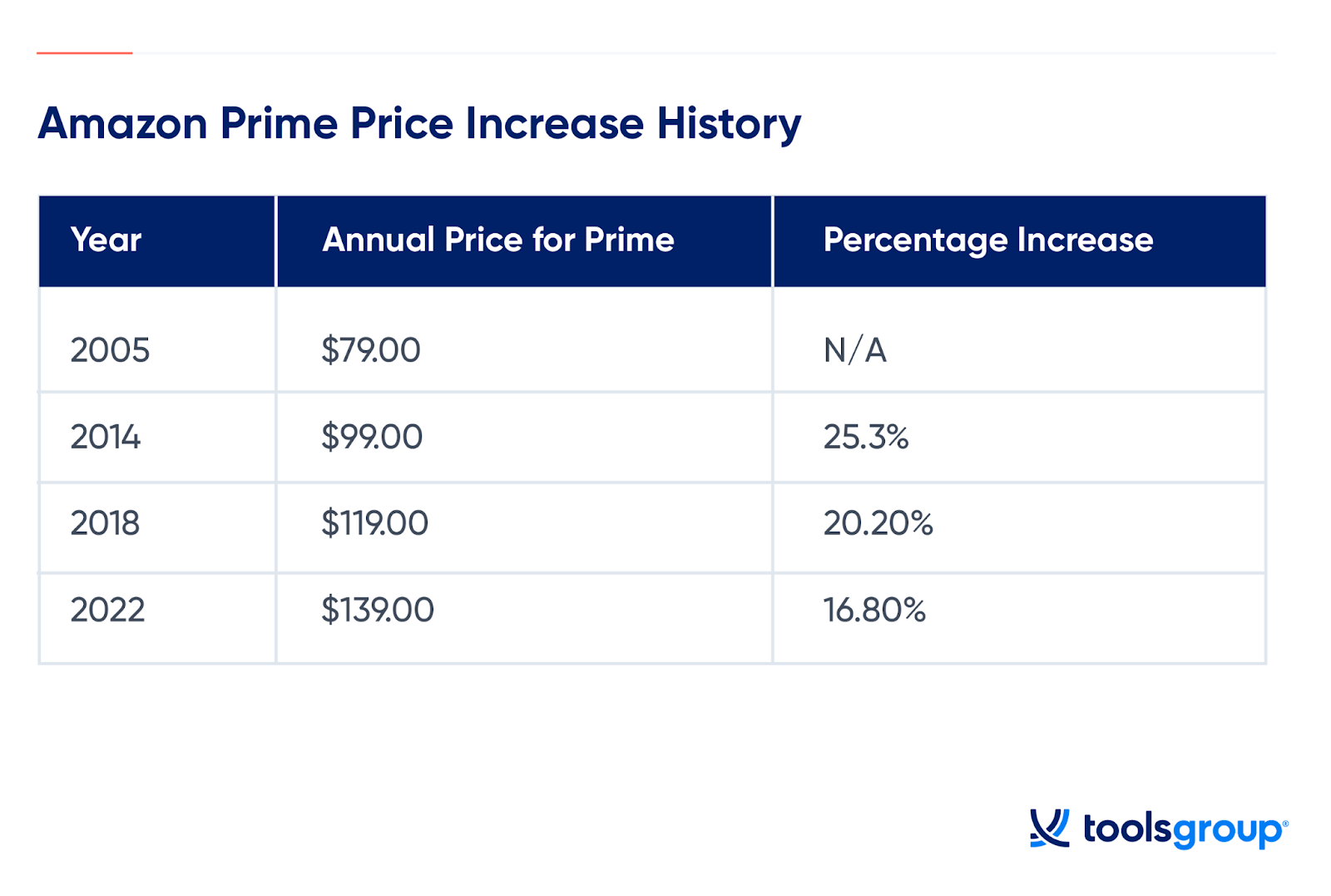
It’s crucial to acknowledge that the cost of Amazon Prime has not remained static since its inception. Launched in 2005 at an annual fee of $79, the price gradually increased to $99 in 2014, then to $119 in 2018, and most recently to the current $139 in 2022. These increases reflect the expansion of Prime’s benefits, rising operational costs (particularly for shipping and content creation), and Amazon’s perceived value of the service.
From a financial planning perspective, past price hikes suggest that future adjustments are always a possibility. Consumers should factor this historical trend into their long-term budgeting, understanding that the current annual fee, while fixed for the year, may not remain constant indefinitely. Amazon typically provides ample notice before implementing price changes, allowing members to reassess their subscription.
Beyond the Sticker Price: Evaluating Prime’s True Financial Value
The annual fee is just one side of the coin. The real financial assessment of Amazon Prime lies in evaluating whether the benefits you actually use outweigh this cost. For many, Prime is more than just a shipping service; it’s an ecosystem of perks that can potentially offer significant savings and conveniences.
Quantifying the Value of Shipping Benefits
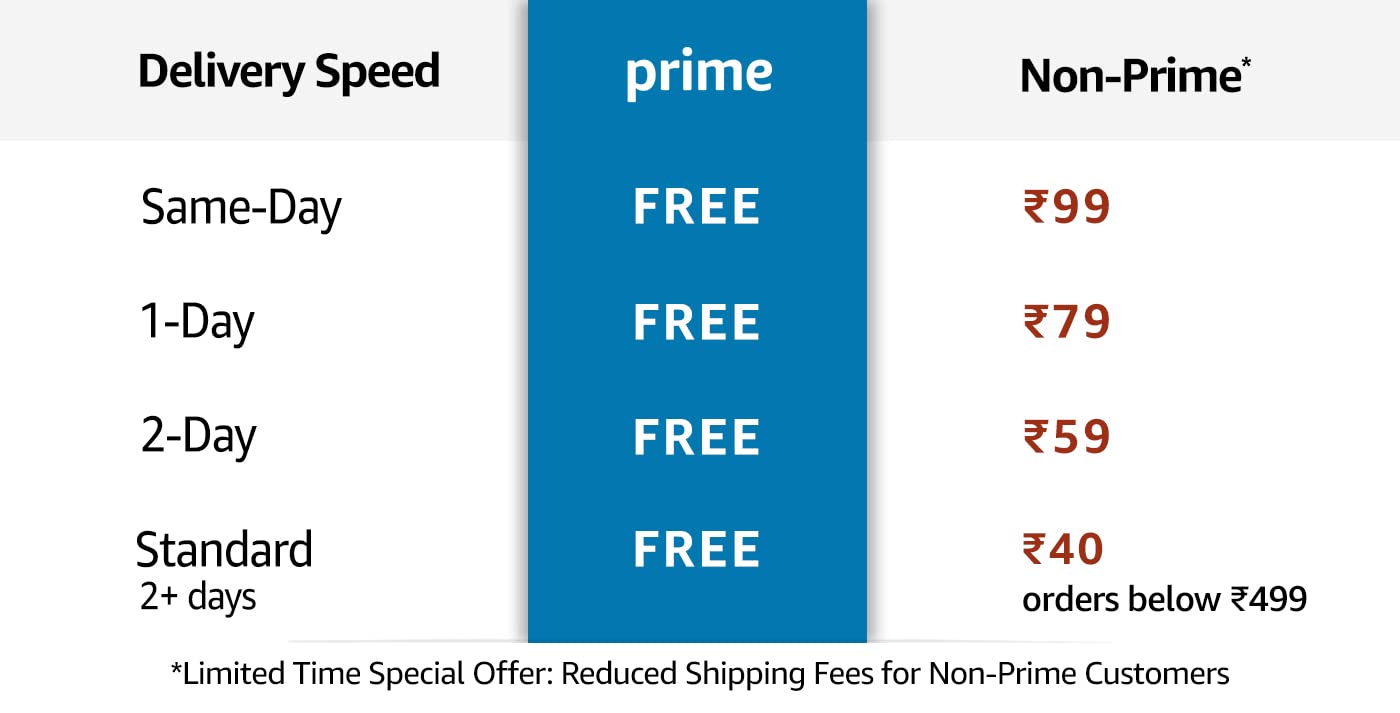
The cornerstone of Amazon Prime is undoubtedly its expedited shipping. Members enjoy free two-day shipping on millions of eligible items, free one-day shipping on many items, and even free same-day delivery in select areas.
- Direct Shipping Cost Savings: Consider how many times you order from Amazon in a year. If you typically pay for shipping (which can range from $5 to $10 per order without Prime), even a handful of orders can quickly add up. For instance, if you place 15 orders a year and each would incur a $7 shipping fee, Prime saves you $105. For frequent shoppers, these savings alone can quickly justify a significant portion, if not all, of the annual fee.
- Indirect Savings from Convenience: While harder to quantify, the convenience of fast, free shipping can prevent impulse purchases from local stores when an item is needed quickly. It also saves time and fuel that would otherwise be spent traveling to brick-and-mortar stores. This “opportunity cost” is a real, albeit intangible, financial benefit.
Weighing Digital Entertainment Perks
Amazon has heavily invested in expanding Prime’s digital entertainment offerings, transforming it into a formidable competitor in the streaming wars.
- Prime Video: Included with membership, Prime Video offers a vast library of movies, TV shows, and critically acclaimed original series. Many consumers pay separate subscriptions for services like Netflix, Hulu, or Disney+. If Prime Video adequately meets a portion of your entertainment needs, it could allow you to reduce or eliminate other streaming subscriptions, thereby generating direct monthly savings. For example, foregoing a single $10-$15 monthly streaming service could save you $120-$180 annually, nearly or completely offsetting Prime’s cost.
- Amazon Music Prime: This service provides ad-free access to millions of songs and thousands of stations and playlists. While not as extensive as Amazon Music Unlimited or Spotify Premium, it often suffices for casual listeners, again offering a potential alternative to paid music subscriptions.
- Prime Reading and Amazon First Reads: Prime Reading offers unlimited access to a rotating selection of ebooks, magazines, and comics. Amazon First Reads allows members to download one free ebook from a curated list of editor’s picks each month before its official release. For avid readers, these benefits can translate into significant savings on book purchases.
Exploring Exclusive Shopping Discounts and Early Access
Beyond shipping, Prime offers several ways to save directly on purchases:
- Prime Day: This annual shopping event, exclusive to Prime members, features millions of deals across various categories, often rivaling Black Friday sales. Strategic shopping during Prime Day can lead to substantial savings on high-ticket items or everyday essentials.
- Whole Foods Market Discounts: Prime members receive exclusive savings and 5% back on select items when shopping at Whole Foods Market, as well as free two-hour grocery delivery in eligible regions. For regular Whole Foods shoppers, these discounts can add up significantly over a year.
- Amazon Pharmacy Savings: Members gain access to exclusive discounts on prescription medications at over 60,000 participating pharmacies, including CVS, Walgreens, and Amazon Pharmacy.
- Early Access to Lightning Deals: Prime members often get a 30-minute head start on Amazon’s popular Lightning Deals, increasing their chances of snagging limited-quantity, heavily discounted items.
Is Amazon Prime Worth It? A Personal Finance Perspective
The ultimate question of “is it worth it?” is deeply personal and hinges on individual usage patterns and financial priorities. A rigorous personal finance assessment involves more than just listing benefits; it requires calculating your unique return on investment (ROI).
Calculating Your Personal ROI (Return on Investment)
To determine if Prime is financially beneficial for you, tally your estimated annual savings from the various benefits:
- Shipping Savings: Estimate how many orders you place a year that would incur a shipping fee without Prime, then multiply by the average shipping cost.
- Streaming Savings: Calculate if Prime Video allows you to cancel or avoid subscribing to other paid streaming services.
- Shopping Discounts: Estimate your savings from Prime Day, Whole Foods, or other exclusive deals. This might be harder to pinpoint, so use a conservative estimate based on past purchases.
- Other Perks: Assign a conservative value to benefits like Prime Reading, Music Prime, or Rx savings if you regularly use them.
Sum these estimated savings. If your total estimated savings exceed $139 (or your specific membership cost), then Prime offers a positive ROI. If your savings are significantly less, you might be overpaying for benefits you don’t fully utilize.

Strategies for Maximizing Prime’s Value
If you decide Prime is a good fit, optimize its value:
- Consolidate Shopping: Make Amazon your primary go-to for online purchases where competitive pricing and free shipping align.
- Utilize Digital Content: Make a conscious effort to explore Prime Video, Music Prime, and Prime Reading before subscribing to other services or buying books/music.
- Shop During Prime Day: Plan larger purchases around Prime Day to take advantage of exclusive discounts.
- Share Benefits (Where Permitted): Amazon Household allows two adults and up to four children to share Prime benefits, including shipping, Prime Video, and Prime Reading. This effectively halves or quarters the per-person cost.
- Leverage Whole Foods and Pharmacy Discounts: If you shop at Whole Foods or have recurring prescriptions, actively use your Prime benefits there.
When to Consider Alternatives or Cancellation
Prime isn’t for everyone. Consider alternatives or cancellation if:
- Infrequent Shopper: If you order from Amazon only a few times a year, the shipping savings alone may not justify the annual fee. The monthly plan for occasional needs might be more cost-effective.
- Minimal Digital Content Use: If you rarely watch Prime Video, listen to Prime Music, or read Prime books, you’re paying for unused perks.
- Budget Constraints: If the annual fee puts a strain on your budget and you can’t identify clear, tangible savings that exceed the cost, it might be an unnecessary expense.
- Amazon Not Your Preferred Retailer: If you primarily shop elsewhere, Prime’s core shipping benefit is largely irrelevant.
Alternatives include simply paying for shipping on individual orders, utilizing free shipping thresholds offered by other retailers, or exploring standalone streaming services that better fit your entertainment preferences.
Budgeting for Amazon Prime: Smart Financial Planning
Integrating Amazon Prime into your household budget requires foresight and strategic planning to ensure it’s an asset rather than a drain on your finances.
Integrating Prime into Your Household Budget
When you create or review your budget, Amazon Prime should be categorized as a “subscription service” or “entertainment/shopping utility.”
- Annual Payment: If you opt for the annual payment, set aside money monthly or quarterly to cover the $139 charge when it’s due. This prevents a large, unexpected expense from derailing your budget. Some banks or budgeting apps allow you to create specific “sinking funds” for such annual costs.
- Monthly Payment: If you choose the monthly plan, factor the $14.99 into your recurring monthly expenses alongside other utilities and subscriptions. Be mindful that this choice is more expensive long-term.
- Re-evaluate Annually: Before your membership auto-renews, take the time to conduct a personal ROI calculation. Has your usage changed? Are the benefits still relevant to your needs? This annual check-up ensures you’re not paying for a service you no longer fully utilize.
Tips for Cost-Effective Prime Usage
- Utilize Amazon Photos: Prime members receive unlimited full-resolution photo storage and 5 GB for videos. This can eliminate the need for separate cloud storage subscriptions (e.g., Google Drive, iCloud), potentially saving you money.
- Explore Amazon Family Benefits: For parents, this includes discounts on baby items and a 15% discount on eligible diaper subscriptions.
- Gift Memberships: If you’re considering gifting Prime, it’s a fixed cost that can offer significant value to the recipient.
Exploring Payment Options and Gift Memberships
Amazon offers various payment methods, including credit/debit cards, Amazon gift cards, and even through Amazon Pay. If you’re trying to manage your cash flow, using a credit card with rewards points for subscriptions could offer a marginal benefit, but only if you pay off the balance in full each month to avoid interest charges.
Gift memberships are an excellent way to provide Prime benefits to someone without the recurring financial commitment on their end. They are available in 3-month and 12-month increments, allowing givers to control the cost while providing flexibility to the recipient.
Frequently Asked Questions About Prime Membership Costs
Understanding the cost also involves knowing the practicalities of managing your membership.
Can I share my Prime membership?
Yes, through Amazon Household. This feature allows two adults and up to four children to share eligible Prime benefits, including Prime Video, Prime Reading, unlimited photo storage, and, crucially, free shipping. This is a powerful way to reduce the effective per-person cost of Prime, especially for families. Both adults must agree to link their accounts and share payment methods.
How do I cancel Prime and get a refund?
You can cancel your Prime membership at any time from your Amazon account settings. Navigate to “Accounts & Lists” -> “Your Prime Membership” -> “End Membership.”
- Full Refund: If you haven’t used any Prime benefits (including free shipping or streaming) since your last payment, you are typically eligible for a full refund of your membership fee.
- Partial Refund: If you’ve used some benefits, Amazon may issue a partial refund based on your usage.
- No Refund: If you’ve extensively used the benefits during the current billing period, you might not receive a refund, but your membership will simply not renew.
It’s advisable to cancel before your renewal date if you no longer wish to subscribe.
Are there ways to get Prime for free or at a discount?
Beyond the Prime Student and EBT/Medicaid discounts mentioned earlier, other avenues for reduced or free access exist:
- Free Trials: Amazon offers a 30-day free trial for new members, allowing you to test the service before committing.
- Promotional Offers: Occasionally, Amazon or third-party companies (e.g., cell phone carriers, credit card companies) may offer promotional discounts or free months of Prime as part of a loyalty program or bundle deal.
- Credit Card Rewards: Some credit cards offer statement credits or direct discounts on streaming services or Amazon purchases, which could indirectly offset the cost of Prime.
In conclusion, the annual cost of Amazon Prime is a clear financial commitment, but its true value is a nuanced calculation based on individual usage. By understanding the different membership tiers, meticulously evaluating the benefits you genuinely use, and employing smart budgeting strategies, you can confidently answer the question of “how much per year is Amazon Prime” not just in dollars, but in its tangible contribution to your personal finance landscape.
aViewFromTheCave is a participant in the Amazon Services LLC Associates Program, an affiliate advertising program designed to provide a means for sites to earn advertising fees by advertising and linking to Amazon.com. Amazon, the Amazon logo, AmazonSupply, and the AmazonSupply logo are trademarks of Amazon.com, Inc. or its affiliates. As an Amazon Associate we earn affiliate commissions from qualifying purchases.