
In an increasingly subscription-driven economy, understanding the true cost and value of recurring services is paramount for sound personal finance. Among these, Amazon Prime stands as one of the most ubiquitous, offering a vast array of benefits from expedited shipping to digital entertainment. While the allure of convenience and content is strong, the fundamental question for any financially astute individual remains: “How much is Prime monthly?” This article delves into the various facets of Prime’s cost, evaluates its financial worth, and provides strategies for integrating or re-evaluating this significant subscription within your personal budget.

Unpacking the Current Cost of Amazon Prime
At its core, determining the monthly cost of Amazon Prime isn’t as straightforward as it might seem. While there is a specific monthly plan, Amazon strategically offers various payment structures and discounts that significantly alter the effective per-month cost. A truly informed financial decision requires understanding these nuances.
The Standard Monthly Subscription
For those who prefer flexibility or are uncertain about a long-term commitment, Amazon offers a direct monthly Prime membership. As of recent updates, the standard monthly fee for Amazon Prime is $14.99. This option provides full access to all Prime benefits without the upfront annual commitment. While seemingly convenient, it’s crucial to compare this against the annual alternative to grasp the potential financial implications. This choice is often preferred by those with fluctuating income, short-term needs for Prime benefits (e.g., holiday shopping season), or individuals who are prone to “subscription creep” and want to maintain an easier cancellation pathway.
The Annual Advantage: Significant Savings
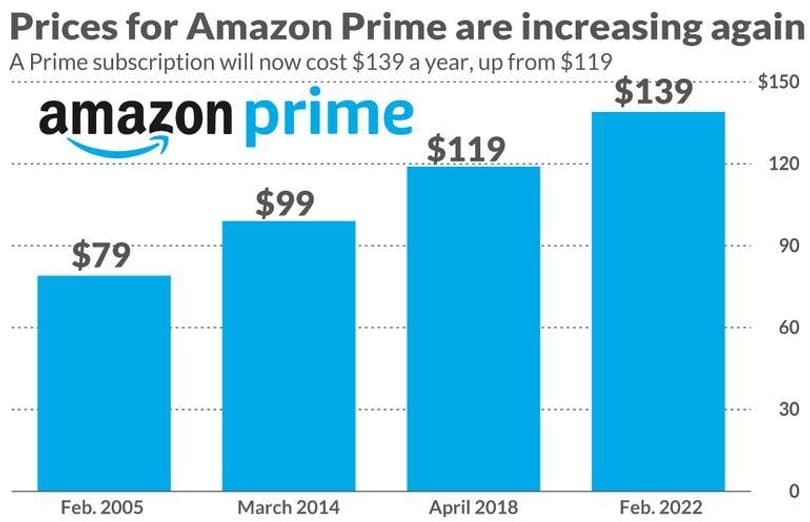
The most financially advantageous way to subscribe to Amazon Prime for consistent users is undoubtedly the annual membership. Priced at $139 per year, this upfront payment translates to a monthly average cost of approximately $11.58. This represents a substantial saving of $3.41 per month, or over $40 annually, compared to the monthly payment option. From a purely financial standpoint, if you anticipate using Prime services for at least a year, the annual subscription is the fiscally responsible choice. It highlights Amazon’s incentive structure, nudging consumers towards longer commitments, which in turn offers them greater financial predictability. For budgeters, this upfront cost can be planned for, much like an insurance premium, rather than a recurring small drip from their monthly cash flow.
Special Discounts: Prime for Students and EBT/Medicaid Recipients
Amazon also extends crucial financial relief through discounted Prime memberships for eligible individuals, demonstrating a tiered pricing strategy that impacts accessibility and affordability.
- Prime Student: Qualified college students can subscribe to Amazon Prime for a significantly reduced rate. Typically, this includes a six-month free trial, followed by a discounted annual fee of $69 per year, or a monthly option of $7.49. This translates to an average monthly cost of just $5.75 on the annual plan, offering a compelling value proposition for students often operating on tight budgets. The financial benefits for students extend beyond mere shipping, encompassing educational discounts and specific content.
- EBT/Medicaid Recipients: In an effort to make Prime accessible to lower-income households, Amazon offers a reduced monthly rate of $6.99 for individuals receiving qualifying government assistance, such as EBT or Medicaid. This monthly option provides access to most Prime benefits at a substantially reduced cost, acknowledging the financial constraints faced by these demographics. For these eligible users, the decision to subscribe becomes less about luxury and more about essential access to goods and services, often leveraging the free shipping for household necessities.
These targeted discounts underscore the importance of checking eligibility, as they can dramatically alter the financial burden of a Prime membership, making a service that might otherwise be unaffordable, financially viable.
Navigating the Free Trial: A Financial Assessment
Amazon frequently offers a 30-day free trial for new Prime members. While seemingly a risk-free way to experience the benefits, it’s crucial to approach this with a clear financial strategy. Many individuals sign up for the free trial with good intentions but forget to cancel before the paid subscription automatically kicks in. This oversight can lead to an unexpected charge of $14.99 (or $139 for the annual conversion, depending on the trial’s terms), becoming an immediate drain on one’s budget.
From a financial planning perspective, the free trial should be treated as a deliberate evaluation period. Set a calendar reminder a few days before the trial expires to decide whether the benefits genuinely outweigh the cost. This proactive approach ensures that you avoid inadvertent charges and only commit your money to services that truly deliver value. It’s a prime example of how even “free” offers require financial mindfulness.
Beyond the Sticker Price: Evaluating Prime’s Financial Value Proposition
Knowing the monthly cost is only half the battle; the other, more complex part, is assessing whether that cost translates into tangible financial value for you. This requires a personalized cost-benefit analysis that extends beyond simple comparisons of features.
The Core Offerings: Shipping, Streaming, and More
Amazon Prime bundles an impressive array of services, each with an inherent market value. These typically include:
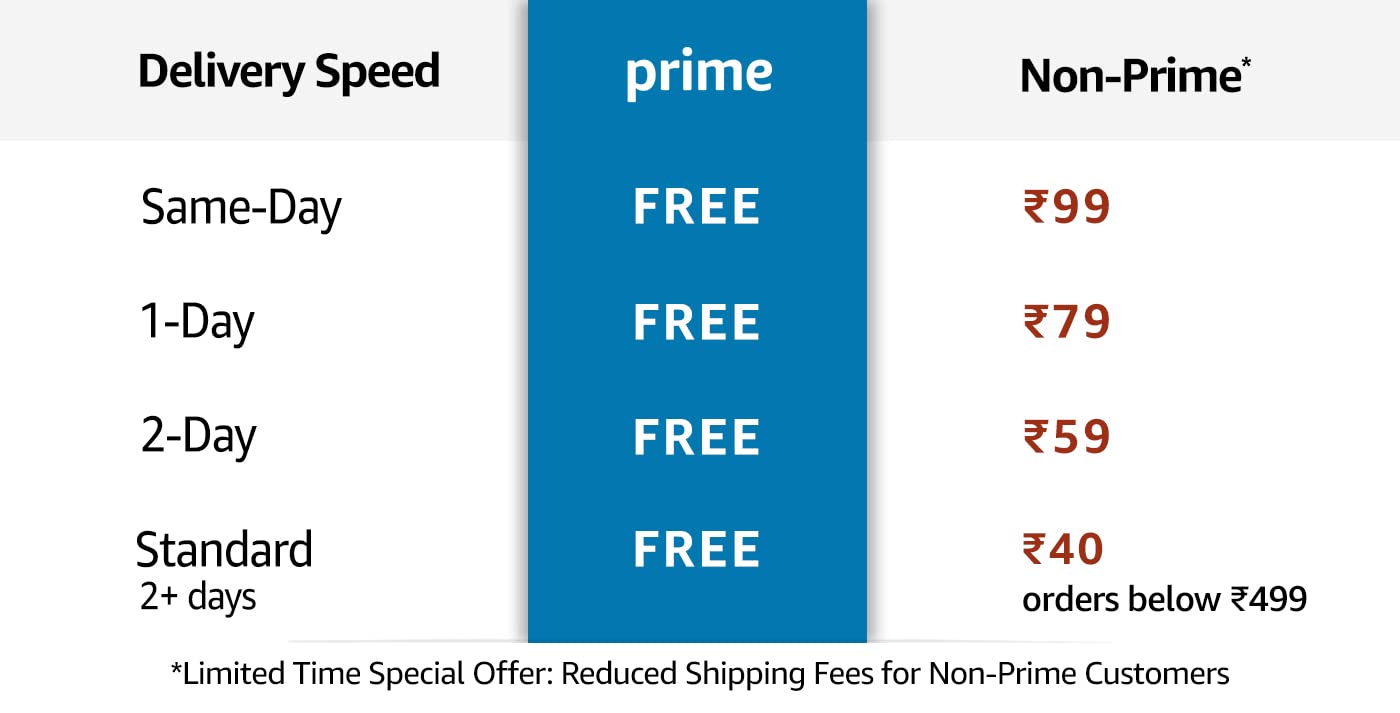
- Free Two-Day Shipping (and often faster): This is arguably the flagship benefit, saving on individual shipping fees which can quickly add up, especially for frequent online shoppers.
- Prime Video: A streaming service offering a vast library of movies and TV shows, including Amazon Originals.
- Prime Music: A music streaming service with millions of ad-free songs and podcasts.
- Amazon Fresh/Whole Foods Market Discounts: Savings on groceries and free grocery delivery in select areas.
- Prime Reading: Access to a rotating selection of ebooks, magazines, and comics.
- Prime Gaming (formerly Twitch Prime): Free games, in-game content, and a free channel subscription on Twitch.
- Prime Try Before You Buy: A service to try on clothes at home before purchasing.
- Exclusive Deals: Access to special discounts, notably during events like Prime Day.
Each of these services, if purchased à la carte from various providers (e.g., Netflix for video, Spotify for music, expedited shipping from other retailers), would individually incur significant monthly or annual costs.
Quantifying the Savings: Is Prime Truly Economical?
To determine if Prime is “worth it” financially, you need to quantify how much you would spend on these services if Prime didn’t exist, and how much you actually use them.
- Shipping Savings: If you place more than 10-12 orders a year that would normally incur a $5-$10 shipping fee, Prime quickly pays for itself on shipping alone. For heavy online shoppers, the savings can be substantial.
- Streaming Savings: If you would otherwise subscribe to a separate video streaming service (e.g., Netflix at $15-$20/month) or a music streaming service (e.g., Spotify Premium at $11/month), then Prime Video and Prime Music offer direct financial substitutions. However, if you already pay for these or don’t use Prime’s versions, then this benefit offers no additional financial value.
- Grocery Savings: For those who frequently order groceries from Amazon Fresh or shop at Whole Foods, the delivery savings and exclusive discounts can add up, potentially offsetting a portion of the membership fee.
- Prime Day Deals: While tempting, these “savings” only count if you were already planning to purchase the items at full price. Impulse purchases, even at a discount, represent an expense, not a saving.
A true financial assessment involves tallying up your actual, avoided expenses, not just the perceived value of unused benefits. If you only use Prime for shipping and occasionally Prime Video, but don’t leverage the other services, the effective cost per useful feature might be higher than you perceive.
Hidden Financial Perks: Prime Day and Prescription Discounts
Beyond the obvious, Prime offers less-publicized financial benefits that can contribute to its overall value proposition for certain individuals.
- Prime Day: This annual sales event offers exclusive discounts to Prime members. While it encourages spending, strategically planned purchases of necessary items during Prime Day can result in genuine savings on items you would have bought anyway. This requires financial discipline to avoid impulse buying.
- Amazon Pharmacy & Prescription Savings: Prime members often receive exclusive discounts on prescription medications through Amazon Pharmacy. For individuals with high medication costs or less comprehensive insurance coverage, these savings can be significant, potentially justifying the entire Prime membership fee.
- Amazon Household: This feature allows two adults and up to four children/teenagers in the same household to share Prime benefits without paying for multiple memberships, effectively doubling or tripling the value for a single fee.
These “hidden” perks can sway the financial equation, particularly for families or individuals with specific needs, transforming Prime from a luxury into a potential cost-saving tool.
The Opportunity Cost of Prime Membership
Every dollar spent on Amazon Prime represents a dollar that cannot be spent or invested elsewhere. This is the concept of opportunity cost. The $14.99 monthly, or $139 annually, could instead be:
- Contributed to an emergency fund.
- Invested in a diversified portfolio for long-term growth.
- Used to pay down high-interest debt.
- Allocated to a sinking fund for a larger financial goal (e.g., a down payment, vacation).
- Used to fund other essential subscriptions or services.
For individuals rigorously tracking their expenses and optimizing every dollar, evaluating the opportunity cost is a critical step. Is the convenience and entertainment Prime offers truly providing more financial return (either direct savings or improved quality of life) than these alternative uses of your money? This introspection is vital for sound personal finance.
Integrating Prime into Your Personal Budget
Successfully managing your finances in the modern era requires a keen eye on recurring expenses. Amazon Prime, like other subscriptions, needs to be consciously integrated into your budget, not simply allowed to run on autopilot.
The “Subscription Creep” Phenomenon
Subscription creep is the insidious accumulation of monthly or annual recurring charges that, individually, seem small, but collectively drain a significant portion of your disposable income. Prime is often one of many such services (streaming, fitness apps, software, meal kits, etc.). Regularly auditing your subscriptions is a fundamental financial habit to combat this creep. Without vigilance, these charges can quietly erode your budget, leaving less for savings, investments, or discretionary spending.
Strategies for Managing Recurring Expenses
Effective budget management for subscriptions involves several proactive steps:
- Create a Subscription Inventory: List every recurring service you pay for, its cost, and renewal date. This provides a clear overview of your financial commitments.
- Allocate a “Subscription Budget”: Decide on a specific monthly or annual amount you are willing to spend on all subscriptions combined. This forces you to make conscious trade-offs.
- Regular Review: At least once a quarter, review your subscription inventory. Ask yourself if you are still using each service regularly and if it provides sufficient value for its cost.
- Utilize Financial Tracking Tools: Budgeting apps and software can help monitor recurring charges and alert you to upcoming renewals, preventing unexpected drains on your accounts.
A Decision Framework: When to Keep, Pause, or Cancel Prime
Given the analysis, here’s a framework for making a financially sound decision regarding your Prime membership:
- Keep Prime if:
- You consistently save more on shipping fees (e.g., >15-20 orders annually) than the membership cost.
- You primarily use Prime Video/Music and it effectively replaces another paid streaming service.
- You leverage several other benefits (e.g., grocery delivery savings, prescription discounts) that individually would cost more than Prime.
- You qualify for a discounted rate (Student, EBT/Medicaid) and the benefits clearly outweigh the reduced cost.
- Pause/Switch to Monthly if:
- Your usage is seasonal (e.g., primarily for holiday shopping).
- Your financial situation is temporarily uncertain.
- You want to try out alternative services for a few months to compare value.
- Consider switching to the monthly plan during low-usage periods to reduce the overall annual expense.
- Cancel Prime if:
- You rarely order from Amazon or your orders don’t incur shipping fees (e.g., small, infrequent purchases).
- You don’t use Prime Video, Prime Music, or any other bundled benefits.
- The total value you derive from Prime’s benefits is consistently less than its monthly or annual cost.
- You are actively looking to cut discretionary spending to achieve more pressing financial goals (e.g., debt repayment, emergency fund).
Alternatives for Core Prime Services
If you decide to cancel Prime, you don’t necessarily have to give up all its benefits. Consider these alternatives to manage your finances:
- Free Shipping Alternatives: Many retailers offer free shipping with a minimum purchase (often $25-$50). Consolidate your Amazon purchases to meet the free shipping threshold if you’re not a Prime member.
- Other Streaming Services: Netflix, Disney+, Hulu, Max, etc., offer a wide range of content if Prime Video was your primary draw. Evaluate their individual costs against your viewing habits.
- Public Library: For books and even some digital content, your local library is a free and invaluable resource.
- Free Music Streaming: Services like Spotify Free or Pandora offer ad-supported music streaming.
By being mindful of these alternatives, you can decide whether the convenience of Prime justifies its financial commitment, or if a more à la carte approach aligns better with your budget.
The Broader Financial Implications of Subscription Services
The Amazon Prime phenomenon, and indeed the rise of subscription models across industries, carries significant implications for personal finance and consumer behavior at large. Understanding these broader trends can help individuals make more informed financial decisions.
Shifting Consumer Spending Habits
Subscription services have fundamentally altered how consumers spend money. Instead of large, infrequent purchases, many expenditures are now small, recurring monthly payments. This can make budgeting more complex, as these smaller amounts often go unnoticed, or are dismissed as insignificant. The cumulative effect, however, is powerful. From a financial planning perspective, it necessitates a shift towards meticulous tracking of recurring expenses as a critical component of overall budget management. This fragmentation of spending requires greater discipline to ensure financial health.
The Psychology of “Free” and Convenience Spending
Amazon Prime masterfully leverages the psychological appeal of “free” shipping and the immense value of convenience. Once the annual fee is paid, users often feel compelled to maximize their “investment” by ordering more frequently, even for small items, rather than bundling purchases. This can lead to increased overall spending, as the psychological barrier of an individual shipping fee is removed. Furthermore, the sheer convenience of fast delivery and instant access to content often trumps the rational consideration of cost. Financial literacy dictates recognizing these psychological triggers and making conscious decisions to avoid overspending fueled by perceived value rather than actual need.
Long-Term Budgetary Commitments
Unlike one-off purchases, subscriptions represent ongoing financial commitments. For example, a decade of Amazon Prime at its current annual rate would cost nearly $1,400. While this might seem manageable annually, it highlights the importance of considering these services as long-term drains on your financial resources. This cumulative effect is often overlooked but can have a significant impact on an individual’s ability to save for retirement, invest, or achieve other major financial milestones. Financial prudence calls for periodic re-evaluation, not just of the immediate cost, but of the long-term financial trajectory influenced by these recurring charges.
Financial Planning in a Subscription Economy
In this modern subscription economy, effective financial planning must evolve. It’s no longer sufficient to just track major bills and income. A robust financial plan now requires:
- Detailed Expense Categorization: Clearly separating essential recurring expenses from discretionary ones, including subscriptions.
- Proactive Review Cycles: Scheduled, regular audits of all recurring charges.
- Value-Based Decision Making: Constantly asking if each subscription genuinely enhances your life or provides a quantifiable financial benefit commensurate with its cost.
- Building an “Emergency Fund” for Subscriptions: Recognizing that canceling a subscription might lead to a temporary inconvenience, ensuring you have enough financial cushion to make such choices without distress.
Ultimately, “how much is Prime monthly?” is a question that opens the door to a broader discourse on personal financial management in the digital age. By understanding the costs, evaluating the true value, and proactively managing these subscriptions within a disciplined budget, consumers can ensure that convenience serves their financial goals, rather than eroding them.
aViewFromTheCave is a participant in the Amazon Services LLC Associates Program, an affiliate advertising program designed to provide a means for sites to earn advertising fees by advertising and linking to Amazon.com. Amazon, the Amazon logo, AmazonSupply, and the AmazonSupply logo are trademarks of Amazon.com, Inc. or its affiliates. As an Amazon Associate we earn affiliate commissions from qualifying purchases.