
In an increasingly digitized world, where entertainment consumption has undergone a profound transformation, Amazon Prime Video stands as a colossal pillar in the global streaming landscape. More than just a simple video-on-demand service, it represents a sophisticated technological ecosystem, meticulously designed to deliver a vast array of content directly to consumers across an unprecedented spectrum of devices. Understanding Amazon Prime Video necessitates an exploration of its technological underpinnings, its integration within a broader digital membership, and the innovative features that distinguish it in a highly competitive market. At its core, Prime Video is Amazon’s answer to the modern viewer’s demand for instant access to high-quality entertainment, leveraging cutting-edge technology to offer a personalized and immersive viewing experience. It’s a testament to how software development, network infrastructure, and user interface design converge to create a powerful entertainment platform.

Understanding Amazon Prime Video: A Core Digital Offering
Amazon Prime Video is a comprehensive streaming service offered by Amazon, serving as a primary component of the broader Amazon Prime membership. Its evolution from a modest digital library to a global streaming behemoth is a story of strategic technological investment and a deep understanding of consumer behavior in the digital age. Unlike many standalone streaming platforms, Prime Video’s strength is intrinsically linked to its position within the Amazon Prime ecosystem, benefiting from shared infrastructure and a pre-existing subscriber base.
Evolution from DVD Rentals to Global Streaming Prowess
Amazon’s journey into media distribution began long before the streaming era, notably with its extensive physical media sales, including DVDs and Blu-rays. The transition to digital content started with Amazon Unbox in 2006, offering downloads, a precursor to streaming. This early foray laid the groundwork for the eventual launch of Amazon Instant Video. The pivotal moment arrived with the bundling of Prime Video as a key benefit of Amazon Prime membership, transforming it from a transactional service into a subscription-based, all-you-can-watch offering. This strategic shift was powered by significant advancements in content delivery networks (CDNs), video compression algorithms, and cloud computing infrastructure provided by Amazon Web Services (AWS), enabling the company to scale its streaming capabilities globally. The technological leap from distributing physical discs to delivering high-definition video instantaneously across continents required a complete re-engineering of its media delivery architecture, embracing distributed computing and edge caching to minimize latency and ensure a consistent user experience regardless of geographic location.
Integration within the Amazon Ecosystem
The true technological marvel of Amazon Prime Video lies in its seamless integration within the expansive Amazon Prime membership. A Prime subscription offers a multitude of benefits, ranging from expedited shipping on e-commerce purchases to access to Amazon Music, Prime Reading, and Twitch Prime. This holistic approach means that Prime Video isn’t an isolated application but rather one facet of a deeply interconnected digital service suite. From a technological standpoint, this integration allows for cross-platform data synchronization, unified user authentication, and a consolidated billing system. For instance, a user’s viewing history on Prime Video can inform recommendations for related products on Amazon’s retail site, showcasing the powerful synergy of a unified tech stack. This comprehensive platform strategy leverages a shared technological backbone, optimizing resource allocation and enhancing the overall value proposition through an intertwined digital experience. The underlying cloud architecture allows for this unified management, where user data, preferences, and entitlements are managed centrally, providing a consistent and personalized experience across all Amazon services.
Core Features and User Experience Design
Prime Video’s user experience is meticulously crafted, relying on sophisticated algorithms and intuitive interface design. Key features include personalized recommendations, watchlists, parental controls, and offline viewing capabilities. The recommendation engine, powered by machine learning, analyzes viewing habits, ratings, and genre preferences to suggest content tailored to individual users, constantly refining its suggestions based on new interactions. This predictive technology significantly enhances content discovery and user engagement. The multi-profile support allows for personalized experiences for different family members, with each profile maintaining its own watch history and recommendations. From a technical perspective, the user interface (UI) is designed to be responsive across a multitude of devices, from smart TVs and gaming consoles to mobile phones and tablets, ensuring a consistent and high-quality rendering regardless of screen size or input method. The development team employs agile methodologies to continuously iterate on the UI/UX, incorporating user feedback and A/B testing new features to optimize discoverability and ease of use.
The Technology Behind Seamless Streaming
The effortless experience of clicking “play” and instantly watching high-definition content belies an intricate technological stack working in unison. Prime Video’s ability to deliver a consistent, high-quality stream to millions simultaneously across varying network conditions is a testament to its robust architecture and advanced streaming protocols.
Adaptive Bitrate Streaming and Content Delivery Networks (CDNs)
At the heart of Prime Video’s streaming technology is Adaptive Bitrate (ABR) streaming. This protocol dynamically adjusts the quality of the video stream based on the user’s internet connection speed and device capabilities. Instead of sending a single video file, Prime Video encodes content into multiple bitrates (e.g., 480p, 720p, 1080p, 4K) and segments it into small chunks. During playback, the client application constantly monitors network conditions and requests the most appropriate bitrate segment, ensuring minimal buffering and optimal visual quality. This system relies heavily on a global network of Content Delivery Networks (CDNs), primarily Amazon CloudFront. CDNs strategically place servers closer to end-users, caching popular content at “edge locations” worldwide. When a user requests a video, it’s delivered from the nearest CDN server, drastically reducing latency and bandwidth strain on Amazon’s core data centers. This distributed architecture is crucial for supporting a global audience, ensuring fast and reliable access regardless of geographical distance from the primary content origin servers.
Multi-Device Compatibility and Offline Viewing Capabilities
Prime Video’s commitment to accessibility is evident in its extensive device compatibility. The service is available on virtually every major streaming platform, including smart TVs (Samsung, LG, Sony), streaming devices (Roku, Apple TV, Fire TV Stick), game consoles (PlayStation, Xbox), desktop web browsers, and mobile devices (iOS, Android). Achieving this widespread compatibility requires a sophisticated approach to software development, often involving platform-specific client applications that interact with a standardized backend API. Each application is optimized for its respective operating system and hardware, ensuring native performance and leveraging device-specific features. Furthermore, Prime Video offers offline viewing, a feature particularly valued by mobile users. This technology allows subscribers to download select titles to their mobile devices for consumption without an internet connection. From a technical standpoint, this involves secure content encryption for downloaded files (DRM – Digital Rights Management) and efficient storage management on the user’s device, ensuring that content remains protected while providing convenience.
Personalization Algorithms and Recommendation Engines
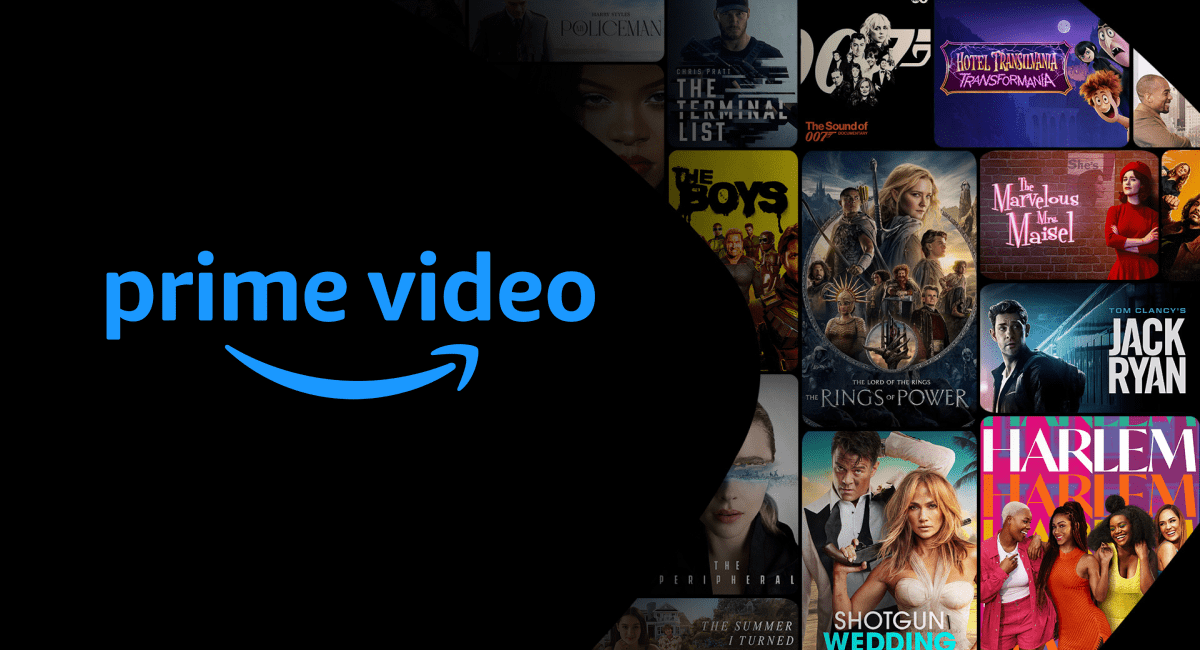
The sheer volume of content on Prime Video makes advanced personalization a necessity. The platform employs sophisticated machine learning algorithms to power its recommendation engine, which is continuously learning and adapting to user preferences. These algorithms analyze a multitude of data points: viewing history, genre preferences, search queries, ratings, watch duration, and even metadata about the content itself (actors, directors, themes). Collaborative filtering, content-based filtering, and hybrid models are used to identify patterns and predict what a user is most likely to enjoy next. This AI-driven approach goes beyond simple similarity matching; it can detect evolving tastes, identify latent interests, and even suggest content from entirely new genres. The goal is to reduce cognitive load for users and enhance content discovery, making the platform feel more curated and personal. The underlying infrastructure supporting these algorithms must be highly scalable, capable of processing vast amounts of data in real-time to generate dynamic recommendations for millions of users simultaneously.
Content Strategy and Technological Innovation
Prime Video’s technological advancements are not solely focused on delivery; they also extend to how content is presented and created. The platform has consistently pushed the boundaries of interactive viewing and high-fidelity media experiences.
Original Programming and High-Fidelity Standards
A significant portion of Amazon’s investment in Prime Video goes into developing original programming (“Amazon Originals”), securing exclusive licensing deals, and pushing the envelope on production quality. Technologically, this means investing in state-of-the-art production equipment and post-production workflows that support the highest visual and audio standards. Prime Video was an early adopter of 4K Ultra High Definition (UHD) streaming, High Dynamic Range (HDR) formats like HDR10+ (Amazon’s proprietary standard) and Dolby Vision, and immersive audio technologies like Dolby Atmos. Delivering these high-fidelity experiences requires immense bandwidth, advanced video compression techniques (e.g., HEVC H.265), and specialized hardware decoding capabilities in playback devices. Ensuring consistent color grading, dynamic range, and spatial audio across a global distribution network presents complex technical challenges, necessitating rigorous quality control and metadata management systems to preserve creative intent from studio to screen.
X-Ray Feature: IMDb Integration and Interactive Viewing
One of Prime Video’s standout technological innovations is the X-Ray feature, which leverages Amazon’s ownership of IMDb (Internet Movie Database). As a viewer watches a show or movie, X-Ray provides real-time, context-sensitive information about the actors on screen, the music playing, trivia, and behind-the-scenes facts. This interactive overlay is accessible with a single tap or click, seamlessly integrating supplementary information without interrupting the viewing experience. Technically, X-Ray relies on a sophisticated synchronization mechanism that cross-references video timestamps with a vast database of IMDb metadata. Advanced content analysis, including object recognition and audio fingerprinting, is employed to identify elements within the video frame and precisely time-align the data. This feature transforms passive viewing into an enriched, interactive experience, showcasing a powerful fusion of database technology, real-time data processing, and user interface design.
Live Sports and Event Streaming Challenges
Venturing into live sports and events streaming (e.g., NFL Thursday Night Football in the US, Premier League in the UK) introduces an entirely new set of technological hurdles compared to on-demand content. Live streaming demands ultra-low latency, massive scalability to handle sudden spikes in concurrent viewers, and absolute reliability. ABR streaming is still critical, but the encoding and distribution pipeline must operate in near real-time. This involves specialized live encoders, robust ingest pipelines, and an even more aggressive use of CDN edge caching. Technologies like WebRTC for lower latency streaming and sophisticated load balancing algorithms are employed to ensure uninterrupted service even during peak demand. The infrastructure must be fault-tolerant, with redundant systems in place to prevent outages. Delivering live events globally also requires overcoming geographical content rights management complexities and ensuring region-specific blackouts or alternate content delivery, all managed by dynamic content entitlement systems.
Navigating the Prime Video Interface and User Controls
A user’s interaction with Prime Video is primarily through its intuitive interface, designed for ease of use while offering a wealth of customization and control options. These features are backed by robust backend systems that prioritize security, personalization, and accessibility.
Profile Management and Parental Controls
Prime Video’s profile management system allows multiple users within a single Prime account to maintain separate viewing histories, watchlists, and personalized recommendations. Each profile operates as a distinct user identity within the application, ensuring that one person’s viewing habits don’t skew another’s suggestions. From a technical perspective, this involves maintaining separate user data models in the backend database, linked to a single master account ID. Crucially, parental controls are an integral part of this system. Parents can set age restrictions for specific profiles, requiring a PIN to access content above a certain rating. This is achieved through content metadata tagging (MPAA ratings, age classifications) and an access control layer that checks profile permissions against content attributes before allowing playback. The implementation ensures that content deemed inappropriate for younger viewers is effectively filtered, providing a safe viewing environment. This requires precise content tagging and a secure, tamper-proof PIN verification system.
Search and Discovery Mechanisms
With a library spanning tens of thousands of titles, an effective search and discovery mechanism is paramount. Prime Video employs advanced search algorithms that go beyond simple keyword matching. It uses natural language processing (NLP) to understand complex queries, enabling users to search by actor, director, genre, year, themes, or even specific quotes. The search results are often categorized and ranked based on relevance, popularity, and individual user preferences. Furthermore, discovery is aided by curated carousels, trending lists, and thematic collections that dynamically update based on seasonal events, new releases, and collective viewing patterns. The backend systems use inverted indices for rapid keyword searches and graph databases to model relationships between content, actors, and genres, facilitating nuanced recommendations and discovery pathways. These systems are constantly indexed and updated to ensure that new content is immediately searchable and discoverable.

Accessibility Features and Enhancements
Amazon Prime Video is committed to making its content accessible to a broader audience, incorporating a range of assistive technologies. This includes closed captions and subtitles in multiple languages, audio descriptions for visually impaired users, and navigation support for screen readers. Technically, closed captions and subtitles are delivered as separate text tracks synchronized with the video stream, allowing users to toggle them on or off and customize their appearance (font size, color). Audio descriptions are separate audio tracks that narrate important visual information (actions, settings, expressions) for those who cannot see the screen. Implementing these features requires careful adherence to international accessibility standards (e.g., WCAG guidelines) and robust content pipelines that can ingest, process, and deliver these supplementary tracks alongside the primary video and audio. The user interface also incorporates design principles that support keyboard navigation and screen reader compatibility, ensuring that individuals with various disabilities can fully interact with the platform.
In conclusion, Amazon Prime Video is far more than a media library; it is a sophisticated technological construct. Its prowess stems from a deep integration within the Amazon ecosystem, leveraging advanced streaming protocols, AI-driven personalization, and a relentless pursuit of high-fidelity media experiences. From its adaptive bitrate streaming and global CDN network to its interactive X-Ray feature and comprehensive accessibility options, Prime Video consistently demonstrates a commitment to technological innovation. As the digital entertainment landscape continues to evolve, Prime Video’s continued investment in cutting-edge software, robust infrastructure, and intelligent algorithms will undoubtedly keep it at the forefront of delivering immersive and accessible content to viewers worldwide.
aViewFromTheCave is a participant in the Amazon Services LLC Associates Program, an affiliate advertising program designed to provide a means for sites to earn advertising fees by advertising and linking to Amazon.com. Amazon, the Amazon logo, AmazonSupply, and the AmazonSupply logo are trademarks of Amazon.com, Inc. or its affiliates. As an Amazon Associate we earn affiliate commissions from qualifying purchases.