
In the ever-evolving landscape of technology, a reliable operating system is the bedrock of any computing experience. Windows 10, despite the emergence of newer versions, remains a powerhouse for many users, offering a stable, feature-rich platform for everything from professional productivity to personal entertainment. But what happens when your existing Windows installation becomes corrupted, you’re building a new PC from scratch, or you simply want a clean slate? The answer often lies in a bootable USB drive – a portable installer that can breathe new life into your hardware.
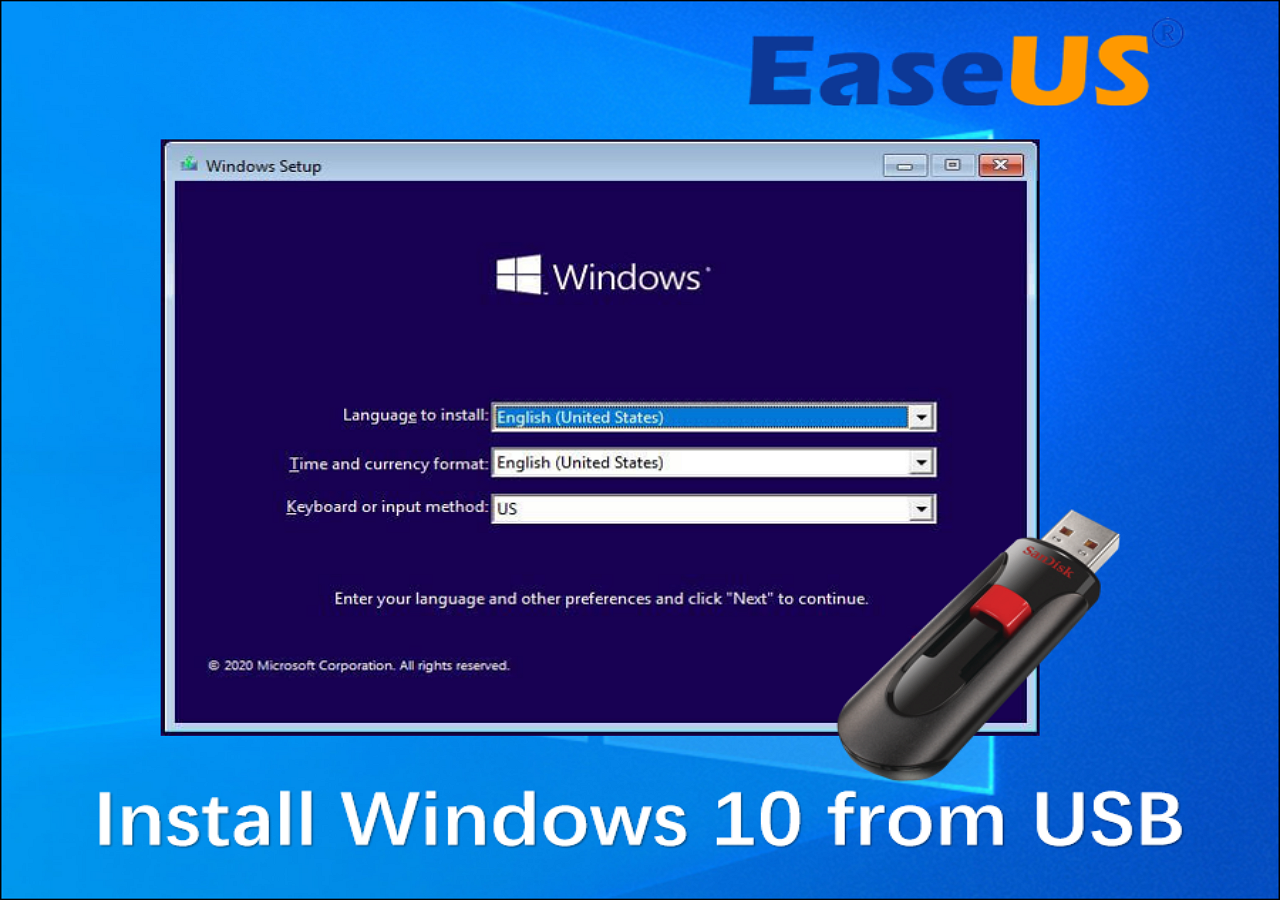
This comprehensive guide will walk you through the entire process of creating and using a Windows 10 bootable USB drive. We’ll cover everything you need to know, from gathering the necessary tools and files to performing the actual installation. Whether you’re a seasoned tech enthusiast looking for a refresher or a beginner embarking on your first DIY PC build, this tutorial is designed to be clear, concise, and actionable.
Preparing Your Toolkit: What You’ll Need
Before we dive into the technical steps, it’s crucial to ensure you have all the necessary components. Missing even one item can lead to frustrating delays. Think of this as gathering your ingredients before baking a cake – you wouldn’t want to realize you’re out of flour halfway through!
The Essential Hardware: USB Drive and PC
The primary piece of hardware you’ll need is a USB flash drive. For a Windows 10 installation, a minimum of 8GB of storage space is recommended. While some older versions of Windows might have fit on smaller drives, the Windows 10 installation media, including updates and recovery tools, has grown over time. Opting for a slightly larger drive, like 16GB, provides ample breathing room and can sometimes be beneficial for future-proofing or if you need to include additional drivers.
Crucially, all data on the USB drive will be erased during the creation of the bootable installer. Therefore, ensure that you back up any important files or documents stored on the USB drive before proceeding. It’s a small step, but one that can prevent significant data loss.
You’ll also need a functioning computer to create the bootable USB drive. This computer will be used to download the Windows 10 installation files and utilize Microsoft’s Media Creation Tool. This machine can be running Windows 7, 8, 8.1, or even another instance of Windows 10.
The Digital Blueprint: Windows 10 Installation Files
The most straightforward and recommended method for obtaining the Windows 10 installation files is through Microsoft’s official Media Creation Tool. This free utility, available directly from the Microsoft website, allows you to download the latest version of Windows 10 and create either a bootable USB drive or an ISO file. Using the official tool ensures you’re getting a legitimate, up-to-date, and virus-free copy of the operating system.
Accessing the Media Creation Tool:
- Open your web browser and navigate to the official Microsoft Windows 10 download page. A quick search for “Download Windows 10” will usually bring you to the correct portal.
- On the download page, you’ll find a button to “Download tool now.” Click this button to download the Media Creation Tool executable file.
- Once the download is complete, run the executable file. You may need administrator privileges to do so.
The tool will then guide you through the process of preparing the installation media.
Crafting the Bootable USB: Using the Media Creation Tool
The Media Creation Tool simplifies the process of creating a bootable USB drive significantly. It handles the complex task of formatting the drive and copying the necessary Windows files in the correct structure.
Step-by-Step Guide to Creating the USB Installer
Once you’ve launched the Media Creation Tool, follow these steps meticulously:
- Accept the License Terms: You’ll be presented with Microsoft’s software license terms. Read through them and click “Accept” to proceed.
- Choose “Create installation media (USB flash drive, DVD, or ISO file) for another PC”: This is the crucial option you need to select. The tool is designed for creating media to install Windows on a different computer or for a clean installation on the current one.
- Select Language, Edition, and Architecture: The tool will present you with options for language, Windows edition (e.g., Windows 10 Home, Windows 10 Pro), and architecture (32-bit or 64-bit).
- Language: Choose your preferred language.
- Edition: Typically, you’ll want to select the same edition of Windows 10 that you have a license for. If you’re unsure, or if this is for a new build without a specific license yet, Windows 10 Home or Pro are common choices.
- Architecture: For modern computers, 64-bit (x64) is the standard and recommended choice. 32-bit (x86) is generally for older hardware that doesn’t support 64-bit processing. If you’re unsure, selecting “Use recommended options for this PC” will often do the right thing if you’re using the tool on the PC you intend to install Windows on. However, if you’re preparing the drive for a different PC, it’s best to uncheck this box and manually select the architecture appropriate for the target machine.
- Choose “USB flash drive”: This is where you specify the type of media you want to create. Ensure your USB drive is plugged in.
- Select Your USB Drive: The tool will list all detected USB drives. Carefully select the correct USB drive that you intend to use. Double-check that it’s the 8GB (or larger) drive you prepared earlier, and remember that its contents will be erased.
- Download and Create: The tool will now begin downloading the necessary Windows 10 files from Microsoft’s servers. This process can take a significant amount of time, depending on your internet connection speed. Once the download is complete, the tool will automatically format the USB drive and copy the files, making it bootable.
- Completion: Once the process is finished, you’ll see a confirmation message. Click “Finish.” Your Windows 10 bootable USB drive is now ready!

Installing Windows 10: The Actual Setup Process
With your bootable USB drive in hand, you’re ready to begin the installation. This involves booting your computer from the USB drive and following the on-screen prompts.
Configuring Your BIOS/UEFI for Booting from USB
The first hurdle in installing from a USB is telling your computer to boot from it instead of its internal hard drive. This is achieved through your computer’s BIOS (Basic Input/Output System) or UEFI (Unified Extensible Firmware Interface) settings.
- Insert the USB Drive: Plug your newly created Windows 10 bootable USB drive into the computer where you want to install Windows.
- Restart or Power On: Turn on or restart the computer.
- Access BIOS/UEFI: As the computer starts up, you’ll see a prompt on the screen indicating which key to press to enter Setup or BIOS/UEFI. Common keys include F2, F10, F12, DEL, or ESC. You need to press this key repeatedly as soon as the manufacturer’s logo appears.
- Navigate to Boot Settings: Once inside the BIOS/UEFI menu, you’ll need to find the “Boot” or “Boot Order” settings. The exact location and terminology can vary significantly between motherboard manufacturers and BIOS versions. Look for options like:
- “Boot Sequence”
- “Boot Priority”
- “Boot Device Configuration”
- “UEFI Boot Order”
- Set USB as the First Boot Device: In the boot order settings, you’ll see a list of available boot devices. You need to move your USB drive to the top of this list. The USB drive might be listed by its brand name (e.g., “Kingston DataTraveler”) or as a generic “USB HDD” or “Removable Device.” Use the on-screen instructions (usually arrow keys and Enter) to change the order.
- Save and Exit: Once you’ve set the USB drive as the primary boot device, navigate to the “Save & Exit” or “Exit” menu. Select the option to “Save Changes and Exit” (often triggered by the F10 key). The computer will then restart.
If you’ve correctly configured the boot order, the computer should now boot from the USB drive, and you’ll see the Windows 10 setup screen.
The Windows 10 Installation Wizard: Step-by-Step
Once the computer boots from the USB, you’ll be greeted by the familiar Windows 10 setup wizard.
- Language, Time, and Keyboard Input: The first screen will ask you to select your language, time and currency format, and keyboard or input method. Choose the appropriate options and click “Next.”
- “Install Now”: On the next screen, click the prominent “Install now” button.
- Product Key (or Skip): You’ll be prompted to enter your Windows 10 product key.
- If you have a product key: Enter it now.
- If you’re performing a clean install on a machine that previously had Windows 10 activated: You can often click “I don’t have a product key.” Windows will automatically activate itself later when it connects to the internet, provided the hardware hasn’t changed significantly.
- If you’re installing a different edition or a new license: You’ll need the appropriate product key.
- Select Operating System (if applicable): If you chose “I don’t have a product key” and the USB contains multiple editions, you’ll be asked to select the edition of Windows 10 you want to install (e.g., Windows 10 Home, Windows 10 Pro).
- Accept License Terms: Again, you’ll need to accept the Microsoft license terms. Check the box and click “Next.”
- Choose Installation Type: This is a critical step:
- Upgrade: This option attempts to install Windows 10 while keeping your files, settings, and applications. This is generally only available if you’re running an older, compatible version of Windows and launching the setup from within that OS. Since we’re booting from USB, this option is less relevant.
- Custom: Install Windows only (advanced): This is the option you want for a clean installation or when installing on a new drive. It allows you to manage partitions and install Windows fresh. Select this.
- Disk Partitioning: You’ll see a list of drives and partitions on your computer.
- For a clean install on a new drive: Select the unallocated space on your new hard drive or SSD and click “New” to create a partition, then click “Apply.” Windows will automatically create necessary system partitions. Then, select the primary partition you just created and click “Next.”
- For a clean install on a drive with an existing OS: Be extremely careful here. You will likely want to delete existing Windows partitions (System Reserved, Recovery, Primary) to start fresh. Ensure you’ve backed up any data you want to keep from those partitions, as they will be erased. Select the partition where you want to install Windows (usually the largest one), and click “Delete.” Repeat for any related partitions. Then, select the resulting “Unallocated Space” and click “Next.”
- If you’re unsure: It’s always safer to let Windows manage the partitions by selecting the drive and clicking “Next,” especially if it’s a new drive.
- Installation Progress: Windows will now begin installing. This involves copying files, installing features, installing updates, and finishing up. Your computer will restart several times during this process. Crucially, after the first restart, you need to remove the USB drive or quickly re-enter your BIOS/UEFI settings to change the boot order back to your hard drive/SSD. If you don’t, the computer might boot back into the USB installer and start the process again.
- Out-of-Box Experience (OOBE): After the final restart, you’ll enter the Out-of-Box Experience, where you’ll configure basic settings:
- Region and keyboard layout confirmation.
- Network connection (Wi-Fi or Ethernet).
- Account setup (Microsoft account or local account).
- Privacy settings.
- Cortana setup (optional).
Once you’ve completed the OOBE, you’ll be presented with your new Windows 10 desktop. Congratulations, you’ve successfully installed Windows 10 via USB!
Post-Installation Essentials: Updates and Drivers
Installing Windows is just the first step. To ensure optimal performance, stability, and security, there are a few crucial post-installation tasks to complete.
Ensuring You Have the Latest Updates
Windows Update is a cornerstone of digital security and system stability. It delivers critical security patches, bug fixes, and feature enhancements.
- Connect to the Internet: Ensure your computer is connected to the internet (via Wi-Fi or Ethernet).
- Open Settings: Click the Start button and then the gear icon to open the “Settings” app.
- Go to “Update & Security”: Click on this option.
- Check for Updates: Click the “Check for updates” button. Windows will scan for available updates and begin downloading and installing them automatically. This process can take a while and may require multiple restarts. It’s a good practice to run “Check for updates” multiple times until no more updates are found.
Installing Essential Drivers
Drivers are software that allow Windows to communicate with your computer’s hardware components (graphics card, sound card, network adapter, motherboard chipset, etc.). While Windows 10 often installs generic drivers automatically, installing the specific drivers from your hardware manufacturers will unlock the full potential of your components and ensure smooth operation.
- Identify Missing Drivers: Open the “Device Manager” by right-clicking the Start button and selecting it. Any devices with a yellow exclamation mark next to them indicate a driver issue.
- Motherboard Drivers: Visit the website of your motherboard manufacturer (e.g., ASUS, Gigabyte, MSI, ASRock) and find the support or download section for your specific motherboard model. Download and install the latest chipset drivers, audio drivers, LAN drivers, and any other relevant motherboard components.
- Graphics Card Drivers: If you have a dedicated graphics card (Nvidia, AMD, or Intel integrated graphics), go to the manufacturer’s website and download the latest drivers for your specific GPU model. This is crucial for gaming and graphics-intensive tasks.
- Other Hardware: For any other devices that seem to be missing drivers, identify the manufacturer and model and search their website for appropriate drivers.
By following these steps, you’ll have a fully functional and up-to-date Windows 10 installation, ready for whatever you throw at it. This process, while seeming detailed, is a fundamental skill for anyone looking to maintain, upgrade, or build their own PC. The ability to perform a clean install from a USB drive is an invaluable tool in your tech arsenal.
aViewFromTheCave is a participant in the Amazon Services LLC Associates Program, an affiliate advertising program designed to provide a means for sites to earn advertising fees by advertising and linking to Amazon.com. Amazon, the Amazon logo, AmazonSupply, and the AmazonSupply logo are trademarks of Amazon.com, Inc. or its affiliates. As an Amazon Associate we earn affiliate commissions from qualifying purchases.