
For investors, analysts, and the financial media, the release of a major company’s quarterly earnings report is a pivotal event, none more so than for Apple Inc. (AAPL). As one of the world’s largest and most influential corporations, Apple’s financial disclosures not only offer a deep dive into its own performance but also provide significant insights into consumer spending, global supply chains, and the broader technology sector. Understanding when these reports are due, what to look for, and how they impact the market is crucial for anyone with an interest in the company or the financial landscape it inhabits.
The Financial Calendar of a Tech Giant
Publicly traded companies are legally obligated to regularly report their financial results to shareholders and regulatory bodies. For a company of Apple’s stature, these reports are meticulously anticipated and analyzed, far beyond simple compliance.
Regulatory Mandates and Investor Expectations
Under U.S. Securities and Exchange Commission (SEC) regulations, companies like Apple must file Form 10-Q quarterly reports and an annual Form 10-K. These documents provide a comprehensive overview of the company’s financial health, operations, and risks. However, preceding these formal filings, companies typically issue an earnings press release and host a conference call with analysts and investors. This initial announcement is what truly captures market attention, setting the tone for subsequent analyses.
For Apple, the stakes are particularly high. Its immense market capitalization means that its performance can significantly sway major market indices, affecting countless investment portfolios. Investors eagerly await these reports to gauge the effectiveness of Apple’s strategies, the demand for its products and services, and its future growth prospects.
Decoding Apple’s Fiscal Quarters
Unlike many companies that follow a standard calendar year, Apple operates on a fiscal year that concludes on the last Saturday of September. This means its fiscal quarters do not perfectly align with calendar quarters, a detail essential for interpreting its financial reports.
Apple’s fiscal quarters are structured as follows:
- Fiscal Q1: Ends in December (reports results for the crucial holiday shopping season, typically in late January or early February).
- Fiscal Q2: Ends in March (reports results typically in late April or early May).
- Fiscal Q3: Ends in June (reports results typically in late July or early August).
- Fiscal Q4: Ends in September (reports results typically in late October or early November).
The exact date of each earnings release is not fixed but generally falls within a predictable window. For instance, Q1 earnings (which cover the holiday quarter, including new iPhone launches) are arguably the most watched, offering insights into peak consumer demand.
Pinpointing the Announcement Date
While there’s a general timeframe for Apple’s earnings releases, investors need precise dates to prepare for the market’s reaction. Fortunately, this information is readily accessible through official and reputable financial channels.
Official Sources: Investor Relations and SEC Filings
The most reliable source for Apple’s earnings release date is its official Investor Relations website. Typically, a few weeks before the scheduled release, Apple will publish a press release announcing the date and time of its earnings call. This is usually accompanied by details on how to access the webcast of the call.
Additionally, formal SEC filings can provide confirmation, although the initial press release usually precedes the filing of the full 10-Q or 10-K. An 8-K filing is often used to announce the earnings press release itself. Regularly checking Apple’s investor relations page is the most direct method.
The Pre-Announcement Buzz and Wall Street Calendars
Beyond official channels, various financial news outlets, data providers (such as Bloomberg, Reuters, FactSet, and S&P Global Market Intelligence), and specialized earnings calendar websites track and predict these dates. These platforms consolidate information from company announcements, historical patterns, and analyst estimates, offering a convenient overview for the broader market. Financial analysts often set their models and expectations based on these widely published calendars.
The earnings call itself is a critical component of the release. During this webcast, Apple’s CEO, CFO, and other executives discuss the results, provide context, and offer forward-looking guidance. This is followed by a Q&A session where analysts can probe deeper into the company’s performance and outlook.
What Investors Scrutinize Beyond the Headline Numbers
While the headline figures like revenue and earnings per share grab immediate attention, a deeper dive into Apple’s earnings report reveals a wealth of information crucial for a comprehensive financial assessment.
Revenue and Earnings Per Share (EPS): The Core Metrics
Revenue indicates the total sales generated over the quarter, offering a direct measure of market demand for Apple’s products and services. Earnings Per Share (EPS), derived from net income divided by outstanding shares, measures profitability on a per-share basis and is often the primary metric used for stock valuation models.
Investors and analysts closely compare these figures to prior periods and, more critically, to analyst estimates. Beating or missing these consensus estimates by a significant margin often dictates the immediate stock price reaction, even if the absolute numbers are strong.
Segmented Performance: Products vs. Services
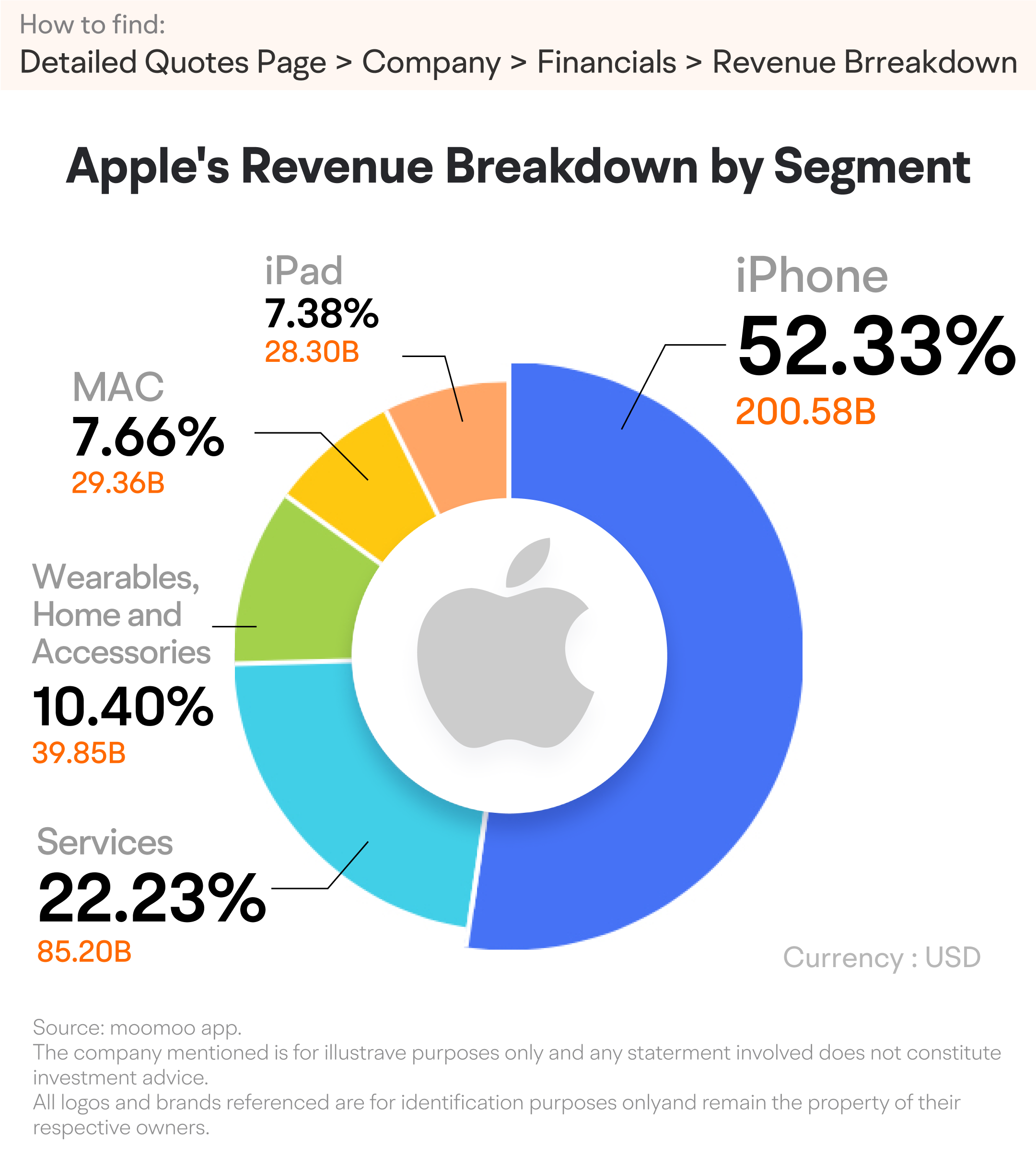
Apple’s diversified business model necessitates a granular view of its revenue streams. The company typically breaks down revenue by:
- iPhone: Remains Apple’s flagship product and largest revenue contributor. Demand here is a key indicator of consumer health and competitive positioning.
- Mac: Performance reflects demand in the personal computing market, often influenced by new product cycles and professional user adoption.
- iPad: Indicates trends in the tablet market, which has seen fluctuating demand.
- Wearables, Home, and Accessories: This segment, including Apple Watch, AirPods, and HomePod, represents growth areas beyond traditional devices and showcases Apple’s ecosystem expansion.
- Services: This increasingly vital segment includes the App Store, Apple Music, iCloud, Apple Pay, AppleCare, advertising, and other digital offerings. Its consistent growth, high margins, and recurring revenue nature are critical for Apple’s long-term valuation and diversification strategy, making it a major focus for investors.
Analyzing the growth rates and profit margins of each segment provides insight into where Apple is succeeding, where it faces challenges, and how its business mix is evolving.
Gross Margins, Operating Income, and Cash Flow
Beyond revenue, profitability metrics offer a more nuanced view of efficiency and financial health:
- Gross Margin: The percentage of revenue left after deducting the cost of goods sold. A high gross margin indicates efficient production and strong pricing power.
- Operating Income: Revenue minus both cost of goods sold and operating expenses (like R&D and sales & marketing). It shows profitability from core operations before interest and taxes.
- Free Cash Flow (FCF): The cash generated by a company after accounting for cash outflows to support operations and maintain its capital assets. Apple’s robust FCF is a major draw for investors, enabling substantial share buybacks, dividends, and strategic investments. It’s a key indicator of financial flexibility and health.
Forward Guidance and Conference Call Insights
Perhaps as important as the historical results is Apple’s forward guidance for the upcoming quarter. This outlook from management provides invaluable insight into their expectations for sales, gross margins, and operating expenses. A conservative or aggressive forecast can significantly influence analyst models and investor sentiment.
The conference call following the release offers a qualitative layer to the quantitative data. Executives often elaborate on market trends, supply chain dynamics, new product initiatives, and strategic priorities. The Q&A session allows analysts to press for details and clarify ambiguities, often revealing nuances that aren’t apparent in the press release alone.
The Market’s Reaction: Volatility and Long-Term Implications
Apple’s earnings reports almost invariably trigger significant market activity, impacting its stock price and sometimes the broader market.
Short-Term Swings and Post-Market Trading
Due to the intense scrutiny, Apple’s stock often experiences considerable volatility immediately following an earnings announcement, particularly in after-hours and pre-market trading. If results or guidance significantly beat or miss expectations, the stock can swing dramatically by several percentage points within minutes. This rapid adjustment reflects market participants quickly repricing the stock based on new information. Traders often try to capitalize on these short-term movements, while long-term investors typically look beyond the immediate noise.
Analyst Revisions and Investor Sentiment
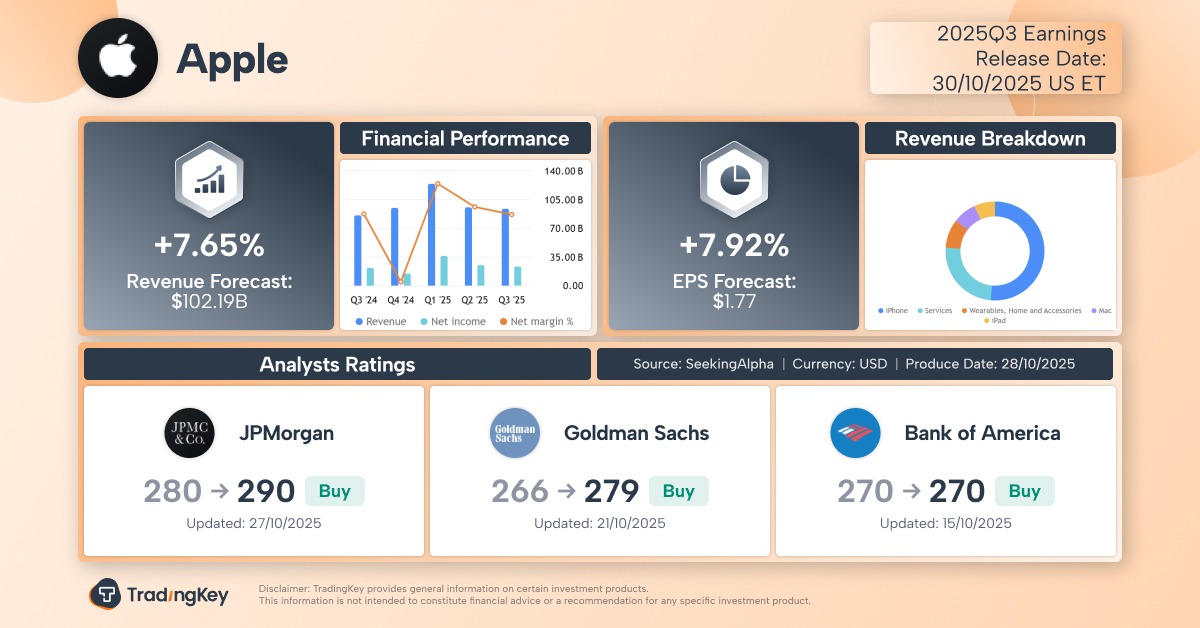
Following the earnings release and conference call, financial analysts from various investment banks and research firms will digest the information and often revise their price targets, earnings estimates, and ratings for Apple. These revisions can create a ripple effect, influencing institutional investment decisions and shaping overall investor sentiment towards the stock. Positive analyst sentiment can provide sustained upward momentum, while widespread downgrades can exacerbate declines. Given Apple’s heavy weighting in major indices, its performance can also influence investor sentiment towards the technology sector as a whole.
Strategic Considerations for Apple Investors
For those holding or considering an investment in Apple, approaching earnings season with a clear strategy is paramount.
Diligence Over Speculation
While the allure of quick gains or fears of rapid losses can be strong around earnings, long-term investors should prioritize due diligence over speculation. Instead of solely reacting to headline numbers, a thorough understanding of the company’s business model, competitive landscape, and growth drivers is essential. Use the earnings report as one piece of a larger puzzle to confirm or challenge your investment thesis, rather than as a singular determinant. Focus on trends in key metrics, management’s strategic commentary, and the long-term outlook.
Diversification and Risk Management
Even for a robust company like Apple, earnings reports carry inherent risks. Unforeseen misses, conservative guidance, or macroeconomic headwinds can lead to sudden price drops. Diversification across different sectors and asset classes is a fundamental principle of risk management, ensuring that no single company’s performance unduly impacts your overall portfolio. An Apple earnings report is an excellent opportunity to review your overall asset allocation and ensure your investment strategy remains aligned with your risk tolerance and financial goals. For many, Apple represents a core holding, but even core holdings should be managed within a diversified framework.
aViewFromTheCave is a participant in the Amazon Services LLC Associates Program, an affiliate advertising program designed to provide a means for sites to earn advertising fees by advertising and linking to Amazon.com. Amazon, the Amazon logo, AmazonSupply, and the AmazonSupply logo are trademarks of Amazon.com, Inc. or its affiliates. As an Amazon Associate we earn affiliate commissions from qualifying purchases.