
The seemingly simple question, “Where can I get free boxes near me?”, unlocks a surprising depth of financial wisdom. In a world where every penny counts, and conscious budgeting is paramount, understanding how to acquire essential resources without expenditure can translate into significant savings. Whether you’re planning a major move, organizing your home, launching a small business, or simply looking for storage solutions, the cost of moving and storage supplies can quickly accumulate, often unexpectedly. Boxes, tapes, packing paper, and bubble wrap—these necessities, when purchased new, represent a notable line item in any budget.
This article delves into the strategic financial advantages of sourcing free boxes, exploring how this seemingly minor act contributes to broader personal and business financial health. We’ll uncover where these valuable resources can be found in your local community, offer best practices for acquiring and utilizing them effectively, and ultimately demonstrate how embracing this frugal approach can free up capital for more critical investments or mitigate the financial stress associated with significant life events. Embracing the hunt for free boxes isn’t just about saving a few dollars; it’s about cultivating a resourceful mindset that pays dividends across your entire financial landscape.
The Undeniable Financial Advantage of Free Boxes
The pursuit of free boxes transcends mere convenience; it’s a shrewd financial strategy that directly impacts your budget, enhances financial flexibility, and even aligns with sustainable economic practices. Understanding these multifaceted benefits is key to appreciating the true value of a diligent search for used cardboard.
Direct Cost Savings: More Than Just Cardboard
At face value, a box is just cardboard. Yet, when you start tallying the costs for a significant undertaking like a household move, the numbers can be startling. A single new moving box can cost anywhere from $1 to $5, depending on its size and quality. For an average 3-bedroom house move, requiring 50-70 boxes, this quickly escalates to a $50 to $350 expenditure, solely on boxes. Add specialty boxes for dishes, wardrobes, or electronics, and that figure can easily double or triple.
For small businesses, especially those involved in e-commerce or shipping, the recurring cost of packaging can become a substantial overhead. Custom-branded boxes, while aesthetically pleasing, can be prohibitively expensive for startups or businesses operating on tight margins. Even generic new shipping boxes, purchased in bulk, represent a continuous drain on operational funds. By strategically sourcing free boxes, individuals and businesses can entirely eliminate or drastically reduce this expense, directly translating to more disposable income for personal use or reinvestment into business growth. This is not just saving pocket change; it can mean hundreds, if not thousands, of dollars back in your pocket over time, particularly for frequent movers or high-volume shippers. This tangible saving directly bolsters your personal cash flow or improves your business’s profit margins, highlighting how a seemingly small decision can have a significant financial ripple effect.
Reallocating Funds: Maximizing Your Budget
One of the most powerful financial benefits of acquiring free boxes is the ability to reallocate saved funds to other, often more critical, areas. Imagine the scenario of a family moving across states. The costs involved are immense: rental trucks or professional movers, fuel, temporary accommodation, utility setup fees, and potential deposits. Every dollar saved on packing materials is a dollar that can be redirected to lessen the burden of these larger, unavoidable expenses.
For instance, the $200-$500 saved on boxes could instead be used to:
- Hire professional packers for fragile items: Reducing stress and risk of damage.
- Cover insurance for your belongings: Providing peace of mind during transit.
- Invest in better quality moving equipment: Such as dollies or furniture blankets, protecting your possessions and making the move easier.
- Boost an emergency fund: Creating a buffer for unexpected moving-day glitches or future financial needs.
- Fund a down payment on a larger rental truck: Potentially reducing the number of trips needed.
For small businesses, these reallocated funds can be pivotal. Instead of buying boxes, a business could invest in:
- Marketing and advertising: To attract more customers.
- Inventory expansion: To meet growing demand.
- Software subscriptions: To streamline operations and improve efficiency.
- Employee training or development: Enhancing workforce capabilities.
- Seed capital for a new product line: Driving innovation and growth.
This strategic reallocation transforms a cost-saving measure into a proactive financial optimization tool, allowing individuals and businesses to leverage their resources more effectively towards their primary goals.
Sustainable Savings: An Eco-Friendly Financial Choice
Beyond immediate monetary gains, the act of seeking out and reusing free boxes carries an inherent eco-financial advantage. By giving a second life to cardboard that would otherwise be destined for recycling or, worse, landfills, you’re participating in a circular economy. This reduces demand for new cardboard production, which in turn saves natural resources (trees, water, energy) and lessens the environmental footprint of waste management.
From a financial perspective, this sustainable choice can lead to indirect but tangible benefits. Businesses that prioritize eco-friendly practices can often gain a competitive edge, attracting environmentally conscious consumers and potentially qualifying for sustainability grants or incentives. Individuals contribute to a healthier planet, potentially reducing future costs associated with environmental degradation (e.g., higher taxes for waste management, health impacts). Furthermore, the conscious habit of seeking out reusable resources fosters a broader frugal mindset. When you’re actively looking for free boxes, you’re training yourself to identify opportunities for saving and resourcefulness in other areas of your life, leading to long-term financial health. It’s a small step that reinforces a powerful principle: waste is a resource waiting to be repurposed, and that repurposing can save you money and benefit the planet simultaneously.
Strategic Sourcing: Tapping into Local Goldmines
Finding free boxes isn’t about luck; it’s about strategic thinking and knowing where to look. Your local community is brimming with businesses and individuals eager to offload their surplus cardboard, often saving them the hassle and cost of disposal.
Retailers and Businesses: Your First Stop for Freebies
Many local businesses receive daily or weekly shipments, resulting in a constant stream of empty, sturdy boxes. These establishments often welcome individuals who are willing to take these boxes off their hands, as it reduces their waste disposal volume and cost.
- Grocery Stores: These are goldmines, especially for medium to large-sized boxes. Think about produce boxes (banana boxes are legendary for their strength and built-in handles), dairy boxes, and general stock boxes. The best time to ask is often early in the morning, right after their overnight deliveries, or late evenings before they prepare for recycling.
- Liquor Stores: Known for their exceptionally sturdy boxes, designed to carry heavy glass bottles. These are ideal for books, fragile items, or anything that requires robust protection. Ask staff members during off-peak hours.
- Bookstores: While many retail chains have closed, independent bookstores or larger chain stores still receive heavy shipments, yielding excellent quality boxes, perfect for books or dense items.
- Pharmacies and Drugstores: These often have smaller, clean boxes suitable for medicines, toiletries, and other smaller, delicate items.
- Office Supply Stores: They receive large shipments of paper, stationery, and equipment, resulting in a variety of box sizes, often clean and sturdy.
- Appliance and Electronics Stores: For very large items, such as TVs, microwaves, or small appliances, these stores are excellent sources. Be mindful that these boxes might be quite bulky and require suitable transport.
- Fast Food Restaurants: Often have sturdy, smaller boxes from fry oil, condiments, or other bulk ingredients. These are great for small, heavy items or as fillers.
- Local Businesses (Any Type): Don’t hesitate to ask at any local shop, boutique, or office that receives deliveries. Many small businesses are more than happy to help if you ask politely and during a non-busy period.
When approaching these businesses, always be polite, ask for a manager or supervisor, and be flexible with pickup times. Offer to take a specific type or quantity of boxes, rather than just saying “any boxes.” Being respectful of their operations will significantly increase your chances of success.
Community Networks: The Power of Local Connection
In the digital age, connecting with others in your community has never been easier, and these networks are often overflowing with free resources, including boxes.
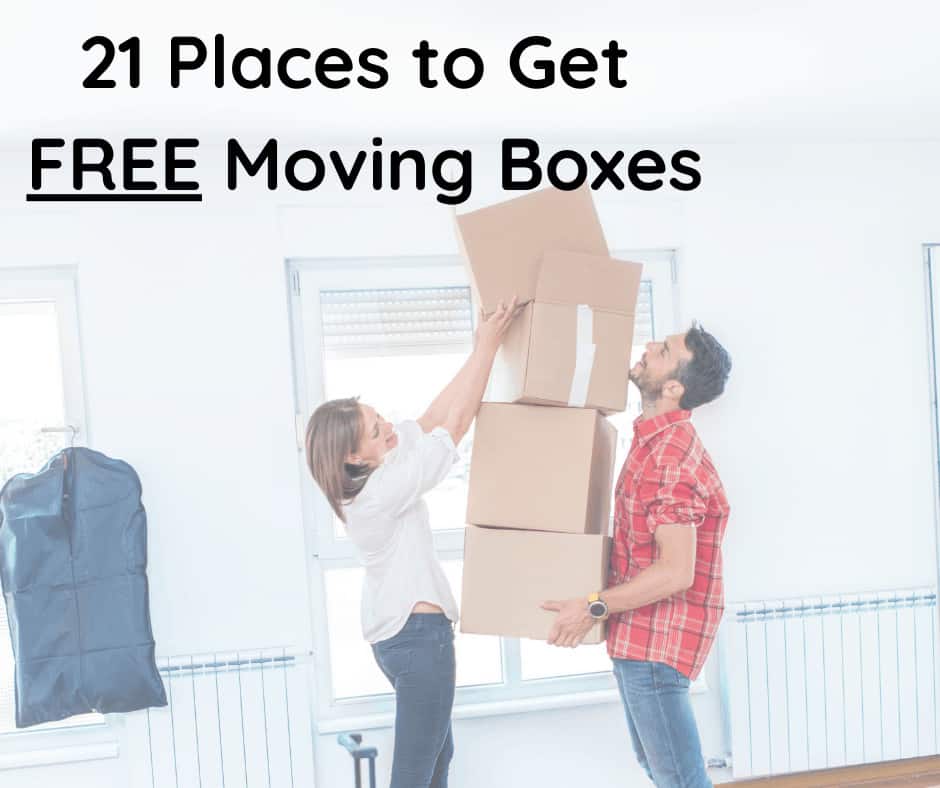
- Facebook Marketplace & Local Buy Nothing Groups: These platforms are incredibly effective. Join local “Buy Nothing” groups, where members offer items they no longer need for free, and make specific requests for moving boxes. Similarly, monitor Facebook Marketplace for “free” listings. Many people who have just moved are eager to get rid of their empty boxes, often offering them in large bundles.
- Nextdoor: This neighborhood-focused social network is excellent for connecting with immediate neighbors. Post a request for boxes, and you’ll often find someone nearby who just unpacked or has extra boxes from a recent delivery.
- Craigslist (Free Section): A long-standing platform for freebies, Craigslist’s “Free” section often lists moving boxes, especially in metropolitan areas. Be sure to exercise caution and follow standard safety practices when arranging pickups with strangers.
- Word-of-Mouth: Sometimes the oldest methods are the best. Let friends, family, and colleagues know you’re looking for boxes. You’d be surprised how many people have a stash in their garage or know someone who just moved.
- Community Centers & Libraries: While not direct sources of boxes, these places often have bulletin boards where people post “free items” or “looking for” requests. They can also connect you with local recycling initiatives or community resource programs.
Leveraging these networks not only helps you find boxes but also strengthens community ties and promotes a culture of sharing and reuse, aligning with principles of economic sustainability and local support.
Service Providers: Unconventional Box Sources
Think beyond traditional retail for your box hunt. Various service providers and institutions also generate a significant volume of reusable cardboard.
- Schools and Universities: During student move-out periods or after large textbook/supply deliveries, educational institutions can have a surplus of boxes. Contact their facilities or administrative offices.
- Hospitals and Medical Facilities: While highly sensitive about waste disposal, some administrative or non-clinical departments might have clean boxes from supplies that are safe to reuse. It’s always worth a polite inquiry.
- Recycling Centers: Some larger recycling facilities might have areas where reusable items, including sturdy boxes, are set aside before processing. Check with your local center for their policies.
- Delivery Drivers (UPS, FedEx, Amazon): While they typically can’t give you boxes from their trucks, they often know of businesses on their route that generate a lot of clean, empty boxes. A friendly chat might yield valuable leads.
- Construction Sites (Non-Hazardous): New construction often involves large deliveries of fixtures, appliances, or materials, generating very large and sturdy boxes. Always ask permission from the site foreman, and only take clean boxes free of construction debris.
These unconventional sources require a bit more proactive outreach and flexibility, but they can yield a treasure trove of boxes, particularly if you need specialized sizes or large quantities.
Best Practices for Acquiring and Utilizing Free Boxes
Once you’ve located potential sources, approaching the acquisition and subsequent use of free boxes with a strategic mindset will maximize your efforts and ensure a smooth, financially savvy outcome.
Timing and Logistics: Planning for Success
Successful box acquisition is often about timing and preparation.
- Best Time to Ask: For businesses, off-peak hours (mid-mornings or late afternoons on weekdays) are generally best. Staff will have more time to assist you and fewer customers to attend to. Avoid busy weekends or just before closing.
- Be Prepared for Transport: Bring a large vehicle if possible (SUV, truck, van). A utility cart or hand truck can also be invaluable, especially if you’re collecting from multiple locations. Collapsing boxes flat will allow you to transport more at once.
- Inspect Before Taking: Always check boxes for cleanliness, structural integrity, and pests. Avoid boxes that are damp, greasy, stained, or have any signs of insect infestation. Food-grade boxes from grocery stores are often ideal as they are typically clean and sturdy. Liquor boxes are also excellent for their durability.
- Don’t Be Picky (Initially): While you might want specific sizes, take what’s available and suitable. You can always refine your collection later. A mix of sizes is often more useful than a uniform set.
Smart Storage and Organization: Protecting Your Valuables
The efficacy of free boxes hinges on how well you utilize them.
- Sort by Size and Strength: Categorize your collected boxes. Use smaller, sturdier boxes for heavy items like books, tools, or canned goods. Larger, lighter boxes are perfect for linens, towels, pillows, and clothing.
- Reinforce as Needed: Even sturdy boxes can benefit from extra tape along the bottom seams, especially if they’ve been used before or if you’re packing particularly heavy items. A roll of good quality packing tape is a small investment that can prevent big problems.
- Label Meticulously: Labeling is crucial, regardless of whether your boxes are new or free. Clearly mark the contents and the room they belong in. Numbering boxes and creating a master inventory list can be a financial lifesaver if anything goes missing or is misplaced, helping with insurance claims or efficient unpacking.
- Use Proper Packing Techniques: Just because the boxes are free doesn’t mean you should skimp on packing technique. Wrap fragile items, fill voids with packing paper or crumpled newspaper (also often free!), and ensure boxes are not over-packed or under-packed.
Beyond Moving: Versatile Uses for Your Free Haul
The financial benefits of free boxes extend far beyond a single move or initial business setup.
- Long-Term Storage: Free boxes are perfect for organizing seasonal items, holiday decorations, or sentimental belongings in attics, garages, or storage units, saving you from buying new storage containers.
- Shipping for Side Hustles/E-commerce: If you run an online shop or a side hustle that involves shipping products (e.g., selling on eBay, Etsy, Poshmark), a steady supply of free boxes can drastically reduce your operational costs and boost your profit margins. This is a direct, ongoing financial benefit.
- Home Organization: Use them to sort clutter, create temporary filing systems, or organize closets and pantries. This can lead to a more efficient home environment, potentially saving time (which has an economic value) and preventing duplicate purchases.
- Creative Projects & Kids’ Play: While not directly financial, repurposing boxes for creative play (forts, costumes, dioramas) for children saves money on buying new toys or craft supplies, indirectly contributing to the household budget.
- Gift Wrapping/Packaging: For homemade gifts or small business products, creatively decorated free boxes can add a personal touch without the expense of retail packaging.
By adopting a proactive and resourceful approach to free boxes, you unlock a continuous stream of financial savings and practical utility.
The Broader Financial Impact: Beyond the Cardboard
The choice to actively seek out and utilize free boxes is more than just a momentary financial decision; it’s an embodiment of a broader financial philosophy that yields lasting benefits.
Fostering a Frugal Mindset: A Habit of Saving
The act of consciously searching for free boxes cultivates and reinforces a frugal mindset. It trains you to look for value, consider alternatives to purchasing new, and recognize opportunities for saving across all aspects of your life. This habit of seeking out cost-effective solutions can translate into:
- Mindful Spending: You become more aware of unnecessary expenditures and more inclined to question whether a new purchase is truly essential.
- Resourcefulness: You develop a knack for repurposing, repairing, and creatively solving problems with existing resources, reducing the need for new purchases.
- Budget Adherence: The satisfaction of saving money on something as fundamental as boxes encourages greater discipline in sticking to broader financial goals and budgets.
- Debt Reduction: Every dollar saved, whether on boxes or other items, is a dollar that can be directed towards paying down debt faster, reducing interest accrual and freeing up future income.
- Increased Savings: Conversely, saved money can be channeled into emergency funds, investment accounts, or retirement savings, accelerating your path to financial security.
This snowball effect means that a simple decision to get free boxes can be a catalyst for a more financially disciplined and prosperous lifestyle. It teaches the invaluable lesson that small savings, consistently applied, accumulate into substantial financial strength.
Supporting Local Economies and Sustainability
While the direct financial benefit of free boxes is personal, the broader practice contributes to a healthier local economy and environmental sustainability—both of which have long-term economic implications.
- Reduced Waste Management Costs: By taking boxes off businesses’ hands, you are indirectly helping them save on waste disposal fees. This can keep business costs down, potentially translating to more competitive pricing for consumers or enabling businesses to invest more locally.
- Environmental Stewardship: Every box reused means one less new box produced and one less box in a landfill. This reduces pressure on natural resources and waste processing infrastructure. From a macro-economic perspective, a healthier environment can lead to lower public health costs and greater long-term economic stability, as resources are conserved.
- Community Engagement: The interactions involved in asking for boxes from local businesses or connecting with neighbors foster community ties. A strong, interconnected community can lead to greater resilience during economic downturns and a more vibrant local marketplace.
- Promoting Circular Economy Principles: By participating in the reuse of materials, you’re actively supporting the principles of a circular economy, where resources are kept in use for as long as possible. This approach can lead to greater resource efficiency and reduced reliance on finite resources, which is a key component of long-term economic sustainability.
In essence, the hunt for free boxes is more than a personal money-saving hack. It’s a micro-action with macro-impact, reflecting and reinforcing smart financial habits, supporting local commerce, and contributing to a more sustainable and economically sound future.
The journey to find free boxes near you is a quintessential example of how small, deliberate financial decisions can yield significant benefits. It directly impacts your personal or business budget, allowing for reallocation of funds to more pressing needs, and fosters a valuable frugal mindset that extends beyond mere cardboard. By strategically sourcing from local businesses and community networks, employing smart packing techniques, and recognizing the broader utility of these free resources, you’re not just saving money—you’re cultivating a resourceful approach to life that has enduring financial advantages. Embrace the hunt for free boxes; it’s a testament to savvy financial management and a smart step towards a more economically sound and sustainable future.
aViewFromTheCave is a participant in the Amazon Services LLC Associates Program, an affiliate advertising program designed to provide a means for sites to earn advertising fees by advertising and linking to Amazon.com. Amazon, the Amazon logo, AmazonSupply, and the AmazonSupply logo are trademarks of Amazon.com, Inc. or its affiliates. As an Amazon Associate we earn affiliate commissions from qualifying purchases.