
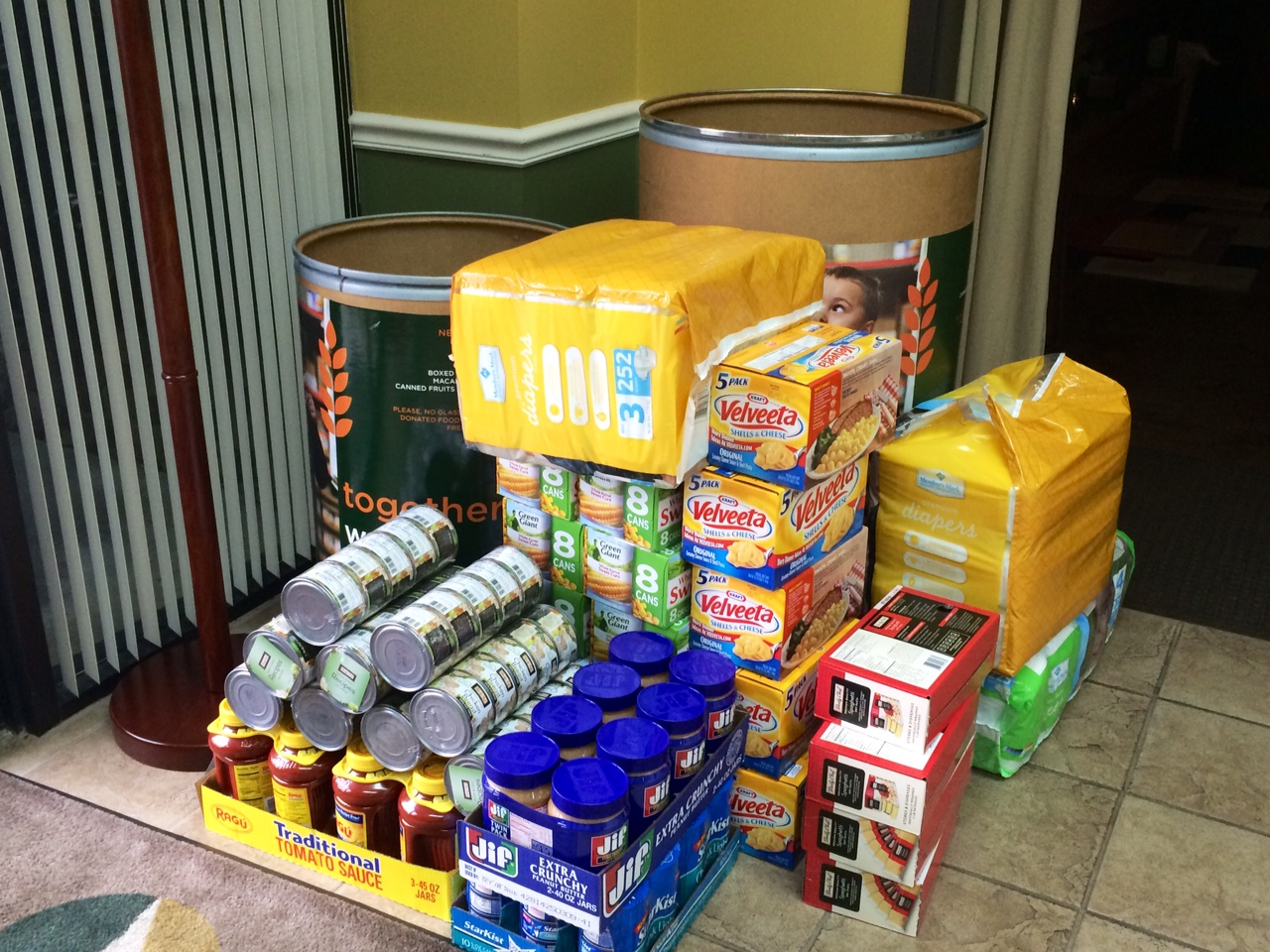
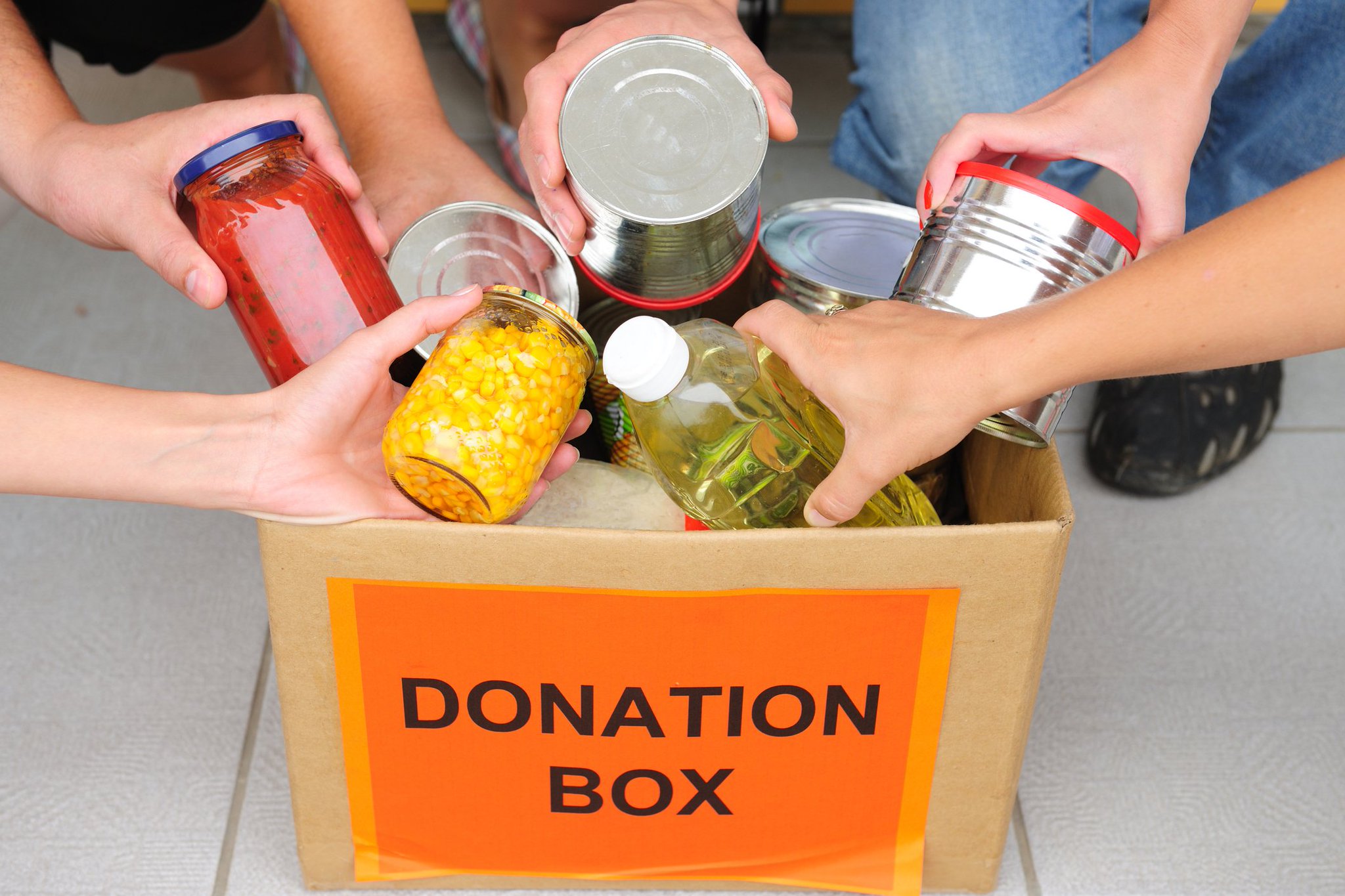
The question “where can I drop off food donations?” resonates with a growing number of individuals and businesses eager to combat food waste and address food insecurity. In an age defined by digital innovation, the answer to this seemingly simple query is increasingly found not just in physical locations, but in the sophisticated technological tools that connect surplus food with those in need. From intuitive mobile applications to advanced logistical systems, technology is revolutionizing the landscape of food rescue, making charitable giving more accessible, efficient, and impactful than ever before. This article delves into how various technologies empower donors, streamline operations, and build a more connected ecosystem for fighting hunger.
The Digital Revolution in Food Rescue
The quest to find a suitable drop-off point for food donations used to involve phone calls, internet searches, and often, a degree of uncertainty. Today, technology has transformed this process into a seamless digital experience, providing immediate access to a wealth of information and direct pathways to giving.
Mobile Apps and Online Platforms: Your Digital Compass
One of the most significant advancements in food donation is the proliferation of dedicated mobile applications and online platforms. These tools act as digital compasses, guiding donors directly to the nearest and most appropriate food donation centers. Apps like FoodFinder allow users to locate nearby food banks, pantries, and shelters simply by entering their zip code or enabling location services. Similarly, many national organizations, such as Feeding America, offer robust online locators that map out their vast networks of member food banks across the country, complete with addresses, operating hours, and specific donation guidelines.
Beyond simple location services, these platforms often provide crucial details such as the types of food accepted (perishable vs. non-perishable), current needs, and even options to schedule a pickup for larger donations directly from homes or businesses. Some innovative apps also facilitate peer-to-peer sharing within communities, allowing individuals to donate excess food directly to neighbors or local groups, minimizing waste on a hyper-local level. The user-friendly interfaces of these applications, coupled with push notifications for urgent needs or local food drives, empower donors to make timely and informed decisions, transforming what was once a cumbersome task into a convenient act of generosity.
Websites and Databases: Comprehensive Information Hubs
Complementing mobile apps are comprehensive websites and centralized databases that serve as information hubs for food donation. Organizations like AmpleHarvest.org connect gardeners with local food pantries, ensuring fresh produce doesn’t go to waste. Government-backed initiatives and local municipality websites often list approved food donation sites and provide guidelines on safe food handling and eligibility criteria.
These digital resources go beyond mere listings, offering detailed instructions, contact information for donation coordinators, and often, answers to frequently asked questions about donation requirements (e.g., unopened packages, expiration dates). Many charities and food banks maintain their own sophisticated websites where donors can not only find drop-off locations but also learn about volunteer opportunities, sign up for newsletters, and even make monetary contributions. For businesses with significant food surpluses, these platforms often feature dedicated sections for corporate donations, outlining logistical requirements for bulk contributions and establishing partnerships for ongoing food rescue efforts. These digital ecosystems ensure that accurate and up-to-date information is readily available, demystifying the donation process for individuals and large-scale enterprises alike.
Streamlining the Donation Process with Smart Solutions
The journey of donated food from a generous donor to a grateful recipient involves a complex series of steps. Technology is playing a crucial role in optimizing every stage of this process, from collection and transportation to storage and distribution, ensuring maximum efficiency and impact.
Intelligent Logistics and Supply Chain Management
The logistical challenges of food donation are immense, encompassing collection, sorting, storage, and timely distribution, often across vast geographical areas. Here, intelligent logistics and supply chain management software prove invaluable. Advanced routing algorithms, often powered by AI, enable food banks to optimize pickup routes from multiple donors and delivery routes to numerous pantries and shelters. This not only saves fuel and reduces operational costs but also significantly decreases the time food spends in transit, preserving its freshness and safety, especially for perishable items.
Furthermore, inventory management systems, often cloud-based, allow food banks to track incoming donations, monitor expiration dates, and manage warehouse stock in real-time. This digital oversight ensures that food is distributed before it spoils and that resources are allocated efficiently based on current demand and available supply. For larger networks, integrated systems facilitate coordination between different food banks and partner agencies, creating a seamless flow of information and resources across the entire food rescue ecosystem. These technological backbone elements are critical in turning good intentions into effective action on a large scale.
Donor Management Systems for Organizations
For the charities and non-profits on the receiving end of donations, managing donor relationships and tracking contributions is vital for operational sustainability and transparency. Donor management systems (DMS) are specialized software solutions that help these organizations streamline their administrative tasks, allowing them to focus more on their core mission. A DMS typically includes features for tracking donor contact information, donation history (both food and monetary), communication preferences, and volunteer engagement.
By centralizing donor data, these systems enable food banks to send personalized thank-you notes, provide tax receipts efficiently, and communicate effectively about the impact of donations. They can also help identify recurring donors and potential major contributors, fostering long-term relationships that are crucial for ongoing support. Beyond donor relations, many DMS platforms integrate with volunteer management modules, allowing organizations to schedule, track, and communicate with their volunteer workforce, which is the lifeblood of many food rescue operations. This technological infrastructure ensures accountability, builds trust with donors, and maximizes the operational capacity of these essential organizations.
Emerging Technologies Enhancing the Food Donation Ecosystem
The rapid pace of technological innovation promises even greater advancements in the food donation space. Emerging technologies are set to further refine how we identify, collect, and distribute surplus food, leading to a more responsive and impactful giving environment.
AI and Predictive Analytics: Matching Needs with Supply
Artificial intelligence (AI) and predictive analytics are poised to revolutionize the strategic aspects of food donation. By analyzing vast datasets – including historical donation patterns, demographic information, weather forecasts, and even social media trends – AI algorithms can more accurately predict where and when food surpluses will occur, as well as where demand for food assistance will be highest. This foresight allows food banks to proactively plan their collection drives, optimize logistics, and allocate resources more effectively, minimizing last-minute scrambles and reducing food waste.
For instance, AI could help identify supermarkets likely to have excess produce nearing its sell-by date or restaurants anticipating a surplus after a major event. Concurrently, it can predict which neighborhoods or communities are experiencing increased food insecurity due to economic shifts or local emergencies. This intelligent matching of supply and demand ensures that the right food gets to the right people at the right time, preventing both unnecessary waste and unmet needs, thereby maximizing the humanitarian and environmental impact of every donation.
Blockchain for Transparency and Traceability
The concept of transparency and trust is paramount in charitable giving. Blockchain technology, known for its immutable and distributed ledger capabilities, offers a powerful solution for enhancing traceability and accountability within the food donation supply chain. By recording every step of a food item’s journey – from its initial donation point to its final recipient – blockchain can create an unalterable, transparent record.
This could include information such as the donor’s identity, the date of donation, transportation routes, storage conditions, and the ultimate recipient organization. Such a system would not only assure donors that their contributions are reaching their intended beneficiaries but also help maintain food safety standards by providing a clear audit trail. In cases of recall or quality concerns, blockchain could quickly identify the source and trajectory of affected items. This increased transparency can build greater trust among donors, recipients, and the public, potentially encouraging more participation in food donation initiatives.
The Future of Food Giving: A Connected Community
As technology continues to evolve, the future of food giving envisions an even more interconnected and responsive ecosystem where donation opportunities are seamlessly integrated into daily life.
Integrating Smart Home Devices and IoT
Imagine a future where your smart refrigerator, equipped with Internet of Things (IoT) capabilities, automatically identifies food items nearing their expiration date. Instead of those items being forgotten and eventually discarded, the fridge could send an alert, suggesting local food donation points or even scheduling a pickup through an integrated app. This proactive approach, driven by smart home technology, could significantly reduce household food waste by making donation an effortless, almost automated part of managing one’s pantry. Similarly, IoT sensors in commercial kitchens could track inventory more precisely, alerting businesses to potential surpluses that can be diverted for donation rather than discarded. This level of integration promises to transform incidental waste into intentional giving.
Social Networks and Community-Driven Platforms
Beyond formal charity networks, the power of social networks and community-driven platforms is increasingly being leveraged for hyper-local food sharing and donation. Neighborhood apps like Nextdoor, local Facebook groups, and specialized platforms designed for community exchange allow individuals to quickly post about surplus food they wish to donate or find others in need within their immediate vicinity. These platforms facilitate informal, peer-to-peer food rescue, addressing immediate needs and building stronger, more resilient local communities. They are particularly effective for distributing fresh produce from gardens or prepared meals from small gatherings, ensuring that even small quantities of wholesome food do not go to waste. This grassroots approach, amplified by technology, fosters a culture of sharing and collective responsibility.

Conclusion
The question “where can I drop off food donations?” is now met with a resounding chorus of technological solutions. From user-friendly mobile apps that pinpoint local food banks to sophisticated AI-driven logistics that optimize distribution, technology has transformed the act of giving into an increasingly efficient, transparent, and accessible endeavor. As we look to the future, the integration of smart home devices, blockchain, and robust community platforms promises an even more connected and responsive food donation ecosystem. By embracing these innovations, we empower individuals and organizations alike to make a tangible difference in the fight against food waste and hunger, building a more sustainable and compassionate world one donation at a time. The answer to where you can drop off food donations is increasingly found in the palm of your hand, driven by the tireless advancements of technology.
aViewFromTheCave is a participant in the Amazon Services LLC Associates Program, an affiliate advertising program designed to provide a means for sites to earn advertising fees by advertising and linking to Amazon.com. Amazon, the Amazon logo, AmazonSupply, and the AmazonSupply logo are trademarks of Amazon.com, Inc. or its affiliates. As an Amazon Associate we earn affiliate commissions from qualifying purchases.