
Wells Fargo Bank is one of the oldest and most prominent financial institutions in the United States, deeply woven into the fabric of American commerce and personal finance. Beyond its iconic stagecoach logo, it stands as a multifaceted financial services company providing banking, mortgage, investment, wealth management, and consumer and commercial finance products and services. Understanding “what is Wells Fargo Bank” is to comprehend its pivotal role in facilitating financial transactions, fostering economic growth, and managing the wealth of millions of individuals and businesses across the nation.
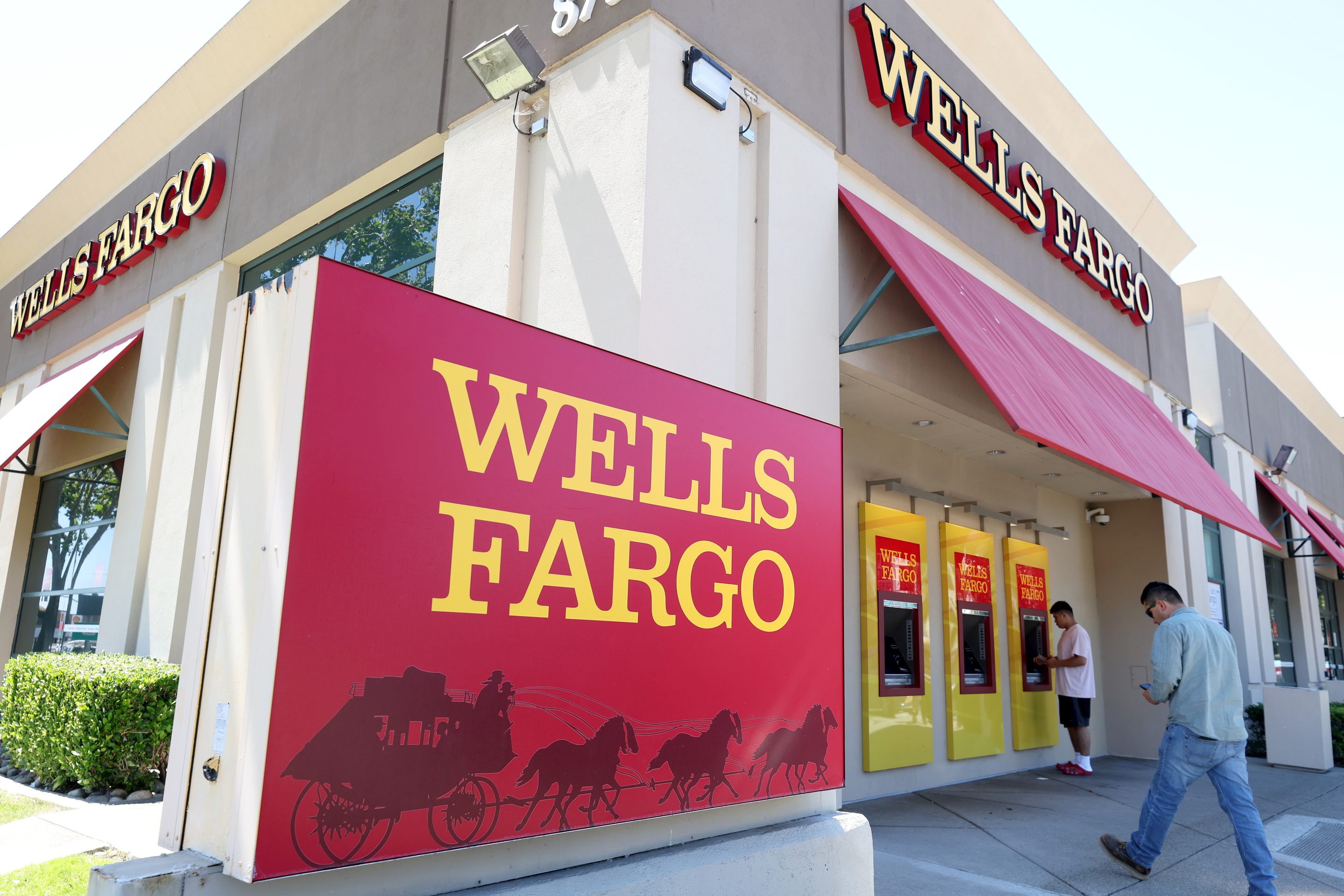
At its core, Wells Fargo is a diversified financial services company. While its primary identity is that of a bank, offering traditional deposit and lending products, its scope extends far beyond simple checking and savings accounts. It operates a vast network of branches, ATMs, and digital platforms, serving a broad customer base that ranges from individual consumers and small businesses to large corporations and institutional investors. Its influence touches nearly every aspect of the financial lives of its clients, making it an indispensable part of the U.S. and, to some extent, the global financial ecosystem. This article delves into the various facets of Wells Fargo Bank, exploring its foundation, core financial offerings, operational intricacies, and its enduring impact on the modern financial landscape.
The Foundation of a Financial Giant
Wells Fargo’s journey began not in the gleaming towers of modern finance but in the dusty trails of the American Gold Rush. Its origins are steeped in a legacy of pioneering spirit, establishing a foundation that would eventually make it one of the largest and most recognizable banks in the world. This historical context is vital for appreciating its current structure and financial mission.
A Legacy of Banking Innovation
Founded in 1852 by Henry Wells and William Fargo, the company initially provided express and banking services to prospectors and businesses during the California Gold Rush. This dual mandate of transporting goods and safeguarding money was revolutionary for its time, laying the groundwork for a robust financial enterprise. Over the decades, Wells Fargo expanded its operations, evolving through numerous mergers and acquisitions, including significant ones with Crocker National Bank in 1986 and Norwest Corporation in 1998, which notably introduced the company to a broad consumer banking footprint. Each strategic move was aimed at strengthening its financial offerings and expanding its reach, allowing it to adapt to changing economic landscapes and customer needs. From its early days facilitating commerce to its current position as a global financial services provider, Wells Fargo has consistently demonstrated an ability to innovate and respond to the demands of a dynamic market, ensuring its continued relevance in the financial sector. This deep-rooted history provides a perspective on its resilience and its commitment to financial services that has spanned centuries.
Its Place in the U.S. Financial Landscape
Today, Wells Fargo stands as one of the “Big Four” banks in the United States, alongside JPMorgan Chase, Bank of America, and Citigroup. This designation underscores its systemic importance to the national economy. Its vast asset base, extensive customer network, and comprehensive range of financial products mean that its operations have significant ripple effects across the entire financial system. The bank’s massive scale allows it to participate in and influence a wide array of financial markets, from consumer lending and mortgage origination to complex capital market activities. Its presence is felt in nearly every state, with thousands of branches and ATMs, solidifying its role as a key player in community banking, regional economic development, and national financial stability. For millions of Americans, Wells Fargo is often the first touchpoint for their financial lives, whether opening their first checking account, securing a home loan, or planning for retirement. This deep integration into the personal and business finance fabric of the nation illustrates its critical and enduring financial significance.
Core Financial Services for Individuals
For the average American consumer, Wells Fargo is synonymous with personal banking. The bank offers a comprehensive suite of products designed to manage daily finances, save for future goals, and secure necessary financing. Its broad appeal stems from the accessibility and diversity of these offerings, tailored to various life stages and financial requirements.
Personal Banking: Checking, Savings, and CDs
The bedrock of personal finance is basic banking, and Wells Fargo provides a robust selection of checking and savings accounts to meet diverse needs. Checking accounts, such as Everyday Checking or Preferred Checking, offer convenient ways to manage transactions, pay bills, and access funds, often coupled with features like online bill pay, mobile deposits, and debit card services. These accounts are essential tools for daily financial management, facilitating the flow of money in modern life. Savings accounts, including Way2Save® Savings or Platinum Savings, are designed for accumulating funds, often featuring tiered interest rates that reward higher balances. For those seeking higher returns on their deposits with a fixed term, Wells Fargo offers Certificates of Deposit (CDs), providing predictable interest income over a specified period. These foundational products enable individuals to safeguard their money, earn modest returns, and manage their liquidity effectively, forming the essential infrastructure for personal financial health.
Lending Solutions: Mortgages, Auto, and Personal Loans
Beyond deposits, Wells Fargo is a significant lender, playing a crucial role in enabling major life purchases and providing financial flexibility. Its mortgage division is one of the largest in the U.S., offering a variety of home loan products including conventional, FHA, VA, and jumbo mortgages. These loans are vital for individuals realizing homeownership dreams, representing one of the most significant financial commitments many people make. For transportation needs, Wells Fargo provides auto loans, helping consumers finance new and used vehicles with competitive rates and terms. Additionally, the bank offers personal loans and lines of credit, which can be used for a range of purposes from consolidating debt to funding unexpected expenses, providing a flexible financial safety net. Through these diverse lending solutions, Wells Fargo empowers individuals to achieve their financial goals, from securing a roof over their heads to managing their cash flow more effectively.
Wealth Management and Investment Platforms
For individuals looking to grow their assets and plan for the future, Wells Fargo provides extensive wealth management and investment services. Through Wells Fargo Advisors, clients gain access to a broad range of investment products, including stocks, bonds, mutual funds, and exchange-traded funds (ETFs). Financial advisors work with clients to develop personalized investment strategies, focusing on long-term growth, income generation, and risk management tailored to individual financial objectives and risk tolerance. These services extend to retirement planning, estate planning, and philanthropic strategies, helping clients navigate complex financial decisions throughout their lives. Furthermore, the bank offers online brokerage platforms for self-directed investors, providing tools and resources for those who prefer to manage their own portfolios. By offering both guided and independent investment options, Wells Fargo caters to a wide spectrum of investors, helping them build and preserve wealth across generations.
Empowering Businesses and Institutions
Wells Fargo’s influence extends deeply into the business world, supporting enterprises of all sizes from startups to multinational corporations. Its business finance solutions are designed to facilitate growth, manage cash flow, and navigate complex financial challenges, contributing significantly to economic productivity.
Small Business Banking and Commercial Lending
Small businesses are the backbone of the American economy, and Wells Fargo offers a comprehensive suite of banking products tailored to their unique needs. This includes business checking and savings accounts designed for managing operational funds, along with credit cards that help businesses track expenses and access revolving credit. Crucially, Wells Fargo is a major provider of commercial lending, offering various forms of financing vital for business expansion and operations. Small business loans, lines of credit, and SBA (Small Business Administration) loans help entrepreneurs fund equipment purchases, inventory, working capital, and expansion projects. For larger enterprises, commercial loans and asset-based lending provide more substantial capital for significant investments and strategic initiatives. By providing accessible and scalable financing options, Wells Fargo enables businesses to grow, create jobs, and contribute to local and national economies.
Treasury Management and Corporate Finance
For larger corporations and institutional clients, Wells Fargo delivers sophisticated treasury management and corporate finance services. Treasury management solutions help businesses optimize their cash flow, manage liquidity, mitigate financial risks, and streamline payment processing. Services include sophisticated payment systems, fraud prevention, account reconciliation, and robust reporting tools that provide real-time financial insights. In corporate finance, Wells Fargo assists companies with complex transactions such as mergers and acquisitions (M&A) advisory, debt financing, and equity capital markets activities. The bank helps companies raise capital, restructure debt, and execute strategic financial maneuvers that are critical for long-term growth and market competitiveness. These services are vital for the smooth functioning of major corporations, ensuring they have the financial architecture to operate efficiently and strategically in a global marketplace.
Institutional Investing and Capital Markets
Wells Fargo also plays a significant role in the institutional investment landscape and capital markets. It provides services to institutional investors such as pension funds, endowments, and asset managers, offering custodial services, investment management, and access to various financial instruments. Through its capital markets division, Wells Fargo facilitates trading in fixed income, equities, foreign exchange, and commodities, enabling institutional clients to execute complex investment strategies. The bank acts as a market maker and provides research and analytics, contributing to the liquidity and efficiency of financial markets. Its involvement in investment banking helps companies go public, issue debt, and manage their public market presence, connecting investors with opportunities and providing crucial capital to businesses. This institutional arm underscores Wells Fargo’s broad impact, extending beyond direct consumer and business banking to the very mechanisms that power global finance.
Navigating the Modern Financial Ecosystem
In an increasingly digitized and complex world, Wells Fargo continually adapts its services to meet evolving customer expectations and regulatory demands. Its commitment to digital transformation, financial inclusion, and compliance with stringent financial regulations shapes its operations and strategy.
Digital Banking and Financial Tools
The advent of digital technology has revolutionized banking, and Wells Fargo has invested heavily in its digital platforms to provide convenient and secure financial tools. Its robust online banking portal and highly-rated mobile app allow customers to manage accounts, pay bills, transfer funds, deposit checks, and apply for loans from anywhere, at any time. Features like Zelle for peer-to-peer payments, Card-Free ATM access, and personalized financial insights through tools like “Control Tower” for managing subscriptions and recurring payments enhance the user experience. These digital offerings not only provide unparalleled convenience but also empower customers with greater control and visibility over their financial lives. The integration of cutting-edge technology ensures that Wells Fargo remains competitive in a fast-evolving digital landscape, making financial services more accessible and efficient for its diverse customer base.
Financial Inclusion and Community Reinvestment
Beyond profitability, Wells Fargo acknowledges its responsibility to promote financial inclusion and support the communities it serves. Through various initiatives, the bank aims to provide access to banking services for underserved populations, offering products designed to help individuals build credit, manage debt, and achieve financial stability. Its community development efforts include investing in affordable housing, supporting small businesses in low-income areas, and providing financial literacy education. The bank’s adherence to the Community Reinvestment Act (CRA) mandates investments in local communities, demonstrating its commitment to equitable access to financial resources. These programs contribute to broader economic empowerment, helping to bridge financial gaps and foster sustainable growth within communities that might otherwise be overlooked by mainstream finance.
Regulatory Landscape and Consumer Trust
Operating as a systematically important financial institution, Wells Fargo is subject to extensive regulation by federal and state authorities, including the Federal Reserve, the Office of the Comptroller of the Currency (OCC), and the Consumer Financial Protection Bureau (CFPB). Compliance with these regulations is paramount for maintaining consumer trust and ensuring the stability of the financial system. The bank has faced significant scrutiny and penalties in the past for various sales practices and operational failures, which underscored the critical importance of ethical conduct and robust oversight. In response, Wells Fargo has undertaken substantial efforts to strengthen its risk management frameworks, improve corporate governance, and rebuild consumer confidence. These initiatives involve investing heavily in compliance systems, enhancing employee training, and fostering a culture of accountability, all aimed at safeguarding customer assets and upholding the integrity of the financial system. This ongoing commitment to robust compliance is essential for its long-term viability and its role as a trusted financial partner.
Future Outlook and Economic Impact
Wells Fargo, like all major financial institutions, operates in an environment of continuous change, driven by technological advancements, evolving customer expectations, and global economic shifts. Its future trajectory will depend on its ability to adapt and innovate while maintaining a strong financial foundation.
Adapting to Evolving Financial Needs
The financial services industry is in a constant state of flux. The rise of fintech companies, blockchain technology, and artificial intelligence is reshaping how financial services are delivered and consumed. Wells Fargo is strategically positioning itself to meet these future challenges by investing in digital transformation, exploring new payment technologies, and leveraging data analytics to offer more personalized and predictive financial advice. The bank is focusing on improving its customer experience, streamlining processes, and innovating new products that cater to a generation increasingly accustomed to seamless digital interactions. Adapting to evolving needs also means addressing concerns around financial wellness, sustainability, and responsible investing, aligning its services with broader societal values. By staying agile and forward-thinking, Wells Fargo aims to remain a relevant and leading financial partner for individuals and businesses in the decades to come.

Wells Fargo’s Broader Economic Contributions
Ultimately, Wells Fargo’s significance transcends its individual customer relationships; it plays a critical role in the broader national and global economy. As a major employer, it provides jobs and livelihoods to tens of thousands of individuals. As a corporate citizen, it contributes to local economies through taxes, charitable giving, and community development initiatives. More fundamentally, by facilitating credit, managing capital, and providing financial infrastructure, Wells Fargo supports economic activity across all sectors. It enables businesses to invest, consumers to spend, and governments to finance essential services. The flow of money through its systems fuels innovation, drives commerce, and underpins the financial stability necessary for prosperity. In essence, “what is Wells Fargo Bank” is not just about a company, but about a vital cog in the machinery of finance that helps keep the economy moving and striving towards growth and opportunity for all.
aViewFromTheCave is a participant in the Amazon Services LLC Associates Program, an affiliate advertising program designed to provide a means for sites to earn advertising fees by advertising and linking to Amazon.com. Amazon, the Amazon logo, AmazonSupply, and the AmazonSupply logo are trademarks of Amazon.com, Inc. or its affiliates. As an Amazon Associate we earn affiliate commissions from qualifying purchases.