
In the contemporary financial landscape, managing your personal finances effectively often hinges on quick and secure access to your fundamental banking details. Among these, your bank account number stands as a paramount piece of information, essential for a myriad of transactions and financial setup tasks. While many people might recall their routing number for common transactions, the full account number is often less frequently needed but becomes critically important when it is required.
Bank of America, as one of the largest financial institutions globally, provides several secure and convenient avenues for its customers to locate their account numbers. Understanding these methods is not just about convenience; it’s about empowering yourself with financial literacy and ensuring you can confidently manage your money, whether setting up direct deposits, paying bills, initiating wire transfers, or reconciling statements. This comprehensive guide will walk you through the various ways to find your Bank of America account number, offering insights into each method’s specific steps and inherent security considerations, all firmly within the realm of personal finance management.
Navigating Your Bank of America Online Banking Portal
One of the most accessible and frequently used methods for managing your Bank of America accounts is through their robust online banking portal. Designed for user-friendliness and security, the online portal centralizes all your account information, making it a primary resource for financial management tasks, including locating your account number.
Step-by-Step Guide to Online Access
To find your account number via Bank of America’s online banking:
- Access the Official Website: Open your web browser and navigate to the official Bank of America website (bankofamerica.com). It is crucial to always ensure you are on the legitimate site to prevent phishing scams.
- Log In Securely: Enter your Online ID and Passcode in the designated fields. If you have two-factor authentication enabled (which is highly recommended for digital security), you may be prompted to enter a code sent to your registered phone or email, or to verify your identity through another method.
- Select the Desired Account: Once logged in, you will typically see a summary of all your Bank of America accounts (checking, savings, credit cards, investments). Click on the specific checking or savings account for which you need the account number.
- Locate Account Details: After selecting the account, you’ll be taken to its overview page. Look for a section often labeled “Account Details,” “Information,” or similar. The account number is usually displayed there, though sometimes it might be partially masked for security reasons (e.g., showing only the last few digits). You may need to click a “Show full account number” option or similar prompt to reveal the complete number. In some interfaces, the routing number and account number might be presented together.
- Note or Copy: Once visible, you can carefully note down the number or copy it if you need to paste it elsewhere (ensure it’s a secure environment). Remember to log out immediately after you’re done, especially if using a public or shared computer.
Security Best Practices for Online Banking
While online banking offers unparalleled convenience, it demands a vigilant approach to security. For personal finance management, protecting your login credentials and personal information is paramount.
- Multi-Factor Authentication (MFA): Always enable MFA, also known as two-factor authentication (2FA). This adds an extra layer of security, requiring a second form of verification (like a code from your phone) in addition to your password, making it significantly harder for unauthorized users to access your account even if they have your password.
- Strong, Unique Passwords: Use complex passwords that combine uppercase and lowercase letters, numbers, and symbols. Avoid using easily guessable information like birthdays or common phrases. Crucially, use a unique password for your banking portal—never reuse passwords across different sites.
- Beware of Phishing: Be extremely cautious of emails, texts, or calls purporting to be from Bank of America asking for your account information or login credentials. Bank of America will never ask for your full password or account number via email or unsolicited calls. Always navigate directly to the official website or app.
- Secure Internet Connection: Access your online banking only from secure, private Wi-Fi networks. Avoid conducting financial transactions over public Wi-Fi networks, which are often unencrypted and vulnerable to eavesdropping.
Utilizing the Bank of America Mobile App
In our increasingly mobile-centric world, banking apps have become indispensable financial tools. The Bank of America mobile app offers a streamlined and secure way to manage your accounts on the go, including the ability to find your account number with ease.
Finding Account Information on the Go
The process on the mobile app mirrors the online portal experience but is optimized for smaller screens and touch interaction:
- Download and Install: Ensure you have the official Bank of America mobile app downloaded from your device’s app store (Apple App Store or Google Play Store).
- Log In: Open the app and log in using your Online ID and Passcode. Many users opt for biometric login options like fingerprint or facial recognition for quicker and secure access, a feature that significantly enhances mobile financial security.
- Select Account: From your account summary, tap on the specific checking or savings account.
- Access Account Details: Similar to the online portal, look for an “Account Details,” “Show Details,” or “Information” section within the selected account’s view. You may need to scroll down or tap a specific icon (e.g., an ‘i’ for information). The account number, along with the routing number, should be displayed here. Again, it might be partially masked and require an additional tap to reveal the full number.
Mobile App Security Considerations
The convenience of mobile banking comes with its own set of security needs, especially when dealing with sensitive financial information.
- Biometric Login: Whenever possible, enable biometric authentication (fingerprint, face ID). This provides a secure and convenient alternative to passcodes and is generally more secure than a PIN.
- Device Security: Keep your mobile device operating system and the Bank of America app updated to the latest versions. These updates often include critical security patches. Use a strong screen lock (PIN, pattern, or biometrics) for your phone itself.
- App Permissions: Be mindful of the permissions you grant to banking apps. Ensure they only have access to necessary functions.
- Avoid Rooted/Jailbroken Devices: Do not use banking apps on rooted or jailbroken devices, as these modifications can compromise the device’s security and expose your financial data to risks.
- Public Wi-Fi Caution: As with online banking, avoid accessing your banking app over unsecured public Wi-Fi networks. Use your mobile data or a trusted private network.
Traditional Methods: Checks, Statements, and Branches
While digital platforms offer speed and convenience, traditional methods remain reliable for locating your Bank of America account number, particularly if you prefer physical documentation or need in-person assistance. These methods underscore the enduring importance of physical financial records.
Locating Your Account Number on Checks and Deposit Slips
For checking accounts, your account number is prominently displayed on your personalized checks and deposit slips. This is a very common scenario for setting up direct deposit or automatic payments.
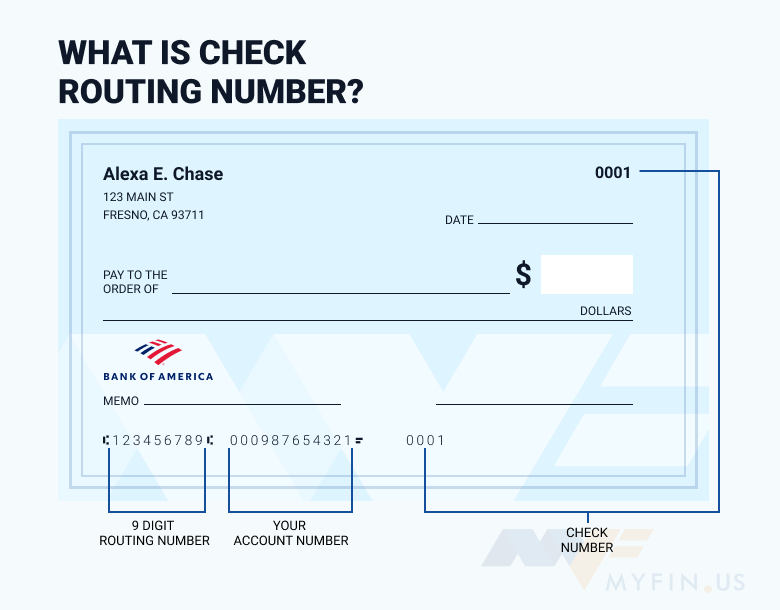
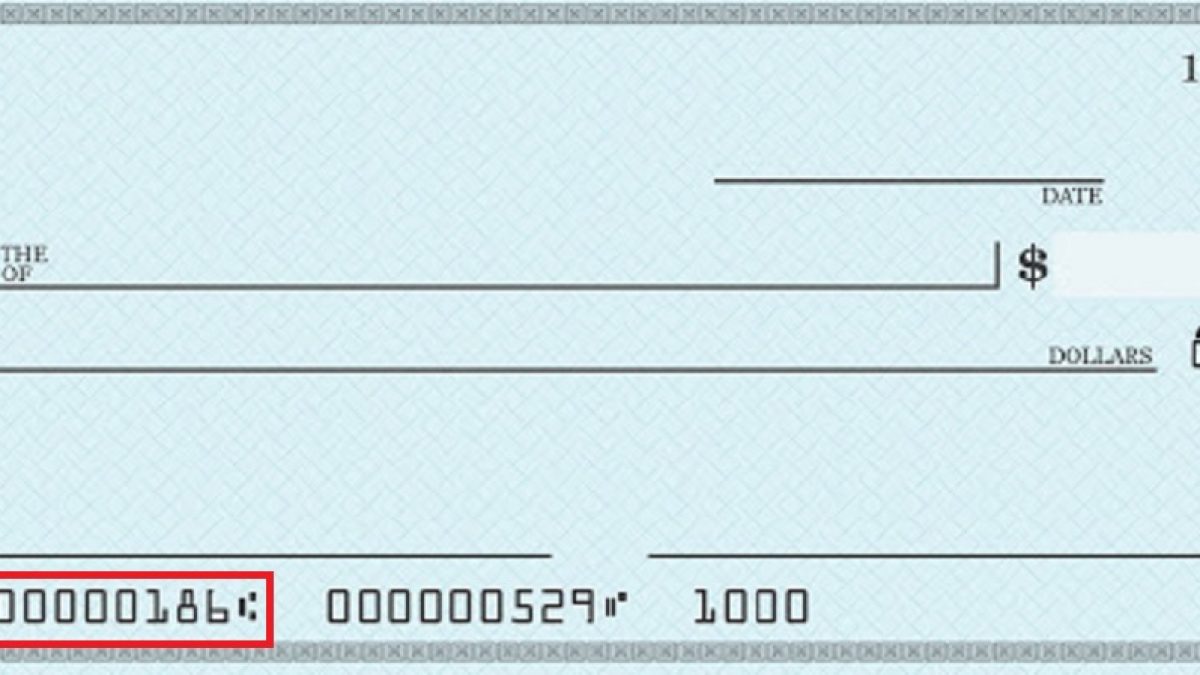
- On a Check: Look at the bottom of a check. You’ll typically see three sets of numbers. From left to right:
- The Routing Number (a 9-digit number identifying Bank of America).
- Your Account Number (usually 10-12 digits, though this can vary slightly).
- The Check Number (identifying that specific check).
Make sure to distinguish between the routing number and your account number, as they are used for different purposes.
- On a Deposit Slip: Similar to checks, deposit slips also have your routing and account numbers printed at the bottom.
It’s crucial to remember that checks contain sensitive information. Safeguard your checkbook and any loose checks or deposit slips to prevent unauthorized access to your account details.
Reviewing Paper Statements
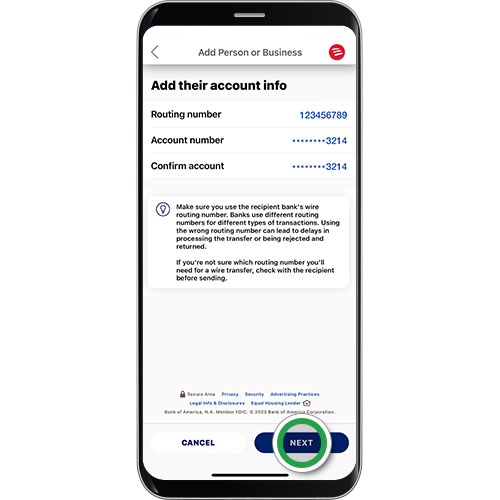
Your monthly or quarterly bank statements are comprehensive records of your financial activity and also contain your account number.
- Where to Look: Your full account number is usually printed near the top of your statement, often close to your name and address, or within an “Account Summary” section.
- Security of Statements: Keep physical statements in a secure location. When disposing of old statements, always shred them to prevent identity theft. Many people opt for paperless statements delivered online, which, as discussed, can be accessed through the online portal or mobile app.
Visiting a Bank of America Financial Center
If digital methods aren’t feasible or you prefer face-to-face assistance, visiting a Bank of America financial center (branch) is a secure option.
- What to Bring: You will need to bring a valid form of government-issued identification (e.g., driver’s license, passport) to verify your identity. Having your debit card or a checkbook can also be helpful, though not always strictly necessary if your ID is sufficient.
- The Process: A customer service representative will be able to look up your account details securely after verifying your identity. They can provide you with your account number and answer any related questions, making this a reliable method for sensitive financial inquiries.
Contacting Bank of America Customer Service
For those times when you need assistance or cannot access your account number through other means, Bank of America’s customer service channels are available. This method provides direct support from a bank representative, ensuring accuracy and security in your financial transactions.
Preparing for Your Call
Before calling, gathering relevant information can significantly expedite the process:
- Identification Details: Have your personal information ready, such as your full name, address, date of birth, and the last four digits of your Social Security Number. These details are crucial for the bank to verify your identity and protect your account.
- Account-Specific Information: If you have it, know the type of account (e.g., checking, savings), and possibly your debit card number or the last transaction amount. This helps the representative quickly locate your specific account.
- Security Questions: Be prepared to answer security questions you might have set up during your account opening or online banking enrollment.
Understanding Verification Processes
Bank of America employs rigorous verification procedures to protect your financial security. A customer service representative will never ask for your full Social Security Number, complete debit card PIN, or online banking password over the phone. They will use a series of questions based on information known only to you and the bank to confirm your identity before providing sensitive account details like your full account number. This adherence to strict protocols is a cornerstone of responsible personal finance management.
Alternative Contact Methods
Beyond phone calls, Bank of America may offer other secure contact methods for customers, depending on the service available:
- Secure Messaging/Chat: Within the online banking portal or mobile app, there might be options for secure messaging or live chat with a representative. These channels are often encrypted and allow for secure communication of account-specific inquiries after you’ve logged in and been verified.
- Virtual Assistant (Erica): Bank of America’s virtual assistant, Erica, available through the mobile app, can also sometimes help direct you to where you can find your account information or connect you with a live agent.
Why Your Account Number is Crucial (and How to Protect It)
Your bank account number is more than just a sequence of digits; it’s a key identifier for your financial life. Understanding its importance and how to protect it is fundamental to secure personal finance.
Common Scenarios Requiring Your Account Number
Knowing where to find your account number is important because it’s required for various essential financial tasks:
- Direct Deposit Setup: For receiving your salary, government benefits, or other regular payments directly into your account.
- Automatic Bill Payments: Setting up recurring payments with utility companies, landlords, or service providers.
- Wire Transfers: Both sending and receiving funds, especially for larger sums or international transactions.
- Linking External Accounts: Connecting your Bank of America account to other financial institutions or apps (e.g., investment platforms, budgeting tools).
- Setting Up New Accounts: When opening new services or accounts that require linking to your primary bank account for funding or withdrawals.
- Tax Refunds: Directing your tax refund to your chosen bank account.
The Importance of Digital and Physical Security
Given its critical role, safeguarding your account number, along with your routing number and other personal financial details, is paramount to preventing fraud and identity theft.
- Responsible Sharing: Only share your account number with trusted entities and individuals when absolutely necessary (e.g., your employer for direct deposit, a reputable biller for automatic payments).
- Digital Hygiene: Be wary of unsolicited requests for your account number via email or text. Always verify the legitimacy of any request, especially if it seems unusual or urgent. Avoid storing your account number in easily accessible, unencrypted digital files on your computer or phone.
- Physical Protection: Treat any document containing your account number (checks, statements, deposit slips) as sensitive information. Store them securely and shred them before disposal. Do not leave sensitive documents lying around in public or unsecured places.
- Regular Monitoring: Regularly review your bank statements and account activity through online banking or the mobile app. This allows you to quickly identify any unauthorized transactions and report them to Bank of America immediately.
Conclusion
Accessing your Bank of America account number is a straightforward process, thanks to the multiple channels provided by the bank. Whether you prefer the immediacy of the online banking portal or mobile app, the tangible reliability of checks and paper statements, or the personal touch of a financial center or customer service representative, you have secure options at your disposal.
The key to successful personal finance management lies not just in knowing how to find this crucial piece of information, but also in understanding why it’s important and how to protect it. By employing strong digital security practices, being vigilant against scams, and treating your financial details with the utmost care, you empower yourself to manage your Bank of America accounts confidently and securely, ensuring your financial well-being in an increasingly interconnected world.
aViewFromTheCave is a participant in the Amazon Services LLC Associates Program, an affiliate advertising program designed to provide a means for sites to earn advertising fees by advertising and linking to Amazon.com. Amazon, the Amazon logo, AmazonSupply, and the AmazonSupply logo are trademarks of Amazon.com, Inc. or its affiliates. As an Amazon Associate we earn affiliate commissions from qualifying purchases.