
In an increasingly complex economic landscape, managing personal finances can be a formidable challenge. For many individuals and families, unexpected job loss, medical emergencies, rising living costs, or insufficient income can quickly lead to financial instability, placing essential needs like food beyond reach. Food banks emerge as a critical component of the financial safety net, offering a vital resource that directly impacts personal budgeting, crisis management, and overall financial well-being. Understanding how to effectively access and utilize these services is not merely about obtaining sustenance; it’s about strategically managing household economics in times of need, freeing up strained funds for other critical expenditures, and maintaining a foundation for future financial stability. This article delves into the financial rationale behind food bank utilization, outlining the practical steps from a financial management perspective, and discussing how these essential services contribute to broader economic resilience.
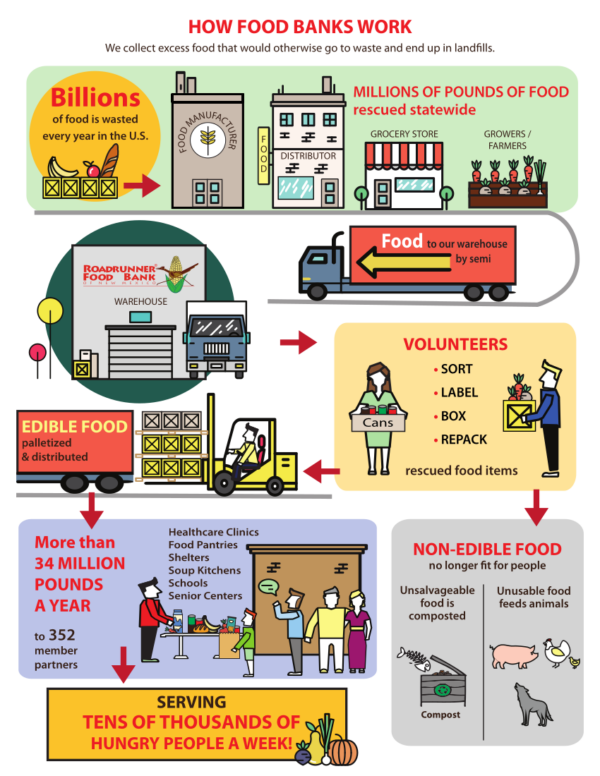
Understanding the Financial Lifeline: Why Food Banks Matter
Food insecurity is often a direct symptom of financial strain, manifesting when individuals or families lack consistent access to enough affordable, nutritious food. Food banks, therefore, are not just charities; they are integral financial tools for those navigating economic hardship.
The Intersection of Food Insecurity and Personal Finance
The inability to afford groceries directly impacts a household’s budget. When funds are scarce, individuals might resort to cheaper, less nutritious options, or skip meals altogether, leading to long-term health issues that can incur even greater financial burdens in the future. Food banks step in to mitigate this immediate financial pressure. By providing free food, they effectively reduce one of the most significant line items in a household budget, allowing limited income to be reallocated. This reallocation can mean the difference between paying a utility bill, covering rent, or affording necessary medication. From a financial planning perspective, accessing a food bank is a strategic move to manage immediate cash flow deficits and prevent deeper debt spirals or further deprivation. It’s a mechanism for cost reduction when traditional income streams are insufficient.
Bridging Budget Gaps: Food Banks as a Financial Strategy
Consider a household operating on a tight budget where an unexpected expense, like a car repair or a medical co-pay, arises. Without a food bank, this expense might force the family to choose between paying the bill and buying groceries. This agonizing choice highlights a critical budget gap. Food banks serve to bridge these gaps, offering a non-monetary income substitute for food expenses. This allows the household to maintain its budget equilibrium for other critical outgoings, preventing late fees, service disconnections, or eviction notices—all of which carry significant financial penalties and long-term repercussions. For financial advisors, understanding food banks as a resource for clients in distress is crucial for holistic planning, recognizing them as an essential, non-cash asset for managing liquidity and solvency during periods of financial stress.
Dispelling Stigma: Acknowledging Financial Vulnerability
There is often a societal stigma associated with seeking assistance, including from food banks. However, viewing food banks through a financial lens helps to reframe this perception. Just as a business might seek a bridge loan during a lean period, individuals and families may need temporary or intermittent support to maintain their financial footing. Financial vulnerability is not a personal failing but often a consequence of systemic economic factors, unpredictable life events, or periods of transition. Acknowledging that accessing a food bank is a practical financial decision—a form of temporary support that prevents deeper financial distress—is essential for promoting proactive financial management and ensuring that individuals feel empowered, rather than shamed, to utilize available resources.
Navigating the System: Practical Steps for Financial Relief
Accessing food from a food bank involves a few key steps, each with implications for efficient resource management and personal financial planning. Approaching this process methodically can maximize the financial benefit and minimize stress.
Research and Eligibility: Maximizing Your Access to Resources
The first financial step is due diligence: researching available resources. Not all food banks operate identically; some might be part of larger networks (like Feeding America in the U.S. or The Trussell Trust in the UK), while others are independent local initiatives. Their eligibility requirements can vary based on factors such as geographical location, household size, or income level.
- Online Search: Utilize search engines with terms like “food banks near me,” “food assistance programs,” or “emergency food relief.” Many food banks have websites detailing their services, operating hours, and eligibility criteria.
- Local Authorities and Non-Profits: Government social services departments, community centers, churches, and other local non-profit organizations often maintain lists of nearby food banks and can provide guidance.
- Phone Calls: A direct call to a potential food bank can clarify specific requirements, ensuring you don’t make an unnecessary trip. Ask about income thresholds, residency rules, and any specific documentation needed.
From a financial perspective, understanding eligibility means optimizing your time and resources. Visiting a food bank for which you don’t qualify is a wasted effort, potentially consuming valuable time and transportation costs (even if minimal), which could be better spent on other financial management tasks.
Required Documentation: Streamlining the Process for Efficiency
Most food banks require some form of documentation to verify identity, residency, and sometimes income. This is a crucial administrative step that ensures fair distribution of resources and adherence to grant requirements for the food bank itself.
Common documents requested may include:
- Proof of Identity: A driver’s license, state ID, or passport.
- Proof of Residency: A utility bill, lease agreement, or official mail with your current address.
- Proof of Household Members: Birth certificates for children, school enrollment letters, or other official documents.
- Proof of Income (sometimes): Pay stubs, benefit award letters, or unemployment statements to verify financial need.
Preparing these documents in advance streamlines the process, much like preparing tax documents before meeting with an accountant. It reduces delays, ensures you receive assistance on your first visit, and allows the food bank to serve more people efficiently. For the individual, this means quicker access to the financial relief that food provides.
Frequency and Limitations: Integrating Food Bank Use into Budgeting

It’s important to understand that food banks are generally designed to provide supplementary assistance, not a complete, ongoing grocery supply. Most food banks have limits on how frequently an individual or family can receive food (e.g., once a month, bi-weekly) and the quantity of food provided.
- Understand the Cycle: Inquire about the visit frequency and plan your budget accordingly. If you can only visit once a month, you’ll need to stretch those provisions and budget for additional groceries from your income.
- Meal Planning: Develop meal plans around the types of food typically distributed (canned goods, pasta, rice, sometimes fresh produce or dairy). This maximizes the utility of the food received and minimizes waste, treating the food bank’s offerings as a cornerstone of your meal budget.
- Supplementing with Income: Recognize that food bank provisions may need to be supplemented with purchases from your personal budget. This requires careful allocation of your remaining funds to fill nutritional gaps or meet specific dietary needs.
Integrating food bank visits into your overall financial and meal planning ensures that this valuable resource is used effectively, complementing rather than entirely replacing your grocery budget, and helping you maintain control over your finances even in difficult circumstances.
Beyond Immediate Relief: Integrating Food Bank Use into Long-Term Financial Health
While the immediate benefit of a food bank is crucial for staving off hunger, its role extends into fostering long-term financial health by freeing up capital and reducing stress, allowing for a more strategic approach to budgeting and financial recovery.
Freeing Up Funds: Reallocating Savings for Other Essentials
The most direct financial benefit of utilizing a food bank is the reduction in grocery expenses. For a family spending hundreds of dollars a month on food, accessing a food bank can effectively add that amount back into their disposable income for that period. This freed-up capital is not just extra cash; it’s a strategic resource that can be reallocated to other urgent financial priorities.
- Debt Reduction: Funds saved on groceries can be directed towards paying down high-interest debt, preventing further accumulation and improving one’s credit score over time.
- Utility Bills and Rent: Ensuring that essential housing and utility payments are made on time prevents late fees, service disconnections, and potential eviction, all of which have severe long-term financial consequences.
- Emergency Savings: Even small amounts saved can start building an emergency fund, which is crucial for breaking cycles of financial crisis and moving towards stability.
By consciously redirecting the money saved on food, individuals can make measurable progress on other financial goals, leveraging the food bank’s support as a catalyst for broader financial improvement.
Financial Planning During Crisis: Leveraging Support Systems
Periods of financial crisis are inherently stressful, making rational financial planning difficult. Food banks, as part of a larger ecosystem of support, provide a crucial buffer that allows individuals to think more clearly about their financial situation without the immediate pressure of hunger.
- Reduced Stress: Knowing that food is available can reduce mental and emotional stress, enabling better decision-making regarding job searching, financial counseling, or educational opportunities.
- Time for Planning: The time and money saved by not having to worry about grocery shopping can be invested in developing a comprehensive financial recovery plan, exploring new income streams, or seeking professional advice.
- Connecting to Other Resources: Many food banks are co-located with or can refer individuals to other social services, such as job placement assistance, housing support, or financial literacy programs. This integrated approach amplifies the financial benefit, moving beyond immediate food provision to address root causes of financial instability.
Sustainable Food Access: Combining Food Banks with Other Strategies
While food banks are invaluable, they are a piece of a larger puzzle for sustainable food access and financial independence. For long-term financial health, it’s important to combine food bank utilization with other strategies:
- Government Programs: Explore eligibility for SNAP (Supplemental Nutrition Assistance Program), WIC (Women, Infants, and Children), or other local food assistance initiatives. These programs can provide more consistent and substantial support.
- Community Gardens & Collective Buying: Participating in community gardens can provide fresh produce at low or no cost, while collective buying groups can secure bulk discounts.
- Budgeting and Meal Preparation Skills: Improving personal budgeting skills and learning to prepare nutritious, cost-effective meals at home are essential for reducing long-term grocery expenses, regardless of income level.
By strategically combining food bank resources with other available support systems and developing robust personal financial management skills, individuals can transition from a state of crisis to one of greater financial resilience and food security.
The Broader Economic Impact: How Food Banks Support Community Stability
Beyond individual financial relief, food banks play a significant, often underappreciated, role in the broader economic health and stability of communities. Their operation contributes to public welfare and reduces strain on other public services.
Reducing Healthcare Costs: The Economic Benefit of Nutrition
Malnutrition and food insecurity are directly linked to a host of health problems, from increased susceptibility to illness to chronic conditions like diabetes and heart disease. These health issues place a substantial burden on public healthcare systems and individual finances.
- Preventive Healthcare: By providing nutritious food, food banks act as a form of preventive healthcare, reducing instances of diet-related illnesses and the need for expensive medical interventions.
- Economic Productivity: Healthy individuals are more productive, contributing more effectively to the workforce and local economy. Ensuring basic nutrition helps maintain a healthier, more capable labor pool.
From an economic perspective, investing in food banks is an investment in public health and a preventative measure against higher future healthcare expenditures, benefiting both individuals and the broader taxpayer.
Supporting Local Economies: The Role of Food Banks in Supply Chains
While food banks primarily rely on donations, many also purchase food, often from local farmers, wholesalers, or distributors. This contributes to the local economy and supports regional agricultural and food supply chains.
- Demand Generation: Food banks create demand for certain products, offering a market for surplus goods or specific crops.
- Volunteer Economy: The extensive network of volunteers who operate food banks provides an immeasurable amount of free labor, effectively performing tasks that would otherwise require paid staff, thus contributing significantly to the efficiency of the charitable sector.
This dual role of consumer and employer (through volunteer management) positions food banks as minor but significant players in local economic activity, supporting livelihoods and preventing waste.
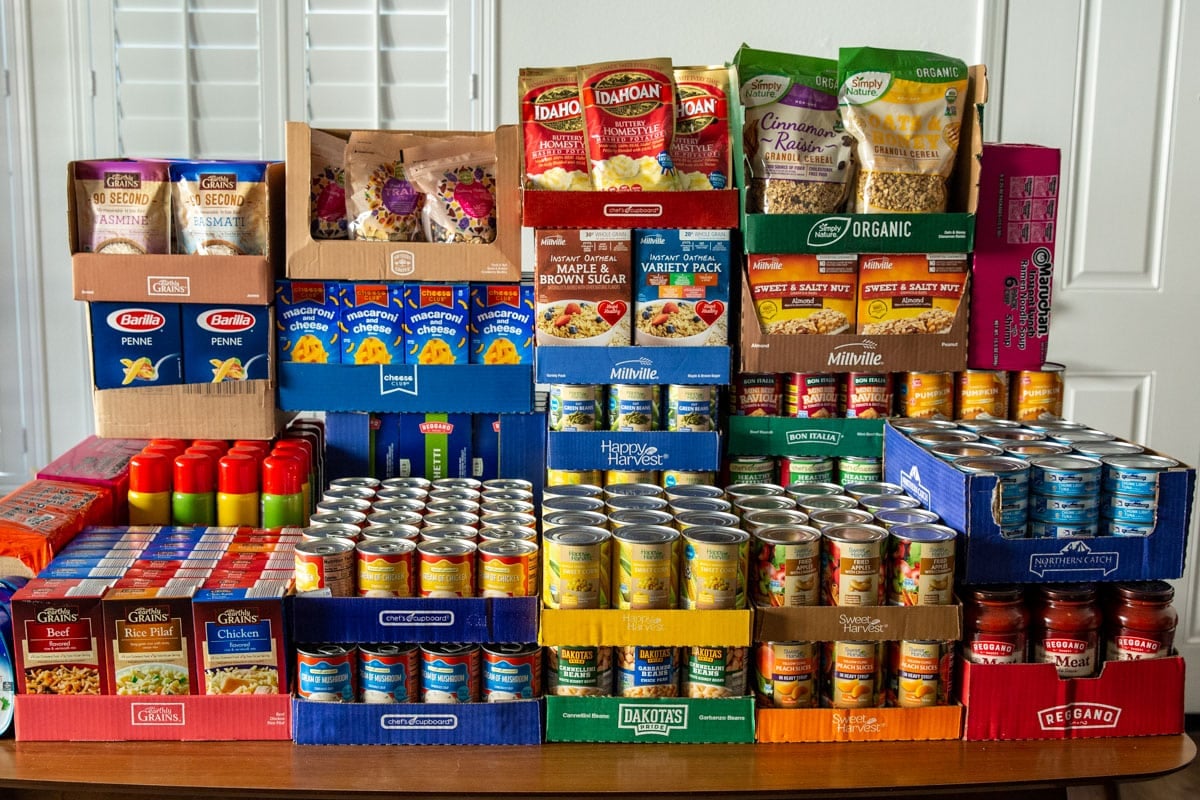
Community Resilience: Fostering Financial Security Together
Ultimately, food banks are a testament to community resilience and collective responsibility. They represent a fundamental aspect of a robust social safety net, ensuring that even in times of economic distress, basic needs can be met.
- Reduced Poverty Indicators: By alleviating immediate food needs, food banks indirectly contribute to reducing overall poverty indicators, allowing families to allocate scarce financial resources to other areas.
- Social Cohesion: The act of giving and receiving within food bank structures strengthens social bonds and fosters a sense of community support, which is vital for long-term economic recovery and stability.
In conclusion, understanding how to get food from a food bank is much more than a simple guide; it’s an exploration into a critical financial strategy for managing personal economics in times of need. Food banks are indispensable components of the financial support system, enabling individuals to bridge budget gaps, reallocate funds, reduce stress, and work towards long-term financial health. Recognizing their profound impact on individual budgets, community welfare, and the broader economy allows us to appreciate their true value as pillars of financial resilience.