
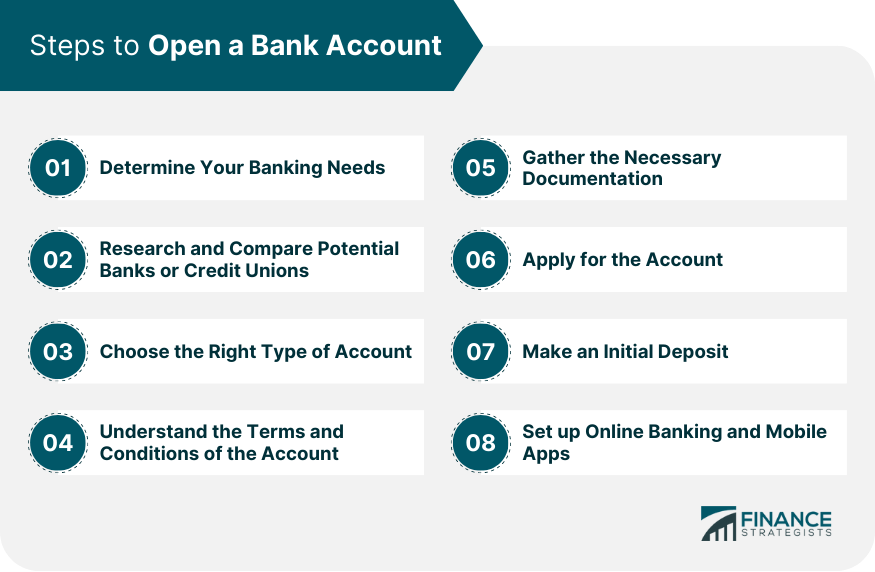
Opening a bank, a task that might seem reserved for the titans of finance or the grand ambitions of governmental bodies, is in reality a complex, multi-faceted undertaking requiring immense capital, meticulous planning, and unwavering perseverance. It’s not about “how to open a bank account” – that’s a straightforward consumer process. Instead, this article delves into the profound question of establishing a new financial institution from the ground up. This endeavor places you at the intersection of business strategy, intricate regulatory compliance, cutting-edge technology, and the profound responsibility of managing public trust and capital. It is a journey fraught with challenges but also ripe with the potential to innovate, serve unmet market needs, and shape the financial landscape. For entrepreneurs and financial professionals contemplating such a monumental venture, understanding the core stages, the regulatory hurdles, and the foundational pillars is paramount. This exploration will demystify the process, providing an insightful overview for those daring to build the next generation of financial powerhouses.
The Vision and Preliminary Considerations
Before a single brick is laid or a line of code is written, the conceptualization phase is critical. This initial stage involves defining the very essence of your proposed bank, understanding the market it will serve, and outlining a viable path to its establishment and profitability. It’s about answering fundamental questions: Why does this bank need to exist? What unique value will it offer? And is there a truly sustainable market for it?
Defining Your Banking Niche
The financial services sector is vast and increasingly specialized. A nascent bank cannot be all things to all people, especially when competing with established giants. Therefore, identifying a specific niche is crucial. Will you be a community bank focused on local small businesses and residents? A challenger bank leveraging digital-first strategies to target millennials or specific underserved demographics? Perhaps a commercial bank specializing in lending to a particular industry, like agriculture or tech startups? Or a neobank focusing purely on seamless digital transactions and budgeting tools? Your niche will dictate everything from your product offerings and technology stack to your regulatory pathway and customer acquisition strategy. A clear, well-defined niche provides a competitive edge and helps in focusing resources effectively.
Market Analysis and Feasibility Studies
Once a niche is identified, rigorous market analysis is indispensable. This involves comprehensive research into the target market’s size, demographics, financial behaviors, and unmet needs. What pain points do existing banks fail to address? Are there segments underserved by traditional financial institutions? A thorough competitive analysis is also vital, identifying direct and indirect competitors, understanding their strengths and weaknesses, and pinpointing opportunities for differentiation. Feasibility studies will assess the economic viability of your proposed bank, projecting demand for your services, potential revenue streams, operational costs, and ultimately, profitability. This phase requires data-driven insights to validate the concept and assure potential investors and regulators that the venture is sound.
Crafting a Robust Business Plan
The business plan is the blueprint of your bank. It must be exceptionally detailed, comprehensive, and persuasive, serving as the central document for attracting investors and securing regulatory approval. This plan will articulate your vision, mission, and values; elaborate on your chosen niche and market analysis; detail your proposed products and services; outline your organizational structure and management team; present a meticulous financial projection (including capital requirements, funding sources, and projected profitability); and describe your risk management strategies, technology infrastructure, and marketing approach. Regulators will scrutinize this document for soundness, realism, and adherence to prudent banking practices. It must demonstrate a deep understanding of the banking business, the market, and the regulatory environment.
Navigating the Regulatory Labyrinth
The banking industry is one of the most heavily regulated sectors globally, and for good reason: it deals with public trust and economic stability. The path to obtaining a banking license is arduous, demanding, and often protracted, involving multiple government agencies and stringent compliance requirements.
Choosing a Charter (National vs. State)
A fundamental decision early on is whether to seek a state charter or a national charter. In the United States, for example, this choice dictates whether the bank will be regulated primarily by a state banking department and the FDIC (for state-chartered banks) or by the Office of the Comptroller of the Currency (OCC) and the Federal Reserve (for nationally chartered banks). Each option has distinct advantages and disadvantages concerning regulatory oversight, permissible activities, and operational flexibility. National charters often confer a broader scope of operations across state lines, while state charters might offer more tailored supervision depending on the state. The decision hinges on your business model, target market, and strategic goals, and it has long-term implications for compliance and growth.
The Application Process: Documentation and Scrutiny
The application process for a banking charter is an exhaustive exercise in due diligence and documentation. Applicants must submit a comprehensive package that includes the detailed business plan, biographical and financial information for all proposed directors and senior officers (who will undergo rigorous background checks), capital formation plans, organizational charts, operational policies and procedures, technology plans, and robust risk management frameworks. Regulators meticulously review every aspect to ensure the proposed bank has a viable business model, sufficient capital, competent management, and sound operational controls to protect depositors and maintain financial stability. This phase often involves multiple rounds of questions, interviews, and revisions, testing the applicants’ resilience and commitment.
Ongoing Compliance and Oversight
Obtaining a charter is not the finish line; it’s merely the starting gun. Once chartered, a bank enters a world of continuous regulatory compliance and oversight. This includes adhering to capital adequacy requirements (e.g., Basel III standards), anti-money laundering (AML) and know-your-customer (KYC) regulations, consumer protection laws, data privacy standards (e.g., GDPR, CCPA), and reporting mandates. Regular examinations by regulatory bodies ensure ongoing adherence to these rules, assessing the bank’s financial health, risk management practices, and operational integrity. Non-compliance can lead to hefty fines, operational restrictions, or, in severe cases, the revocation of the charter. Building a strong compliance culture and robust internal controls from day one is therefore non-negotiable.
Assembling the Foundational Pillars
Beyond regulatory approval, a bank requires robust infrastructure, substantial capital, and exceptional human talent to function effectively and securely. These foundational pillars are interdependent and critical for both initial launch and long-term sustainability.

Capital Requirements and Funding Strategies
Banking is capital-intensive. Regulators mandate substantial initial capital to absorb potential losses, instilling confidence in depositors and the market. This capital typically comes from a blend of equity investors – private equity firms, venture capitalists, high-net-worth individuals, or even public offerings for larger ventures. Developing a sophisticated funding strategy involves not only raising the required seed capital but also projecting future capital needs for growth, technology investments, and compliance. The ability to articulate a clear value proposition and a compelling return on investment is crucial for attracting the necessary financial backing. Strong relationships with institutional investors and a clear roadmap for capital deployment are essential.
Technology Infrastructure: Core Banking Systems and Digital Innovation
In the 21st century, technology is the backbone of any bank. A modern bank requires a robust and scalable core banking system to manage accounts, transactions, loans, and deposits. Beyond this foundational system, there’s a need for digital banking platforms (web and mobile), secure payment processing systems, data analytics tools, cybersecurity infrastructure, and potentially AI-driven customer service solutions. The choice of technology stack impacts operational efficiency, customer experience, and the ability to innovate. Many new banks opt for cloud-based, API-driven solutions that offer flexibility, scalability, and faster deployment compared to legacy systems. Investing in resilient, secure, and future-proof technology is not just an expense; it’s a strategic imperative.
Building an Expert Leadership Team and Workforce
A bank is only as strong as its people. Assembling a high-caliber leadership team with diverse expertise in banking operations, finance, risk management, technology, compliance, and marketing is paramount. Regulators pay close attention to the experience and integrity of the proposed management team. Beyond the leadership, recruiting a skilled and ethical workforce committed to the bank’s vision and values is critical. This includes tellers, customer service representatives, loan officers, IT specialists, compliance officers, and risk analysts. A strong organizational culture that prioritizes customer service, integrity, and continuous learning will be a significant differentiator in a competitive market.
Developing a Sustainable Business Model
A bank, at its heart, is a business. Its survival and success depend on its ability to generate sustainable revenue, manage risks effectively, and continually adapt to market dynamics and customer needs.
Product and Service Offering Design
The core of any bank’s revenue generation lies in its products and services. These must be carefully designed to align with the chosen niche and provide genuine value to customers. Common offerings include checking and savings accounts, certificates of deposit (CDs), personal and business loans, mortgages, credit cards, treasury services, and wealth management. For digitally native banks, this might extend to innovative features like peer-to-peer payments, automated budgeting tools, or integrated financial marketplaces. Pricing strategies, interest rates, and fee structures must be competitive yet profitable, striking a balance that attracts customers while ensuring financial viability. The ability to innovate and rapidly iterate on product offerings will be key to staying relevant.
Risk Management Frameworks
Banking inherently involves taking risks – credit risk, market risk, operational risk, liquidity risk, and cybersecurity risk, to name a few. A robust, enterprise-wide risk management framework is essential to identify, measure, monitor, and control these risks. This involves establishing clear policies and procedures, implementing sophisticated risk assessment tools, defining risk appetite, and fostering a culture where risk awareness is embedded at every level of the organization. Regulators place immense emphasis on the effectiveness of a bank’s risk management framework, as systemic failures can have far-reaching economic consequences. Proactive and dynamic risk management is not just a regulatory requirement; it’s a cornerstone of sustainable banking.
Marketing and Customer Acquisition Strategies
Even the best bank with the most innovative products will fail without customers. A well-defined marketing and customer acquisition strategy is crucial. This involves branding, digital marketing (SEO, social media, content marketing), traditional advertising, community outreach, and strategic partnerships. For challenger banks, a strong emphasis on digital channels and personalized experiences is often key. Community banks might leverage local relationships and grassroots efforts. The goal is to build trust, communicate value, and effectively reach the target demographic. Customer experience must be seamless and intuitive across all touchpoints, from initial onboarding to ongoing service interactions, fostering loyalty and advocacy.
Launching and Sustaining Operations
The moment of truth arrives when the bank opens its doors (physical or virtual) to its first customers. However, the journey doesn’t end there; it transitions into an ongoing process of operational excellence, strategic growth, and continuous adaptation.
Pre-Opening Preparations and Dry Runs
Before launch, extensive testing of all systems and processes is critical. This includes rigorous testing of the core banking system, digital platforms, payment gateways, cybersecurity defenses, and customer support channels. Staff training must be comprehensive, ensuring every employee understands their role, the bank’s policies, and the regulatory environment. “Dry runs” or simulated operational periods can help identify and rectify issues before they impact real customers. This meticulous preparation minimizes operational disruptions, enhances security, and ensures a smooth and confident public launch.
Grand Opening and Initial Operations
The grand opening marks the culmination of years of planning and effort. While exciting, the initial operational phase requires heightened vigilance. Monitoring key performance indicators (KPIs) related to customer acquisition, transaction volumes, service availability, and incident response is vital. Quickly addressing any unexpected issues, gathering customer feedback, and demonstrating responsiveness are crucial for building early trust and reputation. The focus during this period is on stability, security, and delivering an excellent initial customer experience to establish a strong foundation.
Strategic Growth and Adaptation
Once operational, a bank must continuously evolve to remain competitive and relevant. This involves monitoring market trends, technological advancements, and shifts in customer preferences. Strategic growth might involve expanding product offerings, entering new geographic markets, or forging strategic partnerships. Constant innovation, whether in digital services, data analytics, or customer engagement models, is essential. Furthermore, the regulatory landscape is always changing, requiring banks to remain agile and adapt their compliance frameworks. A commitment to continuous improvement, robust governance, and a forward-looking strategy are the hallmarks of a bank that not only opens its doors but thrives for decades to come.
Opening a bank is a monumental undertaking that transcends mere business creation; it is the establishment of a cornerstone of economic activity and community trust. It requires a profound blend of financial acumen, regulatory expertise, technological prowess, and an unyielding entrepreneurial spirit. For those with the vision, the capital, and the tenacity, it represents a rare opportunity to build a lasting legacy in the financial world, shaping how individuals and businesses manage their money in an ever-evolving digital age.
aViewFromTheCave is a participant in the Amazon Services LLC Associates Program, an affiliate advertising program designed to provide a means for sites to earn advertising fees by advertising and linking to Amazon.com. Amazon, the Amazon logo, AmazonSupply, and the AmazonSupply logo are trademarks of Amazon.com, Inc. or its affiliates. As an Amazon Associate we earn affiliate commissions from qualifying purchases.