
Cashing a check, while seemingly a straightforward transaction, can sometimes present a puzzle, especially when dealing with specific financial institutions like Bank of America. Whether you’re an account holder or someone who has received a check drawn on a Bank of America account, understanding your options and the nuances involved is crucial for smooth and efficient access to your funds. This guide delves into the various avenues available, detailing the requirements, potential costs, and best practices to ensure you can cash your Bank of America check with confidence and ease.

Understanding the Fundamentals of Check Cashing
Before exploring the specific locations, it’s vital to grasp the basic principles that govern check-cashing transactions. A check is a written, dated, and signed instrument that directs a bank to pay a specific amount of money to the bearer or named party. When that check is drawn on Bank of America, it means the funds originate from an account held at Bank of America.
What Constitutes a Bank of America Check?
A Bank of America check is typically issued by an individual or business that maintains an account with Bank of America. It includes the bank’s name, logo, routing number, and the account number of the issuer, alongside the amount to be paid and the payee’s name. Recognizing these features helps confirm the check’s origin and validity. While most checks are legitimate, it’s always wise to exercise caution, especially with large amounts or checks from unfamiliar sources, as check fraud remains a concern in the financial landscape.
The Imperative of Endorsement
The back of a check is just as important as the front. Before you can cash or deposit any check, you must endorse it. This involves signing your name exactly as it appears on the payee line on the back of the check, usually in the designated area. An endorsement serves as your legal agreement to transfer the check’s funds to yourself or to another party (if endorsing to a third party). For security, it’s often recommended to write “For Deposit Only” below your signature if you intend to deposit it, or to endorse it only when you are physically at the location where you plan to cash it. This prevents anyone from cashing it should you lose the check after endorsing it.
Essential Identification Requirements
Regardless of where you choose to cash your check, robust identification will almost always be required. Financial institutions and check-cashing services must comply with federal regulations, such as the Bank Secrecy Act, which aim to prevent money laundering and fraud. Typically, you will need at least one form of valid, government-issued photo identification. Common acceptable forms include:
- Driver’s License: A state-issued driver’s license is widely accepted.
- State ID Card: Similar to a driver’s license but without driving privileges.
- Passport: A valid passport issued by your country of citizenship.
- Military ID: For active duty or retired military personnel.
Some institutions might require a secondary form of identification, such as a utility bill with your current address, a major credit card, or another photo ID. It’s always best to call ahead or check the institution’s website to confirm their specific ID requirements to avoid delays.
Cashing a Bank of America Check at Bank of America
The most direct and often the most convenient method to cash a Bank of America check is, unsurprisingly, at a Bank of America branch itself. However, the experience can differ significantly depending on whether or not you are an existing account holder.
For Bank of America Account Holders
If you hold an account with Bank of America (checking, savings, or money market), cashing a check drawn on the same bank is usually a seamless process. You have several options:
- In-Person at a Branch: Simply visit any Bank of America branch. Present the endorsed check and your valid ID to a teller. The funds can be deposited directly into your account or given to you in cash, subject to your account balance and branch cash availability. This is often the fastest way to get cash.
- ATM Deposit: Most Bank of America ATMs allow you to deposit checks directly into your account. The funds may not be immediately available as they are subject to standard bank hold policies, but it’s a convenient option outside of banking hours.
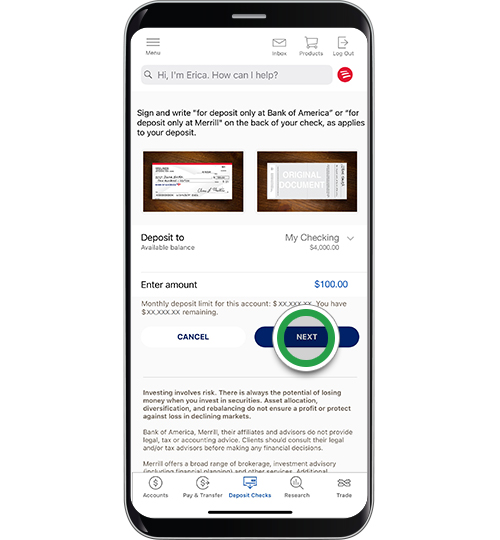
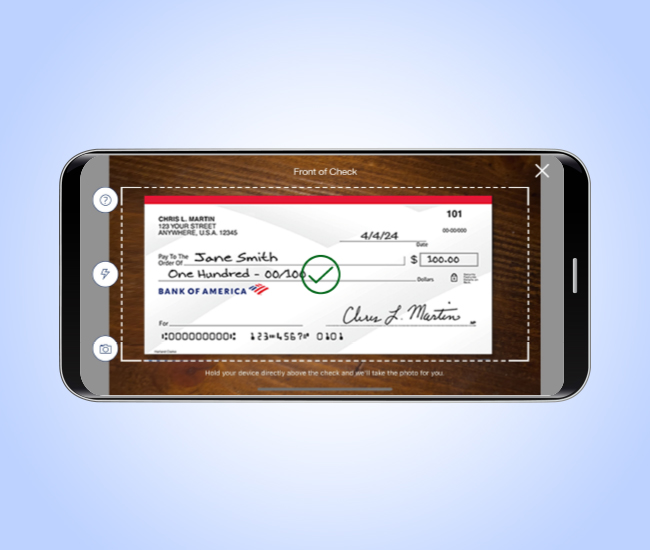
- Mobile Deposit: Bank of America’s robust mobile banking app offers a mobile check deposit feature. You simply take photos of the front and back of your endorsed check, and the funds are submitted for deposit. Again, funds may be subject to holds.
- Online Banking: While not directly cashing, you can initiate a deposit through your online banking portal if you have the necessary scanners or if the check image is already captured through other means.
For account holders, there are typically no fees associated with cashing or depositing a Bank of America check.
For Non-Bank of America Account Holders
Cashing a Bank of America check when you don’t have an account with them is still possible but comes with more stringent requirements and potential fees.
-
At a Bank of America Branch: Even as a non-account holder, Bank of America may cash checks drawn on their bank. This is often done as a courtesy to facilitate transactions for their customers. However, expect a thorough verification process. You will need to present your valid government-issued photo ID, and the bank will verify the check’s authenticity and the availability of funds in the issuer’s account. Be prepared for:
- Fees: Bank of America may charge a non-customer check cashing fee, which can vary but is typically a flat rate (e.g., $8) or a percentage of the check amount.
- Fund Verification: The teller will likely contact the check issuer’s branch or department to verify the funds and the check’s validity. This can take some time.
- Discretion: The bank reserves the right to refuse to cash a check for a non-customer, especially if they cannot adequately verify the check or your identity, or if there are concerns about fraud.
-
Branch Locator and ATM Services: To find the nearest Bank of America branch, you can use their official website’s branch and ATM locator. While ATMs are convenient for deposits for account holders, they generally do not offer immediate cash-cashing services for non-account holders.
Alternative Venues for Cashing Your Bank of America Check
If visiting a Bank of America branch isn’t feasible or desirable, several other options exist, each with its own set of rules, fees, and limitations.
Your Own Bank or Credit Union
This is often the second-best option after cashing at the issuing bank itself, especially if you have a good relationship with your financial institution.
- Deposit into Your Account: Most banks and credit unions will allow you to deposit a Bank of America check into your account without a fee. The funds will then be subject to your bank’s hold policy. Depending on your account history and the check amount, some funds might be available immediately, while the rest could be held for a few business days.
- Cash Back: If you deposit the check into your account, some institutions may allow you to receive a portion or the full amount in cash immediately, especially if you have an established account and sufficient funds to cover the check if it bounces. This is at your bank’s discretion.
- Requirements: You will need your endorsed check and valid ID.
Major Retailers and Grocery Stores
Many large retail chains and grocery stores offer check-cashing services, often as a convenience for shoppers. These can be a viable option, particularly if you need cash outside of traditional banking hours.
- Examples: Walmart, Kroger, Meijer, H-E-B, and others often have customer service desks or dedicated money centers that cash checks.
- Limits: These retailers usually have daily limits on the amount they will cash (e.g., $1,000 to $5,000), which can vary by location and store policy.
- Fees: Expect a service fee, which is typically a flat rate (e.g., $3-$6) or a percentage of the check amount (e.g., 0.5% to 3%). These fees are generally lower than those at dedicated check-cashing stores.
- Requirements: You will need a valid government-issued photo ID. Some stores may also require the check to be payroll, government, or a specific type, and may not cash personal checks. It’s crucial to verify their specific policies beforehand.
Check Cashing Stores
Dedicated check-cashing stores (e.g., ACE Cash Express, Check ‘n Go) specialize in providing immediate cash for checks. While they offer convenience and speed, they often come with higher fees.
- High Fees: These establishments typically charge significantly higher fees than banks or retailers, sometimes ranging from 3% to 10% of the check’s face value. For a large check, these fees can quickly erode your funds.
- Accessibility: They are often located in easily accessible areas and operate with extended hours, making them a last resort for those needing cash quickly without a bank account.
- Requirements: Valid ID is always required. They may also have specific requirements regarding the type of check they will cash.
- Recommendation: Due to the high fees, check-cashing stores should generally be considered a last resort when no other options are available, or the urgency for cash outweighs the cost.
Prepaid Debit Cards
Some prepaid debit card services allow you to load funds from a check onto your card.
- Mechanism: You might use a mobile app to take a picture of the check, or visit a participating retail location.
- Fees and Speed: While some services offer “instant” loading for a fee, standard processing can still involve a delay of a few days. Fees for this service can also apply.
- Benefits: Can be useful for those managing finances exclusively through prepaid cards.
Navigating Potential Challenges and Safeguarding Your Funds
Cashing a check, particularly from another institution, isn’t always without hurdles. Understanding common issues can help you prepare and react effectively.
Understanding Check Cashing Fees
Fees are a primary consideration when choosing where to cash your Bank of America check.
- Issuing Bank (Bank of America): No fee for account holders. For non-account holders, typically a flat fee (e.g., $8) or a small percentage.
- Your Own Bank/Credit Union: Usually no fee for deposits. Cash-back options may or may not incur a fee depending on policy.
- Retailers: Moderate fees, often a fixed low amount or a small percentage (e.g., 0.5% – 3%).
- Check Cashing Stores: Highest fees, often a significant percentage (e.g., 3% – 10%).
Always inquire about fees upfront before proceeding with the transaction.
Dealing with Insufficient Funds (Bounced Checks)
A major risk when cashing a check is that it might “bounce” due to insufficient funds in the issuer’s account.
- Your Liability: If a check bounces after you’ve cashed it, the institution that provided you with the cash has the right to reclaim those funds from you. If it was deposited into your account, the amount will be debited from your balance.
- Fees: You may also incur fees from your bank for the returned check.
- Prevention: The best way to avoid this is to cash checks at the issuing bank (Bank of America) where they can verify funds immediately. When using other venues, there’s always a slight risk until the check fully clears.
Hold Times and Availability of Funds
Even after depositing a check, the funds may not be immediately available. This is due to bank “hold policies” designed to mitigate the risk of bounced checks.
- Regulatory Holds: Federal regulations (Expedited Funds Availability Act) mandate that banks make at least the first $225 of a deposit available by the next business day. The remainder can be held for varying periods, typically 2-7 business days, depending on the check amount, your account history, and the type of check.
- Impact: If you need immediate access to the full amount, cashing at the issuing bank for cash (as a non-account holder with a fee, or an account holder) or an approved check-cashing service may be the only way to bypass holds, albeit with potential costs.
Fraud Prevention Best Practices
Protecting yourself from check fraud is paramount:
- Verify Identity: Ensure you know and trust the person or entity issuing the check.
- Examine the Check: Look for signs of alteration, misspellings, or unusual fonts.
- Do Not Overpay: Be wary of checks for amounts significantly higher than expected, especially if asked to send back the difference. This is a common scam.
- Cash at the Issuing Bank: If possible, cash the check at Bank of America, as they can verify funds directly and are best equipped to identify fraudulent checks drawn on their institution.
- Secure Endorsement: Endorse the check only when you are about to cash or deposit it.
Best Practices for Financial Management Around Check Cashing
While knowing where to cash a check is important, integrating these transactions into broader personal finance strategies can lead to greater convenience and savings.
Why Direct Deposit is Preferred
For recurring payments like salaries or government benefits, direct deposit is overwhelmingly the superior option.
- Efficiency: Funds are directly transferred to your account, eliminating the need to visit a bank or store.
- Safety: No physical check to lose, steal, or get damaged.
- Cost-Free: Generally, no fees are associated with direct deposit.
- Immediate Access: Funds are typically available on the payment date or shortly after, often faster than manual deposits.
Building a Relationship with a Financial Institution
Having an established bank account with a reputable institution offers numerous advantages beyond easy check cashing.
- Lower Fees: Account holders usually face fewer or no fees for basic transactions.
- Convenience: Access to ATMs, mobile banking, online bill pay, and customer service.
- Financial Products: Access to savings accounts, loans, credit cards, and investment opportunities.
- Security: Your funds are typically FDIC-insured (up to $250,000), offering peace of mind.
If you frequently receive checks, opening a checking account is a fundamental step toward better financial health and avoiding the higher fees associated with check-cashing services.
Exploring Digital Banking Options
The digital age has revolutionized how we manage money. Bank of America, like many financial institutions, offers robust digital tools.
- Mobile Deposits: As mentioned, most banks offer mobile check deposit via their apps, saving trips to a branch.
- Peer-to-Peer Payments: Services like Zelle (integrated into many banking apps, including BoA) allow instant transfers between individuals, often bypassing checks entirely for smaller amounts.
- Online Bill Pay: Manage and pay bills directly from your bank account, reducing the need for checks.
In conclusion, while numerous avenues exist for cashing a Bank of America check, the optimal choice depends on your relationship with the bank, your urgency for funds, and your willingness to incur fees. For Bank of America account holders, the process is largely free and convenient through various banking channels. For non-account holders, Bank of America itself, your own bank, or select retailers offer viable, albeit sometimes fee-based, solutions. By understanding your options and exercising caution, you can confidently access your funds and manage your personal finances effectively.
aViewFromTheCave is a participant in the Amazon Services LLC Associates Program, an affiliate advertising program designed to provide a means for sites to earn advertising fees by advertising and linking to Amazon.com. Amazon, the Amazon logo, AmazonSupply, and the AmazonSupply logo are trademarks of Amazon.com, Inc. or its affiliates. As an Amazon Associate we earn affiliate commissions from qualifying purchases.