
Investing in the stock market can be a powerful way to build wealth over time, and for many, a company like Amazon (AMZN) represents an attractive opportunity. As a global behemoth in e-commerce, cloud computing (AWS), digital advertising, and entertainment, Amazon has demonstrated remarkable growth and innovation. This guide will walk you through the essential steps and considerations for purchasing Amazon stock, offering a professional, insightful, and engaging perspective rooted strictly in the principles of personal finance and investing.
Understanding Amazon as an Investment Vehicle
Before diving into the mechanics of buying stock, it’s crucial to understand what you’re investing in and why Amazon might fit into your financial strategy. Investing isn’t just about picking a popular name; it’s about aligning your capital with your financial goals and risk tolerance.
Why Invest in Amazon (AMZN)?
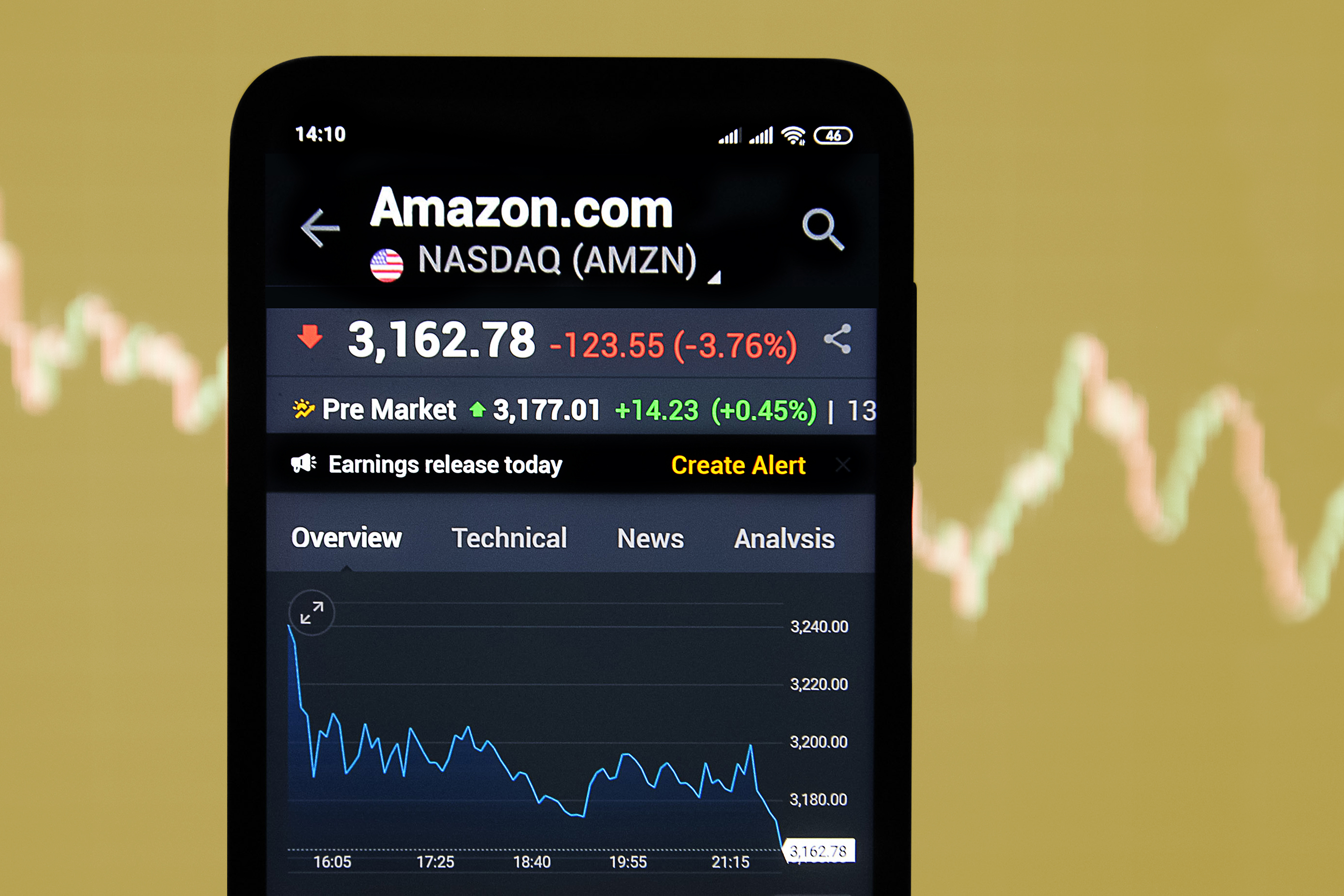
Amazon, trading under the ticker symbol AMZN on the NASDAQ exchange, is more than just an online retailer. Its diversified business model, robust global infrastructure, and relentless focus on customer experience have cemented its position as a market leader across multiple sectors. Key reasons investors often consider AMZN include:
- Market Dominance in E-commerce: Amazon continues to lead the online retail space, benefiting from strong consumer trends towards digital shopping. Its vast logistics network and Prime membership program create a significant competitive advantage.
- AWS Cloud Computing Prowess: Amazon Web Services (AWS) is a cornerstone of the company’s profitability and growth. As the leading cloud provider, AWS powers countless businesses worldwide, generating high-margin revenue and consistently outperforming competitors.
- Expansion into High-Growth Areas: Beyond e-commerce and cloud, Amazon has significant stakes in digital advertising, streaming services (Prime Video), artificial intelligence (Alexa), and groceries (Whole Foods), providing multiple avenues for future growth.
- Innovation and Long-Term Vision: Amazon has a history of investing heavily in future technologies and business lines, often accepting short-term pressure for long-term gains. This forward-looking approach can be appealing to growth-oriented investors.
However, like any investment, AMZN stock is subject to market fluctuations, competitive pressures, regulatory scrutiny, and economic downturns. A thorough understanding of its financial performance, competitive landscape, and future outlook is paramount before committing your capital.
Key Considerations Before Investing
Before you even think about placing an order, take stock of your personal financial situation. Investing in individual stocks, even those of well-established companies like Amazon, carries inherent risks.
- Financial Goals: Are you saving for retirement, a down payment, or another long-term objective? Your investment horizon and liquidity needs will influence your strategy.
- Risk Tolerance: How comfortable are you with the possibility of your investment losing value? While Amazon has a strong track record, past performance is not indicative of future results. Stock prices can be volatile.
- Diversification: It’s rarely wise to put all your investment capital into a single stock. Amazon might be a part of your portfolio, but it shouldn’t be your entire portfolio. Diversification across various assets, industries, and geographies helps mitigate risk.
- Research and Due Diligence: Never invest based on hype or a “gut feeling.” Research Amazon’s financial reports, analyst ratings, news, and industry trends. Understand its valuation metrics (P/E ratio, market cap) relative to its peers.
The Step-by-Step Process to Buying AMZN Stock
Once you’ve done your homework and decided Amazon stock aligns with your investment strategy, the actual process of buying shares is relatively straightforward. It involves a few key steps that empower you to take control of your financial future.
1. Open a Brokerage Account
The first and most critical step is to open an investment account with a reputable brokerage firm. A brokerage account acts as your gateway to the stock market, allowing you to buy, sell, and hold various securities.
- Choose a Broker: There are numerous online brokerage firms catering to individual investors. Popular options include Charles Schwab, Fidelity, Vanguard, E*TRADE, Robinhood, and Interactive Brokers. When choosing, consider factors such as:
- Fees: Look for commission-free trading on stocks and ETFs. Be aware of other potential fees like account maintenance, inactivity fees, or fees for specific services.
- Platform Features: Evaluate the ease of use, research tools, educational resources, and customer support. Some platforms offer advanced trading tools, while others prioritize simplicity for beginners.
- Account Types: Decide what type of account best suits you. A taxable brokerage account is standard, but you might also consider tax-advantaged accounts like an Individual Retirement Account (IRA) if your goal is retirement savings.
- Application Process: Opening an account typically involves an online application where you’ll provide personal information (name, address, Social Security number), employment details, and financial information. You’ll also likely need to agree to terms and conditions and disclose your investment experience and risk tolerance. The process usually takes less than an hour, and approval can be swift.
2. Fund Your Brokerage Account
Once your account is open, you’ll need to deposit money into it before you can purchase any stock. Brokerage firms offer several convenient ways to fund your account:
- Electronic Funds Transfer (EFT) / ACH Transfer: This is the most common and often free method, linking your bank account directly to your brokerage account. Funds typically clear within 1-3 business days.
- Wire Transfer: For larger amounts or quicker access to funds, a wire transfer is an option, though it usually incurs a fee from your bank. Funds are often available the same day.
- Check Deposit: You can mail a check or, with some brokers, deposit it electronically via their mobile app. This method usually takes longer for funds to clear.
- Account Transfer: If you have an existing investment account at another institution, you can often transfer assets directly to your new brokerage account.
Ensure you deposit enough funds to cover the cost of the Amazon shares you intend to buy, plus any potential fees (though most brokers offer commission-free stock trading).
3. Research and Place Your Order
With your account funded, you’re ready to make your purchase. This step involves navigating your broker’s platform and executing your trade.
- Search for AMZN: Use the search bar on your brokerage platform to find Amazon by its ticker symbol, “AMZN.”
- Review Current Price Data: You’ll see the current market price (often with a slight delay if you don’t have real-time data), along with other relevant information like the daily high/low, trading volume, and company news.
- Determine How Many Shares: Decide how many shares you wish to buy based on your budget and investment strategy. Remember that Amazon’s share price can be substantial, but many brokers now offer fractional shares (see below) to make investing more accessible.
- Choose Your Order Type:
- Market Order: This instructs your broker to buy shares immediately at the best available price. While simple, the price you pay might differ slightly from what you saw moments before, especially in volatile markets.
- Limit Order: This allows you to set a maximum price you’re willing to pay per share. Your order will only execute if the stock’s price falls to or below your specified limit. This gives you more control over the purchase price but means your order might not execute if the price doesn’t hit your limit. For long-term investors, a market order is often sufficient, but limit orders can be useful for more precise entry points.
- Execute the Trade: Confirm all the details of your order before clicking “Buy” or “Place Order.” Once executed, you will officially own shares of Amazon. You’ll receive a trade confirmation from your broker.

Different Ways to Invest in Amazon
While buying individual shares directly is the most straightforward method, there are other avenues to gain exposure to Amazon’s growth, catering to different investment preferences and budgets.
Direct Stock Purchase (Individual Shares)
This is what we’ve primarily discussed: buying individual shares of AMZN through a brokerage account. It gives you direct ownership and full exposure to the company’s performance. It requires active monitoring and research to ensure it continues to align with your investment goals.
Exchange-Traded Funds (ETFs) and Mutual Funds
If you prefer a diversified approach or want exposure to Amazon without the volatility of holding a single stock, consider investing in an ETF or mutual fund that includes Amazon as one of its top holdings.
- Tech-Focused ETFs: Many ETFs specialize in the technology sector (e.g., XLK, VGT) or growth stocks, and Amazon is a common component due to its market capitalization and tech-driven businesses.
- Broad Market Index Funds: Funds that track indices like the S&P 500 (e.g., SPY, VOO) will naturally hold Amazon, as it’s one of the largest companies by market cap in the index. This provides diversified exposure to the overall U.S. stock market, with Amazon representing a significant portion of that exposure.
- Benefits: ETFs and mutual funds offer instant diversification, professional management (for actively managed funds), and often lower risk compared to individual stock picking. They are an excellent option for beginners or those seeking a more hands-off approach.
Fractional Shares
Historically, buying stock required purchasing whole shares, which could be a barrier for high-priced stocks like Amazon. Today, many leading brokerage firms offer fractional shares, allowing you to invest a specific dollar amount (e.g., $100) into a stock, even if that amount is less than the cost of a single share. If Amazon shares are trading at $150, you could buy 0.66 shares for your $100.
- Accessibility: Fractional shares democratize investing, making it possible for investors with smaller budgets to own a piece of high-value companies.
- Dollar-Cost Averaging: This feature pairs well with dollar-cost averaging, where you invest a fixed amount of money at regular intervals, regardless of the stock price. This strategy helps mitigate risk by averaging out your purchase price over time.
Important Considerations for Long-Term Amazon Investors
Investing is not a one-time event; it’s a journey. For those looking to hold Amazon stock for the long term, ongoing management and awareness are crucial.
Diversification Remains Paramount
Even if you are incredibly bullish on Amazon, it is never prudent to concentrate too much of your portfolio in a single stock. Market conditions, industry shifts, and company-specific challenges can always impact performance. A well-diversified portfolio across different sectors, asset classes (stocks, bonds, real estate), and geographies provides a buffer against unforeseen events and optimizes your risk-adjusted returns.
Understanding Market Fluctuations and Volatility
Stock prices, including Amazon’s, will experience ups and downs. These fluctuations are a normal part of the stock market. Emotional reactions to short-term volatility, such as panic selling during a dip or chasing a rising stock, often lead to poor investment decisions. A long-term perspective, coupled with a disciplined investment plan, is essential to ride out market cycles and potentially benefit from Amazon’s continued growth. Focus on the underlying business fundamentals rather than daily price movements.
Taxes on Investments
As a U.S. investor, you’ll need to consider the tax implications of your investments.
- Capital Gains: When you sell your Amazon stock for a profit, you’ll incur capital gains taxes.
- Short-term capital gains (for assets held one year or less) are taxed at your ordinary income tax rate.
- Long-term capital gains (for assets held longer than one year) typically receive preferential tax rates, which are lower than ordinary income rates. This provides a strong incentive for long-term investing.
- Dividends: While Amazon does not currently pay a dividend, if it were to do so in the future, these payments would also be subject to income tax.
- Tax Loss Harvesting: In some cases, you can sell investments at a loss to offset capital gains and potentially a limited amount of ordinary income.
It is highly recommended to consult with a qualified tax professional to understand how investment taxes apply to your specific situation and to ensure you are compliant with all regulations.
Staying Informed and Reassessing
The business world is dynamic, and even industry leaders like Amazon face constant change. Staying informed about the company’s performance, strategic initiatives, competitive landscape, and broader economic trends is vital. Regularly review Amazon’s earnings reports, investor calls, and reputable financial news. Periodically reassess whether your initial investment thesis for Amazon still holds true and if the stock continues to align with your overall financial plan.
Conclusion
Buying Amazon stock, or any stock for that matter, is an accessible process that begins with setting up a brokerage account and funding it. However, the decision to invest should always be preceded by thorough research, a clear understanding of your financial goals, and an honest assessment of your risk tolerance. By following a disciplined approach, leveraging available tools like fractional shares, and committing to long-term vigilance, you can confidently integrate Amazon into a diversified investment portfolio, participating in the potential growth of one of the world’s most influential companies. Remember, intelligent investing is about knowledge, strategy, and patience, not just making a single purchase.
aViewFromTheCave is a participant in the Amazon Services LLC Associates Program, an affiliate advertising program designed to provide a means for sites to earn advertising fees by advertising and linking to Amazon.com. Amazon, the Amazon logo, AmazonSupply, and the AmazonSupply logo are trademarks of Amazon.com, Inc. or its affiliates. As an Amazon Associate we earn affiliate commissions from qualifying purchases.