
Understanding the financial might of a global behemoth like Apple Inc. involves delving into concepts that extend beyond simple market capitalization. While Apple is frequently cited as one of the world’s most valuable public companies by market cap, its “net worth” – a fundamental measure of its financial health – offers a distinct and often more profound insight into its intrinsic value and long-term stability. This article will meticulously unpack what net worth signifies for a corporation of Apple’s scale, exploring its constituent elements, the factors that influence it, and its implications for investors and the broader economy.
Understanding Corporate Net Worth: More Than Just a Number
The term “net worth” for an individual is straightforward: assets minus liabilities. For a corporate entity, especially one as vast and complex as Apple, the principle remains the same, but the components are exponentially larger and more varied. Corporate net worth is essentially the total value of a company’s assets less its total liabilities. It represents the residual value belonging to shareholders if all assets were liquidated and all debts paid off.
Defining Net Worth for a Multitrillion-Dollar Enterprise
For Apple, a company with operations spanning the globe, billions in revenue, and an intricate web of supply chains and distribution networks, its net worth is a dynamic figure reported on its balance sheet as “Shareholders’ Equity.” This equity is the cumulative result of retained earnings (profits not paid out as dividends), common stock, and other comprehensive income. It’s a snapshot of the company’s financial position at a specific point in time, reflecting its accumulated wealth.
Unlike an individual’s net worth, which might include personal property and investments, a corporation’s net worth encompasses a vast array of assets: cash and cash equivalents, marketable securities, accounts receivable, inventory, property, plant, and equipment (PP&E), as well as intangible assets like patents and trademarks. On the liabilities side, it includes accounts payable, accrued expenses, short-term and long-term debt, deferred revenue, and other obligations. The scale of these items for Apple is staggering, often running into hundreds of billions of dollars for individual categories.
Why Net Worth Differs from Market Capitalization
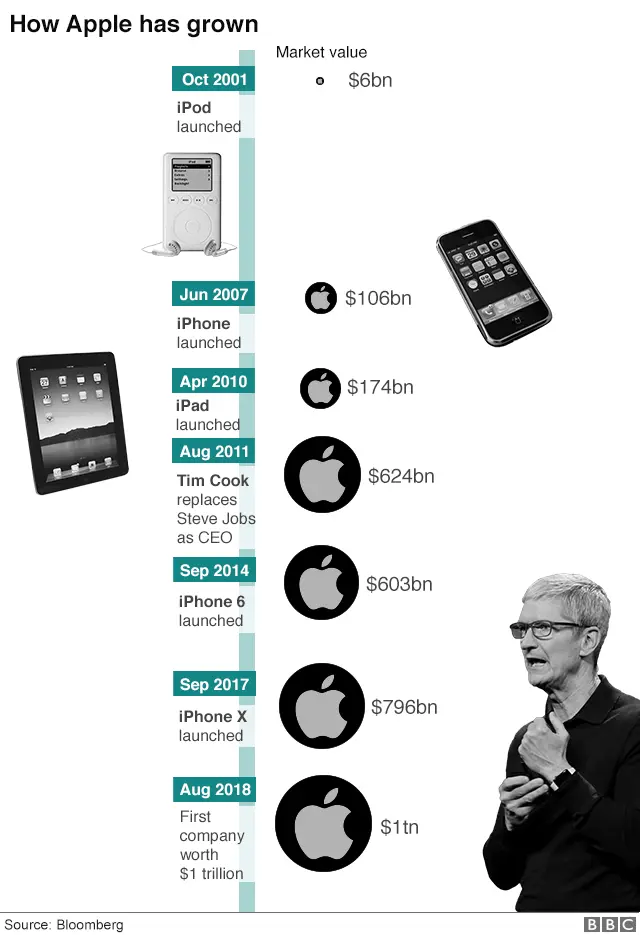
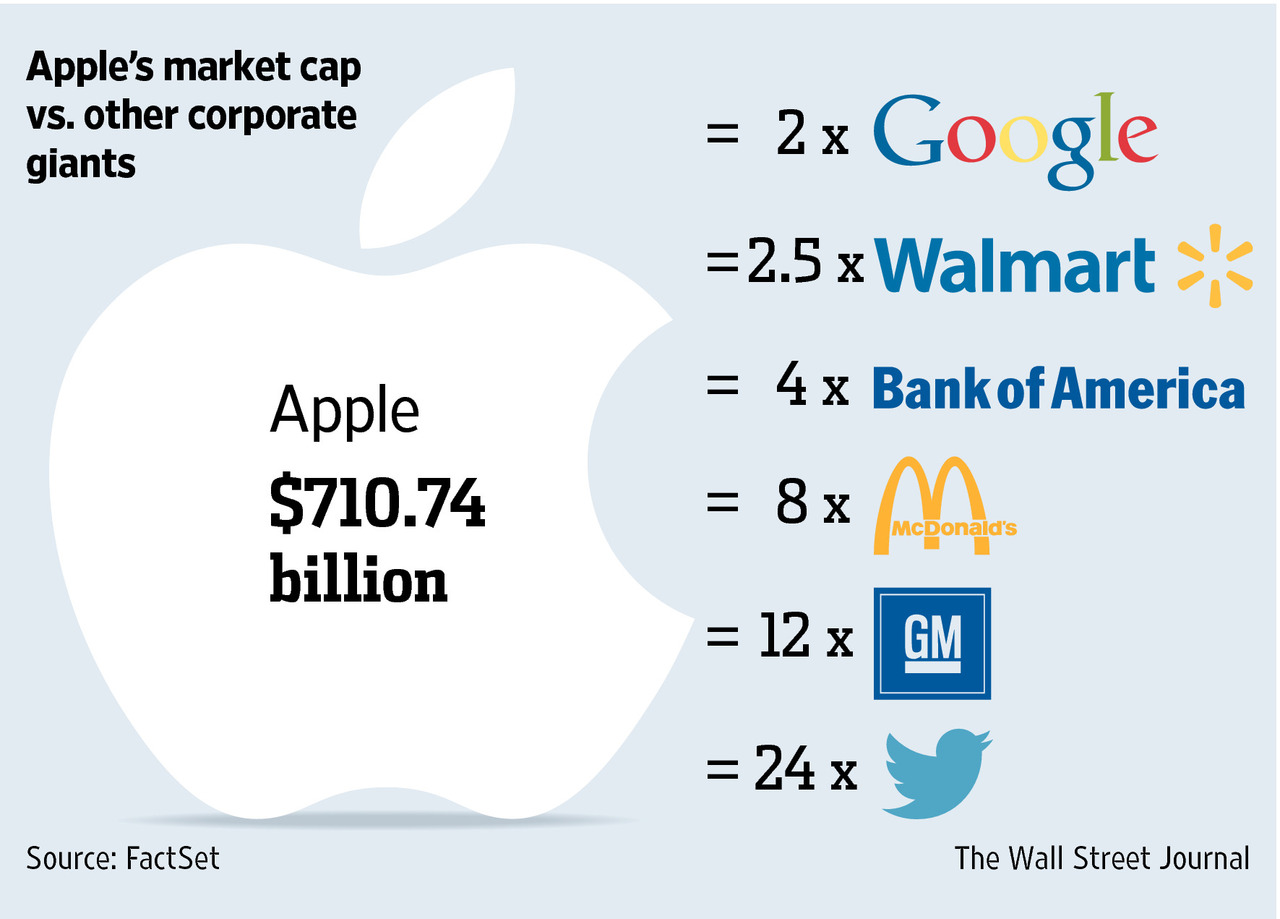
It’s crucial to distinguish net worth (shareholders’ equity) from market capitalization, as these terms are often conflated or misused. Market capitalization is the total value of a company’s outstanding shares of stock, calculated by multiplying the current share price by the number of shares outstanding. This figure fluctuates daily, even hourly, based on investor sentiment, news, and market forces. Apple’s market cap has famously surpassed $3 trillion at various points, making it one of the most highly valued companies globally.
Net worth, or shareholders’ equity, on the other hand, is an accounting measure derived directly from the company’s financial statements. It represents the book value of the company and does not directly reflect the market’s perception of its future earnings potential or growth prospects, which are significant drivers of market capitalization. While a healthy net worth often underpins a strong market cap, the latter can be significantly higher than the former, especially for growth companies like Apple, where investors anticipate substantial future profits. The difference often represents the market’s valuation of intangible assets, future growth, and brand equity that aren’t fully captured on the balance sheet’s book value.
The Components of Apple’s Balance Sheet
To truly grasp Apple’s net worth, one must look at the key categories on its balance sheet.
On the asset side, Apple boasts:
- Current Assets: Dominated by immense cash and marketable securities, which provide liquidity and strategic flexibility. Also includes accounts receivable (money owed to Apple) and inventory (products ready for sale or components).
- Non-Current Assets: Primarily property, plant, and equipment (factories, retail stores, data centers), long-term investments, and significant intangible assets (patents, licensed technologies, and the intrinsic value of its powerful brand, though the latter isn’t always directly valued on the balance sheet at market rates).
On the liabilities side, Apple manages:
- Current Liabilities: Accounts payable (money Apple owes to suppliers), deferred revenue (payments received for services not yet rendered, like AppleCare or subscriptions), and short-term debt.
- Non-Current Liabilities: Long-term debt (bonds issued to fund operations, share buybacks, and dividends), deferred tax liabilities, and other long-term obligations.
The calculation of “Total Shareholders’ Equity” (net worth) involves subtracting total liabilities from total assets. For Apple, this figure consistently hovers in the tens of billions, reflecting a deeply solvent and financially robust enterprise.
Deconstructing Apple’s Financial Might: A Deep Dive into its Balance Sheet
Apple’s balance sheet is a testament to extraordinary financial management and sustained commercial success. Its financial structure is designed for both operational efficiency and strategic flexibility.
Apple’s Enormous Cash Reserves and Investments
One of Apple’s most striking financial characteristics is its massive hoard of cash, cash equivalents, and marketable securities. Historically, this “war chest” has often exceeded $200 billion. These reserves allow Apple to pursue aggressive research and development, make strategic acquisitions (though it tends to make smaller, targeted acquisitions rather than mega-deals), weather economic downturns, and return substantial capital to shareholders through dividends and share buybacks. The effective management of these assets, often invested in a diversified portfolio of debt securities, is a critical component of its financial strategy, generating significant investment income.
Strategic Assets: IP, Brand Value, and Global Infrastructure
While cash is crucial, Apple’s enduring value is also embedded in its strategic assets. Its vast portfolio of intellectual property (IP), including patents for its core technologies, industrial designs, and software, forms an invaluable asset base. Furthermore, the Apple brand itself is perhaps its most potent intangible asset. Though difficult to quantify precisely on a balance sheet using traditional accounting methods, the brand’s power translates directly into pricing power, customer loyalty, and market dominance, all of which ultimately contribute to higher revenues and profitability, thereby increasing retained earnings and net worth over time. Its extensive global infrastructure, encompassing supply chains, manufacturing partnerships, retail stores, and data centers, represents substantial physical assets critical to its operations.
Navigating Liabilities: Debt Management and Operational Commitments
Despite its immense assets, Apple also carries significant liabilities. The company strategically issues debt, not typically out of necessity, but to take advantage of low interest rates, often to fund its capital return programs (share buybacks and dividends) in a tax-efficient manner, particularly when it had large amounts of offshore cash that would incur repatriation taxes. Its debt management is highly sophisticated, maintaining excellent credit ratings which allow it to borrow at very favorable rates. Operational commitments, such as accounts payable to its vast network of suppliers and deferred revenue from services like AppleCare and App Store subscriptions, are also substantial. These liabilities are part of normal business operations and are managed meticulously to ensure liquidity and operational continuity.

The Dynamic Nature of Valuation: Factors Influencing Apple’s Financial Health
Apple’s net worth, while stable in its fundamental definition, is constantly influenced by a myriad of internal and external factors that affect its assets and liabilities.
Product Cycles and Innovation
The success of Apple’s product cycles, particularly its flagship iPhone, Mac, and now its expanding services portfolio, directly impacts its financial health. Highly successful product launches drive increased sales, which translate into higher cash flows, retained earnings, and ultimately, a stronger balance sheet. Conversely, missteps or a slowdown in innovation could impact sales and profitability, potentially affecting asset growth. The continuous influx of new revenue from services like Apple Music, iCloud, and the App Store provides a more predictable and recurring revenue stream, further bolstering financial stability.
Global Economic Conditions and Supply Chains
As a global company, Apple’s financial performance is inextricably linked to macroeconomic trends. Factors such as global economic growth, consumer spending habits, currency fluctuations, and geopolitical stability can significantly affect its sales and profitability. The resilience and efficiency of its supply chain, which spans multiple continents, is also critical. Disruptions, whether from natural disasters, pandemics, or trade disputes, can lead to production delays, increased costs, and inventory challenges, all of which have an impact on the balance sheet. Apple’s ability to navigate these complexities is a testament to its operational acumen.
Shareholder Returns and Capital Allocation
Apple’s aggressive capital return program, involving substantial share buybacks and dividends, directly impacts its shareholders’ equity. While these actions reward shareholders, share buybacks reduce the number of outstanding shares, which can boost earnings per share (EPS) but also decrease the book value of equity on the balance sheet if shares are repurchased at a price higher than their book value. Dividends directly reduce retained earnings. Apple’s strategy balances returning capital to investors with maintaining sufficient reserves for future investments and strategic opportunities. The magnitude of these programs reflects the company’s strong free cash flow generation.
Implications for Investors and the Global Economy
Apple’s financial standing has far-reaching implications, not just for its own shareholders but for the broader investment landscape and global economy.
Apple as a Barometer of Tech Investment
Due to its sheer size and influence, Apple’s financial performance and valuation often serve as a barometer for the health of the technology sector and even the broader market. Strong earnings reports from Apple can boost investor confidence across the tech industry, while any weakness can send ripples through global markets. Its financial decisions, such as investment in new technologies or expansion into new markets, can signal broader trends for investors to consider.
Financial Stability and Future Growth Prospects
Apple’s robust net worth signifies deep financial stability, providing a strong foundation for continued innovation and expansion. This financial strength allows it to invest heavily in R&D for future products (like augmented reality or autonomous vehicles), expand its services ecosystem, and grow its presence in emerging markets. For investors, a strong balance sheet signals lower risk and greater capacity for sustained growth and shareholder returns. The ability to fund strategic initiatives without excessive reliance on external financing is a powerful competitive advantage.
Beyond the Balance Sheet: ESG and Sustainable Value Creation
While net worth is a purely financial metric, Apple’s increasing focus on Environmental, Social, and Governance (ESG) factors is also contributing to its long-term financial stability and attractiveness to investors. Investors are increasingly evaluating companies not just on their current financial statements but also on their sustainability practices, ethical conduct, and social impact. Apple’s efforts in renewable energy, responsible sourcing, and supply chain labor standards, while not directly listed on the balance sheet as assets or liabilities, enhance its brand reputation, mitigate future risks, and attract capital from a growing pool of socially conscious investors, thereby supporting its long-term financial value.
Conclusion: The Enduring Financial Fortress of Apple
In conclusion, Apple’s net worth, represented by its shareholders’ equity, provides a comprehensive and critical perspective on its financial foundation. While often overshadowed by its soaring market capitalization, net worth reveals the fundamental strength derived from its vast assets and prudent liability management. This figure, consistently in the tens of billions of dollars, underscores Apple’s unparalleled financial stability, enabling it to navigate economic headwinds, pursue ambitious innovation, and deliver substantial value to its shareholders.
Synthesizing Apple’s Financial Prowess
Apple’s financial prowess is a complex interplay of massive cash reserves, strategic investments in intellectual property and global infrastructure, disciplined debt management, and robust revenue generation from a diverse product and services portfolio. Its net worth is a testament to decades of consistent profitability, strategic asset accumulation, and meticulous financial oversight. It reflects the retained earnings that fuel future growth and innovation, safeguarding the company against unforeseen challenges.
Looking Ahead: Sustaining Trillion-Dollar Valuation
Maintaining its trillion-dollar valuation and financial dominance will require Apple to continually balance innovation with financial discipline. The company’s ability to evolve its product lines, expand its high-margin services segment, efficiently manage its global supply chain, and strategically allocate its immense capital will be paramount. As the technological landscape continues to shift, Apple’s formidable net worth provides the financial bedrock necessary to adapt, innovate, and thrive, solidifying its position as one of the world’s most financially sound and valuable enterprises for years to come.
aViewFromTheCave is a participant in the Amazon Services LLC Associates Program, an affiliate advertising program designed to provide a means for sites to earn advertising fees by advertising and linking to Amazon.com. Amazon, the Amazon logo, AmazonSupply, and the AmazonSupply logo are trademarks of Amazon.com, Inc. or its affiliates. As an Amazon Associate we earn affiliate commissions from qualifying purchases.