
The question “what is the price of Apple stock?” is far more profound than a simple query for a current number. It encapsulates the dynamic interplay of market forces, corporate performance, investor sentiment, and global economic trends that determine the valuation of one of the world’s most influential companies. For anyone navigating the complex world of personal finance and investing, understanding Apple’s stock price – not just the figure itself, but what drives it and how to interpret it – is a cornerstone of informed decision-making. As a behemoth in the tech sector, Apple (NASDAQ: AAPL) commands significant attention, and its stock performance often serves as a barometer for the broader market and consumer economy.
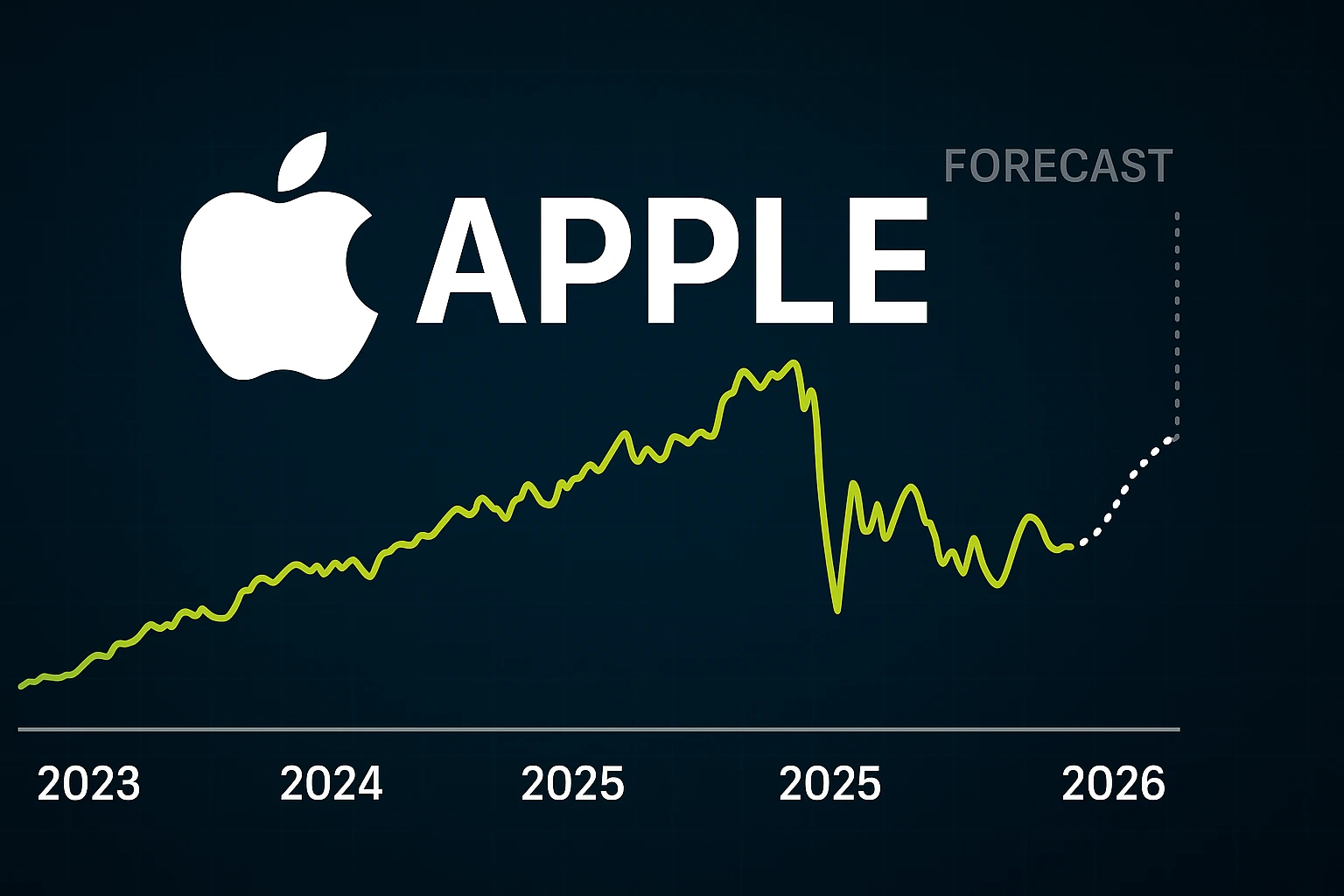
Understanding the “Price” of Apple Stock: Beyond the Ticker
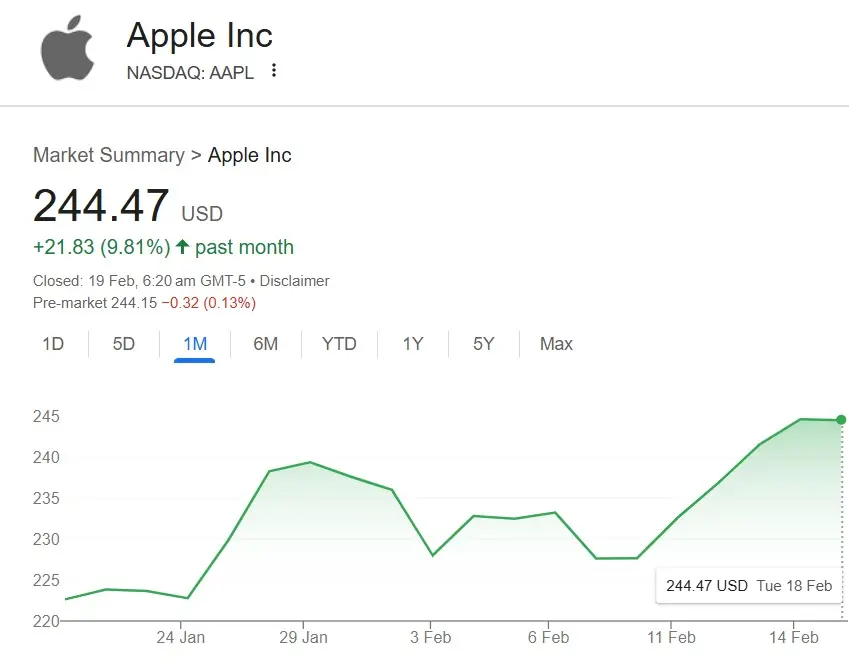
When investors ask about the “price” of Apple stock, they’re often seeking a real-time quote, a specific dollar figure displayed on a financial screen. However, this single number is a snapshot of a constantly fluctuating valuation, influenced by an intricate dance of supply and demand.
The Dynamic Nature of Stock Prices: Bid, Ask, Last Trade
A stock’s price is not static; it is a live reflection of what buyers are willing to pay and sellers are willing to accept at any given moment. During market hours, this price can change many times per second.
- Bid Price: This is the highest price a buyer is currently willing to pay for a share of Apple stock.
- Ask Price (or Offer Price): This is the lowest price a seller is currently willing to accept for a share of Apple stock.
- Spread: The difference between the bid and ask price. A narrow spread typically indicates high liquidity and frequent trading.
- Last Trade Price: This is the price at which the most recent transaction occurred. This is the figure typically displayed prominently on financial websites and trading platforms as “the price.”
The actual price you get when buying or selling might be slightly different from the last trade price, depending on market conditions and the size of your order. Furthermore, this price does not account for transaction costs like brokerage commissions or regulatory fees, which can slightly impact your net investment.
Where to Find Real-Time Apple Stock Quotes (AAPL Ticker)
Accessing real-time or delayed stock quotes for Apple is straightforward. The company trades under the ticker symbol AAPL on the NASDAQ exchange. Reliable sources include:
- Online Brokerage Platforms: If you have an investment account, your broker’s platform will provide real-time quotes, charts, and often in-depth analytics.
- Financial News Websites: Major financial news outlets (e.g., Bloomberg, Reuters, The Wall Street Journal, Yahoo Finance, Google Finance) offer free access to delayed or real-time quotes, historical data, and related news.
- Stock Market Apps: Many mobile applications are dedicated to tracking stock prices and portfolio performance.
It’s crucial to understand whether the quote you’re viewing is real-time or delayed (often by 15-20 minutes). For active traders, real-time data is essential, while for long-term investors, a slight delay is usually inconsequential.
Beyond the Number: What the Price Represents
While the dollar amount per share is what we see, its true significance lies in what it represents for the company’s overall valuation.
- Market Capitalization: The most important figure derived from the stock price is market capitalization (market cap). This is calculated by multiplying the current share price by the total number of outstanding shares. For a company like Apple, with hundreds of billions of shares outstanding, even a small movement in the share price translates into billions of dollars added or subtracted from its market cap. Market cap provides a holistic view of the company’s size and value as perceived by the market. As of recent periods, Apple has consistently been one of the largest companies globally by market cap, often exceeding $2 trillion, a testament to its pervasive influence.
- Investor Perception: The stock price is also a reflection of investor expectations for the company’s future earnings, growth, and overall health. A rising price often indicates optimism, while a falling price suggests concerns. It’s not just about current performance but projected performance, innovation pipelines, and leadership stability.
Key Factors Influencing AAPL’s Stock Performance
Apple’s stock price is a complex mosaic of internal performance indicators, external market forces, and broader economic sentiment. Understanding these drivers is critical for any prospective or current investor.
Financial Performance: The Bedrock of Valuation
At its core, a company’s stock price is fundamentally tied to its financial health and performance.
- Revenue and Profitability: Apple’s ability to generate strong sales from its products and services, coupled with healthy profit margins, directly impacts investor confidence. Quarterly and annual earnings reports, detailing revenue, net income, and earnings per share (EPS), are pivotal events that often cause significant stock price movements. Consistent growth in these metrics signals a robust business.
- Product Margins: The profitability of Apple’s flagship products, particularly the iPhone, but increasingly its growing services segment, is closely watched. Higher margins allow for greater reinvestment, research and development, and returns to shareholders.
- Cash Flow: Free cash flow (FCF) – the cash a company generates after accounting for cash outlays to support its operations and maintain its capital assets – is a strong indicator of financial flexibility. Apple’s immense FCF allows it to fund innovation, make strategic acquisitions, and return capital to shareholders.
Product Innovation and Ecosystem Strength: The Apple Advantage
Apple’s brand strength is inextricably linked to its continuous innovation and the robustness of its ecosystem.
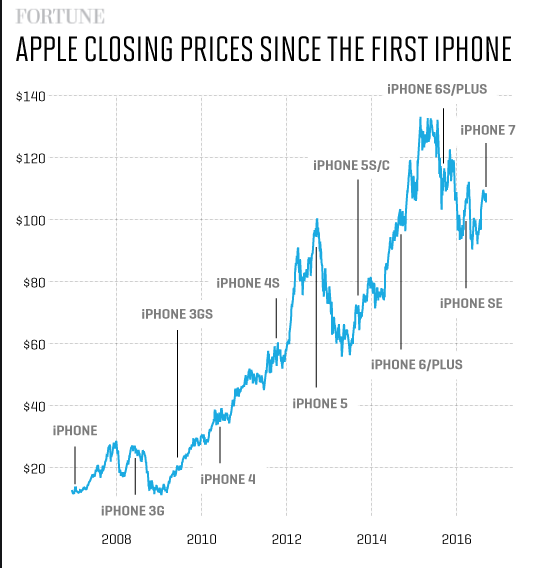
- The iPhone Cycle: While Apple has diversified significantly, the iPhone remains its primary revenue driver. The success of new iPhone models and the company’s ability to drive upgrades and attract new users profoundly impacts investor sentiment.
- Services Growth: Apple’s push into services (App Store, Apple Music, iCloud, Apple TV+, Apple Pay, etc.) has been a significant growth engine. This recurring revenue stream provides greater predictability and higher margins, making it a crucial component of the investment thesis.
- Wearables and Home Devices: Products like Apple Watch, AirPods, and HomePod represent expanding categories that contribute to the ecosystem and diversify revenue streams beyond the iPhone. The introduction of new categories like the Vision Pro signals Apple’s commitment to future growth frontiers.
- Brand Loyalty and Ecosystem Lock-in: The strength of Apple’s brand, coupled with the seamless integration across its hardware, software, and services, creates a powerful ecosystem that fosters customer loyalty and reduces churn, providing a durable competitive advantage.
Macroeconomic Trends and Market Sentiment: External Headwinds and Tailwinds
Even a company as powerful as Apple is not immune to broader economic forces.
- Global Economic Health: Consumer spending, particularly on premium-priced electronics, is sensitive to economic conditions. Recessions, inflation, or geopolitical instability can dampen demand, affecting Apple’s sales and, consequently, its stock price.
- Interest Rates: Higher interest rates can make future earnings less valuable in present terms, potentially leading to lower valuation multiples for growth stocks like Apple. They also affect consumer borrowing costs, which can impact discretionary spending.
- Currency Fluctuations: As a global company, Apple’s revenues are generated in various currencies. A strong U.S. dollar can reduce the value of international sales when converted back into dollars, impacting reported earnings.
- Broader Tech Sector Sentiment: Apple often moves in correlation with the broader technology sector. If the tech market experiences a downturn due to regulatory concerns, overvaluation fears, or shifting investor preferences, Apple’s stock can be affected regardless of its individual performance.
Competitive Landscape and Regulatory Headwinds
The market for consumer electronics and digital services is intensely competitive, and Apple faces increasing scrutiny from regulators worldwide.
- Competition: Samsung, Google, Huawei, and numerous other players constantly challenge Apple across its product categories. Apple must continuously innovate to maintain its market share and premium pricing.
- Antitrust and App Store Policies: Governments and regulatory bodies globally are examining Apple’s App Store policies, control over its ecosystem, and potential anti-competitive practices. Unfavorable rulings or forced changes could impact Apple’s services revenue and overall profitability.
- Supply Chain Resilience: Global events, from pandemics to geopolitical tensions, can disrupt Apple’s complex supply chain, leading to production delays, increased costs, and missed sales opportunities.
Investing in Apple: A Long-Term Perspective
For many investors, Apple represents a cornerstone holding due to its established market position, consistent profitability, and history of innovation. However, like any investment, it comes with its own set of considerations.
Apple as a “Growth” vs. “Value” Stock
Historically, Apple has been perceived as a growth stock, characterized by rapid expansion in revenue and earnings. However, as the company has matured and its market capitalization has swelled, it has increasingly exhibited characteristics of a “hybrid” stock, blending growth potential with elements of value.
- Growth Components: Continued innovation in existing product lines, expansion into new categories (like AR/VR), and the robust growth of its high-margin services segment still provide significant growth opportunities. Emerging markets also represent a potential avenue for continued expansion.
- Value Components: Apple’s enormous free cash flow, consistent profitability, and shareholder-friendly policies like dividends and share buybacks appeal to value-oriented investors seeking stability and capital returns. It’s a mature company with strong fundamentals, often trading at a premium but justified by its market leadership.
Dividend Policy and Share Buybacks: Returning Value to Shareholders
Apple is well-known for its aggressive capital return program, making it attractive to income-focused and long-term investors.
- Dividends: Apple initiated a dividend in 2012 and has consistently increased it since then. While the dividend yield might not be as high as some traditional “income stocks,” it provides a steady stream of passive income for shareholders and signals confidence from management.
- Share Buybacks: The company has also engaged in massive share repurchase programs, buying back billions of dollars worth of its own stock. Share buybacks reduce the number of outstanding shares, which can boost earnings per share (EPS) and often support the stock price. This demonstrates a commitment to enhancing shareholder value.
Risks and Opportunities for AAPL Investors
Every investment carries risk, and Apple is no exception.
- Opportunities: Continued innovation (e.g., AI integration, new hardware categories), further expansion of its services ecosystem, growth in emerging markets, and its potential to capture new segments of the digital economy present significant upside. The resilience of its brand and its ability to weather economic storms are also key advantages.
- Risks: Dependence on the iPhone, increasing regulatory scrutiny (especially related to antitrust), intense competition, potential supply chain disruptions, geopolitical tensions, and the risk of a “next big thing” failing to materialize are all factors that could negatively impact the stock. The sheer size of Apple also means that achieving very high percentage growth rates becomes increasingly challenging.
Diversification and Portfolio Strategy
While Apple is a dominant force, prudent investing dictates the importance of diversification. Holding Apple stock as part of a well-diversified portfolio that includes other sectors, geographies, and asset classes can mitigate risk. For many, Apple represents a significant “core” holding, but it should rarely be the only holding.
Analyzing Apple’s Valuation: Is the Price Right?
Understanding Apple’s current stock price is one thing; assessing whether that price represents a fair or attractive valuation for investment is another. Investors use various metrics to gauge if a stock is overvalued, undervalued, or fairly priced relative to its earnings, growth prospects, and peers.
Common Valuation Metrics
- Price-to-Earnings (P/E) Ratio: This is one of the most widely used metrics, calculated by dividing the current share price by the company’s earnings per share (EPS). A higher P/E ratio typically indicates that investors are willing to pay more for each dollar of earnings, often implying higher growth expectations. Comparing Apple’s P/E to its historical average and to industry peers (e.g., other large tech companies) is crucial.
- Price-to-Earnings to Growth (PEG) Ratio: The PEG ratio takes the P/E ratio and divides it by the expected earnings growth rate. A PEG ratio around 1 or less is often considered favorable, suggesting the stock might be reasonably priced relative to its growth potential.
- Enterprise Value to EBITDA (EV/EBITDA): This metric is often used to compare companies with different capital structures. It considers the company’s total value (market cap + debt – cash) relative to its earnings before interest, taxes, depreciation, and amortization.
- Free Cash Flow (FCF): Strong and growing free cash flow is a positive indicator, as it represents the cash a company has available to pay dividends, repurchase shares, or invest in future growth without external financing. Analyzing Apple’s FCF yield (FCF per share / share price) can provide another perspective on valuation.
Peer Comparison and Industry Benchmarks
Apple’s valuation should always be considered in the context of its industry and competitors. Comparing its P/E, PEG, and other metrics to those of companies like Microsoft, Amazon, Google, or Samsung can provide insight into whether Apple is trading at a premium or discount relative to similar high-quality tech giants. A premium might be justified by its brand strength, ecosystem, or superior profitability.
Analyst Ratings and Price Targets
Wall Street analysts frequently publish research reports on Apple, offering their opinions on the stock’s future trajectory, issuing “buy,” “hold,” or “sell” ratings, and setting price targets. While these can be informative, investors should use them as one data point among many, as analyst opinions can vary widely and are not always infallible. Understanding the rationale behind their targets is more important than the target itself.
The Future Outlook for Apple Stock
Forecasting the future price of Apple stock is impossible with certainty, but analyzing its potential growth drivers and challenges provides an informed perspective for long-term investors.
Growth Drivers
- Emerging Markets: Apple has significant room for growth in markets where smartphone penetration is still rising, and where its premium brand could attract an expanding middle class.
- New Product Categories: While the iPhone remains dominant, Apple’s ventures into new product categories, such as the Vision Pro, or potential future endeavors in autonomous vehicles or health technology, could unlock substantial new revenue streams. The success of these initiatives will be critical.
- Services Expansion: The high-margin services segment continues to be a crucial growth area. Expanding existing services and introducing new ones could drive consistent revenue growth, making Apple’s business model even more resilient.
- Artificial Intelligence: Deeper integration of AI across Apple’s hardware and software ecosystem promises to enhance user experience, drive innovation, and maintain its competitive edge.
Potential Challenges
- Supply Chain Resilience: Geopolitical tensions and global supply chain disruptions pose ongoing risks, potentially impacting production and product availability.
- Market Saturation: In developed markets, smartphone and PC penetration is high, making significant unit growth challenging. Apple must rely more on upgrades, ecosystem lock-in, and services.
- Regulatory Pressures: Increasing scrutiny from antitrust regulators globally could force changes to Apple’s business practices, potentially impacting its profitability, particularly within the App Store.
- Geopolitical Risks: Apple’s significant manufacturing presence in China and its large market there expose it to geopolitical tensions, trade disputes, and economic shifts in the region.
Long-Term Investment Thesis
For long-term investors, the price of Apple stock today is less about short-term fluctuations and more about the enduring strength of its brand, its unparalleled ecosystem, its capacity for innovation, and its robust financial health. Its consistent ability to generate massive free cash flow, return capital to shareholders, and strategically expand into new markets and services provides a compelling narrative. While no stock is without risk, Apple’s fundamental strengths continue to position it as a formidable player in the global economy and a potentially valuable component of a diversified investment portfolio. The question “what is the price of Apple stock?” ultimately leads to a deeper inquiry into the enduring value and future prospects of one of the world’s most iconic companies.
aViewFromTheCave is a participant in the Amazon Services LLC Associates Program, an affiliate advertising program designed to provide a means for sites to earn advertising fees by advertising and linking to Amazon.com. Amazon, the Amazon logo, AmazonSupply, and the AmazonSupply logo are trademarks of Amazon.com, Inc. or its affiliates. As an Amazon Associate we earn affiliate commissions from qualifying purchases.