
The question “What is the current price of Apple stock?” is far more than a simple query; it’s an entry point into the dynamic world of financial markets, a reflection of investor sentiment, and a snapshot of one of the world’s most influential companies. For seasoned investors and curious newcomers alike, understanding the valuation of Apple Inc. (AAPL) is crucial, as it represents not just a technology giant, but a bellwether for consumer trends, innovation, and global economic health. While a precise, real-time figure changes by the second, this article delves into the mechanisms behind Apple’s stock price, how to track it, and the broader financial considerations for anyone looking to understand or invest in one of Wall Street’s most scrutinized equities.

The Dynamics of Apple’s Stock Price (AAPL)
Apple’s stock price, like any publicly traded security, is in a constant state of flux, influenced by a myriad of factors ranging from immediate market sentiment to long-term strategic announcements. For those seeking “the current price,” it’s essential to understand that this value is a constantly moving target during trading hours.
Real-Time Data vs. Market Close
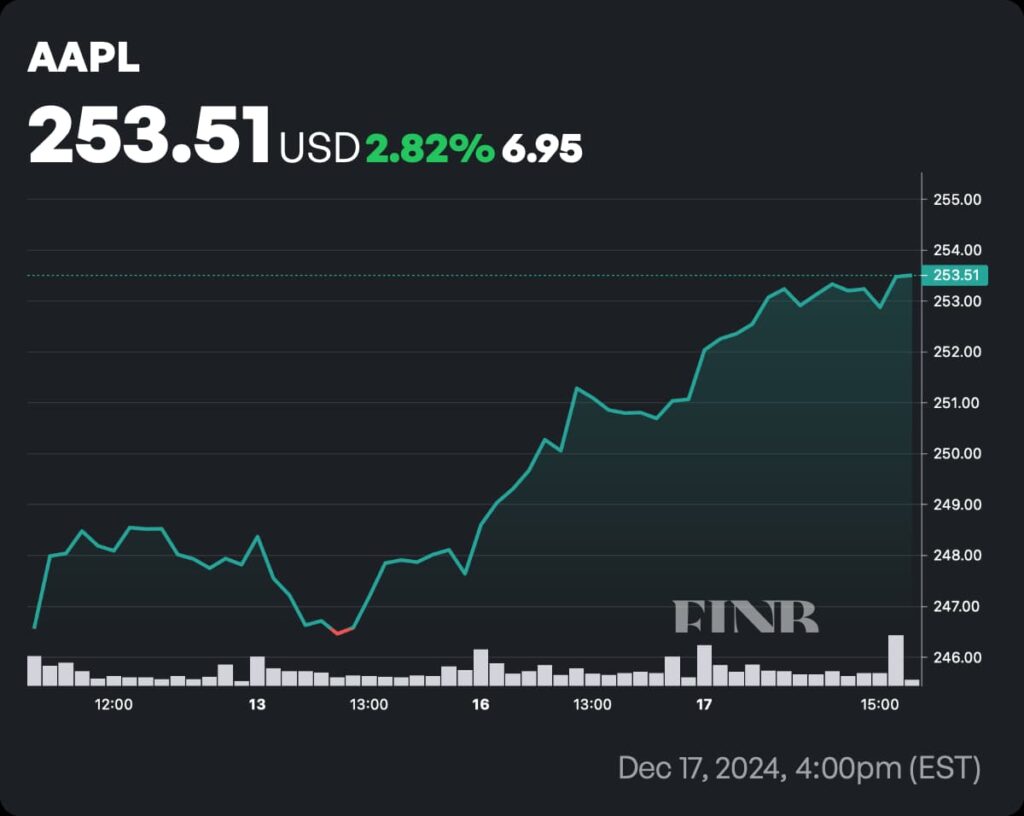
When the stock market is open (typically 9:30 AM to 4:00 PM Eastern Time on weekdays), Apple’s stock price fluctuates second by second as buyers and sellers execute trades. This is the “real-time” price. Once the market closes, the last traded price for the day becomes the “closing price,” which is often reported in financial news summaries. However, trading can also occur outside these hours in “pre-market” and “after-hours” sessions, though with lower liquidity, which can sometimes provide an early indication of the next day’s opening price. Therefore, depending on when you ask, the “current price” can refer to different data points, each with its own significance for analysis.
Where to Find Up-to-the-Minute Information
Accessing the current price of Apple stock is straightforward thanks to numerous financial platforms. Reliable sources include:
- Major Financial News Websites: Sites like Bloomberg, Reuters, The Wall Street Journal, Yahoo Finance, and Google Finance offer real-time or near real-time quotes, along with charts, news, and analytical tools.
- Brokerage Platforms: If you have an investment account, your broker’s platform (e.g., Fidelity, Charles Schwab, Robinhood, E*TRADE) will display real-time stock prices, often integrated with trading functionalities.
- Stock Market Apps: Many mobile applications are dedicated to tracking stock prices, offering push notifications for significant price movements and customizable watchlists.
- Direct Exchange Data: For professional traders, direct data feeds from exchanges provide the fastest, most granular information, though this typically comes with a subscription cost.
When checking, ensure the data source specifies “real-time” to avoid relying on delayed quotes, which are usually 15-20 minutes behind.
Key Factors Influencing Daily Fluctuations
The daily dance of Apple’s stock price is choreographed by an interplay of specific and broad market forces. On any given day, its value can be swayed by:
- Earnings Reports: Quarterly and annual earnings calls are monumental events. Exceeding or missing analyst expectations for revenue, profit, or guidance can cause significant price swings.
- Product Announcements and Launches: While Apple’s product launches are often anticipated, the market reacts to the details, pricing, and perceived innovation, which can impact future sales projections.
- Analyst Ratings and Price Targets: Updates from influential investment banks and research firms can move the needle, as their recommendations often guide institutional and retail investor decisions.
- Economic Indicators: Broader economic data like inflation rates, interest rate decisions by central banks, unemployment figures, and GDP growth reports can influence overall market sentiment, affecting Apple indirectly.
- Competitive Landscape: News about competitors’ products, market share, or legal challenges can impact how investors view Apple’s competitive positioning.
- Supply Chain News: Given Apple’s extensive global supply chain, disruptions, labor issues, or component shortages can raise concerns about production capacity and delivery, impacting investor confidence.
- Geopolitical Events: Trade wars, political instability, or international regulatory changes, especially those impacting key markets like China, can create uncertainty and volatility for a multinational company like Apple.
- Market Sentiment: General “risk-on” or “risk-off” sentiment in the broader market, driven by fear or greed, can pull even a strong stock like Apple up or down with the tide.
Understanding Apple’s Valuation: Beyond the Number
While the immediate stock price is what appears on your screen, a deeper understanding of Apple’s value requires delving into the underlying financial health and market perception. This involves various analytical approaches that help investors determine if the current price is a fair reflection of the company’s intrinsic worth and future potential.
Fundamental Analysis: Earnings, Revenue, and Growth
Fundamental analysis involves scrutinizing Apple’s financial statements, management, and competitive advantages to assess its intrinsic value. Key metrics include:
- Revenue Growth: Consistent revenue growth, especially in key segments like services, indicates a healthy and expanding business.
- Profitability (Net Income & EPS): Strong and growing net income, alongside earnings per share (EPS), signals efficient operations and value creation for shareholders.
- Gross Margin & Operating Margin: These indicate how efficiently Apple converts sales into profit, reflecting its pricing power and cost management.
- Cash Flow: Positive and increasing free cash flow is vital, showing the company’s ability to fund operations, invest in growth, and return capital to shareholders.
- Balance Sheet Health: Low debt levels, ample cash reserves, and efficient asset management point to financial resilience.
- Valuation Ratios: Metrics like the Price-to-Earnings (P/E) ratio, Price-to-Sales (P/S) ratio, and Enterprise Value-to-EBITDA help compare Apple’s valuation against its historical averages and industry peers, indicating if the stock is overvalued, undervalued, or fairly priced.
- Dividend Yield and Payout Ratio: For income-focused investors, Apple’s dividend policy and its sustainability are key considerations.
Technical Analysis: Chart Patterns and Market Sentiment
Technical analysis focuses on historical price movements and trading volumes to predict future price direction. While often debated, many traders use technical indicators to identify entry and exit points. For Apple stock, this might involve:
- Charting Patterns: Identifying trends (upward, downward, sideways), support and resistance levels, and common chart formations (e.g., head and shoulders, double top/bottom) that suggest future price action.
- Moving Averages: Analyzing the relationship between short-term and long-term moving averages (e.g., 50-day, 200-day) to gauge momentum and potential trend reversals.
- Volume Analysis: High trading volume during price movements can confirm the strength of a trend, while low volume might suggest weak conviction.
- Oscillators: Indicators like the Relative Strength Index (RSI) or MACD (Moving Average Convergence Divergence) help assess whether the stock is overbought or oversold, potentially signaling a correction or bounce.
Technical analysis doesn’t consider the company’s underlying business but rather the collective psychology of the market as reflected in price and volume data.
Macroeconomic Headwinds and Tailwinds
Apple’s global reach makes it susceptible to broader economic forces.
- Inflation and Interest Rates: High inflation can erode consumer purchasing power, potentially dampening demand for premium products. Rising interest rates can make borrowing more expensive for Apple and for consumers financing purchases, and also make fixed-income investments more attractive relative to stocks.
- Global Economic Growth: A robust global economy generally bodes well for Apple, increasing consumer spending and demand across its major markets. Conversely, economic slowdowns or recessions can reduce sales.
- Currency Fluctuations: As a company with significant international sales, Apple is exposed to foreign exchange risks. A strong U.S. dollar can reduce the value of international sales when converted back into USD, impacting reported revenue and profits.
- Regulatory Environment: Antitrust investigations, data privacy regulations, or changes in international trade policies can impact Apple’s business model, particularly its App Store fees or manufacturing processes.
Apple’s Enduring Appeal and Investment Thesis
Despite its massive size and maturity, Apple continues to be a darling of the market, frequently ranking among the most valuable companies globally. Its enduring appeal to investors stems from a potent combination of robust financials, strategic foresight, and unparalleled brand loyalty.
Ecosystem Strength and Brand Loyalty
Apple’s greatest asset is arguably its tightly integrated ecosystem of hardware, software, and services. Devices like the iPhone, iPad, Mac, Apple Watch, and AirPods are seamlessly connected by iOS, macOS, and watchOS, creating a sticky user experience that discourages switching to competitors. This ecosystem fosters incredible brand loyalty, where customers are often willing to pay a premium for Apple products. This loyalty translates into recurring revenue and predictable demand, making Apple’s financial performance remarkably stable even during economic fluctuations. The high switching costs associated with moving away from the Apple ecosystem provide a significant competitive moat.
Innovation Pipeline and Service Growth
While the iPhone remains its flagship product, Apple has successfully diversified its revenue streams and demonstrated a consistent commitment to innovation. The growth of its Services segment (App Store, Apple Music, iCloud, Apple TV+, Apple Pay, Fitness+) has been particularly impressive, offering high-margin, recurring revenue that helps stabilize overall earnings. Furthermore, Apple’s continuous investment in research and development suggests a pipeline of future innovations, potentially including new product categories (e.g., augmented/virtual reality headsets, autonomous vehicles) that could unlock new growth vectors and sustain its leadership position in technology and consumer electronics. Investors are constantly looking for clues about “the next big thing” from Apple.
Shareholder Returns: Dividends and Buybacks
Apple has a strong track record of returning capital to shareholders, which enhances its appeal as a long-term investment.
- Dividends: Apple initiated a dividend in 2012 and has consistently increased it since, offering a steady income stream for investors. While its dividend yield might not be the highest, its growth demonstrates confidence in future earnings.
- Share Buybacks: Apple has one of the most aggressive share buyback programs in corporate history. By repurchasing its own shares, the company reduces the number of outstanding shares, which in turn boosts earnings per share (EPS) and can support the stock price. This strategy is often viewed positively by investors as a sign of financial strength and a commitment to enhancing shareholder value. These actions are carefully planned financial maneuvers intended to optimize capital structure and reward investors.
Integrating Apple Stock into Your Investment Portfolio
Investing in Apple stock, or any individual equity, requires careful consideration of one’s personal financial goals, risk tolerance, and overall investment strategy. It’s not merely about buying a share; it’s about making a deliberate decision within a broader financial plan.
Risk Assessment and Diversification
While Apple is a blue-chip company, no investment is without risk. Its stock can still experience significant volatility due to market-wide downturns, company-specific news, or shifts in consumer behavior. Therefore, it’s crucial to:
- Assess your risk tolerance: Understand how much financial loss you can comfortably absorb without impacting your long-term goals.
- Diversify your portfolio: Avoid putting all your eggs in one basket. Investing in Apple should ideally be part of a diversified portfolio that includes other stocks across different sectors, bonds, and potentially other asset classes. This helps mitigate the impact of any single company or industry underperforming.
- Understand Apple-specific risks: These include reliance on the iPhone, intense competition, potential regulatory headwinds, and geopolitical risks associated with its global supply chain and sales.
Long-Term vs. Short-Term Perspectives
Your investment horizon plays a critical role in how you approach Apple stock.
- Long-Term Investors: Often focus on Apple’s fundamental strengths, its ecosystem, innovation, and long-term growth prospects. They are less concerned with daily fluctuations and more interested in the compounding of returns over years. For them, dips might be seen as buying opportunities.
- Short-Term Traders: Aim to profit from daily or weekly price movements, often using technical analysis. This approach is highly speculative, requires constant monitoring, and carries higher risk.
Understanding your own horizon helps determine whether to view Apple as a strategic hold or a tactical trade.
The Role of Technology in a Balanced Portfolio
Technology stocks, particularly those of market leaders like Apple, often play a significant role in growth-oriented portfolios.
- Growth Potential: Tech companies often have higher growth rates compared to traditional industries, driven by innovation and expanding markets.
- Market Leadership: Apple’s dominant position provides a certain level of stability and competitive advantage within the tech sector.
- Diversification within Tech: Even within the tech sector, Apple offers diversification through its blend of hardware, software, and services, making it a robust component of a tech-heavy allocation. However, investors should be mindful of over-concentration in any single sector, even one as dynamic as technology.
Navigating the Market: Tools and Strategies for Investors
To effectively monitor and potentially invest in Apple stock, understanding the practical tools and strategies available to modern investors is paramount. The digital age has democratized access to financial information and trading, but responsible participation requires both knowledge and discipline.
Brokerage Platforms and Investment Apps
The first step for any investor is choosing a reliable platform.
- Full-Service Brokers: Offer comprehensive research, personalized advice, and a wide range of investment products, often with higher fees (e.g., Fidelity, Charles Schwab).
- Discount Brokers: Provide lower-cost trading with less hand-holding, ideal for self-directed investors (e.g., TD Ameritrade, E*TRADE).
- Commission-Free Apps: Popular for new investors due to zero-commission trading, but may offer fewer research tools (e.g., Robinhood, Webull).
When selecting a platform, consider factors like user interface, available research tools, customer service, and the types of accounts offered (e.g., taxable brokerage, Roth IRA). Most platforms will provide real-time quotes, charting capabilities, and access to financial news relevant to Apple.
Staying Informed: Financial News and Analytics
Making informed investment decisions about Apple requires continuous learning and monitoring.
- Reputable Financial News Outlets: Regularly read articles from Bloomberg, The Wall Street Journal, Reuters, Financial Times, and CNBC. These sources provide macro-economic context, company-specific news, and expert analysis.
- Company Filings: For a deeper dive, review Apple’s official filings with the Securities and Exchange Commission (SEC), such as 10-K (annual reports) and 10-Q (quarterly reports). These contain unvarnished financial data and risk disclosures.
- Analyst Reports: While individual investors may not have direct access to institutional analyst reports, summaries and consensus ratings are often available through brokerage platforms or financial news sites. These can provide insights into professional sentiment and price targets.
- Earnings Call Transcripts: Reviewing transcripts of Apple’s quarterly earnings calls provides direct insights into management’s commentary on performance, outlook, and strategic priorities.
- Market Indicators: Pay attention to broader market indices (e.g., S&P 500, Nasdaq Composite) as Apple’s stock often moves in correlation with these benchmarks.
The Importance of Personal Investment Goals
Ultimately, “what is the current price of Apple stock” is only one piece of a larger puzzle. Your decision to buy, hold, or sell should always align with your personal financial objectives.
- Define Your Goals: Are you saving for retirement, a down payment, or a child’s education? Your goals will dictate your investment horizon and risk appetite.
- Create a Plan: Develop an investment strategy that outlines your asset allocation, diversification targets, and rebalancing schedule.
- Monitor and Review: Regularly review your portfolio’s performance and adjust your strategy as your financial situation or market conditions change.
- Avoid Emotional Decisions: The stock market can be volatile. Making hasty decisions based on fear or greed often leads to suboptimal outcomes. Stick to your plan and maintain a long-term perspective where appropriate.
In conclusion, understanding the current price of Apple stock is merely the tip of the iceberg. It necessitates an appreciation for market dynamics, a grasp of fundamental and technical analysis, awareness of macroeconomic influences, and a clear understanding of Apple’s unique position in the global economy. For investors, integrating Apple into a portfolio demands a strategic approach, balancing its compelling growth story and consistent shareholder returns with prudent risk management and alignment with personal financial goals. By leveraging available tools and maintaining an informed perspective, investors can navigate the complexities of the market and make judicious decisions regarding this iconic company.
aViewFromTheCave is a participant in the Amazon Services LLC Associates Program, an affiliate advertising program designed to provide a means for sites to earn advertising fees by advertising and linking to Amazon.com. Amazon, the Amazon logo, AmazonSupply, and the AmazonSupply logo are trademarks of Amazon.com, Inc. or its affiliates. As an Amazon Associate we earn affiliate commissions from qualifying purchases.