
Gift cards have evolved from a niche gifting solution into a ubiquitous financial instrument, deeply embedded in consumer spending habits and the broader economic landscape. Their sheer versatility and convenience have cemented their place in modern commerce, making the question “who buys gift cards?” a surprisingly complex inquiry. Far from a monolithic demographic, the purchasers of gift cards represent a broad spectrum of individuals and organizations, each driven by unique motivations, financial strategies, and cultural nuances. This exploration delves into the diverse profiles of gift card buyers, examining their demographics, the underlying reasons for their purchases, the channels they utilize, and the wider economic implications of their choices, all viewed through the lens of personal and business finance.

The Core Demographics of Gift Card Purchasers
Understanding who buys gift cards begins with dissecting the demographic profiles that consistently contribute to their booming sales. These buyers span across age groups, income levels, and even traditional gender roles, each segment approaching gift card acquisition with distinct priorities.
Age and Generational Trends
Gift card purchasing behavior often correlates with generational characteristics and financial priorities. Millennials and Gen Z are increasingly significant buyers, drawn to the convenience, digital delivery options, and the ability to purchase cards for specific, often experience-based or socially conscious brands. For these younger demographics, gift cards remove the guesswork from gifting, ensuring the recipient receives something they truly desire, or can even be used for self-gifting as a budgeting tool for specific discretionary spending categories. They are adept at navigating online platforms and appreciate the instant gratification of e-gift cards. In contrast, Generation X and Baby Boomers often lean towards gift cards for their practical value and ease of purchase, particularly for traditional gifting occasions. While they may still prefer physical cards for presentation, they increasingly embrace digital options for their practicality, especially for recipients who live far away. For older generations, the predictability of a gift card ensures the recipient isn’t burdened with unwanted items, thereby simplifying their own financial outlay during gifting periods.
Income and Socioeconomic Factors
The purchase of gift cards is not limited to any single income bracket, though the motivations behind the purchase may differ. Individuals across all socioeconomic strata buy gift cards. Higher-income earners might purchase gift cards for their sheer convenience, as a quick yet thoughtful solution for busy schedules, or as luxury brand access. For mid-to-lower income individuals and families, gift cards can serve as a vital budgeting tool for gift-giving, allowing them to allocate a precise, pre-determined amount for presents without overspending. They can also be a strategic way to help family members or friends manage specific expenses, such as groceries or gasoline, effectively providing a pre-funded budget for essential items. Furthermore, for some, purchasing a gift card for a desired retailer during promotional periods can even be a clever way to lock in savings or future purchasing power.
Gender Differences in Gifting Habits
While broad generalizations can be misleading, research occasionally indicates subtle differences in gifting patterns between genders. Women are often found to be the primary purchasers of gifts in many households, and consequently, may represent a larger portion of gift card buyers, particularly for personal and celebratory occasions. Their selections might lean towards retail, spa, dining, or experiential gift cards, reflecting a nuanced understanding of recipients’ preferences. Men, while also significant buyers, might favor more practical or universally appealing options like general merchandise, electronics, or restaurant cards. However, these are fluid trends, with modern consumers increasingly making choices based on individual recipient preference rather than traditional gender roles, reflecting a shift towards more financially practical and recipient-focused gifting strategies.
Motivations Behind Gift Card Purchases
Beyond demographics, the underlying reasons for buying gift cards are deeply rooted in financial prudence, convenience, and strategic planning. These motivations reveal much about the role gift cards play in personal and business finance.
The Pursuit of Convenience and Flexibility
One of the most compelling financial drivers for buying gift cards is their unparalleled convenience and flexibility. For the giver, it eliminates the stress of choosing the “perfect” gift, preventing potential financial missteps of buying something unwanted that might lead to returns or unused items. This saves time and effort, especially for those with demanding schedules, making gift cards an ideal last-minute gifting solution. For remote recipients, digital gift cards offer instant delivery, removing shipping costs and delays, a clear financial advantage. From a recipient’s perspective, flexibility means they can choose exactly what they want, when they want it, thereby maximizing the value of the gift and minimizing potential financial waste on unwanted presents.
Budgeting and Financial Control
Gift cards are powerful instruments for budgeting and financial control, both for individuals and businesses. For personal use, purchasing a gift card with a pre-defined value ensures that the giver sticks to a specific budget for a gift, preventing impulse overspending, particularly during high-pressure holiday seasons. This is a deliberate financial strategy to manage discretionary spending. Beyond gifting, some individuals use gift cards for self-budgeting, purchasing cards for specific categories like coffee, groceries, or entertainment to control their spending in those areas. For businesses, buying gift cards in bulk for incentives or rewards allows for precise budget allocation within their business finance strategies, ensuring that employee bonuses or client appreciation efforts remain within pre-set financial parameters.
Corporate and Incentive Programs
A significant segment of gift card purchasers consists of businesses and organizations leveraging them for corporate and incentive programs. Companies buy gift cards for various reasons integral to their business finance and human resources strategies: employee rewards and recognition, sales incentives, client appreciation, and even as part of marketing promotions. Gift cards offer a flexible and universally appealing incentive that can be easily scaled and distributed. They provide a tangible benefit that employees value, and for clients, they serve as a token of goodwill that encourages continued business. This represents a substantial portion of the gift card market, where the purchase is driven by strategic business objectives rather than personal gifting.
Bridging the Gifting Gap and Avoiding Financial Pitfalls
Gift cards excel at bridging the gifting gap – those instances when a giver is unsure of a recipient’s specific preferences or needs. Rather than risking a financially wasteful purchase that might be returned or never used, a gift card empowers the recipient to make their own choice, ensuring the gift’s monetary value is fully utilized. This strategy effectively avoids gifting pitfalls such as buying an ill-fitting item or a duplicated product, which can lead to wasted money for the giver or the burden of returns for the recipient. By providing optionality, gift cards guarantee that the financial outlay translates directly into something the recipient values, making them a financially prudent choice.
The Evolving Landscape of Gift Card Acquisition
The way consumers and businesses acquire gift cards is continuously evolving, reflecting advancements in financial technology and changing consumer preferences. This evolution has significant implications for purchasing efficiency and financial security.

Digital vs. Physical Cards
The market has seen a dramatic shift with the rise of digital gift cards (e-gift cards). These offer instant delivery via email or text, making them incredibly convenient for last-minute gifts and remote recipients. From a financial perspective, e-gift cards often eliminate shipping costs and can reduce plastic waste, aligning with environmentally conscious financial decisions. Their digital nature also allows for easier tracking and management. However, physical gift cards maintain their relevance, particularly for those who appreciate the tactile experience of a wrapped present. Retailers often benefit from the higher visibility of physical cards in stores, encouraging impulse purchases. The choice between digital and physical often boils down to a balance between convenience, presentation, and the desired recipient experience, all within a financial context.
Purchase Channels
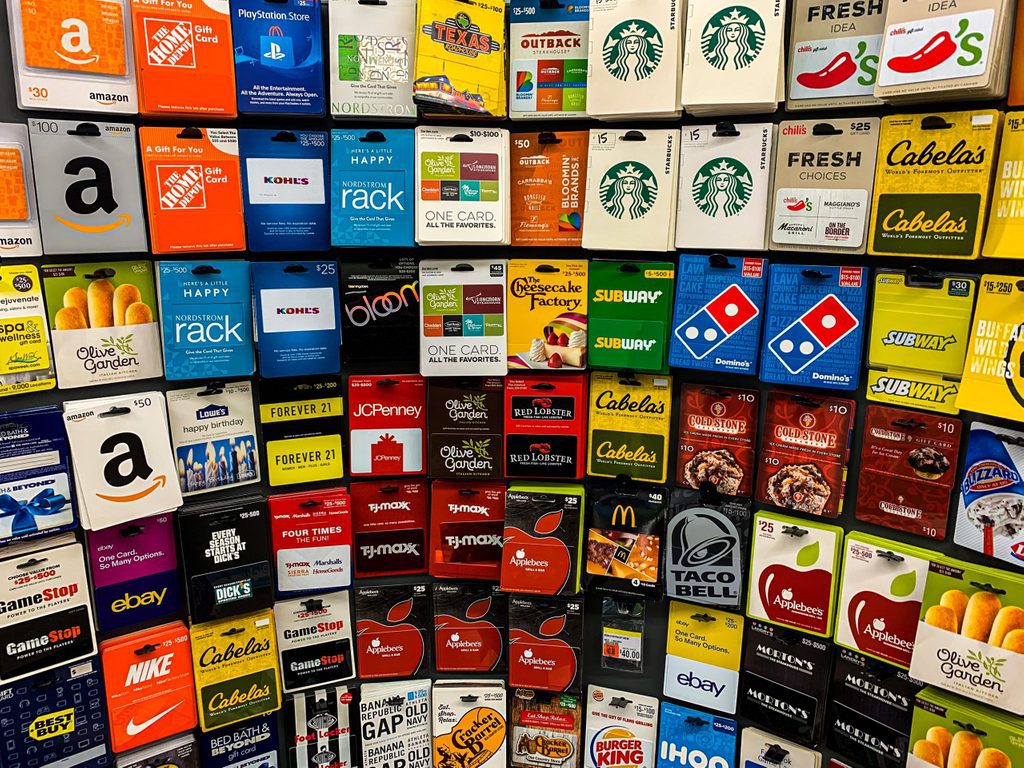
Gift cards are available through a multitude of purchase channels, reflecting a consumer-driven demand for accessibility. In-store retail remains a dominant channel, with supermarkets, drugstores, and big-box retailers offering extensive gift card racks from various brands. These physical points of sale cater to shoppers who prefer to combine gift card purchases with their regular errands, a matter of practical financial efficiency. Online platforms have seen explosive growth, ranging from individual retailer websites to dedicated third-party aggregators that offer a vast selection. These online channels often provide promotional deals and bulk purchasing options, which can be advantageous for businesses or individuals making large orders. Mobile apps and digital wallets are also emerging as convenient ways to purchase and manage gift cards, integrating them seamlessly into daily financial routines.
The Secondary Market and Resale
An interesting financial development in the gift card ecosystem is the emergence of a secondary market and resale platforms. These platforms allow consumers to sell unwanted gift cards for cash or exchange them for cards they prefer, typically at a slight discount to their face value. While this isn’t a direct purchase of a gift card from a retailer, the existence of such a market indirectly influences initial purchasing decisions. Knowing that an unwanted gift card isn’t a total financial loss provides a safety net for givers and recipients alike. These platforms transform what might have been “dead money” (an unused gift card) into liquid assets, representing a crucial financial tool for consumers to recoup value from unspent balances.
The Economic Impact and Financial Implications
The buying patterns of gift cards have far-reaching economic implications, influencing retail strategies, consumer spending, and the financial well-being of both givers and recipients.
Unspent Balances and Breakage
One of the most significant financial aspects of gift cards is the phenomenon of unspent balances, often referred to as “breakage.” This occurs when a gift card is purchased but never fully redeemed by the recipient. The unused funds effectively become profit for the issuing retailer after a certain period, representing a substantial financial windfall for businesses globally. While a boon for retailers, this also highlights a potential financial loss for consumers who forget about their cards, misplace them, or allow them to expire. Consumer advocates often push for longer expiration periods or no expiration at all to mitigate this financial drain on individuals. From a personal finance perspective, recipients are encouraged to use their gift cards promptly to ensure they extract full value.
Boosting Retail Sales and Customer Loyalty
Gift card purchases are a powerful driver of retail sales and customer loyalty. When a gift card is redeemed, it guarantees a transaction, bringing customers (often new ones) directly to the brand’s doorstep. Critically, recipients frequently spend more than the card’s face value, using the gift card as a base and then adding their own money to complete a larger purchase. This upselling potential is a significant financial benefit for retailers. Furthermore, gift cards introduce new customers to a brand, potentially converting them into long-term, loyal patrons, thereby generating future revenue streams and increasing the brand’s customer lifetime value – a key metric in business finance.
Gifting as a Financial Strategy
For many, gifting itself is a financial strategy, and gift cards are a prime tool within it. They offer a practical way to provide financial support without the perceived stigma of giving cash, especially for essential items. For instance, a gift card to a grocery store or gas station can be a discreet yet highly effective way to help someone manage specific, critical expenses. This transforms the act of giving into a targeted financial aid mechanism. Moreover, for socially conscious consumers, purchasing gift cards from local businesses or ethically aligned brands serves as a way to direct financial support towards specific economic sectors or values, ensuring their money contributes to their desired impact.
Future Trends in Gift Card Purchasing
As the financial landscape continues to evolve, so too will the dynamics of gift card purchasing, driven by technological advancements and shifting consumer values.
Personalization and Customization
Future trends in gift card purchasing will likely lean heavily into personalization and customization. While the gift card inherently offers choice, givers will seek more options to tailor the card itself, perhaps with personalized messages, photos, or even curated bundles of experiences. Financially, this means increased value perception for the giver and a more emotionally resonant experience for the recipient, potentially leading to higher initial purchase values and increased brand engagement. The ability to customize the “experience” behind the financial value will become a key differentiator.
Integration with Digital Wallets and Mobile Payments
The seamless integration of gift cards with digital wallets and mobile payment systems is set to become even more prevalent. This will simplify the storage, management, and redemption process for recipients, reducing the likelihood of forgotten or lost cards (thereby combating breakage). For purchasers, it means easier access to buy and send digital cards directly from their financial apps. This convergence enhances the overall financial utility and convenience of gift cards, making them an even more intrinsic part of the mobile-first consumer’s financial toolkit.
Sustainability and Ethical Considerations
As consumers become more discerning about the environmental and social impact of their purchases, sustainability and ethical considerations will increasingly influence gift card buying decisions. Purchasers will favor brands that offer eco-friendly digital options or cards made from recycled materials. There will also be a growing preference for gift cards that support socially responsible businesses or those that align with specific causes. This trend reflects a broader shift in personal finance towards values-based spending, where the act of purchasing a gift card becomes an extension of one’s ethical and financial principles.
Conclusion
The question “who buys gift cards?” unlocks a multifaceted narrative of consumer behavior driven by practicality, convenience, and strategic financial planning. From individuals seeking to simplify holiday budgeting to corporations incentivizing their workforce, the purchasers of gift cards represent a diverse and dynamic group. Their motivations are deeply rooted in personal and business finance, utilizing gift cards as tools for controlled spending, efficient gifting, and even subtle financial support. As the financial world continues its digital transformation, gift cards are poised to remain a vital and evolving component of the economic landscape, reflecting an ongoing interplay between consumer needs, technological innovation, and savvy financial management.
aViewFromTheCave is a participant in the Amazon Services LLC Associates Program, an affiliate advertising program designed to provide a means for sites to earn advertising fees by advertising and linking to Amazon.com. Amazon, the Amazon logo, AmazonSupply, and the AmazonSupply logo are trademarks of Amazon.com, Inc. or its affiliates. As an Amazon Associate we earn affiliate commissions from qualifying purchases.