
American Express cards are renowned for their premium benefits, robust rewards programs, and exceptional customer service. However, they are also known for their stringent approval standards. Securing an Amex card can be a significant step in your financial journey, offering access to exclusive perks, travel advantages, and valuable rewards points. Understanding the factors American Express considers during the application process is crucial for increasing your chances of approval. This guide delves into the specifics of what Amex looks for, how to prepare your finances, and what to expect during the application.
Understanding American Express’s Approval Criteria
Amex, like other premium lenders, scrutinizes several aspects of an applicant’s financial profile. Their goal is to assess your creditworthiness and your ability to manage higher credit limits and annual fees, common with many of their offerings. While specific criteria can vary slightly between different card products (e.g., charge cards vs. credit cards, travel vs. cash back), several core principles remain consistent.
Credit Score Requirements
The most prominent factor in any credit card application is your credit score. American Express typically seeks applicants with excellent credit. This generally translates to FICO scores above 740, often even higher for their most prestigious cards like the Platinum Card or Centurion Card. While a perfect score isn’t always necessary, being in the “excellent” range significantly boosts your prospects.
- FICO vs. VantageScore: While there are different scoring models, FICO scores are most commonly used by lenders. It’s wise to check your FICO score regularly.
- Consistency: Amex looks for a history of consistent, responsible credit use, reflected in a high score that isn’t just a recent anomaly.
- Card Tier: Entry-level Amex cards (like some Blue Cash Everyday or Gold cards) might have slightly more lenient requirements than their ultra-premium counterparts, but “good” credit (670-739 FICO) is usually the absolute minimum, with “excellent” being preferred.
Income and Financial Health
Your income plays a vital role in determining your eligibility, especially for cards with high credit limits or significant annual fees. Amex wants to ensure you have the financial capacity to comfortably handle any charges and fees.
- Debt-to-Income (DTI) Ratio: This ratio compares your total monthly debt payments to your gross monthly income. A lower DTI (ideally below 30-35%) indicates you have more disposable income to manage new credit. High DTI can signal financial strain, even with a high income.
- Stable Employment and Income: Consistent employment and a reliable income source demonstrate financial stability. While W-2 employees often have a straightforward verification process, self-employed individuals may need to provide tax returns or other documentation to prove income.
- Existing Assets: While not always explicitly requested, significant assets or investments can subtly contribute to your perceived financial strength.
Credit History Length and Quality
The duration and nature of your credit history provide Amex with insights into your long-term financial behavior. A long history of responsible credit management is highly valued.
- Age of Oldest Account: Lenders prefer applicants with a seasoned credit history, typically 5 years or more. This demonstrates a track record.
- Payment History: This is paramount. A history of on-time payments, with no missed or late payments, charge-offs, bankruptcies, or collections, is non-negotiable for Amex approval. Even a single late payment can severely impact your chances.
- Credit Utilization Ratio: This ratio represents how much of your available credit you are using. Keeping it low (ideally below 10-20%) shows that you can manage credit without maxing out your accounts. High utilization can suggest over-reliance on credit and financial risk.
- Number of Accounts and Inquiries: While Amex generally doesn’t penalize for having several existing credit accounts (provided they are well-managed), too many recent new accounts or hard inquiries can signal desperation for credit and might raise a red flag. Amex tends to be sensitive to applicants who have opened many new accounts in a short period.
Relationship with American Express
Having an existing relationship with American Express can sometimes work in your favor. If you already hold another Amex product, such as a different credit card, a charge card, or even an Amex savings account, the company has direct insight into your payment behavior and financial reliability.
- Internal Data: Amex uses its internal data on existing customers to assess risk. A positive track record with them can streamline subsequent applications.
- Graduation Path: Sometimes, starting with a more accessible Amex product and demonstrating responsible use can pave the way for approval for premium cards later on.
Preparing Your Application: Building a Strong Profile
Before you even think about hitting the “apply” button, take proactive steps to ensure your financial profile is as robust as possible. This preparation is key to maximizing your approval odds.
Reviewing Your Credit Report
This is a critical first step. You are entitled to a free copy of your credit report from each of the three major bureaus (Equifax, Experian, TransUnion) annually via AnnualCreditReport.com.
- Check for Errors: Discrepancies, incorrect late payments, or accounts you don’t recognize can unfairly depress your score. Dispute any errors immediately with the credit bureau.
- Identify Areas for Improvement: Note high credit utilization, recent inquiries, or any collections accounts. This gives you a roadmap for improvement.
- Understand Your Score: Many credit monitoring services offer FICO score access. Understand what factors are positively and negatively impacting your score.
Reducing Debt and Improving Credit Utilization
Prioritize paying down existing debts, especially on revolving credit lines like other credit cards.

- Target High-Interest Debts: Not only does this save you money, but it also frees up more income.
- Keep Utilization Low: Aim to keep your credit card balances at less than 10-20% of your total available credit. If you pay your balances in full each month, your utilization will naturally be low, assuming the statement balance isn’t too high.
Ensuring Income Stability
While you can’t magically increase your income overnight, you can present it clearly and consistently.
- Accurate Reporting: When applying, accurately report all sources of income, including salary, bonuses, freelance income, and investment dividends, if applicable.
- Employment History: A stable employment history without frequent job changes demonstrates reliability to lenders.
Navigating the Application Process
Once your financial house is in order, you’re ready to apply. The process is typically straightforward, but understanding the nuances can be beneficial.
The Online Application Form
Most Amex applications are completed online. Be prepared to provide:
-
Personal Information: Name, address, date of birth, Social Security Number.
-
Contact Information: Phone number, email address.
-
Employment Details: Employer name, occupation, employment status.
-
Financial Information: Annual income, monthly housing payment.
-
Existing Amex Relationship: If applicable, you might be asked about current Amex cards or accounts.
-
Accuracy is Key: Double-check all information before submitting. Any discrepancies could lead to delays or denial.
Pre-Approval and Card Matching Tools
American Express offers tools that allow you to check if you’re pre-approved for certain cards without a hard inquiry on your credit report.
- Soft Pull: Pre-approvals use a “soft inquiry,” which doesn’t affect your credit score.
- Increased Odds: While pre-approval isn’t a guarantee, it significantly increases your chances if you proceed with a full application. This is a smart way to gauge your eligibility before committing to a hard inquiry.
- Targeted Offers: You might also receive mailers or email offers from Amex indicating pre-approval, which are generally reliable indicators.
Understanding Application Status and the Reconsideration Line
After submitting your application, you might receive an instant decision, or it could be pending further review.
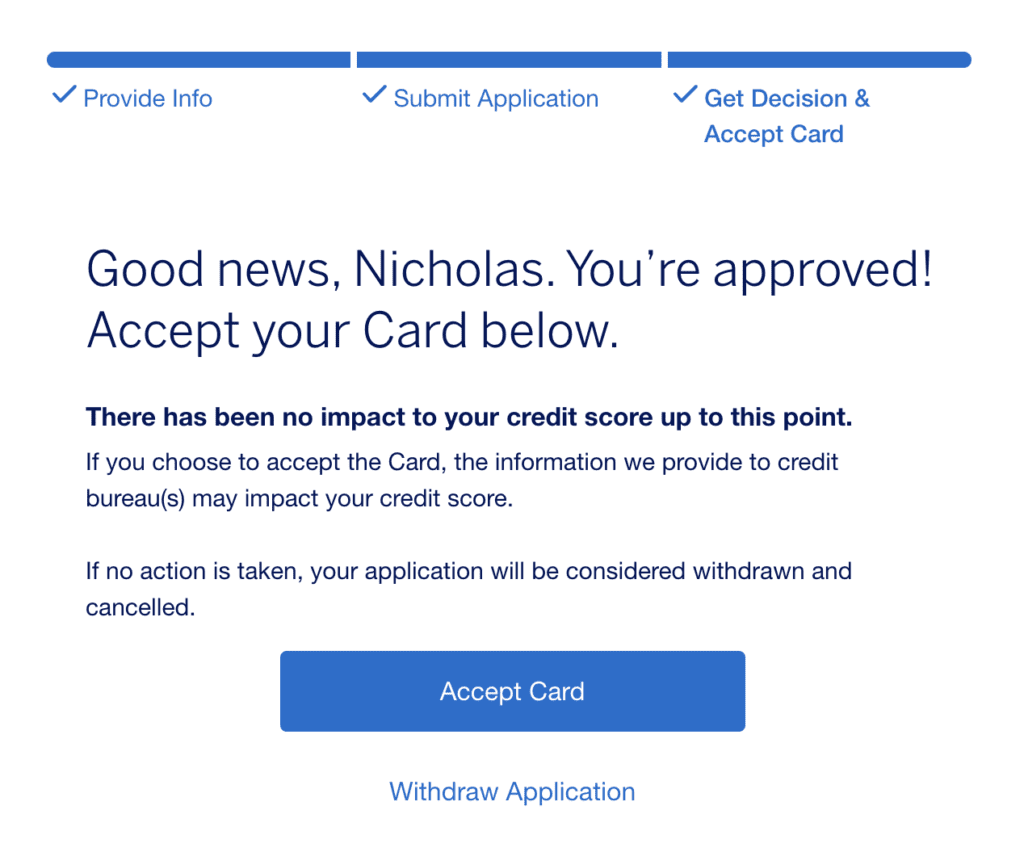
- Instant Approval: If approved, you’ll receive immediate confirmation and details about your card.
- Pending Review: This means Amex needs more time to assess your application. They might request additional documentation or information.
- Denial: If denied, Amex will send an adverse action letter explaining the reasons. This is where the reconsideration line comes in.
The Reconsideration Line
If your application is denied, don’t despair immediately. American Express, like many lenders, has a reconsideration line. This allows you to speak with a credit analyst and present your case.
- Be Prepared: Have your application details, credit report, and a clear, concise explanation of why you believe you should be approved ready.
- Address Concerns: If the denial letter cited specific reasons (e.g., too many recent inquiries, high credit utilization), be prepared to address them directly and explain any mitigating circumstances.
- Highlight Strengths: Emphasize your positive financial habits, low debt, stable income, or long-standing relationship with Amex.
- Politeness Pays: A respectful and confident demeanor can go a long way.

Maintaining Approval and Future Upgrades
Once approved for an American Express card, your journey doesn’t end there. Responsible management of your new card is crucial for maintaining a positive relationship with Amex and potentially qualifying for more premium products down the line.
- Pay On Time, Every Time: This is the golden rule of credit. Always pay your statement balance in full by the due date to avoid interest charges and maintain an impeccable payment history.
- Keep Utilization Low: Even if you have a high credit limit, try to keep your monthly reported balance low relative to that limit.
- Utilize Benefits Responsibly: Familiarize yourself with your card’s benefits and use them wisely.
- Consider Upgrades: After a year or more of responsible use, you might be eligible for an upgrade to a more premium Amex card within the same family (e.g., from Amex Gold to Platinum). This often involves a simpler application process as Amex already has your financial data.
Getting approved for an American Express card requires diligent financial preparation and a solid understanding of their lending criteria. By focusing on maintaining excellent credit, managing debt effectively, ensuring stable income, and presenting a compelling financial profile, you can significantly increase your chances of joining the ranks of Amex cardholders and unlocking a world of premium benefits.
aViewFromTheCave is a participant in the Amazon Services LLC Associates Program, an affiliate advertising program designed to provide a means for sites to earn advertising fees by advertising and linking to Amazon.com. Amazon, the Amazon logo, AmazonSupply, and the AmazonSupply logo are trademarks of Amazon.com, Inc. or its affiliates. As an Amazon Associate we earn affiliate commissions from qualifying purchases.