
Gift cards have become ubiquitous in modern commerce, serving as convenient presents, thoughtful gestures, and even a form of personal spending allocation. From birthday presents to holiday bonuses, they represent real monetary value, yet many recipients leave a significant portion of their gift card funds unused or, worse, let them expire. Understanding how to consistently and accurately check the balance on your gift cards is not just about curiosity; it’s a fundamental aspect of smart personal finance, ensuring you maximize every dollar and avoid unnecessary financial loss. This guide will walk you through the essential methods and best practices for managing your gift card balances, empowering you to integrate them effectively into your financial toolkit.
Why Keeping Tabs on Your Gift Card Balance Matters for Your Wallet
In the realm of personal finance, every penny counts. Gift cards, despite their often small denominations, are no exception. Proactively checking and understanding the value remaining on your cards is a crucial habit that contributes to overall financial well-being and prevents a silent drain on your potential spending power.
Maximizing Value and Avoiding Loss
One of the primary reasons to regularly check your gift card balance is to prevent the loss of value. Gift cards, unlike cash, often come with strings attached: expiry dates, dormancy fees, or specific usage terms. By knowing your balance, you’re better positioned to use the card before it loses its value, either through expiration or through fees that might erode its total worth. Leaving small, forgotten balances on multiple cards is akin to leaving loose change scattered around your house – individually small, but collectively significant. Consistent checks ensure you leverage the full intended value of the gift.
Integrating Gift Cards into Budgeting and Financial Planning
For individuals and families committed to meticulous budgeting, gift cards can present a unique challenge or an unexpected boon. If you treat gift cards as found money, outside your budget, you risk either overspending when you finally use them or forgetting about them entirely. Conversely, if you integrate them into your financial plan, they can act as pre-paid spending for specific categories. For example, a restaurant gift card can cover your “dining out” budget for a month, while a clothing store gift card can help defer discretionary spending from your primary income. Knowing the exact balance allows you to factor these funds into your monthly or quarterly spending plans, providing a clearer picture of your disposable income and helping you stick to your financial goals. It empowers you to make informed decisions about when and where to allocate your financial resources, enhancing your overall money management strategy.
Preventing Fraud and Misuse
While less common, gift cards can sometimes be susceptible to fraud, especially if the physical card details (card number, PIN) fall into the wrong hands, or if a digital gift card is compromised. Regular balance checks serve as an early warning system. An unexpected reduction in your balance could indicate unauthorized use, prompting you to contact the issuer immediately. This proactive vigilance is a small but important layer of security for your financial assets, even those in gift card form.
Common Methods for Checking Your Gift Card Balance
The process of checking a gift card balance has become increasingly streamlined, with most retailers offering multiple convenient options. The best method often depends on the type of card you have and your personal preference.
Online Portal Check: The Digital Standard
In today’s digital age, checking your gift card balance online is often the quickest and most popular method. Most major retailers and gift card issuers provide a dedicated section on their website for this purpose.
- How it Works:
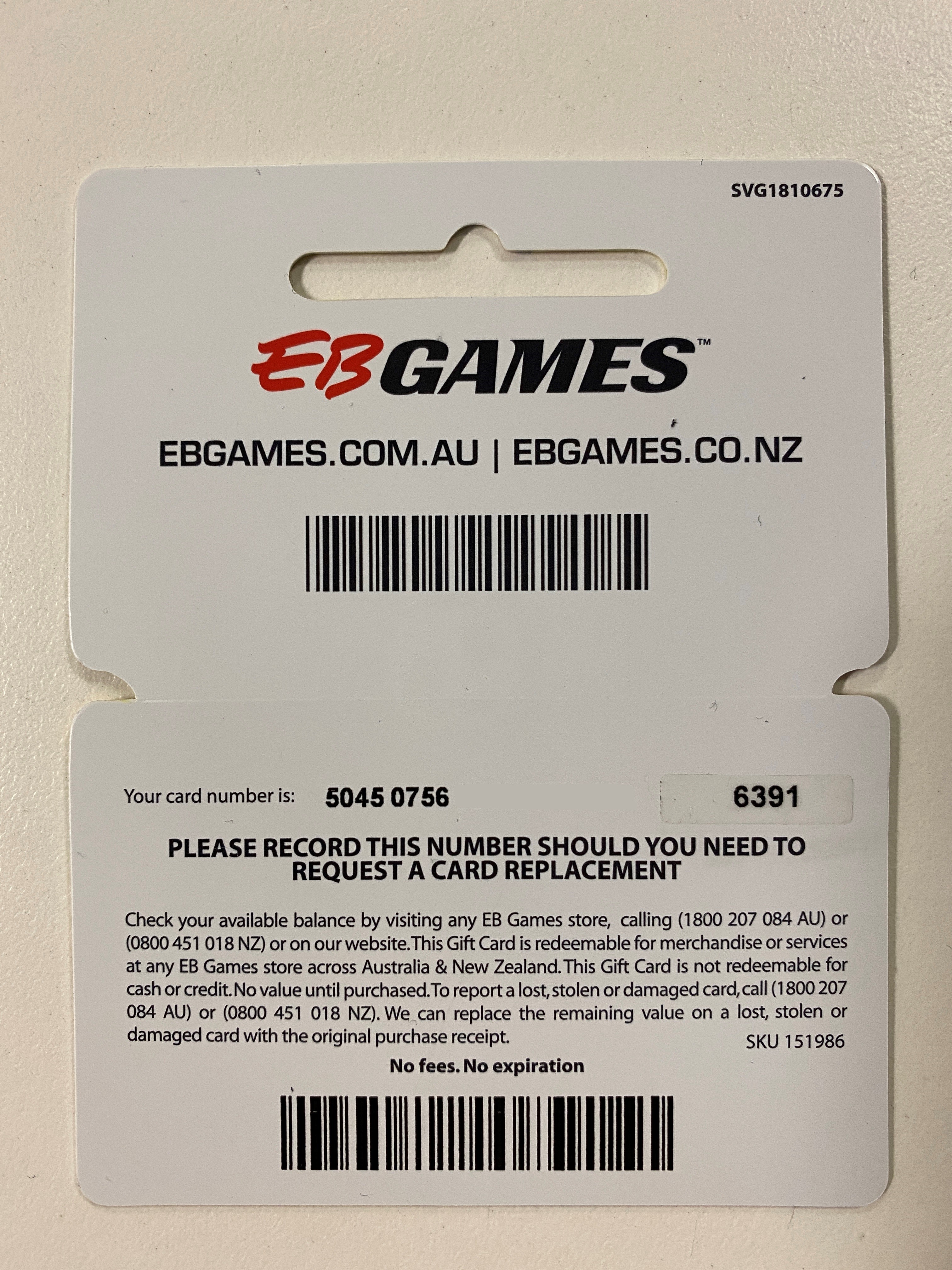
- Locate the Website: Look for the retailer’s official website. Many gift cards will have the website address printed directly on the back. For open-loop cards (Visa, MasterCard, American Express), you’ll typically go to a specific “gift card” section of their main website (e.g., visa.com/giftcard).
- Find the “Check Balance” Link: Navigate to the customer service section, “gift cards,” or look for a direct “Check Balance” link prominently displayed on the homepage or in the footer.
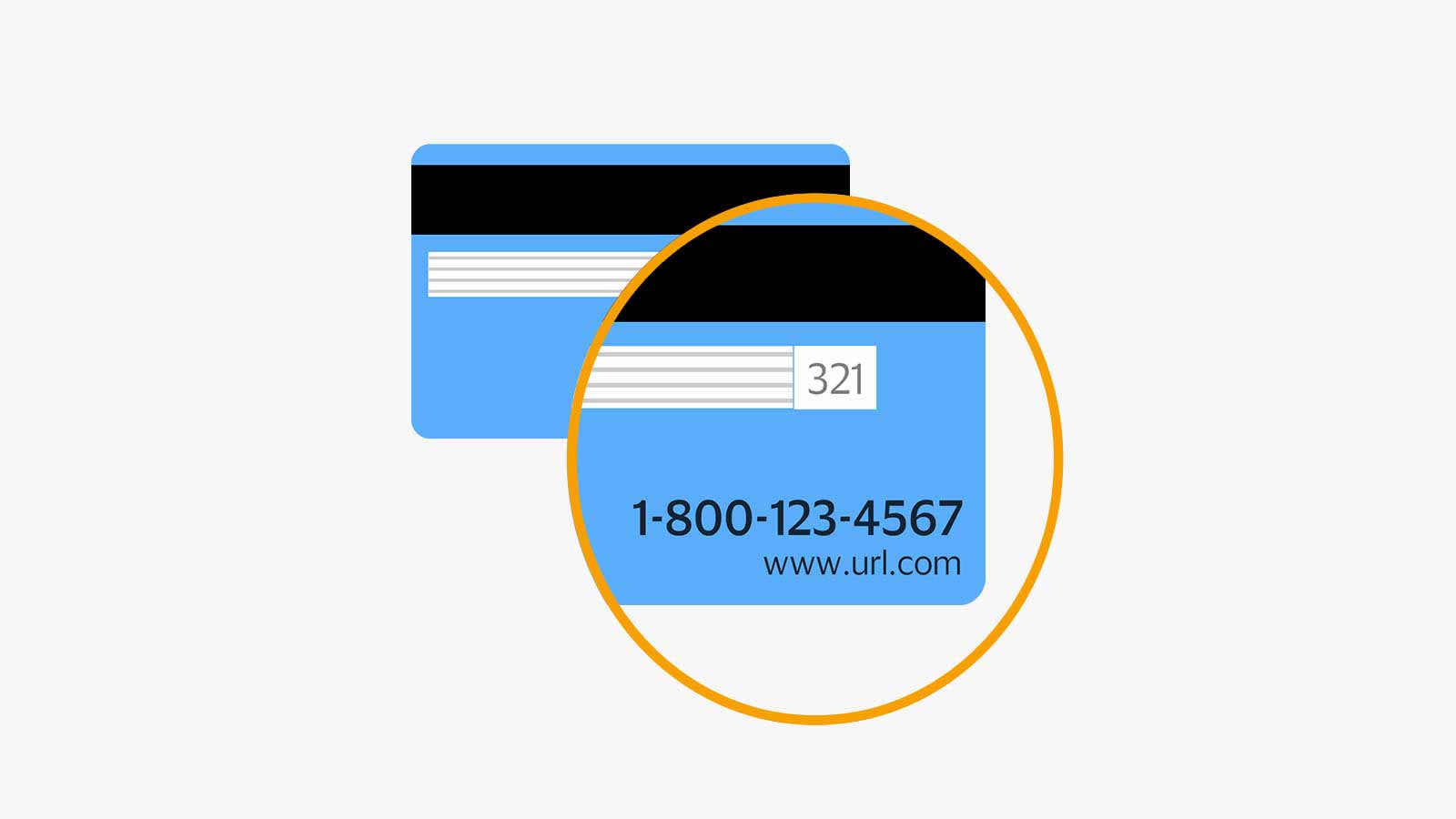
- Enter Card Details: You’ll usually be prompted to enter the gift card number (typically 12-16 digits) and sometimes a PIN or security code. The PIN is often located under a scratch-off panel on the back of the card, similar to a lottery ticket.
- View Balance: After submitting the details, your remaining balance will be displayed on the screen.
- Benefits: This method is available 24/7, provides instant results, and is accessible from any internet-connected device.
Phone Call to Customer Service: The Traditional Approach
For those who prefer speaking to a human, or when online options are not available or proving difficult, a phone call remains a reliable method. This is particularly useful for older gift cards or smaller, local businesses that may not have sophisticated online portals.
- How it Works:
- Find the Number: Look for the customer service phone number printed on the back of the gift card. If it’s not there, you can usually find it on the retailer’s website.
- Prepare Your Card: Have your gift card readily available, as you will need to provide the card number and potentially the PIN to the automated system or customer service representative.
- Follow Prompts: If it’s an automated system, listen carefully for options related to “gift card balance” or “check balance.” If speaking to an agent, clearly state your intention.
- Benefits: This method can resolve issues beyond just balance checks (e.g., expiry dates, transaction history) and offers a personal touch.
In-Store Inquiry: The Convenient Point-of-Sale Check
If you’re already at the retailer’s physical location, simply asking a cashier or customer service representative is an effortless way to check your balance.
- How it Works:
- Approach a Cashier/Customer Service Desk: Present your gift card to an employee.
- Request Balance Check: Politely ask them to check the remaining balance on the card.
- Confirm Balance: They will typically swipe or manually enter the card details into their point-of-sale system and inform you of the balance. Some may even print a receipt showing the remaining value.
- Benefits: This is ideal if you’re already shopping, and it’s a great way to use up a small balance on the spot.
Mobile Apps and Digital Wallets: The Modern Solution
Many major retailers now offer dedicated mobile apps that can manage your gift cards, especially for digital gift cards. Additionally, some digital wallets (like Apple Wallet or Google Pay) allow you to store and manage certain types of gift cards.
- How it Works:
- Download the App: Install the official app for the specific retailer (e.g., Starbucks, Amazon).
- Add Your Gift Card: Within the app, there’s usually a section to add gift cards by entering the card number and PIN.
- View Balance: Once added, the app will often display the current balance and allow you to use it directly for purchases within the app or in-store.
- Benefits: Provides a centralized place for managing digital cards, often integrates with loyalty programs, and allows for seamless mobile payments.
Reviewing Purchase Receipts: An Unofficial Check
Sometimes, after making a partial purchase with a gift card, the remaining balance is printed on the transaction receipt. While not a primary method for checking a balance, it’s a useful way to stay updated after a transaction.

- How it Works:
- Make a Purchase: Use your gift card for a transaction.
- Check Receipt: After the purchase, review the printed or digital receipt for “Remaining Balance” or similar wording.
- Benefits: Automatic update after spending, requires no extra effort.
- Limitation: Only useful after a transaction and not always available.
Navigating Specific Gift Card Types and Challenges
Not all gift cards are created equal. Understanding the distinctions between different types and being aware of potential challenges can save you time and prevent frustration.
Brand-Specific vs. Open-Loop Cards
The approach to checking a balance often differs based on whether you have a closed-loop (brand-specific) or open-loop (network) gift card.
- Brand-Specific (Closed-Loop) Cards: These are tied to a particular retailer or restaurant (e.g., a Target gift card, an Olive Garden gift card). To check their balance, you’ll almost exclusively use the methods provided directly by that specific brand: their website, their customer service phone number, or an in-store inquiry at one of their locations. You cannot use a Target gift card to buy something at Walmart, nor can you check its balance through a generic financial portal.
- Open-Loop (Network) Cards: These are branded with major payment networks like Visa, MasterCard, American Express, or Discover. They function much like a debit or credit card and can be used almost anywhere that network is accepted. To check their balance, you will typically go to the specific gift card website associated with the network (e.g., www.visagiftcard.com, www.mastercardgiftcard.com), which is usually printed on the back of the card. These sites are designed specifically for balance inquiries and activation, and you’ll input the card number and security code.
The Role of PINs and Security Codes
For online and phone balance checks, a PIN (Personal Identification Number) or CVV (Card Verification Value) is often required. This security measure helps confirm that the person checking the balance is the legitimate cardholder.
- Location: The PIN is usually a 3- or 4-digit number located on the back of the card, often hidden under a scratch-off silver panel. The CVV, for open-loop cards, might be a 3- or 4-digit code on the front or back, similar to a credit card.
- Importance: Keep these numbers confidential. Without them, you might be unable to check your balance online or over the phone, and they are crucial for online purchases. If you scratch too hard and obscure the PIN, you might need to contact customer service directly with other identifying information.
Expired Cards and Fees: A Financial Watch-Out
A significant challenge with gift cards, from a personal finance perspective, is the potential for expiry dates and dormancy fees. While federal law (the CARD Act of 2009) mandates that most retail gift cards cannot expire for at least five years from the date of issue or last load, and limits dormancy fees, specific state laws and certain types of cards (like promotional cards or those from very small businesses) might have different rules.
- Checking Policies: Always check the fine print on the back of the card or the issuer’s website for information on expiry dates and any potential fees.
- Impact on Value: Dormancy fees, usually charged monthly after a period of inactivity (e.g., 12 months), can slowly deplete the card’s balance. Expired cards become worthless. Prompt balance checks encourage timely use, mitigating these financial risks.
Best Practices for Gift Card Management
Beyond simply knowing how to check a balance, adopting sound management habits can transform gift cards from potential liabilities into valuable financial assets.
Act Promptly: Use Them or Lose Them
The golden rule for gift cards is to use them as soon as reasonably possible. Don’t let them sit in a drawer for months or years. The longer you hold onto a gift card, the higher the risk of:
- Forgetting you have it.
- The card expiring.
- The issuing store going out of business.
- The card getting lost or stolen.
Prioritize using gift cards for everyday purchases where possible, or allocate them to planned larger expenditures that align with the retailer.
Consolidate Balances When Possible
If you have multiple small balances on gift cards from the same retailer, inquire if the store allows you to consolidate them onto a single card. This reduces the number of cards you need to track and makes it easier to use up smaller, less convenient amounts. For instance, if you have two Starbucks cards with $2.50 each, consolidating them to $5 on one card makes it easier to buy a coffee. If consolidation isn’t an option, make a conscious effort to use up those small balances, even if it means buying a small item just to deplete the card.
Keep Meticulous Records
Treat your gift cards with the same respect you’d give a debit card or cash.
- Physical Cards: Store them in a secure place, like your wallet or a dedicated gift card holder. Avoid mixing them with expired cards.
- Digital Records: For digital gift cards, keep a screenshot or a written record of the card number and PIN in a secure, accessible location (e.g., a password manager, a secure note-taking app).
- Track Balances and Expiry Dates: Consider creating a simple spreadsheet or using a note on your phone to track active gift cards, their current balances, and any expiry dates. This proactive approach ensures nothing falls through the cracks.
Be Wary of Scams
Unfortunately, gift cards are often targeted by fraudsters. Be extremely cautious of unsolicited emails, texts, or phone calls asking for gift card numbers or demanding payment via gift cards. Legitimate businesses and government agencies will never ask you to pay with a gift card. Always go directly to the official channels (website, phone number on the card) to check balances or resolve issues. If a deal or offer seems too good to be true, especially if it involves gift cards, it likely is. Protecting your gift card information is just as important as protecting your bank account details.
Checking the balance on your gift cards is a small but impactful step in taking control of your personal finances. By understanding the various methods, being aware of different card types and potential pitfalls, and adopting smart management practices, you can ensure that every gift card you receive or purchase delivers its full intended value. Don’t let forgotten funds or expired plastic diminish your financial potential; make regular balance checks a cornerstone of your responsible money management habits.
aViewFromTheCave is a participant in the Amazon Services LLC Associates Program, an affiliate advertising program designed to provide a means for sites to earn advertising fees by advertising and linking to Amazon.com. Amazon, the Amazon logo, AmazonSupply, and the AmazonSupply logo are trademarks of Amazon.com, Inc. or its affiliates. As an Amazon Associate we earn affiliate commissions from qualifying purchases.