
In the rapidly evolving landscape of digital finance, few companies embody the intersection of traditional markets and the burgeoning cryptocurrency world quite like Coinbase Global, Inc. As a pioneering force in the crypto exchange arena, Coinbase’s publicly traded stock, under the ticker COIN, offers investors a unique, albeit often volatile, avenue to participate in the broader cryptocurrency economy without directly holding digital assets. This guide delves into the nuances of trading Coinbase stock, providing insights into its operational dynamics, market drivers, and strategic considerations for both seasoned traders and new investors. Understanding how to approach COIN requires a blend of traditional equity analysis and an acute awareness of the crypto market’s unique forces.
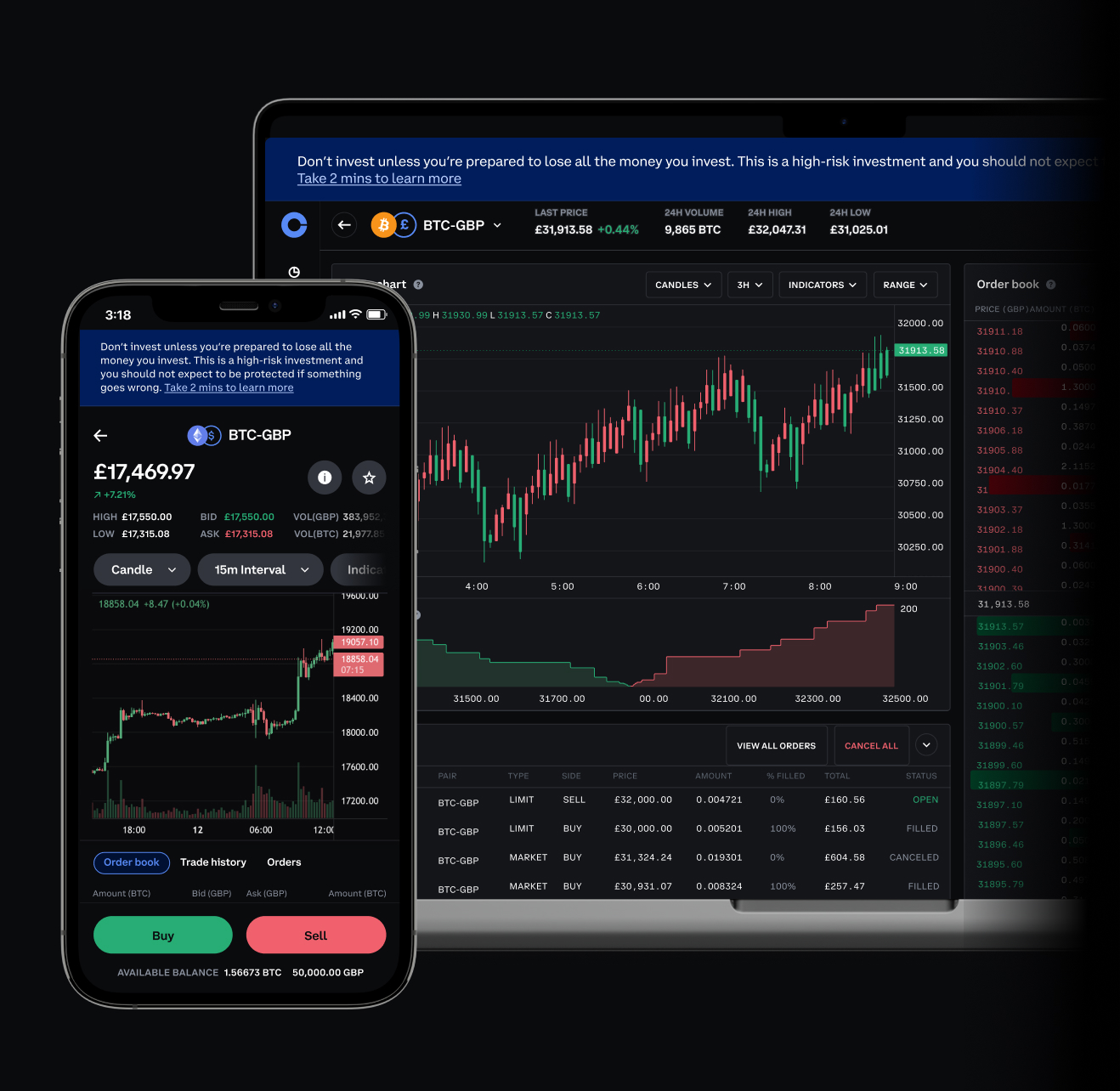
Understanding Coinbase (COIN) as a Publicly Traded Asset
Before embarking on any trading journey, a foundational understanding of the underlying asset is paramount. Coinbase, as a publicly traded entity, is not merely a reflection of Bitcoin or Ethereum prices but a complex business with its own fundamentals, opportunities, and risks.
Coinbase’s Business Model and Revenue Streams
Coinbase operates primarily as a centralized cryptocurrency exchange, offering a platform for retail and institutional clients to buy, sell, store, and stake digital assets. Its revenue model is diversified, though heavily influenced by trading activity:
- Transaction Fees: This constitutes the largest portion of Coinbase’s revenue, derived from fees charged on trades executed by its users. The volume and volatility of cryptocurrency markets directly impact this stream.
- Subscription and Services Revenue: Growing in importance, this category includes services like Coinbase One (a subscription for zero-fee trading and enhanced support), staking rewards, interest income from lending programs, and custodial services for institutional clients. This diversification aims to stabilize revenue beyond mere trading fees.
- Blockchain Rewards: Coinbase earns revenue by facilitating staking for various proof-of-stake cryptocurrencies, where users “lock up” their crypto to support network operations and earn rewards, a portion of which Coinbase collects.
- Data and Analytics: While not a primary revenue driver, Coinbase’s vast user base and trading data provide valuable insights, potentially leading to future monetization opportunities.
Key Factors Influencing COIN’s Stock Performance
The performance of COIN stock is intricately linked to a confluence of factors, making it a dynamic and often unpredictable asset:
- Cryptocurrency Market Cycles: As a crypto exchange, Coinbase’s fortunes are inextricably tied to the broader cryptocurrency market. Bull markets, characterized by rising asset prices and increased trading volumes, typically boost Coinbase’s revenue and profitability. Conversely, bear markets can lead to reduced trading activity and lower revenue. Bitcoin and Ethereum prices are particularly influential due to their dominance in market capitalization and trading volume.
- Regulatory Developments: The regulatory environment for cryptocurrencies is still evolving globally. News regarding new legislation, enforcement actions from bodies like the SEC, or shifts in governmental stances on digital assets can significantly impact COIN’s valuation, as these can affect Coinbase’s operational scope, compliance costs, and business model.
- Competition: The cryptocurrency exchange landscape is highly competitive, with established players like Binance, Kraken, and newer entrants vying for market share. Traditional finance institutions are also increasingly entering the digital asset space. Coinbase’s ability to innovate, secure its platform, and offer competitive fees is crucial for maintaining its edge.
- Macroeconomic Factors: Broader economic conditions, such as interest rates, inflation, and investor risk appetite, can influence investment in speculative assets like cryptocurrencies and, by extension, COIN. In periods of high inflation or economic uncertainty, investors might shy away from riskier assets.
- Company-Specific News: Like any public company, Coinbase’s stock reacts to its quarterly earnings reports, strategic partnerships, new product launches, security incidents, and executive changes. Positive earnings surprises or significant product innovations can drive the stock higher, while negative news can lead to declines.
Strategies for Trading Coinbase Stock (COIN)
Trading COIN effectively requires a multi-faceted approach, incorporating both fundamental and technical analysis, tailored to the unique characteristics of the crypto market.
Fundamental Analysis for COIN
Fundamental analysis involves evaluating a company’s intrinsic value by examining its financial statements, management, and competitive landscape. For COIN, this includes:
- Financial Health: Scrutinize Coinbase’s revenue growth, gross margins, net income, and cash flow from operations. Pay attention to how transaction revenues are trending versus subscription and services revenue, indicating diversification success.
- User Metrics: Track metrics such as Monthly Transacting Users (MTUs), trading volume, and assets on platform. These indicate user engagement and the platform’s reach.
- Market Share and Competitive Advantage: Assess Coinbase’s position relative to competitors. What are its unique selling propositions? Is it customer service, regulatory compliance, institutional offerings, or specific product features?
- Management and Strategy: Evaluate the leadership team’s vision, execution capabilities, and ability to navigate regulatory challenges and technological shifts.
Technical Analysis for COIN
Technical analysis involves studying past market data, primarily price and volume, to forecast future price movements. Given COIN’s volatility, technical indicators can be particularly useful:
- Support and Resistance Levels: Identify price levels where the stock has historically found buying interest (support) or selling pressure (resistance). These can serve as potential entry and exit points.
- Moving Averages: Use Simple Moving Averages (SMAs) or Exponential Moving Averages (EMAs) to identify trends. Crossovers (e.g., 50-day MA crossing above 200-day MA) can signal shifts in momentum.
- Momentum Indicators: Tools like the Relative Strength Index (RSI) and Moving Average Convergence Divergence (MACD) can help gauge whether COIN is overbought or oversold, or if momentum is strengthening or weakening.
- Chart Patterns: Look for common chart patterns such as flags, pennants, head and shoulders, or triangles, which can indicate potential continuations or reversals of trends.
Short-Term vs. Long-Term Approaches
Investors and traders approach COIN with varying time horizons, each necessitating different strategies:
- Short-Term Trading (Day Trading/Swing Trading): Given COIN’s high volatility, it can be attractive for short-term traders looking to capitalize on daily price swings or news-driven movements. This requires constant monitoring, quick decision-making, and robust risk management. Swing traders might hold positions for a few days to a few weeks, aiming to profit from medium-term trends.
- Long-Term Investing: A long-term approach to COIN is typically based on a conviction in the sustained growth of the cryptocurrency industry and Coinbase’s leadership position within it. Long-term investors might use strategies like Dollar-Cost Averaging (DCA), investing a fixed amount regularly to mitigate volatility and build a position over time, focusing less on daily price fluctuations and more on fundamental growth.
Essential Considerations Before Trading COIN
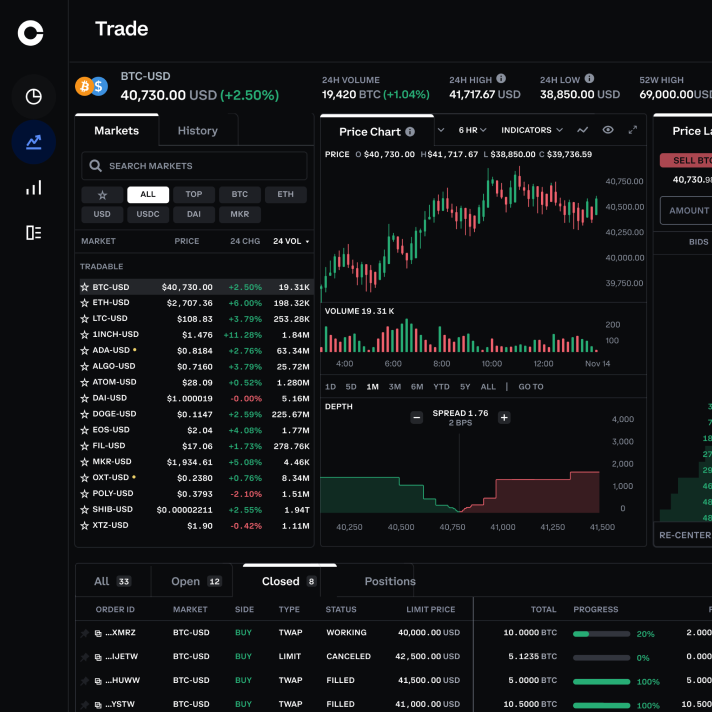
Trading any stock carries inherent risks, but COIN presents a unique set of challenges and considerations due to its direct link to the nascent and often turbulent cryptocurrency market.
Volatility and Risk Management
COIN is often characterized by high volatility, meaning its price can fluctuate dramatically in short periods. This volatility is amplified by the inherent price swings of cryptocurrencies themselves.
- Position Sizing: Never allocate an excessively large portion of your portfolio to COIN. Determine a position size that aligns with your risk tolerance and overall portfolio strategy.
- Stop-Loss Orders: Implement stop-loss orders to limit potential losses if the stock moves against your position. This is a critical tool for managing downside risk, especially in volatile assets.
- Diversification: Do not put all your investment capital into a single stock, particularly one as volatile as COIN. Diversify your portfolio across different asset classes and industries to mitigate risk.
- Invest Only What You Can Afford to Lose: This fundamental principle is even more crucial for high-risk assets like COIN. Market conditions can change rapidly, leading to significant capital depreciation.
Regulatory Landscape
The regulatory environment for cryptocurrencies is a double-edged sword for Coinbase. Clear and supportive regulations could foster mainstream adoption and business growth, while overly restrictive or ambiguous regulations could hinder its operations and innovation.
- Monitoring News: Stay abreast of global regulatory developments concerning cryptocurrencies, stablecoins, and digital asset exchanges. Legislative proposals or enforcement actions can have immediate and profound impacts on COIN.
- Geopolitical Impact: Consider how regulations in different jurisdictions might affect Coinbase’s global expansion plans or its ability to serve specific markets.
Market Sentiment and Hype
COIN’s price can be heavily influenced by retail investor sentiment, social media trends, and broader market hype surrounding cryptocurrencies.
- Distinguish Hype from Fundamentals: Learn to differentiate between speculative enthusiasm and genuine fundamental improvements or strategic advantages. Basing trading decisions solely on hype can lead to significant losses.
- Herd Mentality: Be wary of the “fear of missing out” (FOMO) and the “herd mentality” that often characterize speculative markets. Make independent, well-researched decisions.
Practical Steps to Get Started Trading COIN
Once you’ve grasped the underlying principles and considerations, taking practical steps to execute your trading strategy is the next phase.
Choosing a Brokerage Account
To trade COIN, you’ll need an investment account with a reputable brokerage firm that offers access to the NASDAQ stock exchange (where COIN is listed).
- Features and Tools: Look for a brokerage that offers robust trading platforms, research tools, real-time data, and responsive customer service.
- Fees: Compare commission structures, account maintenance fees, and any other charges that might impact your overall returns.
- Regulatory Compliance: Ensure the brokerage is regulated by relevant authorities (e.g., FINRA and SIPC in the U.S.) to protect your assets.
Funding Your Account and Placing Trades
After opening an account, you’ll need to deposit funds and familiarize yourself with the trading interface.
- Funding Methods: Most brokerages offer various funding options, including bank transfers (ACH), wire transfers, or debit card deposits.
- Understanding Order Types: Learn about different order types:
- Market Order: Buys or sells immediately at the best available price.
- Limit Order: Buys or sells at a specified price or better.
- Stop-Loss Order: An order to sell a stock once it reaches a certain price, limiting an investor’s loss.
- Stop-Limit Order: Combines features of a stop order and a limit order.
- Paper Trading: Many brokerages offer “paper trading” or “simulated trading” accounts. Use these to practice your strategies without risking real capital, getting comfortable with the platform and market dynamics.
Continuous Learning and Adaptation
The financial markets, especially those tied to emerging technologies like blockchain, are constantly evolving.
- Stay Informed: Regularly read financial news, follow market analysts, and stay updated on Coinbase’s corporate announcements and the broader crypto regulatory landscape.
- Review and Adjust: Regularly review your trading performance. What worked? What didn’t? Be prepared to adapt your strategies as market conditions change or as your understanding deepens.
- Educational Resources: Utilize online courses, webinars, books, and financial podcasts to continuously enhance your knowledge of trading, investing, and the crypto space.
In conclusion, trading Coinbase stock (COIN) offers a compelling opportunity to engage with the digital economy’s growth. However, it demands a disciplined approach, a thorough understanding of its unique market drivers, and a robust risk management framework. By combining fundamental analysis, technical insights, and a keen awareness of the evolving cryptocurrency landscape, traders and investors can navigate the exciting, yet challenging, terrain of COIN with greater confidence. Remember, success in trading is not just about choosing the right stock, but about consistent learning, meticulous planning, and unwavering discipline.
aViewFromTheCave is a participant in the Amazon Services LLC Associates Program, an affiliate advertising program designed to provide a means for sites to earn advertising fees by advertising and linking to Amazon.com. Amazon, the Amazon logo, AmazonSupply, and the AmazonSupply logo are trademarks of Amazon.com, Inc. or its affiliates. As an Amazon Associate we earn affiliate commissions from qualifying purchases.