
Understanding the precise cost of an AMC movie ticket is less straightforward than one might initially assume. Unlike a fixed price for a gallon of milk, movie ticket prices are a dynamic product of numerous variables, ranging from location and time of day to the specific cinematic experience chosen. For the financially astute consumer, grasping these underlying factors is crucial for budgeting entertainment expenses and maximizing value. This exploration delves into the financial intricacies of AMC’s pricing structure, offering insights for both casual moviegoers and dedicated cinephiles looking to optimize their personal finance strategies.

Understanding the Variable Landscape of Movie Ticket Pricing
The notion of a single, universal price for an AMC ticket is a myth. The cost you pay is a finely tuned reflection of market dynamics, operational overheads, and consumer demand in specific areas. AMC, like many major cinema chains, employs sophisticated pricing models designed to capture maximum revenue while remaining competitive. This means that a ticket in a prime metropolitan area will almost certainly differ in price from one in a quieter suburban locale. Furthermore, the burgeoning array of premium viewing formats has created a tiered pricing system, where the immersive experience often comes with a significant upcharge. For anyone managing a personal budget, acknowledging this variability is the first step toward smart spending on entertainment.
Key Factors Influencing AMC Ticket Prices
Several distinct elements coalesce to determine the final price tag on your movie ticket. Recognizing these can empower consumers to make more informed decisions about their cinematic outings.
Location, Location, Location: Urban vs. Suburban
The geographical placement of an AMC theater plays a monumental role in its pricing structure. The cost of real estate, local operating expenses (like minimum wage and utilities), and the prevailing economic conditions of a given area directly influence ticket prices. The same blockbuster film can cost significantly more in a flagship theater in a bustling downtown core than in a smaller cinema situated in a residential suburb. High-demand areas with greater disposable income often support higher prices, reflecting both the cost of doing business and the perceived value to a wealthier clientele. Conversely, areas with lower population density or greater competition might see more competitive, and thus lower, ticket prices.
Showtimes and Formats: Matinee, Evening, and Premium Experiences
The time of day you choose to see a movie can also impact the price. Matinee showings, typically before 4 or 5 PM, are often priced lower to encourage attendance during off-peak hours. Evening and weekend shows, which are prime viewing times, generally command the highest prices due to increased demand. Beyond standard 2D presentations, AMC offers an extensive range of premium formats, each with its own pricing tier:
- IMAX: Known for its large-format screen, enhanced sound, and specially formatted films, IMAX tickets come at a premium, reflecting the advanced technology and immersive experience.
- Dolby Cinema: Offering breathtaking contrast with Dolby Vision HDR and immersive sound with Dolby Atmos, these auditoriums provide a superior viewing experience that justifies a higher price point.
- Prime at AMC: Featuring power recliners, enhanced sound, and large screens, Prime auditoriums offer a comfortable and elevated experience.
- 3D: While less ubiquitous than before, 3D screenings still incur an additional charge for the technology and the required glasses.
- Big D: Similar to IMAX, these large-format auditoriums often come with an upcharge for the expanded screen and sound.
Each of these premium options can add several dollars to the base ticket price, turning a standard outing into a more significant investment.
Age and Group Discounts: Children, Seniors, Students, and Military
AMC provides various discounts designed to make moviegoing accessible to specific demographic groups. These are important considerations for family budgets or individuals with qualifying status:
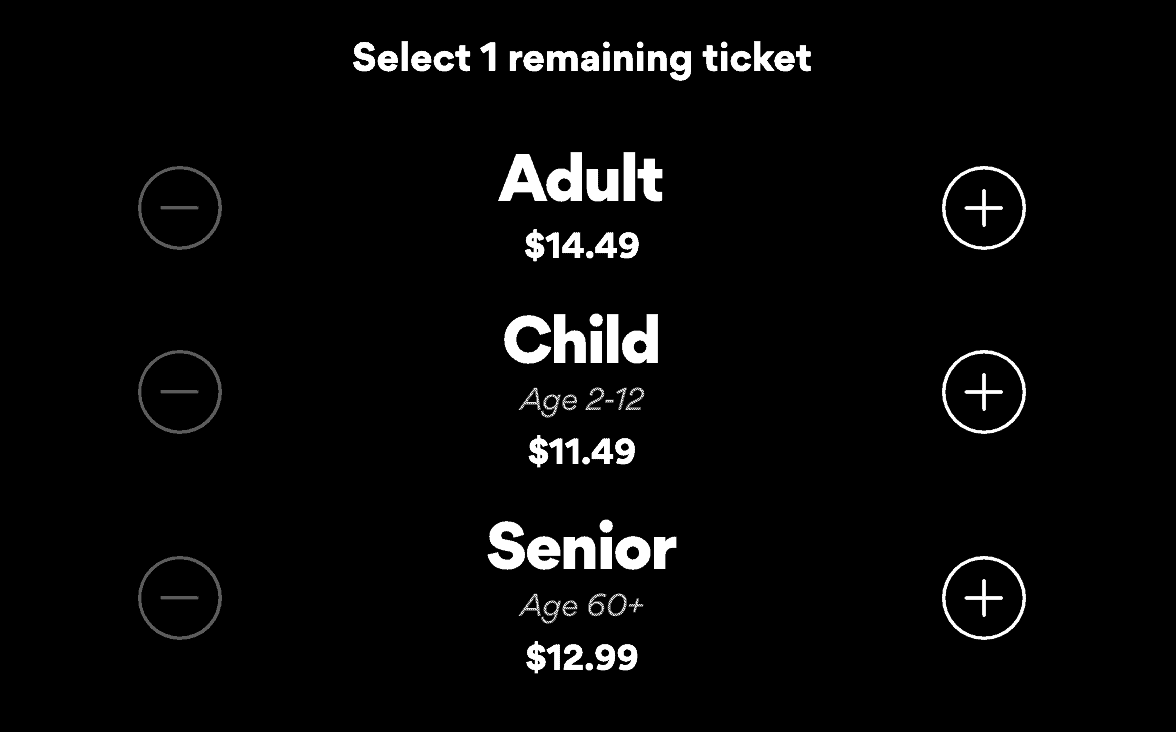
- Children: Tickets for children (typically ages 2-12) are almost always cheaper than adult admission. This helps families manage the cost of bringing multiple kids to the cinema.
- Seniors: Patrons aged 60 or 65 and older often qualify for discounted senior tickets.
- Students: Many AMC locations offer student discounts, usually requiring a valid student ID.
- Military: Active military personnel and veterans may also receive discounts, often requiring proof of service.
These discounts are not universally applied to every showtime or premium format, so it’s always advisable to verify eligibility and availability at your specific location.
Day of the Week: Weekday vs. Weekend Premiums
The day you choose for your movie outing has a direct bearing on ticket cost. Weekends (Friday evening through Sunday) are peak times for movie attendance, and ticket prices reflect this heightened demand. Weekday evenings might be slightly less expensive than weekend evenings, but the most significant savings are often found during weekday matinee showings. For budget-conscious individuals or families with flexible schedules, planning movie trips for off-peak days can result in considerable savings over the course of a year.
Maximizing Value: Strategies for Savvy Moviegoers
Navigating the variable pricing landscape requires a proactive approach. Fortunately, AMC offers several programs and promotions that, when utilized effectively, can significantly reduce the overall cost of your movie experience.
Leveraging the AMC Stubs Program: A-List, Premiere, and Insider
AMC’s loyalty program, AMC Stubs, comes in three tiers, each offering distinct financial advantages:
- AMC Stubs Insider (Free): This free tier provides basic benefits like earning points on purchases (20 points for every $1 spent), which can be redeemed for rewards (e.g., $5 for every 5,000 points). Insiders also get free refills on large popcorn and access to discounted tickets on Tuesdays. For the infrequent moviegoer, this is a no-brainer for small savings.
- AMC Stubs Premiere ($15/year): For a moderate annual fee, Premiere members earn points at an accelerated rate (100 points for every $1 spent), receive a free large popcorn and fountain drink upon joining and renewal, and enjoy express service at the box office and concession stand. The faster accumulation of rewards can translate into meaningful savings for those who visit AMC a few times a year.
- AMC Stubs A-List (Subscription-based, Varies by state): This is AMC’s most comprehensive offering, designed for frequent moviegoers. For a monthly fee (typically $19.95 to $23.95, depending on the state), members can see up to three movies per week, including premium formats like IMAX, Dolby Cinema, and 3D, without any additional cost. For anyone seeing two or more movies per month, A-List quickly pays for itself and offers substantial savings, essentially transforming individual ticket purchases into a flat-rate entertainment subscription. A financial analysis comparing the monthly fee to the cost of 2-3 premium tickets easily demonstrates its value.
Exploring Special Promotions and Discount Days
Beyond the Stubs program, AMC frequently runs special promotions:
- Discount Tuesdays: AMC Stubs members (all tiers) can often purchase tickets for a significantly reduced price on Tuesdays. This is one of the most consistent and effective ways to save money.
- Student Discounts: As mentioned, many locations offer specific student discounts beyond general matinee prices.
- Loyalty Program Offers: Keep an eye on your AMC Stubs account for exclusive offers, bonus point opportunities, or special screenings.
- Limited-Time Promotions: AMC occasionally partners with studios or other brands for promotional discounts, especially around major movie releases or holidays.
Staying informed about these offers, perhaps by signing up for AMC’s email newsletter, can lead to unexpected savings.
Bundling: The Concession Conundrum and Dynamic Pricing
While not directly related to ticket prices, concessions are a significant component of the overall moviegoing expense. AMC sometimes offers bundled deals that include both tickets and concessions, though these are less common than standalone offers. More broadly, the concept of dynamic pricing extends beyond just tickets to concessions, with prices often higher at premium locations. Smart budgeting for movies must account for both the ticket and any intended snack purchases. Bringing your own sealed water bottle or planning to eat before or after the movie can significantly reduce the total cost of your outing.
Budgeting for Entertainment: Integrating Movie Costs into Personal Finance
For many, moviegoing is a cherished leisure activity. Incorporating these costs into a personal budget requires a clear understanding of your habits and the available savings mechanisms.
Calculating Your Annual Movie Spend
Take a moment to estimate how often you go to the movies in a year and what kind of tickets you typically buy. If you see one standard movie a month at $15 a ticket, that’s $180 annually. If you frequently opt for premium formats and add concessions, that number can easily double or triple. Understanding this baseline helps you identify areas for potential savings. Could you switch some weekend evening shows to Tuesday matinees? Would an A-List membership be more cost-effective?
Is the A-List Worth It? A Financial Analysis
For many, the AMC Stubs A-List membership is a game-changer.
- Break-Even Point: If a standard ticket costs $15-$18, seeing just two movies a month already makes the A-List (at ~$20-$24/month) a financially sound choice. Factor in the ability to see premium formats for no extra charge, and the value proposition becomes even stronger. Two Dolby Cinema tickets at $22 each would cost $44, making the A-List nearly half the price.
- Opportunity Cost: For those who would go to the movies frequently anyway, the A-List eliminates the decision fatigue of budgeting for each individual ticket, freeing up more discretionary income for other parts of your budget.
However, if you only see a movie once every few months, the annual fee (even for Premiere) or the monthly A-List subscription will likely exceed your savings. In such cases, the free Insider tier and leveraging Discount Tuesdays are your best bet.
Comparing Cinema Experiences: Value Beyond the Ticket Price
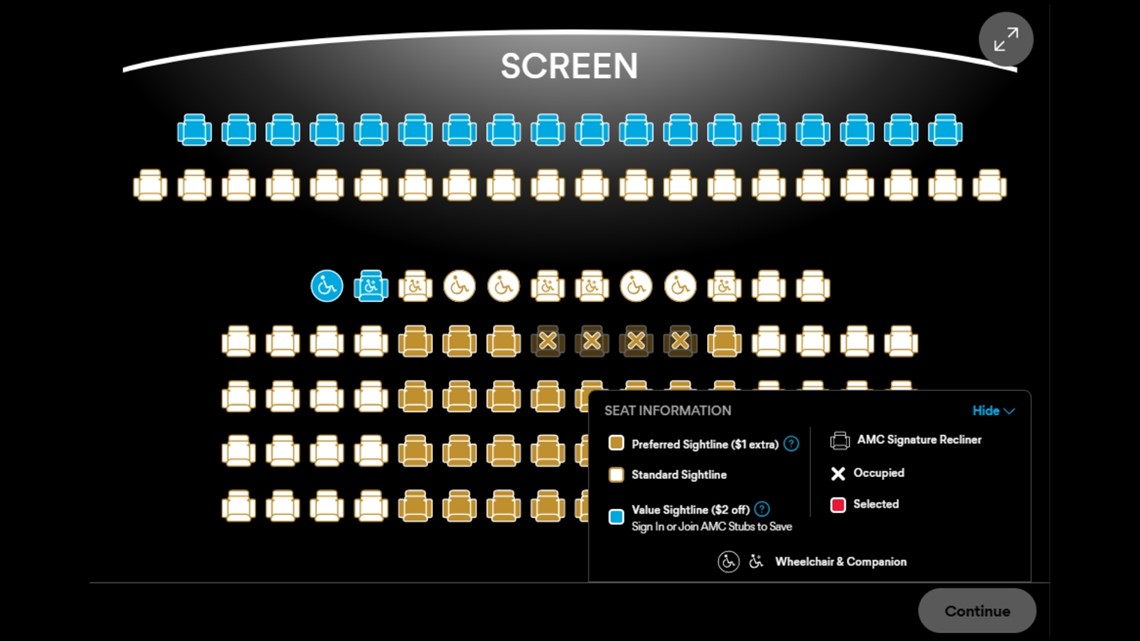
Finally, consider what you truly value in a movie experience. Is the cutting-edge sound of Dolby Cinema essential, or is a comfortable seat and a clear picture sufficient? Sometimes, paying a few extra dollars for a significantly better experience (e.g., recliner seating in a less crowded theater) might offer better perceived value than strictly adhering to the lowest possible price. The goal of financial planning isn’t just to save money, but to align spending with personal values and desired experiences. By understanding the dynamic pricing of AMC tickets and strategically utilizing their loyalty programs and discounts, moviegoers can enjoy their favorite films without overstretching their entertainment budget.
aViewFromTheCave is a participant in the Amazon Services LLC Associates Program, an affiliate advertising program designed to provide a means for sites to earn advertising fees by advertising and linking to Amazon.com. Amazon, the Amazon logo, AmazonSupply, and the AmazonSupply logo are trademarks of Amazon.com, Inc. or its affiliates. As an Amazon Associate we earn affiliate commissions from qualifying purchases.