
In an era defined by evolving entertainment consumption and dynamic economic shifts, understanding the true cost of leisure activities has become paramount for financially savvy consumers. Among the myriad options for public entertainment, a trip to the movies remains a beloved pastime for millions. For many, AMC Theatres stands as a prominent gateway to cinematic escapism. However, the seemingly simple question, “How much is an AMC ticket?” belies a complex interplay of factors that can significantly influence the final price tag. This article delves into the financial intricacies of AMC ticket pricing, offering a comprehensive guide for budgeting, maximizing value, and making informed spending decisions in your pursuit of the silver screen experience. By dissecting the various components that contribute to ticket costs and exploring strategic financial approaches, we aim to equip you with the insights needed to enjoy your next movie without breaking the bank.

Deconstructing the Base Price: Factors Influencing Your AMC Ticket Cost
The journey to understanding AMC ticket pricing begins with recognizing that there isn’t a single, fixed cost. Instead, a range of variables conspire to determine what you’ll pay at the box office or online. Each factor presents a financial decision point for the consumer, allowing for a degree of control over the final expenditure.
Geographic Location and Local Market Dynamics
One of the most significant determinants of an AMC ticket price is the geographic location of the theater. Like real estate and cost of living, entertainment prices vary considerably from one region to another. A prime AMC location in a bustling metropolitan area, with high operational costs and strong demand, will typically command higher ticket prices than a theater in a more suburban or rural setting. State and local taxes can also contribute to these regional differences. Consumers in major cities like New York or Los Angeles will generally find themselves paying a premium compared to those in smaller towns. This regional variation underscores the importance of local research when budgeting for a movie outing. Checking the specific AMC theatre’s website or app for pricing is always the most accurate approach for your particular location.
The Time and Day Equation: Matinees vs. Primetime
The timing of your movie experience is another crucial financial lever. AMC, like most cinema chains, employs a dynamic pricing model based on demand. Matinee showings, typically scheduled before 4 or 5 PM, are almost universally cheaper than evening or primetime screenings. This strategy aims to incentivize moviegoers to fill seats during off-peak hours, optimizing theater utilization. Similarly, weekday tickets are generally less expensive than those for Friday evenings, Saturdays, and Sundays, which are peak demand periods. For the budget-conscious moviegoer, opting for a weekday matinee can result in substantial savings, sometimes reducing the ticket price by 20-30% or more compared to a weekend evening show. Factoring in this time-based pricing can significantly impact your annual entertainment budget if you’re a regular attendee.
Premium Formats and Immersive Experiences
Beyond standard 2D screenings, AMC offers an array of premium formats designed to enhance the cinematic experience, each coming with its own elevated price tag. These include:
- IMAX: Known for its larger screens, specialized projection, and immersive sound, IMAX tickets carry a significant surcharge.
- Dolby Cinema: Combining Dolby Vision projection with Dolby Atmos sound and luxurious recliners, this format also commands a premium.
- Prime at AMC: Featuring power recliners and enhanced sound, Prime offers an upgraded comfort experience.
- 3D: Films shown in 3D require special glasses and projection, adding an additional cost.
- Fathom Events: These special, limited-time screenings (e.g., classic films, live concerts, anime) often have unique, non-standard pricing.
While these formats offer a more immersive experience, their higher cost must be weighed against your personal entertainment budget. A single premium ticket can sometimes cost as much as two standard tickets, demanding a careful financial consideration of the perceived value versus the increased expenditure.
Age and Status: Discounts for Every Demographic
AMC actively provides various discounts targeting specific demographics, offering a welcome reprieve for those who qualify. These commonly include:
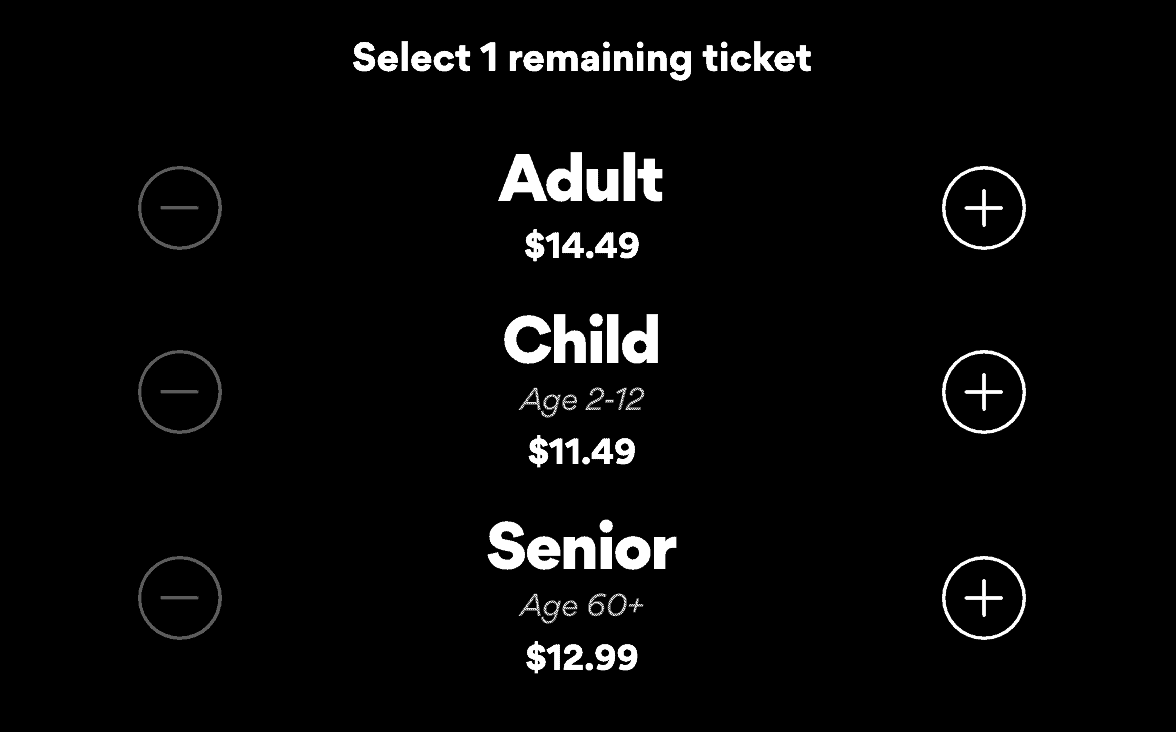
- Children: Lower prices for younger viewers, typically aged 2-12.
- Seniors: Discounts for older adults, generally aged 60 or 65+.
- Students: Many AMC locations offer student discounts upon presentation of a valid student ID, particularly on specific days of the week.
- Military: Active military personnel and veterans often receive discounted rates.
These discounts are not always automatically applied and usually require verification at the box office. For online purchases, specific promotional codes or verification steps might be necessary. It’s always advisable to inquire about these potential savings, as they can represent a significant reduction in the individual cost, aiding in better personal financial management for entertainment.
Maximizing Value: Leveraging AMC’s Membership Programs and Special Offers
For frequent moviegoers or those looking to optimize their entertainment spending, AMC offers loyalty programs and recurring promotions that can transform the economics of a cinema visit. These programs are designed not just for loyalty but also to provide tangible financial benefits.
The Power of AMC Stubs A-List: Unlimited Entertainment for a Monthly Fee
AMC Stubs A-List is perhaps the most impactful financial tool for dedicated cinephiles. For a fixed monthly subscription fee (which varies by location, often tiered for access to different theater groups), members can watch up to three movies per week, every week, in any format (including IMAX, Dolby Cinema, and 3D). This essentially translates to 12-15 movies a month, making the per-movie cost incredibly low for frequent viewers.
- Cost-Benefit Analysis: If a standard ticket in your area costs $15, watching just two movies a month under A-List (e.g., at a $22/month subscription) immediately justifies the cost. Any additional movie becomes “free.”
- Financial Planning: A-List requires a consistent monthly outflow, making it a fixed entertainment expense that can be easily budgeted. It encourages moviegoing without the anxiety of individual ticket prices.
- Opportunity Cost: For those who see movies regularly, the opportunity cost of not being an A-Lister could be significant, as they’d be paying full price for each film.
This program fundamentally alters the financial calculus of moviegoing for its members, shifting from an a la carte model to a subscription-based, all-you-can-watch paradigm.
AMC Stubs Premiere: Perks for the Occasional Moviegoer
For those who don’t frequent the cinema enough to justify A-List, AMC Stubs Premiere offers a step-up from the free Insider tier. For an annual fee, Premiere members enjoy:
- $5 Rewards: Earned for every $50 spent, effectively a 10% cashback on spending.
- Waived Online Ticketing Fees: A significant saving, especially for groups or frequent online purchasers.
- Free Size Upgrades: On popcorn and fountain drinks, enhancing the value of concession purchases.
- Birthday Gift: A free large popcorn.
While not offering unlimited movies, Premiere provides concrete savings and perks that add up over the year, making it a sound financial choice for those who see perhaps 4-10 movies annually and regularly buy concessions.
Weekly Deals and Promotional Savings: Your Guide to Discounts
AMC frequently runs promotional offers that can yield substantial savings.
- Discount Tuesdays: This is a popular promotion where most tickets are significantly discounted on Tuesdays for AMC Stubs members. The exact price varies by location, but it’s often one of the cheapest days to see a movie.
- Matinee Specials: As discussed, matinees are a consistent way to save.
- Seasonal Promotions: Look out for deals during holiday seasons, summer blockbusters, or special events.
- Student/Senior/Military Discounts: Always inquire about these, as mentioned previously.
Staying informed about these promotions through the AMC app, website, or email newsletters can be a crucial part of a savvy entertainment budget strategy. Timing your movie outings around these deals can significantly lower your per-ticket cost.
Group Bookings and Corporate Vouchers
For larger groups, schools, or corporate events, AMC often provides bulk ticket purchasing options or group rates. While not always advertised, contacting the theater directly for such arrangements can lead to discounted per-ticket costs. Additionally, many companies offer AMC gift cards or corporate vouchers as employee benefits or incentives, which can be a valuable form of “free money” for entertainment, reducing direct out-of-pocket expenses.
Beyond the Ticket: Understanding the Total Cost of Your Cinema Experience
A common financial oversight is to focus solely on the ticket price while neglecting the ancillary costs that contribute to the overall expenditure of a movie outing. A truly comprehensive financial assessment includes these often-overlooked elements.
The Concession Conundrum: Budgeting for Snacks and Drinks
For many, popcorn, candy, and soda are an integral part of the movie experience. However, concessions are notoriously expensive, representing a significant profit center for theaters. A large popcorn and drink can easily add another $15-$20 (or more) to your bill, potentially doubling or tripling the cost of a single ticket.
- Financial Impact: Failing to budget for concessions can quickly inflate your entertainment spending, making an otherwise affordable movie ticket part of a costly outing.
- Strategies: Consider sharing larger items, bringing your own water bottle, or having snacks before or after the movie to curb these costs. AMC Stubs Premiere members get free size upgrades, which helps, but the base prices remain high. For A-Listers, who save so much on tickets, careful concession budgeting becomes even more important to maintain overall savings.
Convenience Fees and Online Booking: Hidden Costs to Consider
While buying tickets online offers convenience and often guarantees your preferred seats, it frequently comes with a “convenience fee” per ticket. These fees, typically $1-$2 per ticket, can add up, especially for groups.
- Financial Implications: A family of four purchasing tickets online could incur an extra $4-$8, negating some of the savings from matinee prices or promotional discounts.
- Mitigation: AMC Stubs Premiere members have these fees waived, making the annual membership a worthwhile investment for those who frequently book online. Alternatively, purchasing tickets directly at the box office avoids these fees, though it comes with the risk of sold-out shows or less desirable seating.
Parking, Travel, and Opportunity Cost
The financial impact of a movie extends beyond the theater’s walls.
- Parking Fees: In urban areas or shopping centers, parking can be expensive, adding another $5-$20 to your outing. Public transport costs also contribute.
- Travel Time and Fuel: The time and fuel spent traveling to and from the cinema are indirect costs that consume both financial resources and valuable time.
- Opportunity Cost: Every dollar spent on a movie ticket and concessions is a dollar that cannot be spent or saved elsewhere. This concept of opportunity cost is crucial in personal finance; choosing to go to the movies means forgoing another activity, saving for a larger goal, or investing. Understanding this helps prioritize entertainment within a broader financial plan.
Strategic Financial Planning for Entertainment: Integrating AMC into Your Budget
Integrating moviegoing into a sound personal financial plan requires a strategic approach. It’s about conscious spending and ensuring entertainment aligns with broader financial goals.
Allocating Funds for Leisure: The 50/30/20 Rule and Entertainment
A popular budgeting guideline, the 50/30/20 rule, suggests allocating 50% of your income to needs, 30% to wants, and 20% to savings and debt repayment. Entertainment, including movie tickets, falls squarely into the “wants” category.
- Budgeting: Clearly define a monthly or annual budget for entertainment. This ensures that moviegoing doesn’t infringe upon essential needs or critical savings goals.
- Tracking: Use budgeting apps or spreadsheets to track your movie-related expenses (tickets, concessions, parking) to ensure you stay within your allocated “wants” budget.
- Prioritization: Within your entertainment budget, prioritize your movie experiences. Is it worth paying full price for a specific film, or can you wait for a discount day or choose a less expensive format?
Comparing Entertainment Value: Is Cinema Still Worth It?
In an age of streaming services, home theaters, and a plethora of digital entertainment, assessing the value proposition of a cinema trip is essential.
- Experience vs. Cost: For many, the unique communal experience, the massive screen, and the immersive sound of a cinema cannot be replicated at home, justifying the cost.
- Financial Alternatives: Consider the cost of a streaming service subscription. While offering unlimited content for a monthly fee, it lacks the theatrical experience. Weighing these alternatives against your budget and preferences helps define what “value” truly means to you.
- Infrequent vs. Frequent: For infrequent moviegoers, the occasional full-price ticket might be perfectly acceptable. For frequent attendees, membership programs like A-List clearly offer superior financial value compared to paying per movie.
Smart Spending Habits for Movie Enthusiasts
To truly master the financial aspect of AMC tickets and the overall movie experience, cultivate smart spending habits:
- Plan Ahead: Check showtimes, prices, and potential discounts online before heading out.
- Leverage Loyalty Programs: Sign up for AMC Stubs (at least the free Insider tier) to earn points and access special offers. Consider Premiere or A-List if it aligns with your viewing habits.
- Opt for Matinees/Weekdays: If your schedule allows, these are almost always the most budget-friendly options.
- Be Mindful of Concessions: Set a budget for snacks or consider alternatives to avoid impulse overspending.
- Avoid Unnecessary Fees: Buy tickets at the box office if you’re not an AMC Stubs Premiere member to skip online convenience fees.
- Utilize Discounts: Always ask about student, senior, or military discounts if you qualify.
- Gift Card Strategy: Sometimes, gift cards can be purchased at a discount from third-party retailers, offering a slight saving on future purchases.
In conclusion, understanding “how much is an AMC ticket” extends far beyond a simple number. It encompasses a multifaceted financial landscape shaped by location, timing, format, membership, and auxiliary expenses. By adopting a professional, insightful, and strategic approach to budgeting and spending, movie enthusiasts can continue to enjoy the magic of the big screen without compromising their broader financial well-being. The key lies in informed decision-making and leveraging the numerous avenues available to maximize value and minimize expenditure, ensuring that your cinematic adventures remain a source of joy, not financial stress.
aViewFromTheCave is a participant in the Amazon Services LLC Associates Program, an affiliate advertising program designed to provide a means for sites to earn advertising fees by advertising and linking to Amazon.com. Amazon, the Amazon logo, AmazonSupply, and the AmazonSupply logo are trademarks of Amazon.com, Inc. or its affiliates. As an Amazon Associate we earn affiliate commissions from qualifying purchases.