
In the ever-evolving landscape of media and entertainment, few brands have carved out a distinct identity and commanded the cultural conversation quite like AMC. When people ask, “What is AMC TV?”, they’re often referring to more than just a channel; they’re inquiring about a multifaceted brand that has redefined television storytelling, strategically diversified its offerings, and adeptly navigated the tumultuous shifts in how audiences consume content. At its core, AMC TV represents a brand synonymous with critically acclaimed, premium original programming that pushes boundaries and fosters devoted fan bases. This article will delve into the strategic brand journey of AMC, exploring its evolution, its core brand pillars, its expansive portfolio, and its masterful positioning in a fiercely competitive industry.

The Genesis and Evolution of the AMC Brand
The story of AMC’s brand is one of strategic metamorphosis, demonstrating a keen understanding of market shifts and an audacious willingness to reinvent itself. From its humble beginnings to its current status as a premium content provider, AMC has consistently adapted its brand identity to remain relevant and compelling.
From American Movie Classics to Original Content Giant
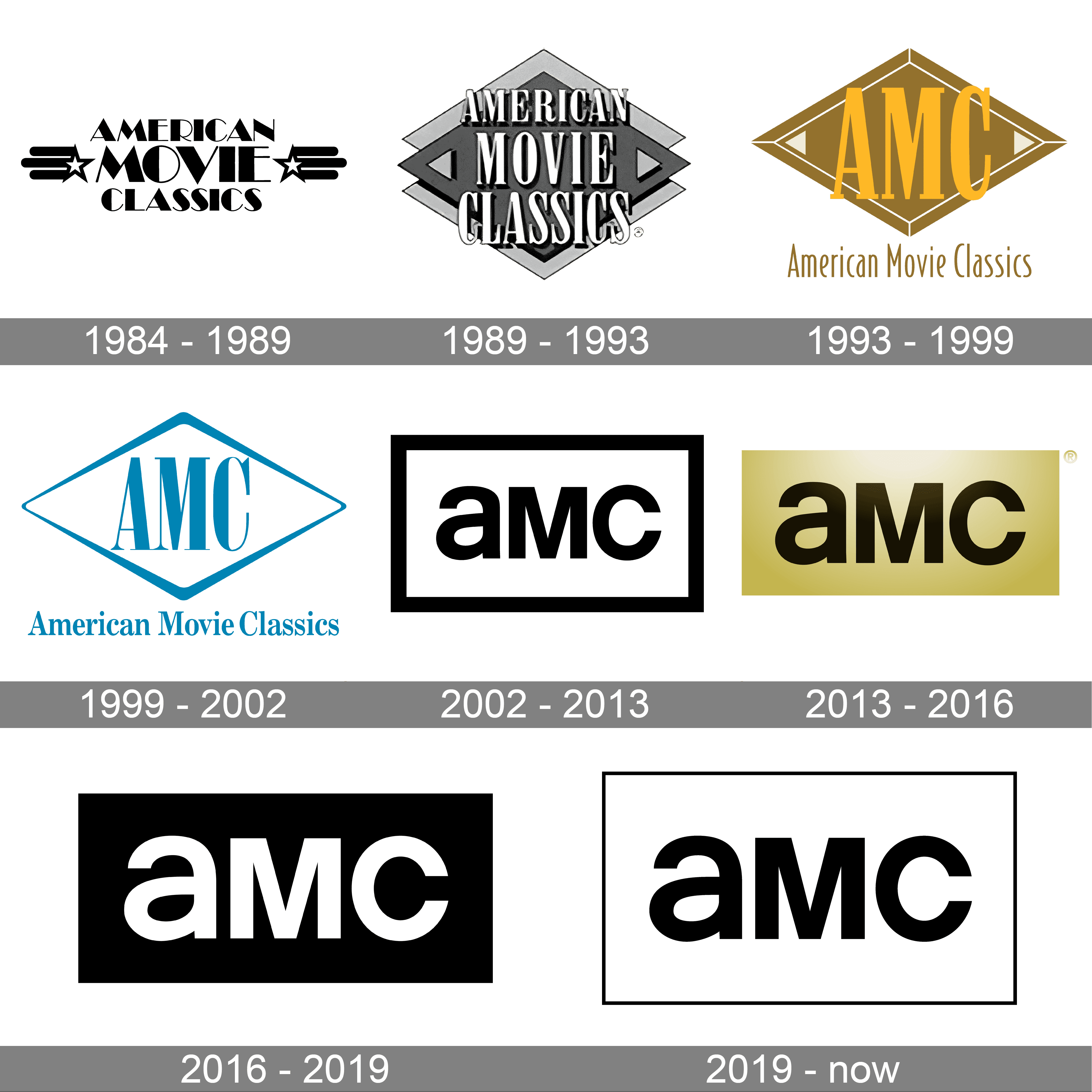
Launched in 1984, AMC initially stood for “American Movie Classics.” As its name suggested, the channel’s brand promise was straightforward: a curated library of classic films, presented commercial-free and often accompanied by historical context. For years, this niche served a dedicated audience seeking nostalgia and cinematic heritage. The brand was perceived as a purveyor of timeless art, a reliable haven for film buffs.
However, as the cable television landscape matured and digital distribution began to loom, AMC’s leadership recognized the need for a radical brand transformation. Relying solely on a library of old films, no matter how beloved, was not a sustainable long-term strategy for growth or differentiation. The pivotal shift began in the early 2000s, spearheaded by executives who understood that true brand equity in modern television would come from owning original content. This decision marked a profound pivot in AMC’s brand strategy: from a distributor of others’ content to a creator of its own.
The turning point was undeniable with the launch of Mad Men in 2007, followed by Breaking Bad in 2008, and later The Walking Dead in 2010. These shows weren’t just hits; they were cultural phenomena that redefined the very notion of “cable television.” They established AMC as a brand synonymous with sophisticated, cinematic, and often dark and complex storytelling. The tagline “Story Matters Here” (and later “It’s Not TV. It’s AMC.”) wasn’t merely a marketing slogan; it was a powerful brand statement that articulated AMC’s new identity as a home for groundbreaking narratives and compelling characters. This era solidified AMC’s brand as a premium destination, challenging the traditional dominance of broadcast networks and even premium cable channels like HBO.
Navigating the Digital Transformation: AMC+ and Beyond
The digital revolution brought another wave of disruption, forcing media brands to reconsider their distribution models and audience engagement strategies. As cord-cutting accelerated and streaming platforms proliferated, AMC faced the challenge of maintaining its brand relevance and reach beyond traditional linear television. The response was AMC+, a direct-to-consumer streaming service launched in 2020.
AMC+ represents a strategic expansion of the AMC brand into the streaming wars, offering exclusive originals, early access to new episodes of linear shows, and curated content from AMC Networks’ other brands like SundanceTV, Shudder, and IFC Films Unlimited. This move was crucial for several reasons: it allowed AMC to directly engage with its most dedicated fans, offered a new revenue stream, and provided a platform to further differentiate its content beyond the confines of a scheduled broadcast. The brand promise of AMC+ is to deliver “the best of AMC Networks” in one convenient, ad-free package, appealing to viewers seeking curated, high-quality genre entertainment. It signifies AMC’s commitment to adapting its brand presence across all relevant consumption points, ensuring its valuable content remains accessible and appealing to modern audiences.
Core Brand Pillars: Content Strategy and Audience Connection
At the heart of AMC’s enduring brand success is a meticulously crafted content strategy that prioritizes distinctive storytelling, coupled with a deep understanding of its target audience. This approach has allowed AMC to cultivate an enviable brand loyalty and market position.
Crafting Iconic Narratives: The “It’s Not TV. It’s AMC.” Philosophy
The famous tagline, “It’s Not TV. It’s AMC.” was more than just a marketing gimmick; it was a declaration of brand intent. It signaled a commitment to narrative excellence and a cinematic approach to television production. This philosophy mandated higher production values, complex character development, long-form storytelling arcs, and a willingness to explore mature and often morally ambiguous themes. By consistently delivering on this promise with shows like Mad Men, Breaking Bad, The Walking Dead, and Better Call Saul, AMC established a brand reputation for quality that transcended typical television fare.
This commitment to iconic narratives became a core brand pillar, attracting not only discerning viewers but also top-tier talent—writers, directors, and actors—who were drawn to the creative freedom and ambition that the AMC brand represented. The resulting content has not only garnered critical acclaim and numerous awards but has also built a strong emotional connection with its audience, fostering a sense of community around shared viewing experiences.
Genre Dominance and Niche Cultivation
While AMC built its reputation on prestige dramas, its brand strategy also intelligently diversified into genre dominance, particularly in the realm of horror, sci-fi, and fantasy. The Walking Dead franchise, for instance, transformed a niche comic book property into a global phenomenon, establishing AMC as a leader in post-apocalyptic storytelling. This expansion allowed the brand to tap into passionate fan communities eager for well-executed genre content.
Furthermore, AMC Networks strategically acquired and developed specialized streaming services like Shudder (horror, thrillers, supernatural) and Acorn TV (British and international mysteries and dramas). These platforms allowed AMC to cultivate specific niches, serving dedicated fan bases with highly curated content under distinct brand identities, all while falling under the broader AMC Networks umbrella. This multi-brand strategy leverages the parent company’s content expertise to cater to diverse tastes, reinforcing AMC’s overall brand strength as a provider of compelling, genre-specific entertainment.
Engaging the Fandom: Community and Experiential Marketing
AMC understands that in the digital age, a successful brand doesn’t just broadcast; it engages. The intense fan loyalty generated by shows like The Walking Dead and Breaking Bad became a significant brand asset. AMC actively fostered these communities through various initiatives. Post-show talk programs like Talking Dead extended the viewing experience, allowing fans to dissect episodes and feel part of a larger conversation.
Experiential marketing also played a crucial role in deepening brand connection. Events like “Walker Stalker Con” (a fan convention for The Walking Dead) and immersive virtual reality experiences for its shows allowed fans to step into the worlds AMC created. Digital content, behind-the-scenes features, and social media engagement further fueled these passionate communities. By actively nurturing its fandom, AMC transformed passive viewers into active brand advocates, creating a powerful word-of-mouth marketing engine that significantly bolstered its brand equity and cultural impact.
AMC’s Diverse Portfolio: Expanding the Brand Ecosystem
Beyond the flagship AMC channel and its direct streaming service, AMC Networks operates a diverse portfolio of brands, each with its own distinct identity and target audience, yet collectively reinforcing the parent company’s commitment to quality storytelling.
AMC Networks: A Family of Distinct Brands (SundanceTV, IFC, WE tv, BBC America)
AMC Networks is the corporate entity that houses the various television channels and streaming services. Within this ecosystem, each channel maintains a carefully curated brand identity to appeal to specific demographics and content preferences:
- SundanceTV: Positioned as a destination for independent films, documentaries, and original series that align with the spirit of the Sundance Film Festival. Its brand promise is intelligent, thought-provoking, and often art-house adjacent content.
- IFC (Independent Film Channel): Initially focused on independent cinema, IFC has evolved to include original comedy series with a distinct, often quirky, and irreverent brand of humor.
- WE tv: Targets a female audience with reality television focused on relationships, lifestyle, and drama. Its brand is synonymous with engaging, often provocative, unscripted storytelling.
- BBC America: A joint venture, this channel brings premium British programming, including acclaimed dramas, comedies, and factual series, to American audiences. Its brand leverages the global reputation of the BBC for high-quality, distinctive content.
This multi-brand strategy allows AMC Networks to broaden its overall market reach without diluting the specific brand identity of the flagship AMC channel. Each brand serves a particular niche, yet benefits from the operational efficiencies and content expertise of the parent company.
The Strategic Imperative of Streaming Platforms (Acorn TV, Shudder, ALLBLK)
The acquisition and development of specialized streaming services further illustrate AMC’s sophisticated brand ecosystem strategy. These platforms address highly specific audience segments, allowing for deeply targeted content curation and marketing:
- Acorn TV: A subscription service dedicated to British and international television, particularly mysteries, dramas, and comedies. Its brand is built on delivering “the best of British TV” to an appreciative audience.
- Shudder: A haven for horror, thriller, and supernatural content. Shudder’s brand is dark, edgy, and serves a passionate community of genre enthusiasts with exclusive originals, cult classics, and new releases.
- ALLBLK (formerly UMC – Urban Movie Channel): Focuses on Black film and television content, offering a curated selection of drama, comedy, and stage plays. Its brand is about celebrating and showcasing diverse Black storytelling.
These niche streaming services are vital to AMC’s brand strategy. They demonstrate an understanding that in the era of content abundance, specialization is a powerful differentiator. By offering highly curated experiences under distinct brands, AMC Networks can capture and retain subscribers who might not find their specific interests fully met by broader, general-entertainment platforms. They also serve as incubators for new original content that might eventually cross-pollinate with other brands within the AMC ecosystem.
Marketing and Brand Positioning in a Crowded Landscape
In an increasingly saturated media market, effective marketing and strategic brand positioning are paramount for survival and growth. AMC has consistently demonstrated an ability to cut through the noise.
Differentiating Through Quality and Curation
AMC’s primary differentiator has always been its unwavering commitment to quality. In an era of content factories churning out vast quantities of shows, AMC has maintained a brand promise of thoughtful, well-produced, and often critically acclaimed programming. This focus on “less is more” (though their output has grown significantly) differentiates them from platforms that prioritize sheer volume. Their content is often perceived as prestige television, positioning the brand above general entertainment channels.
Furthermore, AMC’s approach to content curation, especially across its niche streaming services, strengthens its brand. They don’t just offer content; they offer curated content that aligns with specific tastes, reducing decision fatigue for subscribers and reinforcing the perception of expertise within chosen genres. This curation is a powerful brand asset, signaling trust and reliability to niche audiences.
Adapting to Cord-Cutting and Shifting Viewer Habits
The challenge of cord-cutting has forced traditional linear TV brands to re-evaluate their entire business model. AMC’s brand strategy has been to adapt by extending its reach into streaming while maintaining the strength of its linear channels. The launch of AMC+ is a direct response to this, providing a premium, ad-free alternative for viewers who prefer on-demand consumption. This dual strategy allows AMC to cater to both traditional viewers and modern streamers, ensuring its brand remains accessible across evolving consumption habits. Marketing efforts now span traditional TV spots, extensive digital campaigns, social media engagement, and partnerships with telecom providers to promote bundles and streaming subscriptions.
The Future of the AMC Brand: Innovation and Adaptation
Looking ahead, the future of the AMC brand hinges on continued innovation and adaptability. This means not only investing in new, compelling original content but also exploring new technologies (like interactive storytelling or metaverse experiences related to its IPs) and new business models. The brand will need to navigate the complexities of global distribution, potential partnerships, and the continuous struggle for audience attention. Its ability to identify new talent, champion diverse voices, and respond to evolving cultural narratives will be key. The “AMC TV” brand, therefore, is a dynamic entity, perpetually in motion, continually re-evaluating how it connects with audiences and delivers on its promise of extraordinary storytelling.

Conclusion
What is AMC TV? It is a powerful and resilient brand that has masterfully navigated seismic shifts in the media landscape over nearly four decades. From its origins as a repository of classic films to its reinvention as a titan of original, prestige television, and now its expansion into a sophisticated ecosystem of niche streaming services, AMC has consistently adapted its brand identity to meet the demands of a changing audience. Its unwavering commitment to quality storytelling, strategic cultivation of diverse genres, and proactive engagement with its passionate fan bases have cemented its position as a distinctive and enduring force in entertainment. The AMC brand is not merely a collection of channels or platforms; it is a promise of compelling narratives, a beacon for discerning viewers, and a testament to the power of strategic brand evolution in a fiercely competitive world.
aViewFromTheCave is a participant in the Amazon Services LLC Associates Program, an affiliate advertising program designed to provide a means for sites to earn advertising fees by advertising and linking to Amazon.com. Amazon, the Amazon logo, AmazonSupply, and the AmazonSupply logo are trademarks of Amazon.com, Inc. or its affiliates. As an Amazon Associate we earn affiliate commissions from qualifying purchases.