
For most individuals, purchasing a car represents one of the largest financial commitments they will make, second only to a home. Unlike paying cash outright, which few can afford for a new vehicle, the vast majority of car buyers rely on auto loans. Central to the cost of these loans, and therefore the total price you pay for your vehicle, are auto interest rates. Far from being a mere footnote on a financing agreement, understanding what auto interest rates are, how they work, and what influences them is paramount to making an informed and financially sound car-buying decision.
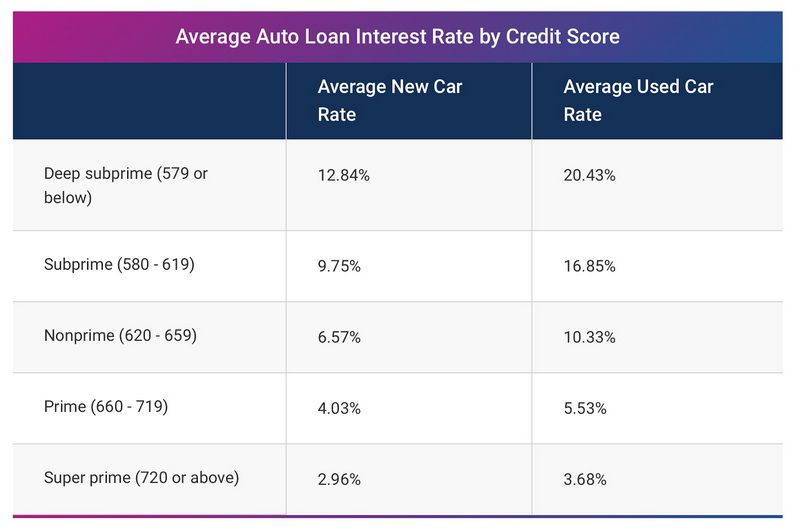
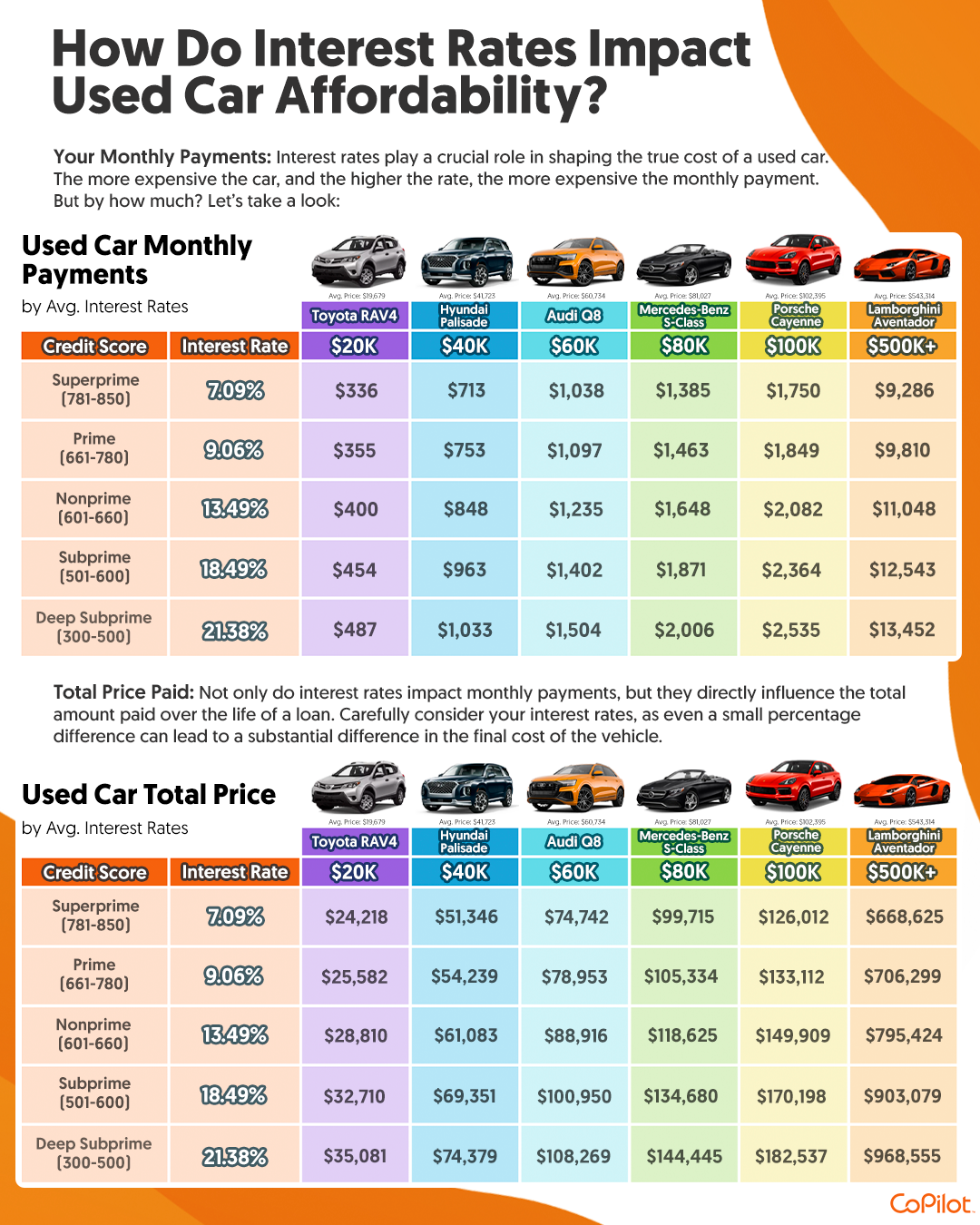
An auto interest rate is essentially the cost of borrowing money to finance a car purchase. It’s the percentage charged by a lender on the principal loan amount, representing their compensation for lending you the capital and taking on the associated risk. This rate directly impacts your monthly payment and, more significantly, the total amount you will pay over the life of the loan. A seemingly small difference in an interest rate can translate into hundreds or even thousands of dollars saved or spent over several years. This article will demystify auto interest rates, explore the factors that shape them, and provide actionable strategies to help you secure the most favorable terms for your next car loan.
Understanding the Fundamentals of Auto Interest Rates
Before diving into strategies for securing a better rate, it’s crucial to grasp the foundational concepts of auto interest rates. This understanding empowers consumers to dissect loan offers and compare them effectively.
Definition and Purpose
At its core, an auto interest rate is the charge for the privilege of borrowing money. When you take out an auto loan, a financial institution provides the capital for you to purchase a vehicle, and in return, you agree to repay that principal amount plus interest over a predetermined period. This interest serves as the lender’s profit and compensation for the risk they undertake by lending you money. Without interest, lenders would have no incentive to offer loans, which are a vital component of the economy, enabling large purchases like vehicles. The rate is expressed as an annual percentage, influencing directly how much additional money you’ll pay on top of the car’s sticker price.
APR vs. Interest Rate
It’s common to see both “interest rate” and “APR” (Annual Percentage Rate) mentioned in loan offers, and understanding the distinction is critical. The interest rate is simply the percentage charged on the principal loan amount. The APR, however, is a more comprehensive measure of the total cost of borrowing. It includes not only the interest rate but also any additional fees or charges associated with the loan, such as origination fees, processing fees, or discount points. For consumers, the APR is generally a better metric for comparing different loan offers because it reflects the true annual cost of the loan, encompassing all mandatory charges. While two loans might have the same nominal interest rate, one with higher fees would have a higher APR, making it the more expensive option overall.
Fixed vs. Variable Rates
Auto loans typically come with one of two types of interest rates: fixed or variable. The vast majority of auto loans offered today are fixed-rate loans. This means that the interest rate remains constant for the entire duration of the loan. Your monthly payment for principal and interest will not change, providing predictable budgeting and peace of mind. This stability is highly attractive to borrowers, as they are protected from potential rate increases if market conditions shift.
Variable-rate loans, while less common for car purchases, have an interest rate that can fluctuate over the loan term. These rates are usually tied to an economic index, such as the prime rate, and will adjust periodically (e.g., monthly, quarterly, or annually). If the index rises, your interest rate and consequently your monthly payments could increase. Conversely, if the index falls, your payments might decrease. While variable rates can sometimes start lower than fixed rates, they introduce an element of risk due to payment uncertainty, which is why they are rarely seen in consumer auto lending.
Key Factors Influencing Your Auto Interest Rate
The interest rate you qualify for on an auto loan is not arbitrary. It’s the result of a complex assessment by lenders, weighing various factors to determine the level of risk they are taking by lending you money. Understanding these elements can help you identify areas where you might improve your standing.
Credit Score and History
Undoubtedly, your credit score is the single most significant determinant of the auto interest rate you’ll receive. Lenders use credit scores (like FICO scores) as a numerical representation of your creditworthiness. A higher score signifies a lower risk to lenders, indicating a strong history of repaying debts on time. This translates into more favorable interest rates. Conversely, a lower credit score suggests a higher risk of default, prompting lenders to charge higher interest rates to compensate for that increased risk. Your credit history — including payment timeliness, types of credit used, amount of debt, and length of credit history — all contribute to this score. Lenders typically categorize borrowers into tiers (e.g., excellent, good, fair, poor credit) with corresponding rate ranges.
Loan Term (Length of Loan)
The loan term, or the duration over which you agree to repay the loan, also profoundly impacts the interest rate. Shorter loan terms (e.g., 36 or 48 months) typically come with lower interest rates because the lender’s risk exposure is reduced, and they get their money back faster. While shorter terms mean higher monthly payments, they result in significantly less total interest paid over the life of the loan. Longer loan terms (e.g., 60, 72, or even 84 months) often feature higher interest rates. Lenders perceive a greater risk over extended periods, and there’s a higher chance of economic changes or borrower default. Although longer terms lead to lower monthly payments, they drastically increase the total amount of interest you’ll pay, making the car much more expensive in the long run.
Down Payment Amount
Making a substantial down payment can positively influence your interest rate. A larger down payment reduces the amount you need to borrow, thereby decreasing the lender’s risk. It demonstrates your financial commitment to the purchase and signals to the lender that you are less likely to default. Lenders may offer lower interest rates to borrowers who put down a significant portion of the car’s price upfront, as their exposure is minimized, and they have more equity in the vehicle from the start. A low or no down payment, conversely, might result in a higher interest rate, as the lender bears more risk with a larger loan-to-value ratio.
Vehicle Type and Age
The type and age of the vehicle being financed also play a role. New cars often qualify for lower interest rates compared to used cars. This is partly because new cars are seen as more reliable and hold their value better initially, making them better collateral for the loan. Used cars, particularly older models, carry higher perceived risks related to potential mechanical issues and faster depreciation, leading to higher interest rates. Lenders also consider the marketability of the car; highly desirable and reliable models might command slightly better rates due to their strong resale value. Luxury or specialty vehicles, while expensive, might also sometimes secure competitive rates if the borrower has excellent credit, given the high collateral value.
Market Conditions and Economic Indicators
Broader market conditions and economic indicators significantly influence the general landscape of interest rates. The Federal Reserve’s monetary policy, particularly its adjustments to the federal funds rate, can ripple through the economy, affecting the prime rate and, consequently, consumer lending rates, including auto loans. When the Fed raises rates to combat inflation, auto loan rates tend to rise. Conversely, during periods of economic slowdown, the Fed might lower rates to stimulate borrowing and spending, leading to lower auto loan rates. Inflation rates, consumer confidence, and the overall economic outlook all contribute to the prevailing interest rate environment, which can impact even the most creditworthy borrower.
Lender Type
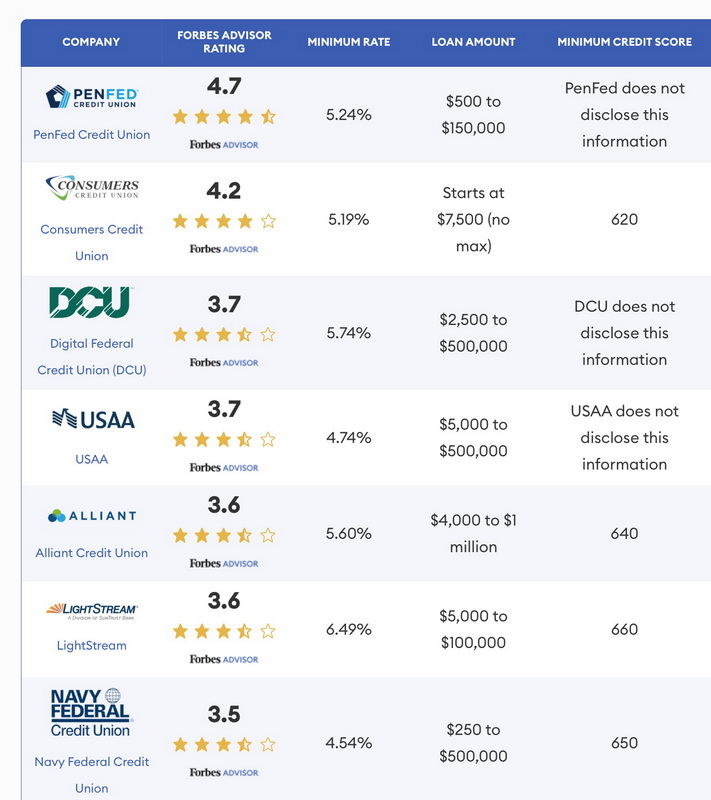
Different types of lenders may offer varying interest rates and terms.
- Banks are traditional lenders offering competitive rates to creditworthy borrowers.
- Credit Unions are member-owned financial cooperatives that often provide some of the most competitive rates, as they operate on a not-for-profit basis.
- Captive Finance Companies (e.g., Toyota Financial Services, Ford Credit) are affiliated with car manufacturers. They frequently offer promotional rates, special financing deals, and low-APR incentives on new cars to boost sales, sometimes even 0% APR for highly qualified buyers.
- Online Lenders have emerged as a significant force, offering quick approvals and competitive rates, often accessible to a broader range of credit profiles.
- Dealership Financing refers to working with a finance manager at the dealership who acts as an intermediary, submitting your application to multiple lenders. While convenient, it’s crucial to shop around independently first, as dealerships may sometimes mark up rates for profit. Comparing offers from various sources before committing is always wise.
Strategies for Securing the Best Auto Interest Rate
Knowing what influences auto interest rates is only half the battle. The other half involves actively implementing strategies to improve your financial standing and leverage competition among lenders to your advantage.
Boosting Your Credit Score
Since your credit score is paramount, taking steps to improve it before applying for a loan is crucial. This involves:
- Paying bills on time, every time: Payment history is the biggest factor in your score.
- Reducing outstanding debt: Especially credit card debt, which lowers your credit utilization ratio.
- Checking your credit report for errors: Disputing any inaccuracies can quickly boost your score.
- Avoiding opening new credit accounts unnecessarily: Too many hard inquiries in a short period can temporarily lower your score.
- Maintaining a long credit history: The longer your positive credit history, the better.
Shopping Around for Lenders
Never accept the first loan offer you receive, especially at the dealership. Proactively shopping around for lenders is one of the most effective ways to secure a lower rate. Apply for pre-approval with multiple institutions – banks, credit unions, and online lenders – within a short timeframe (typically 14-45 days, depending on the scoring model) to minimize the impact on your credit score. This allows you to compare actual offers, including APRs, loan terms, and any associated fees, before you even step foot in a dealership. Having a pre-approval in hand provides leverage when negotiating at the dealership, as you know what competitive rates are available to you.
Making a Substantial Down Payment
As discussed, a larger down payment reduces the loan amount and the lender’s risk, often leading to a lower interest rate. Aim for at least 10-20% of the car’s purchase price, if possible. Not only does this potentially lower your interest rate, but it also reduces your monthly payments, builds equity faster, and helps prevent becoming “upside down” on your loan (owing more than the car is worth).
Choosing the Right Loan Term
While tempting to opt for a longer loan term to achieve lower monthly payments, carefully consider the total cost of the loan. Evaluate different loan terms (e.g., 48, 60, 72 months) and calculate the total interest paid for each. Choose a term that balances affordable monthly payments with the lowest possible overall interest cost. Sometimes, a slightly higher monthly payment for a shorter term can save you thousands in interest over the life of the loan.
Negotiating at the Dealership (Intelligently)
When you’re at the dealership, remember to separate the negotiation for the car’s price from the negotiation for the financing. First, focus on getting the best possible purchase price for the vehicle. Once that’s settled, then discuss financing. If you have pre-approvals, present them to the dealer and see if they can beat or match the rates. Dealerships often work with various lenders and might have access to special programs or incentives that you didn’t find on your own. However, if their offer isn’t better than your pre-approval, be prepared to use your independent financing.
Refinancing Your Auto Loan
If you’ve already financed a car and your financial situation has improved, or if market interest rates have dropped since you took out your loan, refinancing your auto loan could be a smart move. Refinancing involves taking out a new loan to pay off your existing car loan, ideally at a lower interest rate or with more favorable terms. This can lead to lower monthly payments, reduced total interest paid, or both. It’s particularly beneficial if your credit score has significantly improved, you didn’t make a large down payment initially, or you took out a high-interest loan at the dealership. Be sure to compare refinancing offers, considering any fees associated with the new loan.
Calculating and Understanding Your Auto Loan Costs
Beyond simply knowing your interest rate, it’s essential to grasp how it translates into actual dollar amounts and to consider the broader financial implications of vehicle ownership.
The Role of an Auto Loan Calculator
An auto loan calculator is an indispensable financial tool when car shopping. These calculators, widely available online, allow you to input the principal loan amount, interest rate, and loan term to estimate your monthly payments and the total amount of interest you’ll pay over the life of the loan. By experimenting with different interest rates and terms, you can visualize the direct impact these variables have on your budget and the overall cost of the car. This empowers you to set realistic expectations and make informed decisions about affordability.
Total Cost of Ownership
While the interest rate is a significant component, it’s crucial to consider the total cost of ownership for a vehicle, which extends beyond the purchase price and loan interest. This includes:
- Insurance: Premiums vary widely based on the car, your driving history, and location.
- Maintenance and Repairs: Especially for used cars, these costs can be substantial.
- Fuel: An ongoing expense that fluctuates with gas prices and vehicle efficiency.
- Depreciation: The loss in value of the car over time, which is often the largest “cost” of ownership but isn’t a direct out-of-pocket expense until you sell or trade in the vehicle.
Understanding these additional costs provides a holistic view of the financial commitment you’re making, ensuring you can comfortably afford all aspects of car ownership.
Early Payoff Considerations
Some borrowers consider paying off their auto loan early to save on interest. This can be a wise financial move, as it reduces the total amount of interest paid, especially on loans with higher rates or longer terms. However, before making extra payments, review your loan agreement for any prepayment penalties. While most auto loans don’t have them, some might, making early payoff less advantageous. If there are no penalties, directing extra funds towards the principal can significantly reduce your total interest expenditure and free up cash flow sooner.
Conclusion
Understanding “what are auto interest rates” is more than just a theoretical exercise; it’s a fundamental aspect of intelligent personal finance when purchasing a vehicle. These rates determine a substantial portion of the total cost of your car, directly impacting your monthly budget and long-term financial health. By grasping the difference between an interest rate and APR, knowing the various factors that influence the rates you’re offered, and proactively implementing strategies to secure the best terms, you empower yourself to make a financially advantageous decision.
From diligently boosting your credit score and shopping aggressively for lenders to making a healthy down payment and understanding the true total cost of ownership, every step you take can contribute to significant savings. In an increasingly complex financial landscape, knowledge is your most powerful tool. Approach your next car purchase with a clear understanding of auto interest rates, and you’ll drive away not only with a new vehicle but also with the confidence of a well-informed financial choice.
aViewFromTheCave is a participant in the Amazon Services LLC Associates Program, an affiliate advertising program designed to provide a means for sites to earn advertising fees by advertising and linking to Amazon.com. Amazon, the Amazon logo, AmazonSupply, and the AmazonSupply logo are trademarks of Amazon.com, Inc. or its affiliates. As an Amazon Associate we earn affiliate commissions from qualifying purchases.