
For many, purchasing a car represents one of the most significant financial decisions they’ll make after buying a home. The allure of a new set of wheels can often overshadow the complex financial mechanics behind the purchase, particularly the role of interest. Understanding “how car interest works” isn’t just about crunching numbers; it’s about making informed decisions that can save you thousands of dollars over the lifetime of your loan and significantly impact your financial well-being.
At its core, car loan interest is the cost you pay to borrow money from a lender to buy a vehicle. It’s the fee for using someone else’s capital, and it’s a critical component of your monthly car payment. While the sticker price of a car tells you its initial cost, the interest rate dictates the total cost you’ll ultimately pay. Navigating this landscape requires more than just a passing glance at the Advertised Percentage Rate (APR); it demands a deep dive into credit scores, loan terms, lender types, and the economic environment. This article will demystify car interest, providing you with the insights needed to approach your next vehicle purchase with confidence and financial acumen.
Understanding the Fundamentals of Car Loans and Interest
Before delving into the intricacies, it’s essential to grasp the foundational concepts that underpin every car loan transaction. These elements collectively determine how much you pay, for how long, and what portion of your payment goes towards the actual car versus the cost of borrowing.
What is a Car Loan?
A car loan is a secured loan specifically designed for the purchase of a vehicle. In a secured loan, the car itself acts as collateral. This means that if you fail to make your payments as agreed, the lender has the legal right to repossess the car to recover their losses. This collateralized nature makes car loans generally less risky for lenders compared to unsecured personal loans, which can sometimes translate into more favorable interest rates for borrowers. Car loans typically have fixed terms, meaning the payment amount and interest rate remain constant throughout the loan’s duration, providing predictability for your budget.
Defining Interest and Annual Percentage Rate (APR)
Interest, in the context of a car loan, is the charge for borrowing the principal amount – the actual price of the car minus any down payment or trade-in value. This charge is expressed as a percentage rate. While interest rate refers solely to the cost of borrowing, the Annual Percentage Rate (APR) is a broader measure. APR includes not only the interest rate but also any additional fees associated with the loan, such as origination fees, documentation fees, or processing charges, expressed as an annual percentage. For car loans, the APR is often the most accurate representation of the true cost of borrowing, as it gives you a complete picture of what you’ll pay over a year. Comparing APRs from different lenders is crucial for finding the most cost-effective loan.
Principal, Interest, and Loan Term
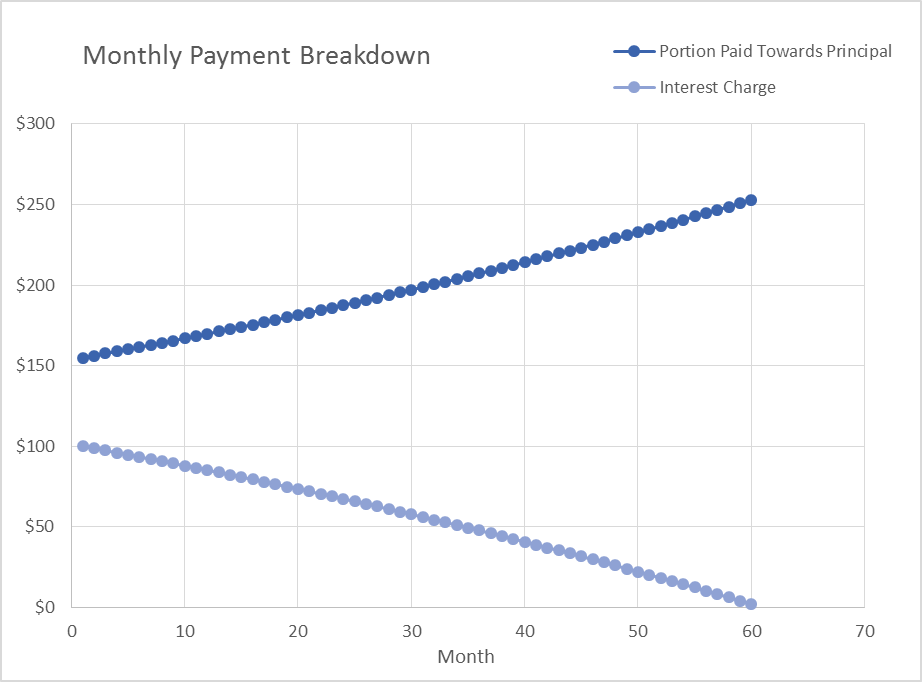
Every car loan payment is divided into two primary components: principal and interest. The principal is the actual amount of money you borrowed to buy the car. Each payment reduces the outstanding principal balance. Interest is the cost of borrowing that principal. In the early stages of a car loan, a larger portion of your monthly payment typically goes towards interest, with a smaller portion reducing the principal. As the loan matures, this allocation shifts, and more of your payment starts to pay down the principal.
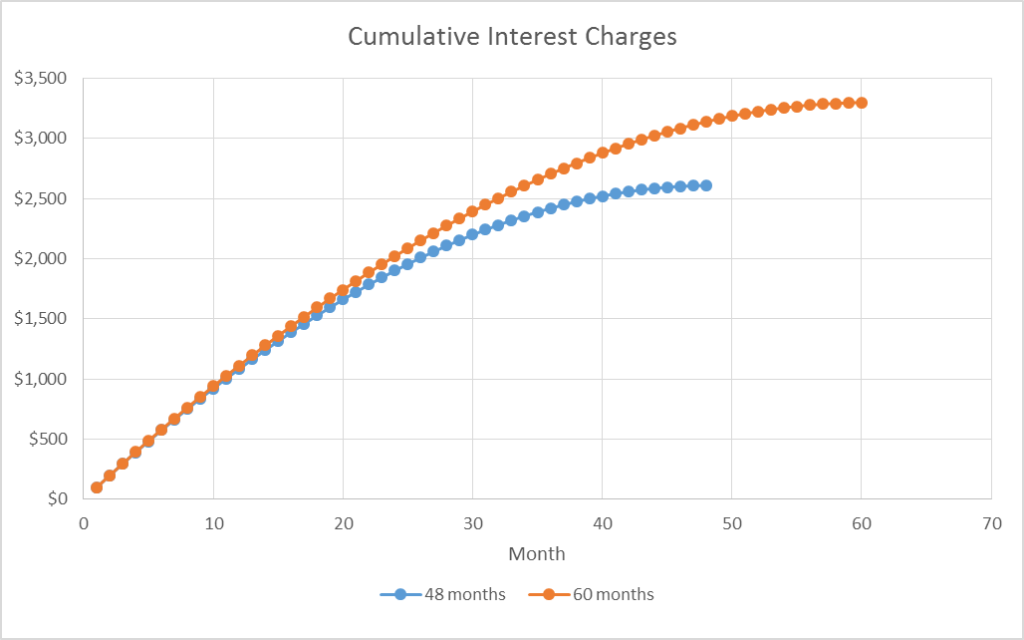
The loan term is the duration over which you agree to repay the loan, usually expressed in months (e.g., 36, 48, 60, 72, or even 84 months). While a longer loan term can result in lower monthly payments, it almost always leads to paying significantly more in total interest over the life of the loan. Conversely, a shorter loan term means higher monthly payments but substantially less paid in interest. This trade-off between monthly affordability and total cost is a critical consideration in car financing.
Factors Influencing Your Car Loan Interest Rate
The interest rate you receive on a car loan is not arbitrary; it’s a dynamic figure determined by a confluence of personal financial indicators, market conditions, and the specifics of the loan itself. Understanding these factors empowers you to take proactive steps to secure the most favorable terms.
Your Credit Score and History
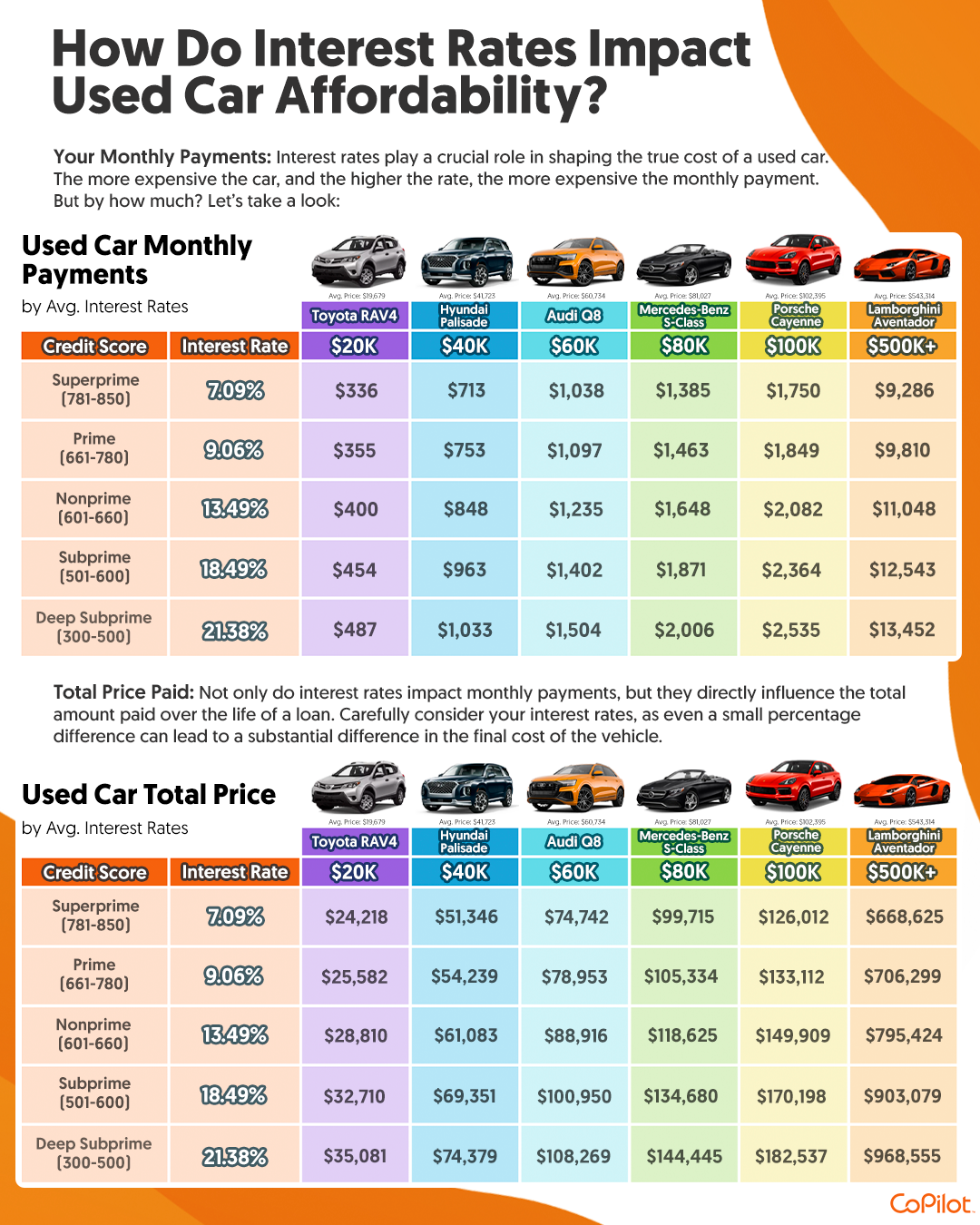
Undoubtedly, your credit score is the most significant determinant of your car loan interest rate. Lenders use credit scores (like FICO or VantageScore) as a primary indicator of your creditworthiness – your likelihood of repaying the loan. A higher credit score (generally 700+) signals a lower risk to lenders, often qualifying you for the lowest available interest rates. Conversely, a lower credit score indicates a higher risk, leading to higher interest rates to compensate the lender for that increased risk. Your credit history, which details your past borrowing and repayment behavior, also plays a crucial role. A history of timely payments and responsible credit management will work in your favor.
Loan Term Length
As previously mentioned, the length of your loan term directly impacts the interest rate. Shorter loan terms (e.g., 36-48 months) generally come with lower interest rates because the lender’s money is tied up for a shorter period, reducing their risk exposure. Longer loan terms (e.g., 72-84 months), while offering lower monthly payments, typically carry higher interest rates. The extended repayment period increases the chances of unforeseen financial difficulties for the borrower, making the loan riskier for the lender, who then charges more interest to offset this risk.
Down Payment Amount
A substantial down payment reduces the amount you need to borrow, which, in turn, reduces the total interest you’ll pay. Beyond that, a larger down payment can also positively influence the interest rate itself. By investing more of your own money upfront, you demonstrate greater commitment and reduce the lender’s exposure to risk. This can lead to a more favorable interest rate offer. A larger down payment also helps mitigate the risk of being “upside down” on your loan, where you owe more than the car is worth, especially common with rapid depreciation in the early years of ownership.
Vehicle Type and Age
The type of vehicle you’re financing can also affect your interest rate. New cars often qualify for lower interest rates due to their higher value and perceived reliability, making them lower risk for lenders. Used cars, especially older models, may come with slightly higher interest rates because they are seen as having a higher potential for mechanical issues and faster depreciation, increasing the lender’s risk. Lenders assess the resale value and depreciation rate of the car to ensure their collateral retains enough value throughout the loan term.
Lender Type and Market Conditions
Where you get your loan also matters. Banks, credit unions, and captive finance companies (lenders associated with specific car manufacturers like Toyota Financial Services or Ford Credit) often offer competitive rates. Credit unions, being non-profit organizations, are sometimes known for offering slightly better rates to their members. Dealership financing can be convenient, but it’s essential to compare their offers with those from other lenders, as they might mark up interest rates for additional profit. Furthermore, broader economic conditions, such as the Federal Reserve’s benchmark interest rates, influence all lending rates. When the Fed raises rates, car loan rates tend to follow suit.
Calculating and Managing Car Loan Interest
Understanding how interest is calculated and applied to your loan is crucial for effectively managing your debt and potentially saving money. Most car loans use a method called simple interest, which is calculated on the outstanding principal balance.
The Amortization Schedule
An amortization schedule is a detailed breakdown of every payment you’ll make over the life of your loan. It shows how much of each payment goes towards interest and how much goes towards the principal balance. In the early months of a car loan, a significant portion of your payment goes to interest. This is because the interest is calculated on the largest principal balance at the beginning. As you make payments and reduce the principal, the amount of interest you pay each month gradually decreases, and a larger portion of your payment is then applied to the principal. This “front-loading” of interest is a standard feature of amortizing loans. Reviewing your amortization schedule can reveal the total interest cost and help you understand the payment allocation.
How Monthly Payments Are Allocated
Each month, the interest due for that period is calculated first based on your current principal balance. For example, if your annual interest rate is 6% and your current principal balance is $20,000, your monthly interest rate would be 0.5% (6% / 12). So, for that month, you’d owe $100 in interest ($20,000 * 0.005). If your total monthly payment is $350, then $100 goes to interest, and the remaining $250 goes to reducing your principal balance, bringing it down to $19,750 for the next month’s calculation. This cycle continues until the loan is fully repaid. This declining interest portion and increasing principal portion within your fixed payment is what ultimately pays off the loan.
The Impact of Early Payments or Extra Principal Payments
One of the most effective ways to reduce the total interest paid on a car loan is to make extra payments or pay off the loan early. Because interest is calculated on the outstanding principal balance, any additional payment that goes directly towards the principal will reduce that balance sooner. This means less interest will accrue on the reduced principal in subsequent months, accelerating the repayment process and significantly lowering your total interest cost.
For instance, if you pay an extra $50 towards your principal each month, or make one large extra payment, you’ll reach a zero balance much faster than scheduled. Before making extra payments, always confirm with your lender that there are no prepayment penalties. Most standard car loans do not have these, but it’s always wise to check your loan agreement. Clearly designate any extra payments as “principal-only” payments to ensure they are applied correctly and don’t just go towards future interest.
Strategies to Minimize Car Loan Interest
Armed with an understanding of how car interest works, you can employ several proactive strategies to reduce the amount you pay in interest, saving you money and accelerating your path to car ownership.
Improve Your Credit Score
Before you even start shopping for a car, take steps to improve your credit score. Pay all your bills on time, reduce outstanding credit card balances, and avoid opening new lines of credit. A higher credit score signals less risk to lenders, making you eligible for their most competitive interest rates. Even a small increase in your credit score can translate into significant savings on interest over the life of a car loan. Aim to check your credit report for errors and dispute any inaccuracies well in advance of applying for a loan.
Make a Larger Down Payment
The more you can pay upfront, the less you need to borrow, and consequently, the less interest you’ll pay. A substantial down payment not only reduces your principal but can also lead to a lower interest rate, as it demonstrates financial stability and reduces the lender’s risk. Aim for at least 20% down, if possible, especially for new cars, to help avoid being “upside down” on your loan, a situation where your car is worth less than what you owe.
Choose a Shorter Loan Term
While a longer loan term means lower monthly payments, it invariably leads to paying significantly more in total interest. If your budget allows, opt for the shortest loan term you can comfortably afford. A 36 or 48-month loan will almost always result in less interest paid compared to a 60 or 72-month loan, even if the interest rate is the same. Calculate the total cost of the loan (principal + interest) for various terms to see the true impact.
Shop Around for Lenders
Never take the first loan offer you receive, especially from a car dealership. Apply for pre-approval from multiple lenders – including banks, credit unions, and online lenders – before you set foot on a dealership lot. This allows you to compare APRs and loan terms objectively. Having a pre-approved loan offer in hand gives you negotiating power at the dealership and helps you identify the best possible rate. Make sure to do all your rate shopping within a short window (typically 14-45 days, depending on the credit scoring model) to minimize the impact on your credit score, as multiple inquiries for the same type of loan within this period are often treated as a single inquiry.
Refinance Your Car Loan
If you’ve already purchased a car and your financial situation has improved (e.g., your credit score has increased, or interest rates have dropped), you might be able to refinance your car loan. Refinancing involves taking out a new loan to pay off your existing one, often with a lower interest rate or a more favorable term. This can lead to lower monthly payments or a significant reduction in the total interest paid. However, be cautious about extending your loan term through refinancing, as this can sometimes increase your total interest cost even with a lower APR.
Beyond the Loan: The Long-Term Financial Impact
Understanding car interest extends beyond the immediate payment; it influences your long-term financial health and wealth-building potential. Every dollar spent on interest is a dollar not invested or saved.
Total Cost of Ownership
The true cost of owning a car far exceeds its sticker price and even the total loan amount. It encompasses depreciation, insurance, fuel, maintenance, repairs, and, significantly, the total interest paid over the life of the loan. A high interest rate can inflate your total cost of ownership by thousands of dollars, making an otherwise affordable car a long-term financial burden. When budgeting for a car, always consider the total cost of ownership, including all interest payments, to get a realistic picture of the financial commitment.
Opportunity Cost of Interest Payments
Every dollar you pay in car loan interest is money that could have been used for other financial goals. This is known as opportunity cost. Instead of accumulating wealth through investments, savings, or paying down higher-interest debt, that money is simply covering the cost of borrowing. High interest payments can hinder your ability to save for a down payment on a home, contribute to retirement accounts, or build an emergency fund. Minimizing interest payments frees up capital that can be redirected towards wealth-generating assets or critical savings, ultimately improving your financial trajectory.
Building Credit vs. Debt Burden
While making timely car loan payments can be an excellent way to build a positive credit history, demonstrating responsible debt management, it’s crucial to balance this with the potential debt burden. Taking on too much debt, especially at high interest rates, can strain your finances, limit your financial flexibility, and impact your debt-to-income ratio, which lenders consider for future loans like mortgages. The goal is to leverage car loans as a tool for transportation and credit building, not as a source of ongoing financial stress due to excessive interest payments. Strategic borrowing, focused on securing low interest rates and manageable loan terms, ensures that your car loan serves your financial interests rather than hindering them.
In conclusion, understanding how car interest works is not merely an academic exercise; it’s a fundamental aspect of savvy personal finance. From recognizing the interplay of your credit score and loan term to actively shopping for the best APR and strategizing to make extra principal payments, every step you take can significantly reduce the total cost of your vehicle. By approaching car financing with knowledge and diligence, you transform a potentially costly obligation into a manageable asset, freeing up your financial resources for broader life goals. Remember, the goal isn’t just to own a car; it’s to own it on your terms, with the least amount of financial drain possible.
aViewFromTheCave is a participant in the Amazon Services LLC Associates Program, an affiliate advertising program designed to provide a means for sites to earn advertising fees by advertising and linking to Amazon.com. Amazon, the Amazon logo, AmazonSupply, and the AmazonSupply logo are trademarks of Amazon.com, Inc. or its affiliates. As an Amazon Associate we earn affiliate commissions from qualifying purchases.