
Securing a car loan is a significant financial decision for many, often representing one of the largest debts a household takes on after a mortgage. While the make, model, and price of the vehicle rightfully command much attention, an often-underestimated aspect is the interest rate applied to the loan. The interest rate isn’t just a small percentage; it’s a crucial determinant of your total monthly payment, the overall cost of the vehicle over the loan term, and ultimately, your financial well-being. A seemingly minor difference in interest rates can translate into hundreds or even thousands of dollars saved or spent over the life of the loan. Understanding how interest rates are determined, the factors that influence them, and the steps you can take to secure the most favorable rate is paramount for any savvy car buyer. This comprehensive guide will demystify the process, empowering you to navigate the complexities of car financing with confidence and precision.
Understanding the Fundamentals of Car Loan Interest
Before diving into the intricate details of rate determination, it’s essential to grasp the core concepts of interest as it applies to car loans. This foundational knowledge will serve as your compass in deciphering loan offers and making informed decisions.
What is an Interest Rate? Exploring APR vs. Interest Rate
At its simplest, an interest rate is the cost of borrowing money, expressed as a percentage of the principal loan amount. For car loans, this percentage is typically annualized. However, it’s vital to distinguish between the nominal interest rate and the Annual Percentage Rate (APR). While the interest rate reflects the basic cost of borrowing, the APR provides a more holistic view of the loan’s total cost, encompassing not just the interest rate but also other fees and charges associated with the loan, such as origination fees, documentation fees, and sometimes even credit life insurance premiums. The APR is a standardized metric designed to help consumers compare the true cost of borrowing across different lenders. Always prioritize comparing APRs, as they offer a more accurate representation of the total financial burden.
Fixed vs. Variable Interest Rates: Implications for Your Budget
Car loans typically come with either a fixed or a variable interest rate. A fixed-rate loan means your interest rate, and consequently your monthly payment (excluding any escrow or tax changes), remains constant for the entire duration of the loan. This provides predictability and stability, making budgeting easier. Most car loans are fixed-rate, which is generally preferred by consumers for its straightforward nature.
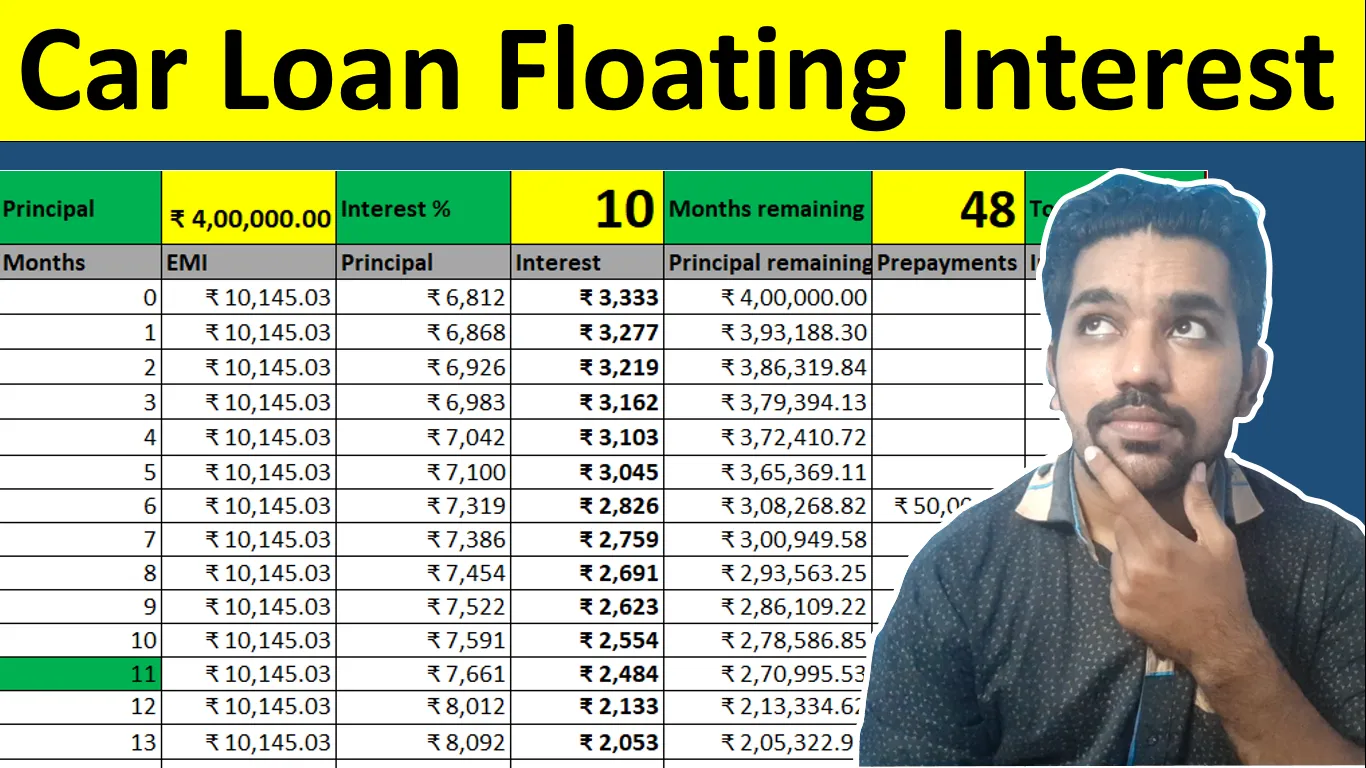
Conversely, a variable-rate loan has an interest rate that can fluctuate over time, usually tied to a benchmark index like the prime rate. As the benchmark rate moves up or down, your interest rate and monthly payment will adjust accordingly. While variable rates might start lower than fixed rates, they introduce an element of risk, as your payments could increase unexpectedly if market rates rise. For car loans, fixed rates are overwhelmingly common and generally recommended for their stability, especially given the typically shorter loan terms compared to mortgages.
The Cumulative Impact of Interest on Total Loan Cost
Many car buyers fixate solely on the monthly payment, often overlooking the cumulative effect of interest over the entire loan term. A lower monthly payment achieved through a longer loan term might seem appealing on the surface, but it almost always results in paying significantly more interest over the life of the loan. For example, a $30,000 loan at 5% APR over 60 months will have a lower total interest cost than the same loan at 5% APR over 72 months, even though the monthly payment for the 72-month loan is lower. Understanding this relationship is crucial: while monthly affordability is important, balancing it with the total cost of interest should be a priority for long-term financial health. Online loan calculators can be invaluable tools for demonstrating these differences and helping you visualize the long-term impact of various loan terms and interest rates.
Key Factors Influencing Your Car Loan Interest Rate
Lenders assess a multitude of factors to determine the risk associated with lending you money for a car. Your personalized interest rate is a direct reflection of this risk assessment. Understanding these key variables empowers you to proactively improve your standing and negotiate more effectively.
Your Credit Score and Comprehensive Credit History
The single most significant determinant of your car loan interest rate is your credit score, specifically your FICO score or a similar credit scoring model used by lenders. A higher credit score (generally 700+) indicates a lower risk to lenders, often qualifying you for the most competitive rates. Conversely, a lower credit score suggests a higher risk, leading to higher interest rates to compensate the lender for that perceived risk. Lenders also review your full credit history, including payment consistency, debt-to-income ratio, length of credit history, types of credit used, and any past bankruptcies or foreclosures. It’s imperative to check your credit score and review your credit report for inaccuracies well before you apply for a car loan. Disputing errors can significantly improve your score and, consequently, your rate.
Loan Term: The Interplay of Duration, Payments, and Interest
The length of your car loan, known as the loan term, directly impacts your interest rate. Shorter loan terms (e.g., 36 or 48 months) generally come with lower interest rates because they represent less risk to the lender. The quicker you repay the principal, the less time there is for adverse events to occur. However, shorter terms result in higher monthly payments. Longer loan terms (e.g., 60, 72, or even 84 months) offer lower monthly payments, making a more expensive car seem affordable, but typically come with higher interest rates due to the increased risk over a prolonged period. The extended duration also means you pay more in total interest over the life of the loan. It’s a delicate balance between monthly affordability and total cost.
Down Payment Amount: Mitigating Lender Risk
A substantial down payment can significantly influence the interest rate you’re offered. When you put more money down, you reduce the amount you need to borrow, which lowers the lender’s risk exposure. Lenders perceive borrowers with larger down payments as more committed and less likely to default, often rewarding them with lower interest rates. A common recommendation is to put down at least 10-20% of the vehicle’s purchase price, especially for new cars, to not only secure a better rate but also to avoid being “upside down” (owing more than the car is worth) early in the loan term.
Vehicle Type, Age, and Perceived Depreciation
The type and age of the vehicle you’re financing also play a role. New cars often qualify for lower interest rates than used cars because new vehicles typically hold their value better initially and are seen as less of a risk. Used cars, especially older models, depreciate faster and can carry higher interest rates due to increased risk of mechanical issues and a lower resale value as collateral. Luxury vehicles or those with a history of rapid depreciation might also be subject to different rate structures.
Market Interest Rates and Economic Conditions
Beyond your personal financial profile, broader economic forces affect car loan interest rates. The Federal Reserve’s monetary policy, specifically its adjustments to the federal funds rate, influences the prime rate, which in turn impacts consumer loan rates, including car loans. When the Fed raises rates to combat inflation, car loan rates tend to rise. Conversely, during periods of economic slowdown, rates might drop to stimulate borrowing and spending. While you can’t control these macroeconomic factors, being aware of the prevailing market conditions can help you determine if the rates you’re being offered are competitive relative to the current economic climate.
Lender Type: Banks, Credit Unions, Captive Finance, and Online Lenders
Different types of lenders have varying lending criteria and rate structures.
- Banks: Offer a wide range of rates, often competitive for borrowers with excellent credit.
- Credit Unions: Member-owned institutions known for often offering slightly lower rates and more flexible terms due to their non-profit status.
- Captive Finance Companies: These are the financing arms of car manufacturers (e.g., Toyota Financial Services, Ford Credit). They often offer promotional low-APR deals (sometimes 0%) for new cars, especially to stimulate sales of specific models, though these are typically reserved for borrowers with top-tier credit.
- Online Lenders: Have emerged as a popular option, offering quick pre-approvals and competitive rates, often with more streamlined application processes.
Exploring multiple lender types is key to uncovering the best possible rate.
Strategies to Secure the Best Car Loan Interest Rate
Armed with knowledge about the factors influencing interest rates, you can proactively adopt strategies to position yourself for the most favorable terms. Diligence and preparation are your greatest allies in this process.
Check Your Credit Score and Report Before You Shop

This is perhaps the most crucial first step. Obtain your credit score and a copy of your credit report from all three major bureaus (Equifax, Experian, TransUnion) well in advance of car shopping. Websites like AnnualCreditReport.com allow you one free report from each bureau annually. Review them meticulously for any errors or inaccuracies that could be dragging your score down. Dispute any discrepancies immediately. Understanding your credit score gives you a realistic expectation of the rates you might qualify for and helps you identify areas for improvement before applying.
Get Pre-Approved by Multiple Lenders
Do not wait until you are at the dealership to think about financing. Get pre-approved by several lenders – your bank, credit union, and online lenders – before stepping onto the lot. Pre-approvals give you a concrete loan offer (including an interest rate and maximum loan amount) that is valid for a specific period. This empowers you with leverage at the dealership, allowing you to compare their financing offer against external offers. It effectively transforms your financing decision from a reactive response to a proactive choice. Most lenders will perform a “soft inquiry” for pre-approval, which doesn’t affect your credit score, or if it’s a “hard inquiry,” applying to multiple lenders within a short window (typically 14-45 days) will count as a single inquiry for credit scoring purposes, minimizing impact.
Negotiate the Car Price and Loan Terms Separately
A common tactic at dealerships is to bundle the car price and financing into one negotiation, often obfuscating the true cost of each. Always negotiate the car’s purchase price first, as an independent transaction. Once you’ve agreed on a price, then discuss financing, armed with your pre-approval offers. This separation prevents the dealer from increasing the loan rate to offset a price reduction, or vice-versa. Focus on securing the lowest possible price for the vehicle, and then ensure you get the lowest possible APR for the financing.
Scrutinize All Loan Terms, Not Just the Interest Rate
While the interest rate is critical, it’s not the only factor. Pay close attention to the APR, which includes all fees. Also, review the loan term, prepayment penalties (though rare for car loans, always check), and any other associated fees or products being bundled, such as extended warranties or GAP insurance, which can significantly inflate the total loan amount and overall cost. Understand precisely what you are signing up for.
Consider Refinancing Options if Your Situation Improves
If you secure a car loan with a higher interest rate, perhaps due to a lower credit score at the time of purchase, don’t despair. As your credit score improves or if market rates decline, you might be able to refinance your car loan for a lower interest rate. Refinancing replaces your existing loan with a new one, potentially saving you a significant amount over the remaining term. This strategy requires reviewing your credit periodically and shopping for new rates from various lenders.
Practical Tools and Resources for Rate Determination
In today’s digital age, a wealth of tools and resources are available to help you determine and manage your car loan interest rate effectively. Leveraging these can streamline your research and decision-making process.
Online Car Loan Calculators: Estimating Your Payments and Costs
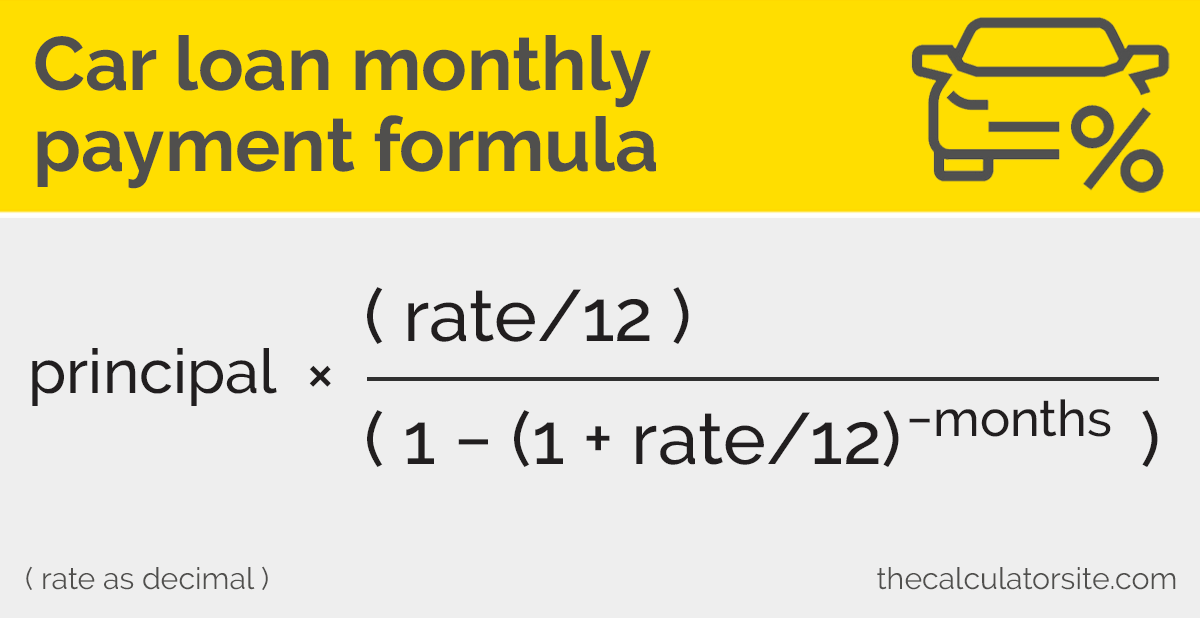
Online car loan calculators are indispensable. They allow you to input various scenarios—loan amount, interest rate, and loan term—to quickly estimate your monthly payments and the total interest paid. These tools are excellent for comparing different loan offers and understanding how adjustments to the interest rate or term impact your budget and overall cost. Many bank websites, credit union sites, and financial advice platforms offer these calculators for free.
Credit Monitoring Services: Staying on Top of Your Credit Health
Enrolling in a reputable credit monitoring service can be highly beneficial. These services typically alert you to changes in your credit report, potential fraud, and provide regular updates on your credit score. By continuously monitoring your credit health, you can quickly identify and rectify issues that might negatively affect your ability to secure favorable interest rates for future loans, including car loans.
Financial Advisors and Consumer Protection Agencies
For complex financial situations or if you simply prefer professional guidance, consulting a reputable financial advisor can provide personalized insights into managing your debt and securing loans. Additionally, consumer protection agencies (like the Consumer Financial Protection Bureau in the U.S.) offer resources and guidance on understanding loan terms and protecting yourself from predatory lending practices.
Common Pitfalls to Avoid in Car Loan Financing
Even with careful planning, certain traps can lead to a less-than-optimal car loan. Being aware of these common pitfalls can help you steer clear of costly mistakes.
Focusing Solely on Monthly Payments and Extending Loan Terms
One of the biggest mistakes consumers make is fixating exclusively on the monthly payment amount. Dealerships often exploit this by offering extended loan terms (e.g., 72 or 84 months) to make the monthly payment seem affordable, even on an expensive car or with a high interest rate. While the monthly payment might fit your budget, the extended term means you pay significantly more in total interest and risk owing more than the car is worth for a longer period. Always consider the total cost of the loan, not just the monthly outlay.
Neglecting to Shop Around for the Best Rates
Convenience can be expensive. Accepting the first financing offer, especially from the dealership, without comparing it to others is a common pitfall. As highlighted earlier, different lenders offer varying rates based on their risk assessment and business models. Taking the time to get multiple pre-approvals ensures you secure the most competitive rate available to you.
Misinterpreting Zero-Percent APR Offers
Zero-percent APR offers can be enticing, but they often come with stringent conditions. Typically, these offers are reserved for buyers with impeccable credit scores, significant down payments, and are sometimes tied to specific models or short loan terms. Furthermore, accepting a 0% APR deal might mean foregoing other potential discounts on the vehicle’s purchase price. Always read the fine print and compare the overall deal (including the car’s price) against an alternative loan with a standard interest rate to determine which is truly more advantageous.
Overlooking Additional Fees and Charges
The advertised interest rate or even the APR doesn’t always tell the whole story. Be diligent in identifying and understanding all additional fees that may be added to the loan, such as documentation fees, registration fees, extended warranty costs, or GAP insurance premiums. While some fees are legitimate, others might be negotiable or unnecessary additions that inflate the total amount you finance and, therefore, the amount of interest you pay.
In conclusion, determining the interest rate on your car loan is a multi-faceted process that requires understanding, preparation, and strategic negotiation. By taking a proactive approach—checking your credit, shopping for pre-approvals, separating price and financing negotiations, and scrutinizing all loan terms—you can significantly impact the financial outcome of your car purchase. A lower interest rate translates directly into substantial savings over the life of the loan, freeing up your money for other financial goals. Empower yourself with knowledge, be diligent in your research, and you’ll drive away not just with a new car, but with a smarter, more financially sound investment.
aViewFromTheCave is a participant in the Amazon Services LLC Associates Program, an affiliate advertising program designed to provide a means for sites to earn advertising fees by advertising and linking to Amazon.com. Amazon, the Amazon logo, AmazonSupply, and the AmazonSupply logo are trademarks of Amazon.com, Inc. or its affiliates. As an Amazon Associate we earn affiliate commissions from qualifying purchases.