
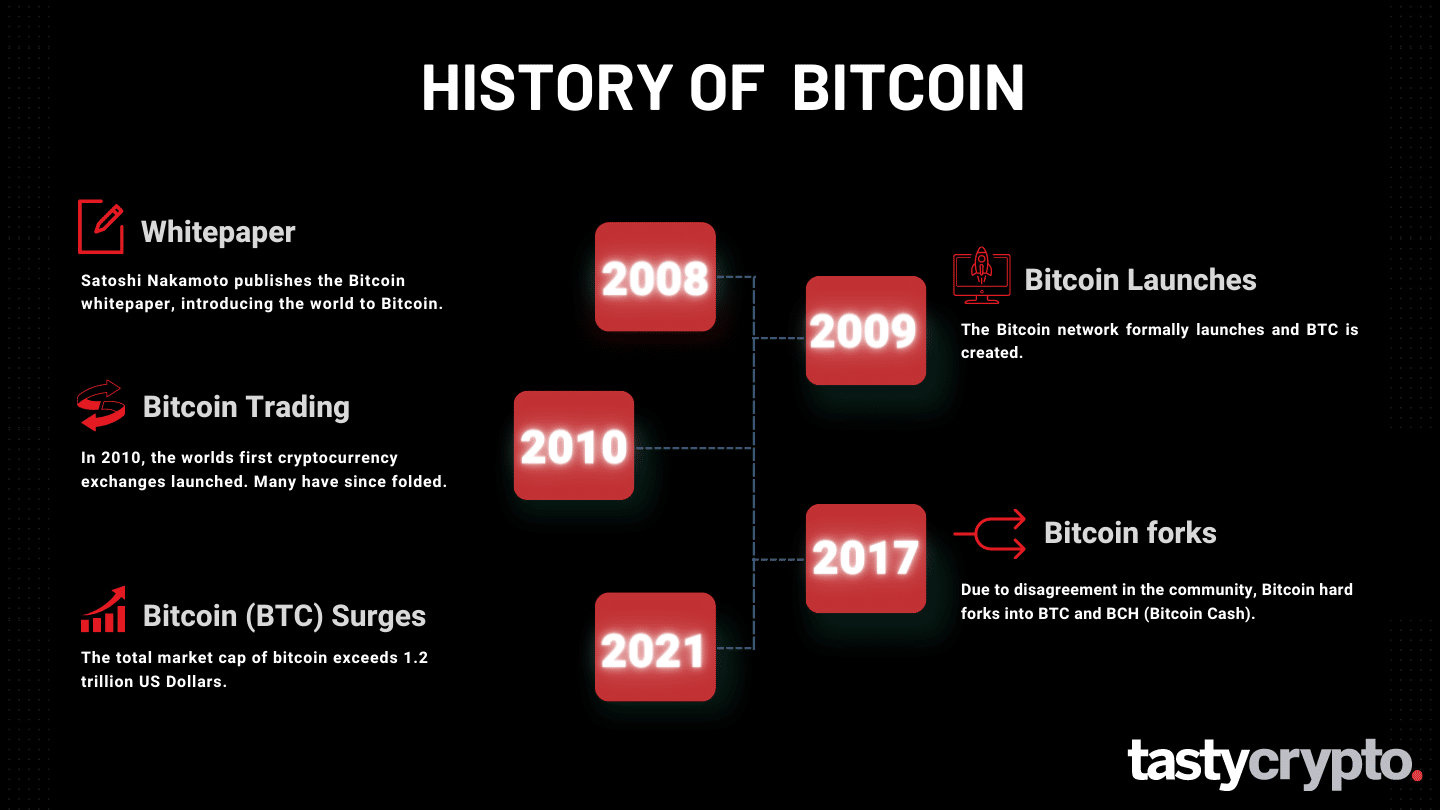
Bitcoin, the world’s first decentralized digital currency, officially began its journey with the publication of its whitepaper and the subsequent launch of its network. The seminal paper, titled “Bitcoin: A Peer-to-Peer Electronic Cash System,” was released on October 31, 2008, under the pseudonym Satoshi Nakamoto. This document laid out the theoretical framework for a new form of digital money, designed to be independent of central banks and traditional financial institutions. The practical application of this vision came shortly thereafter, with the genesis block – the very first block of the Bitcoin blockchain – mined on January 3, 2009. Thus, while the concept was unveiled in late 2008, the functional existence of Bitcoin as a financial system commenced in early 2009, marking a pivotal moment in the history of finance and the birth of a new asset class.
The Dawn of Digital Money: Bitcoin’s 2008-2009 Emergence
The timing of Bitcoin’s emergence was no coincidence; it directly followed the global financial crisis of 2008. This period of widespread economic instability and a deep loss of trust in traditional banking systems provided fertile ground for the revolutionary ideas proposed by Satoshi Nakamoto. The core premise of Bitcoin—a monetary system that bypasses intermediaries, offers transparency through a public ledger, and is secured by cryptography—resonated with those seeking alternatives to a perceived flawed financial architecture.
The Whitepaper and the Vision for Decentralized Finance
Satoshi Nakamoto’s whitepaper presented a bold solution to the “double-spending problem” inherent in digital currencies prior to Bitcoin. By proposing a peer-to-peer network for transactions verified by cryptographic proof instead of trust, Bitcoin offered a mechanism for a digital asset to possess true scarcity and verifiable ownership, akin to physical cash but operable over the internet. This innovation was not merely technological; it was a profound financial statement. It envisioned a world where individuals could control their own wealth without relying on banks, where transactions could be permissionless and irreversible, and where the money supply was programmatically controlled, rather than dictated by governmental policy. For many, this represented a radical new paradigm for personal finance and global economic interaction. The very first block mined contained a hidden message: “The Times 03/Jan/2009 Chancellor on brink of second bailout for banks,” a direct nod to the financial turmoil that underscored Bitcoin’s raison d’être.
The Genesis Block: Bitcoin’s First Financial Transaction
The mining of the genesis block on January 3, 2009, did more than just launch the network; it initiated the programmatic issuance of new Bitcoin. The first 50 Bitcoins were generated, marking the beginning of the cryptocurrency’s fixed supply schedule. This event was, in essence, the first financial transaction within the Bitcoin ecosystem, even though it was simply the system rewarding its creator. This initial issuance established the fundamental economic principle of Bitcoin’s design: a deflationary model with a hard cap on total supply (21 million Bitcoins), contrasting sharply with the inflationary tendencies of fiat currencies. This scarcity was designed to imbue Bitcoin with value, making it a compelling store of value over time, a concept central to its eventual rise as an investment asset.
From Niche Experiment to Nascent Investment: Bitcoin’s Early Financial Footprint
In its earliest days, Bitcoin held virtually no monetary value in conventional terms. It was primarily a curiosity among cryptographers, programmers, and a small cadre of libertarians who appreciated its anti-establishment ethos. Its initial worth was purely theoretical, limited to the cost of electricity used for mining and the intellectual interest it generated. However, this period was crucial for establishing its foundational financial characteristics.
The First Real-World Transactions: Pizza and a Price Discovery
The most famous early transaction occurred on May 22, 2010, when Laszlo Hanyecz, a programmer from Florida, paid 10,000 Bitcoins for two pizzas. At the time, this amounted to approximately $41. Today, that same amount of Bitcoin would be worth hundreds of millions of dollars, a stark illustration of Bitcoin’s explosive appreciation. This event wasn’t just a quirky anecdote; it was a watershed moment that demonstrated Bitcoin’s potential as a medium of exchange. It assigned a tangible, albeit nascent, monetary value to Bitcoin, moving it from a purely academic concept to a functional digital currency. This transaction, celebrated annually as “Bitcoin Pizza Day,” is a powerful reminder of Bitcoin’s humble beginnings and its incredible journey of price discovery.
Early Market Dynamics and the Concept of Scarcity
The initial years saw Bitcoin’s price fluctuate wildly, often driven by the small community’s enthusiasm and limited supply. The concept of scarcity, enshrined in its design, quickly became a defining feature of its market dynamics. As more people became aware of Bitcoin, and as the rate of new Bitcoin issuance (the block reward) periodically halved, its perceived value began to climb. Early adopters, often acquiring Bitcoin through mining or minimal cash outlays, found themselves holding an asset whose value was rapidly appreciating. This period laid the groundwork for Bitcoin’s narrative as “digital gold” – a scarce, censorship-resistant asset with a predetermined supply, making it an attractive investment vehicle against inflationary pressures and economic uncertainty.
Bitcoin’s Maturation into a Global Asset Class
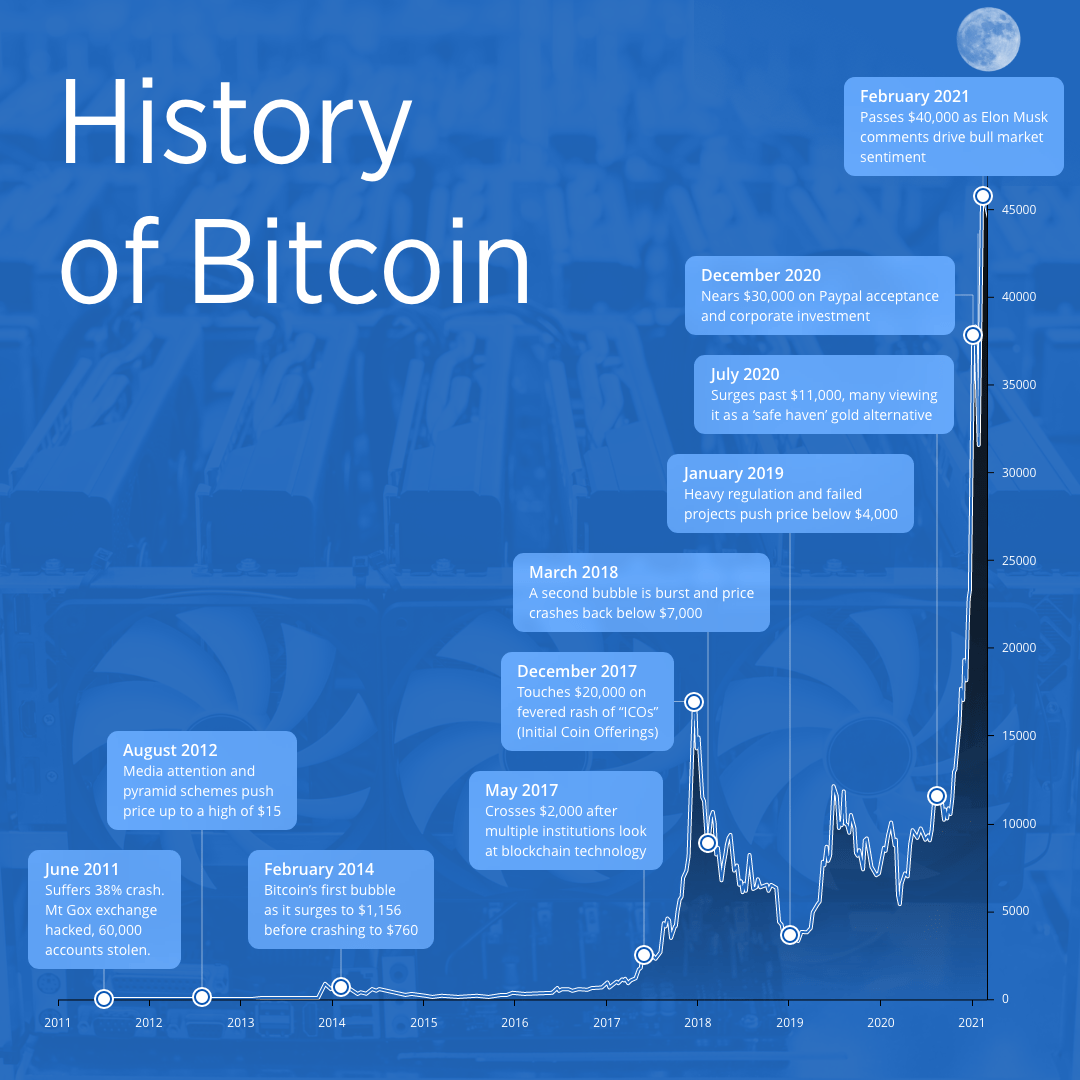
Over the past decade, Bitcoin has transitioned from an obscure digital token to a recognized, albeit volatile, player in global financial markets. Its journey has been marked by periods of intense speculation, dramatic price swings, and growing institutional acceptance.
Volatility and the Investor’s Rollercoaster
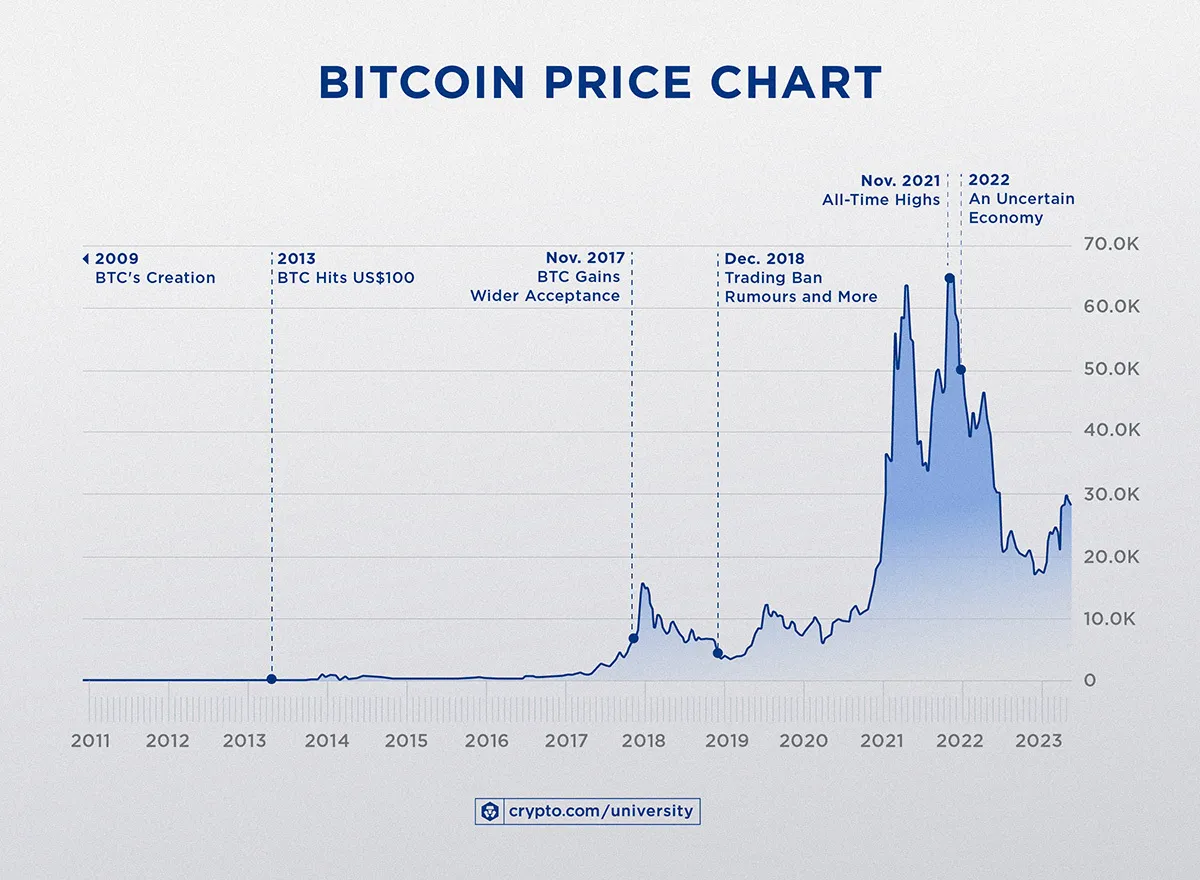
Bitcoin’s price history is characterized by extreme volatility, with multiple boom and bust cycles. Early investors, often holding through 80% or 90% drawdowns, have experienced firsthand the emotional rollercoaster of a nascent asset class. This volatility stems from several factors, including its relatively small market capitalization compared to traditional assets, speculative trading, regulatory uncertainty, and its still-evolving utility. For new investors, understanding and managing this volatility is paramount. Many financial advisors now discuss diversification strategies that might include a small allocation to Bitcoin, acknowledging its high-risk, high-reward profile within a broader portfolio.
Institutional Adoption and Mainstream Financial Integration
A significant turning point for Bitcoin as an investment was the increasing interest from institutional investors and corporations. Publicly traded companies began adding Bitcoin to their balance sheets, recognizing it as a potential hedge against inflation and a treasury reserve asset. Investment vehicles such as Bitcoin exchange-traded funds (ETFs) have emerged in various markets, providing regulated and accessible avenues for traditional investors to gain exposure to Bitcoin without directly holding the asset. These developments signal a move towards mainstream financial integration, transforming Bitcoin from a fringe asset to one increasingly considered within conventional investment frameworks, including pension funds and sovereign wealth funds.
Bitcoin as a Store of Value and Inflation Hedge
A central tenet of Bitcoin’s investment thesis revolves around its role as a “store of value,” often compared to gold. Proponents argue that its decentralized nature, limited supply, and resistance to confiscation make it an ideal hedge against currency debasement and geopolitical instability. In times of high inflation or economic uncertainty, some investors turn to Bitcoin as a safe haven, believing its fixed supply will preserve purchasing power better than fiat currencies. While this theory is still actively debated and tested, Bitcoin’s performance during periods of quantitative easing and monetary expansion has bolstered this narrative, positioning it as a potentially vital component of long-term wealth preservation strategies.
The Broader Financial Impact of Bitcoin and Cryptocurrencies
Beyond its role as a direct investment, Bitcoin’s invention has unleashed a wave of financial innovation, reshaping perceptions of money, banking, and economic systems.
Disrupting Traditional Payment Systems
Bitcoin’s underlying blockchain technology provided the blueprint for decentralized payment systems that bypass traditional banking rails. While Bitcoin itself can be slow and expensive for everyday microtransactions during periods of network congestion, its existence inspired the development of faster, more scalable layer-2 solutions like the Lightning Network, and other cryptocurrencies designed for efficient payments. Furthermore, Bitcoin has highlighted the inefficiencies and high costs associated with international remittances in the traditional banking sector, offering a low-cost, borderless alternative for transferring value globally. This pressure has encouraged traditional financial institutions to explore blockchain-based solutions themselves, driving innovation across the entire payment landscape.
Catalyzing the Decentralized Finance (DeFi) Revolution
Bitcoin’s open-source, permissionless nature laid the philosophical and technical groundwork for the broader decentralized finance (DeFi) movement. While DeFi primarily thrives on other blockchain networks, the fundamental concept of creating a transparent, immutable financial system without intermediaries directly traces its lineage back to Bitcoin. DeFi applications, ranging from lending and borrowing protocols to decentralized exchanges and stablecoins, aim to replicate and improve upon traditional financial services in a trustless environment. This burgeoning ecosystem represents a radical shift, offering financial tools and services accessible to anyone with an internet connection, potentially leveling the playing field for individuals in underserved markets and fostering new forms of online income generation.
Regulatory Horizons and Financial Stability Concerns
As Bitcoin’s financial significance grows, so too does the scrutiny from regulators and governments worldwide. Financial authorities grapple with how to classify, tax, and oversee this novel asset class. Debates rage over consumer protection, anti-money laundering (AML) protocols, and the potential impact of cryptocurrencies on financial stability. The evolving regulatory landscape is a critical factor for investors and businesses engaging with Bitcoin, as clear and consistent frameworks are necessary for broader adoption and sustained growth. The challenge lies in fostering innovation while mitigating risks, ensuring that Bitcoin and the wider crypto economy can integrate responsibly into the existing global financial order. The ongoing dialogue between innovators and regulators will continue to shape Bitcoin’s future as a financial instrument and its enduring legacy in the monetary system.
aViewFromTheCave is a participant in the Amazon Services LLC Associates Program, an affiliate advertising program designed to provide a means for sites to earn advertising fees by advertising and linking to Amazon.com. Amazon, the Amazon logo, AmazonSupply, and the AmazonSupply logo are trademarks of Amazon.com, Inc. or its affiliates. As an Amazon Associate we earn affiliate commissions from qualifying purchases.