
Bitcoin, the pioneering cryptocurrency, has captivated the financial world since its inception. More than just a technological marvel, it represents a profound shift in our understanding of money, scarcity, and value. One of the most fundamental questions for anyone exploring Bitcoin’s economic implications is “how many Bitcoin” exist, how are they created, and how are they distributed? This seemingly simple query unlocks a complex web of economic principles that underpin Bitcoin’s investment thesis and its potential role in global finance.
Unlike traditional fiat currencies, which can be printed or digitally created by central banks in potentially unlimited quantities, Bitcoin operates under a strict, predetermined supply schedule. This inherent scarcity is not merely a feature; it is the very cornerstone of its economic model, designed to protect its value from inflationary pressures and establish it as a store of value. Delving into the details of Bitcoin’s fixed supply, its current distribution, and the factors that influence its effective availability is crucial for understanding its financial significance as an asset class.
The Fixed Supply: Bitcoin’s Economic Foundation
At the heart of Bitcoin’s value proposition lies its unalterable supply cap. This fundamental design choice by its pseudonymous creator, Satoshi Nakamoto, is a direct counterpoint to the inflationary monetary policies prevalent in conventional financial systems. Understanding this fixed supply mechanism is paramount to grasping Bitcoin’s economic philosophy.
The 21 Million Cap: A Cornerstone of Scarcity
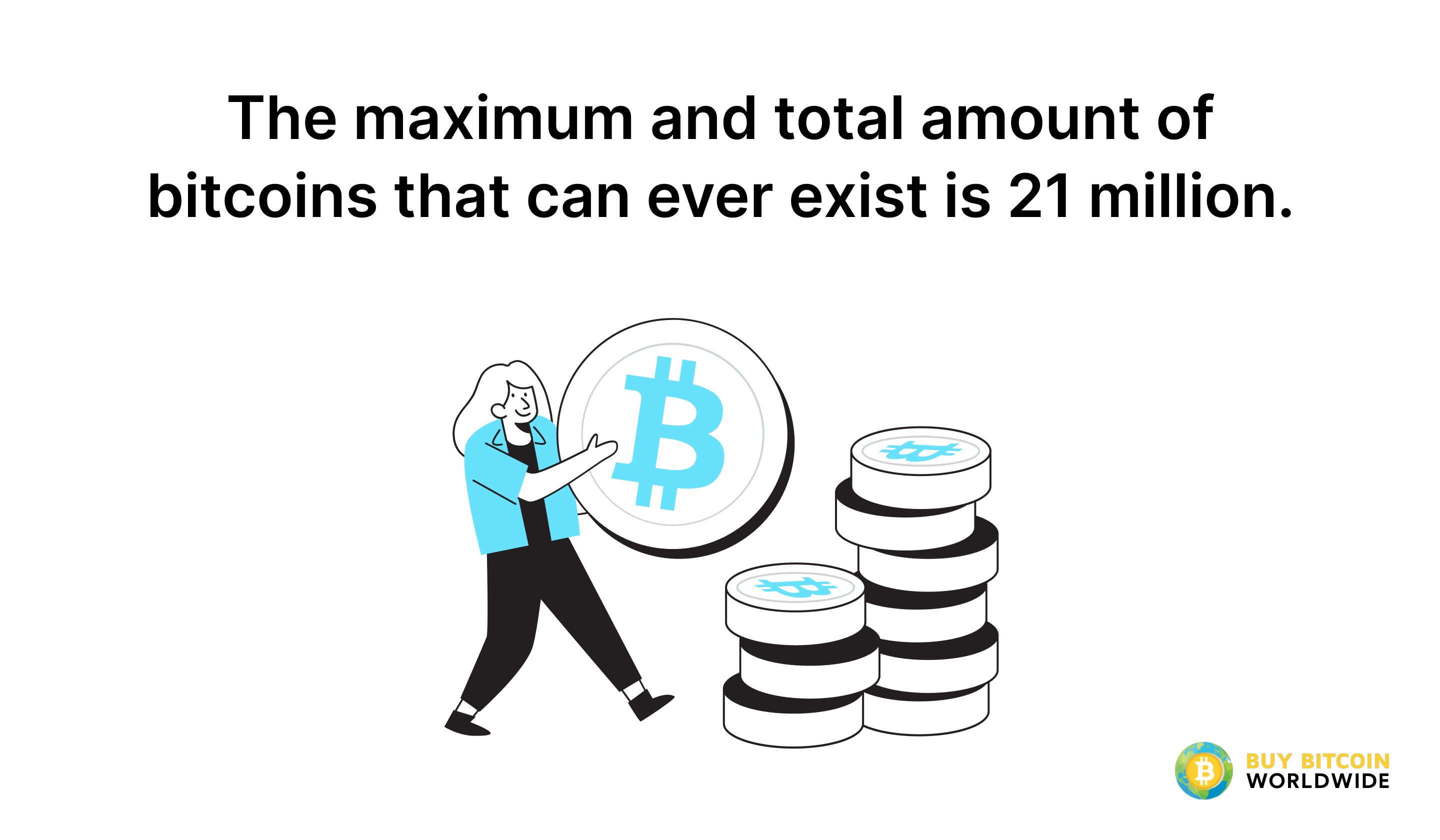
The total number of Bitcoin that will ever exist is capped at a strict 21 million. This hard limit is embedded in Bitcoin’s protocol and cannot be changed without a consensus-altering upgrade that would effectively create a new cryptocurrency, making it a virtually immutable aspect of its design. This fixed supply sets Bitcoin apart from virtually every other form of money or commodity. Gold, for instance, is scarce but its total supply can still increase with new discoveries and improved mining techniques. Fiat currencies, as noted, have no inherent supply limit, making them susceptible to devaluation through quantitative easing and other expansionary policies.
The 21 million cap instills a predictable scarcity, a concept crucial for any asset intended to serve as a reliable store of value. It ensures that, over time, each unit of Bitcoin should theoretically become more valuable relative to goods and services, assuming consistent or increasing demand. This predictable scarcity positions Bitcoin as a potential hedge against inflation, drawing parallels to historical assets like gold, which have served a similar function due to their limited supply. For investors and financial strategists, this mathematical certainty about future supply is a powerful argument for Bitcoin’s long-term financial viability.
Mining and Halving: Controlling the Release Rate
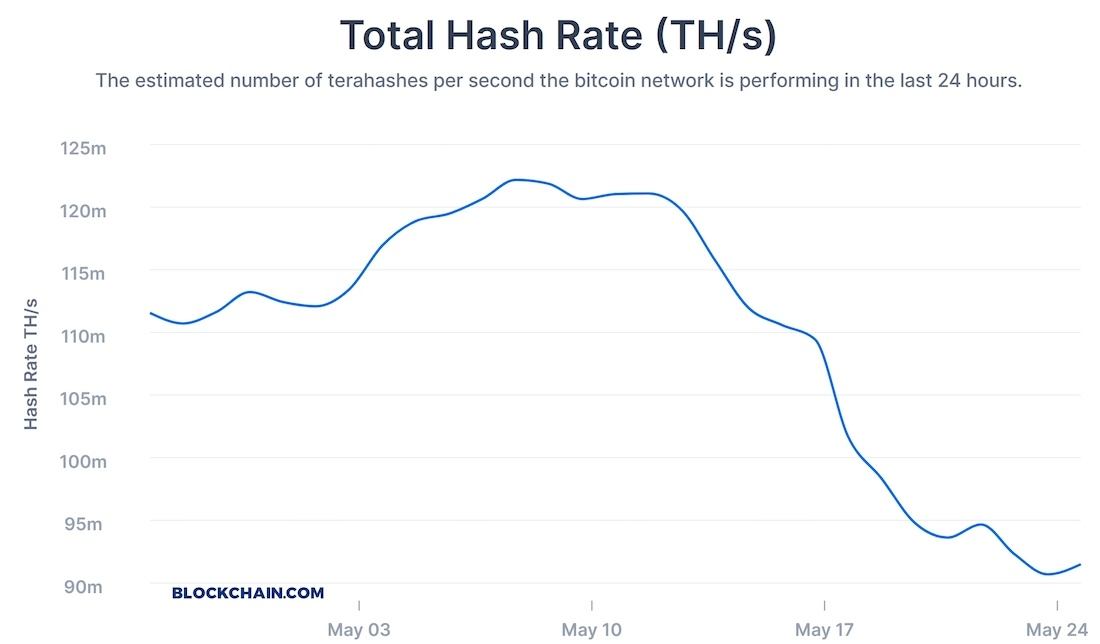
New Bitcoin are introduced into the circulating supply through a process known as “mining.” Bitcoin miners use powerful computers to solve complex computational puzzles, and upon successfully validating a block of transactions, they are rewarded with a set amount of new Bitcoin, along with transaction fees. This mining process not only secures the network but also acts as the controlled issuance mechanism for new coins.
A critical aspect of Bitcoin’s supply schedule is the “halving” event. Approximately every four years, or specifically after every 210,000 blocks are mined, the reward for mining a new block is cut in half. Initially, in 2009, the block reward was 50 Bitcoin. The first halving in 2012 reduced it to 25 BTC, the second in 2016 to 12.5 BTC, and the third in 2020 to 6.25 BTC. The next halving, expected around April 2024, will further reduce the reward to 3.125 BTC. These halving events dramatically decrease the rate at which new Bitcoin enter the market, thereby enhancing its scarcity over time. Historically, halving events have been significant catalysts for price appreciation, as the supply shock meets sustained or growing demand. This programmed disinflationary schedule is a core economic feature, driving Bitcoin’s narrative as an asset that becomes progressively scarcer.
Current Supply and Its Distribution
While the 21 million cap is a theoretical maximum, the actual number of Bitcoin available and how they are held paints a more nuanced picture of its current economic reality. Understanding the distinction between total supply and circulating supply, as well as the patterns of ownership, is vital for assessing market dynamics.
Circulating Supply vs. Total Supply
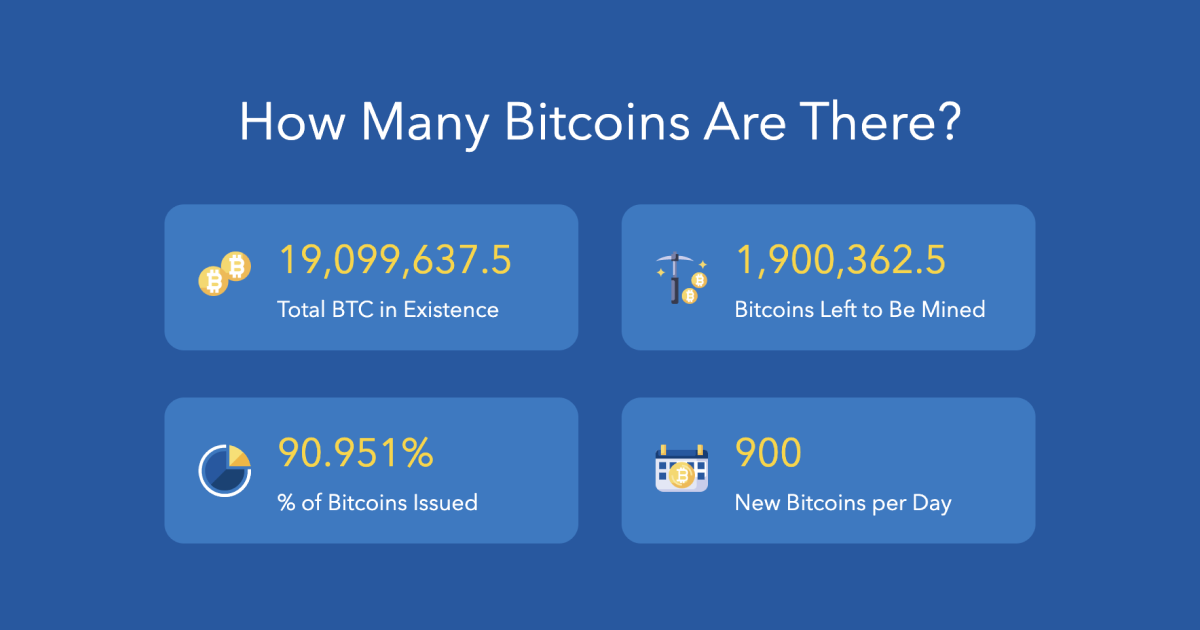
As of early 2024, approximately 19.6 million Bitcoin have been mined and are in circulation, leaving roughly 1.4 million Bitcoin yet to be introduced into the market. It is important to differentiate between the theoretical “total supply” (the 21 million cap) and the “circulating supply” (the amount of Bitcoin that has been mined and is currently available). The vast majority of Bitcoin are already in existence, and the remaining portion will be released at an increasingly slower rate due to the halving mechanism. It is estimated that the last Bitcoin will be mined sometime around the year 2140, at which point the circulating supply will be equal to the total supply, and miners will rely solely on transaction fees for their incentives.
The slow, predictable release of the remaining Bitcoin means that the market is generally aware of future supply issuance. This transparency, combined with the increasing scarcity, influences long-term investment strategies and market expectations. As the circulating supply inches closer to the 21 million maximum, the dynamics of supply and demand will become even more pronounced, potentially leading to increased volatility or more stable price discovery depending on the prevailing market sentiment and adoption rates.
Who Holds the Bitcoin? A Look at Distribution
The distribution of Bitcoin is a subject of ongoing analysis, revealing a complex landscape of holders ranging from individual retail investors to large institutional entities. Early adopters and long-term holders, often referred to as “whales,” control a significant portion of the supply. These large holdings can exert influence on market sentiment, though their ability to manipulate prices is often debated due to the decentralized nature of the asset.
More recently, institutional adoption has become a major factor in Bitcoin’s distribution. Publicly traded companies, such as MicroStrategy and Tesla, have added Bitcoin to their corporate treasuries, signifying a growing acceptance of Bitcoin as a legitimate store of value. The launch of spot Bitcoin Exchange-Traded Funds (ETFs) in the United States has further democratized access, allowing a wider range of institutional and retail investors to gain exposure to Bitcoin without directly holding the underlying asset. These ETFs represent a substantial and growing demand sink, accumulating large amounts of Bitcoin on behalf of their investors. Cryptocurrency exchanges also hold significant amounts of Bitcoin in custody for their users, though these are typically more liquid and subject to frequent trading. The evolving distribution, with increasing institutional participation, suggests a maturation of the asset class and a broader integration into traditional financial systems, which impacts its stability and perceived legitimacy.
Lost and Dormant Bitcoin: The Unrecoverable Supply
Beyond the mined supply, an intriguing and financially significant aspect of Bitcoin’s economics is the portion that is effectively removed from circulation due to loss or prolonged inactivity. This phenomenon further enhances Bitcoin’s scarcity, as the “effective” circulating supply is even lower than the officially mined amount.
The Forever Lost: Early Adopters and Mishaps
A substantial number of Bitcoin are estimated to be permanently lost. This primarily stems from the early days of Bitcoin when its value was negligible, and users often treated it with less care. Scenarios include:
- Lost Private Keys: Users losing access to their digital wallets due to forgotten passwords, corrupted hard drives, or simply misplacing the recovery phrases.
- Accidental Disposal: Bitcoin stored on old computers or hard drives that were subsequently discarded or destroyed.
- Early Experiments: Individuals who acquired Bitcoin in its nascent stages for experimentation and later forgot about them or deemed them worthless.
Estimates vary widely, but it is generally believed that anywhere from 2 to 4 million Bitcoin, and potentially more, have been permanently removed from circulation due to such mishaps. This effectively reduces the actual available supply from the theoretical 21 million cap to something closer to 17-19 million, making Bitcoin even scarcer than its protocol suggests. From a financial perspective, these lost coins act as a continuous deflationary force, as the remaining supply becomes proportionally more valuable relative to demand.
Dormant Wallets: Long-Term Holders and Speculation
In addition to permanently lost coins, there are millions of Bitcoin held in “dormant” wallets, which have shown no outgoing activity for many years. These wallets represent various scenarios:
- Strategic Long-Term Holding: Many early adopters and conviction investors practice a “HODL” (hold on for dear life) strategy, choosing to keep their Bitcoin off exchanges and untouched for extended periods, anticipating significant future appreciation.
- Forgotten but Potentially Recoverable: Some dormant wallets might belong to individuals who have temporarily lost access but could potentially recover their funds in the future.
- Untraceable Origins: A portion might belong to Satoshi Nakamoto’s original mining rewards, which have largely remained untouched since 2009-2010.
The presence of dormant wallets significantly impacts the available supply for trading and investment. While not technically “lost,” their inactivity means they are not participating in the daily market dynamics. The sudden movement of coins from a large, dormant wallet can sometimes create market ripples, as investors speculate on the intentions of the owner. However, the consistent dormancy of a large portion of the supply underscores a strong belief among many holders in Bitcoin’s long-term value, further reinforcing its scarcity narrative and its role as a generational asset.
Bitcoin’s Scarcity as an Investment Thesis
The quantified scarcity of Bitcoin is not just an academic detail; it forms the bedrock of its investment thesis, positioning it uniquely within the financial landscape. Its predictable supply schedule and the effect of lost coins contribute to a compelling narrative for investors seeking alternatives to traditional assets.
Digital Gold: A Hedge Against Inflation
Bitcoin is often referred to as “digital gold” due to its shared characteristics with the precious metal, primarily its limited supply and resistance to inflation. In an era where central banks globally have engaged in extensive quantitative easing, leading to concerns about fiat currency debasement, Bitcoin’s fixed supply offers a tangible hedge. Its supply schedule is transparent, auditable, and immutable, providing certainty that no more than 21 million will ever exist. This certainty makes Bitcoin an attractive asset for those looking to preserve purchasing power over the long term, especially during periods of economic uncertainty or rising inflation. Investors increasingly view Bitcoin as a safe-haven asset, a digital store of value that can act as a counterbalance to traditional financial volatility and sovereign monetary policies.
Supply Shock Dynamics and Price Impact
The interplay between Bitcoin’s finite supply and growing demand creates a powerful dynamic known as a “supply shock.” As global awareness and adoption of Bitcoin increase, driven by factors like institutional investment, regulatory clarity, and technological advancements, the demand for this scarce asset rises. Each halving event reduces the incoming supply of new Bitcoin, effectively tightening the market. When this reduced supply meets consistently increasing demand, the natural economic consequence is upward pressure on price.
Furthermore, the “network effect” plays a crucial role. As more individuals and institutions adopt Bitcoin, its utility and legitimacy grow, further fueling demand. This positive feedback loop, where increasing adoption leads to higher demand, which in turn appreciates the value of a finite asset, creates a compelling case for long-term price appreciation. For investors, understanding these supply-side economics is key to anticipating Bitcoin’s potential trajectory and recognizing its unique position as an asset whose value is fundamentally tied to its quantifiable scarcity and unyielding demand.
The Future of Bitcoin’s Supply and Its Economic Role
As Bitcoin progresses towards its maximum supply, its economic structure and role within the global financial system will continue to evolve, presenting both challenges and opportunities.
Beyond 21 Million: Transaction Fees and Miner Incentives
Once all 21 million Bitcoin have been mined, estimated to be around 2140, the block reward for miners will cease. At that point, the primary incentive for miners to secure the Bitcoin network will shift entirely to transaction fees. This transition is a critical aspect of Bitcoin’s long-term sustainability. For the network to remain robust and secure, transaction fees must be sufficient to incentivize miners to continue their work. This future reliance on fees implies that the demand for Bitcoin transactions must remain high, or the value of each Bitcoin must be significant enough for even small transaction fees to constitute a meaningful reward. This mechanism ensures that the network remains decentralized and resistant to attacks, even without the issuance of new coins.
The Long-Term Vision: Bitcoin as a Global Reserve Asset?
Looking further into the future, many proponents envision Bitcoin eventually serving as a global reserve asset, similar to how gold has historically functioned or how the U.S. dollar currently serves in many respects. Its properties—decentralization, censorship resistance, immutability, and above all, predictable scarcity—make it a strong candidate for such a role. If nations or major corporations begin to hold significant amounts of Bitcoin as part of their reserves, its stability and importance in the global financial system would dramatically increase.
However, this vision also faces significant challenges, including regulatory hurdles, scalability issues (though layer-2 solutions like the Lightning Network are addressing this), and overcoming inertia within traditional financial institutions. Despite these challenges, the economic principles embedded in Bitcoin’s finite supply continue to fuel speculation about its potential to reshape the global financial order, offering a truly sovereign and inflation-resistant form of money.
Conclusion
The question “how many Bitcoin” delves far deeper than a mere numerical tally. It leads to an exploration of foundational economic principles, revealing why Bitcoin is often lauded as a revolutionary asset. Its strict 21 million supply cap, meticulously controlled release through halving events, and the significant portion of coins lost or held dormant collectively create an unprecedented level of scarcity in the digital age.
This predictable and unalterable scarcity is the primary driver behind Bitcoin’s appeal as “digital gold”—a hedge against inflation and a long-term store of value. As the world grapples with monetary instability and the continuous expansion of fiat currencies, Bitcoin offers a stark alternative rooted in mathematical certainty. Its current distribution, increasingly influenced by institutional adoption, and its future transition to a fee-driven mining model, highlight its evolving role within the global financial ecosystem. Understanding the dynamics of Bitcoin’s supply is not just about comprehending a cryptocurrency; it’s about recognizing a potentially paradigm-shifting asset that challenges conventional notions of money and value in the 21st century.
aViewFromTheCave is a participant in the Amazon Services LLC Associates Program, an affiliate advertising program designed to provide a means for sites to earn advertising fees by advertising and linking to Amazon.com. Amazon, the Amazon logo, AmazonSupply, and the AmazonSupply logo are trademarks of Amazon.com, Inc. or its affiliates. As an Amazon Associate we earn affiliate commissions from qualifying purchases.