
The question “what’s the price of bitcoin” might seem straightforward, but its answer is profoundly dynamic, reflecting a complex interplay of global economic forces, technological innovation, and human psychology. Bitcoin’s price isn’t just a number on a screen; it’s a real-time barometer of market sentiment, a speculative asset, and for many, a hedge against traditional financial instabilities. Understanding its valuation requires delving into the intricate mechanisms that govern its market, its role as an investment, and its broader economic implications.
Understanding Bitcoin’s Valuation Drivers
Bitcoin’s price is not arbitrarily set but emerges from a continuous tug-of-war between various fundamental and psychological factors. These drivers range from its inherent scarcity to macroeconomic trends and the evolving regulatory landscape.

Supply and Demand Dynamics
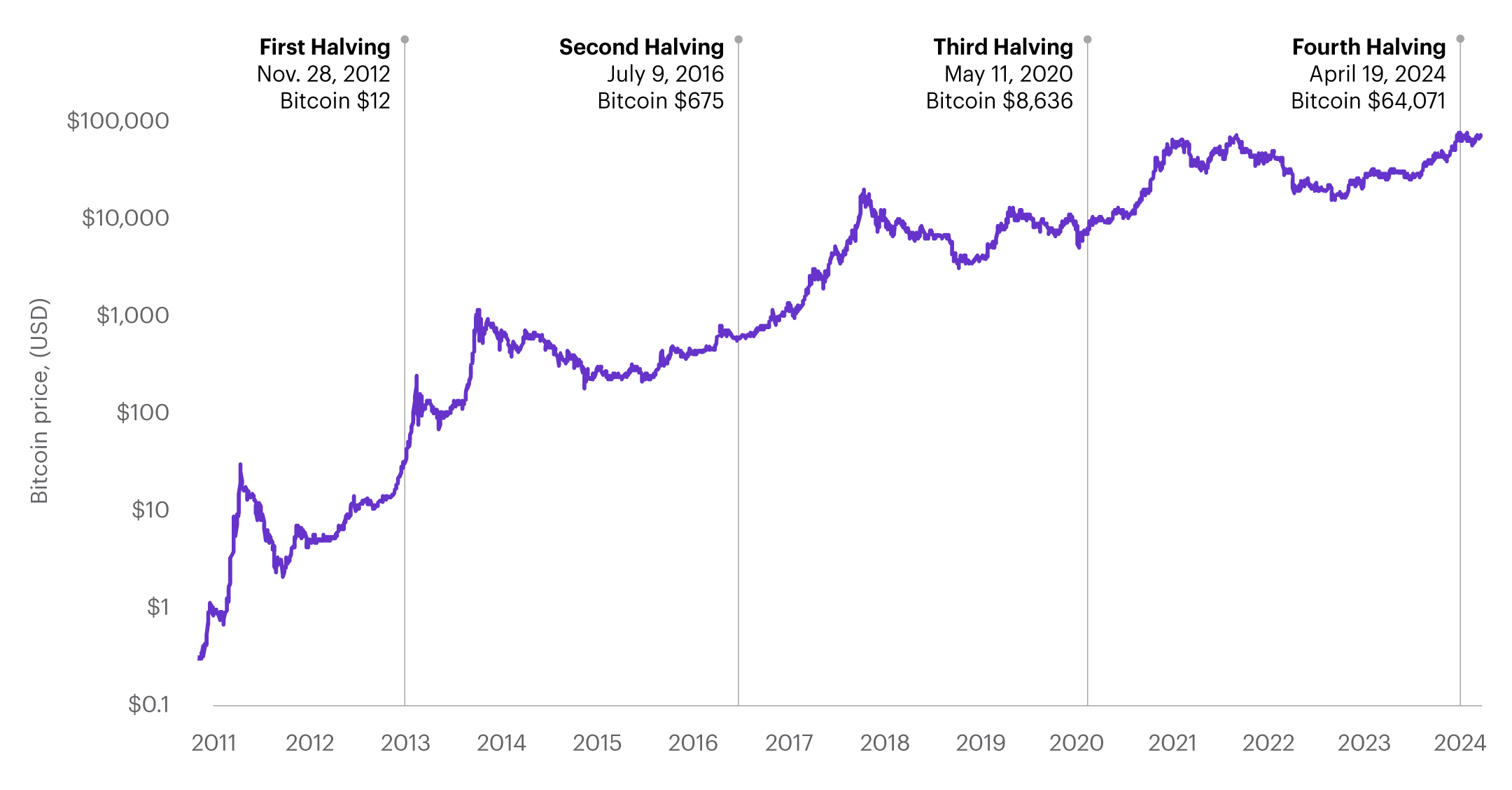
At its core, Bitcoin’s valuation adheres to the fundamental economic principle of supply and demand. However, unlike traditional currencies or commodities, Bitcoin has a fixed and verifiable supply cap of 21 million coins. This scarcity is a foundational element of its value proposition. New bitcoins are introduced into circulation through a process called mining, but the rate at which they are created is programmatically halved approximately every four years, an event known as the “halving.” Each halving dramatically reduces the supply of new bitcoins, historically preceding periods of significant price appreciation as demand outstrips the shrinking new supply.
Demand, conversely, is influenced by a diverse array of participants. Retail investors, drawn by potential gains or a belief in its revolutionary technology, constitute a significant portion. Increasingly, institutional investors—hedge funds, asset managers, and even publicly traded corporations—have entered the market, recognizing Bitcoin as a legitimate asset class. This institutional influx, often through vehicles like Bitcoin ETFs, provides more regulated access, further boosting demand and bringing significant capital into the ecosystem. Global economic uncertainty, inflation fears, and a search for uncorrelated assets also drive demand, positioning Bitcoin as a potential “digital gold” alternative.
Macroeconomic Factors
Bitcoin’s price is highly susceptible to broader macroeconomic shifts, often moving in correlation or inverse correlation to traditional financial markets. When central banks implement quantitative easing policies, injecting liquidity into economies and potentially devaluing fiat currencies, Bitcoin can be perceived as an inflation hedge. Investors might allocate capital to Bitcoin to preserve purchasing power, especially in regions experiencing high inflation.
Conversely, periods of rising interest rates or a strengthening US dollar can put downward pressure on Bitcoin, as investors may prefer less risky, interest-bearing assets or find their purchasing power in traditional markets improved. Global events, such as geopolitical tensions or pandemics, can also trigger flight-to-safety impulses, sometimes benefiting Bitcoin if it’s seen as a safe haven, or causing a sell-off if investors liquidate riskier assets for cash. The overall health of the global economy, liquidity conditions, and investor risk appetite are therefore critical considerations when analyzing Bitcoin’s price.
Regulatory Landscape
Governmental attitudes and regulatory frameworks are increasingly potent drivers of Bitcoin’s price. Clear and favorable regulations, such as the approval of spot Bitcoin Exchange Traded Funds (ETFs) in major financial markets, can legitimize Bitcoin as an asset class, attract institutional capital, and provide greater clarity for investors. Such approvals signal acceptance and reduce perceived risks, often leading to price surges.
Conversely, outright bans, severe restrictions on cryptocurrency trading, or stringent taxation policies in key jurisdictions can trigger significant price drops. Regulatory uncertainty, frequent changes in policy, or a lack of clear guidelines can also deter investment, leading to stagnation or volatility. As governments worldwide grapple with how to categorize and oversee digital assets, their decisions have a profound and immediate impact on market sentiment and Bitcoin’s perceived value.
Technological Developments and Network Activity
While Bitcoin’s core protocol is remarkably stable, ongoing technological developments and network health also contribute to its price narrative. Upgrades like Taproot, which enhanced privacy and scripting capabilities, improve the network’s functionality and scalability, potentially increasing its utility and long-term value. Metrics such as the number of active addresses, daily transaction volume, and the hash rate (a measure of network security) can serve as indicators of network health and adoption. A robust, secure, and actively used network tends to foster greater investor confidence, which can positively influence price. Conversely, security breaches on exchanges, significant network congestion, or prolonged periods of low activity could erode confidence, creating downward price pressure.
How to Monitor Bitcoin’s Price in Real-Time
For both casual observers and serious investors, accessing accurate and up-to-date Bitcoin price information is crucial. The decentralized nature of cryptocurrencies means there isn’t a single official price, but rather an aggregate derived from numerous trading venues.
Cryptocurrency Exchanges
The most direct way to observe Bitcoin’s price is through cryptocurrency exchanges. Platforms like Binance, Coinbase, Kraken, and Gemini offer real-time trading data, including the current price, trading volume, order books, and historical charts. Each exchange operates with its own liquidity pool and order book, meaning there can be slight variations in price across different platforms at any given moment. Investors often focus on major exchanges due to their high liquidity, which minimizes price slippage during large trades. These platforms typically offer various trading pairs (e.g., BTC/USD, BTC/EUR, BTC/USDT), allowing users to track Bitcoin’s value against different fiat currencies or stablecoins.
Price Tracking Websites and Apps
Beyond individual exchanges, numerous dedicated websites and mobile applications aggregate price data from multiple sources, providing a comprehensive overview of the market. Websites like CoinMarketCap, CoinGecko, and TradingView are popular choices, offering extensive data including Bitcoin’s current price, market capitalization, 24-hour trading volume, historical charts, and other relevant metrics. These platforms often allow users to set price alerts, monitor their portfolios, and compare Bitcoin’s performance against thousands of other cryptocurrencies. Similarly, mobile apps offer convenient access to this data on the go, providing widgets and push notifications for critical price movements.
Financial News Outlets
Reputable financial news outlets have increasingly expanded their coverage of cryptocurrencies, offering real-time price feeds, market analysis, and breaking news that can impact Bitcoin’s value. Major publications like Reuters, Bloomberg, The Wall Street Journal, and CNBC often feature dedicated sections for digital assets, providing insights into market trends, regulatory developments, and expert opinions. While not primary data sources like exchanges, these outlets contextualize price movements with journalistic integrity, helping investors understand the “why” behind market shifts.
Integrating into Personal Financial Tools
As Bitcoin gains mainstream acceptance, some personal finance management tools and investment platforms have begun to integrate cryptocurrency tracking capabilities. Users can sometimes link their exchange accounts or manually add their Bitcoin holdings to their portfolio trackers, allowing them to monitor their overall financial position, including both traditional and digital assets, in one consolidated view. This integration helps individuals incorporate Bitcoin into their broader financial planning, tracking its performance alongside stocks, bonds, and other investments.
Bitcoin as an Investment Asset: Considerations for Investors
Investing in Bitcoin requires a nuanced understanding of its unique characteristics, particularly its notorious volatility and the specific strategies employed to navigate its market.
Volatility and Risk Management
Bitcoin is renowned for its significant price volatility, with double-digit percentage swings in a single day not uncommon. This high volatility presents both opportunities for substantial gains and risks of considerable losses. Therefore, sound risk management is paramount. Investors are generally advised to allocate only a small portion of their portfolio to Bitcoin—capital they can afford to lose. Diversification across various asset classes remains a cornerstone of prudent investment strategy, even for those bullish on Bitcoin. Understanding one’s personal risk tolerance before entering the market is crucial, as emotional decision-making often leads to poor outcomes during periods of intense price fluctuation.
Long-Term vs. Short-Term Strategies
Investors approach Bitcoin with varying time horizons.
HODLing (Hold On for Dear Life) is a popular long-term strategy, where investors buy Bitcoin and hold it for years, believing in its long-term appreciation despite short-term fluctuations. This strategy often involves ignoring daily price movements and focusing on Bitcoin’s fundamental value proposition.
Dollar-Cost Averaging (DCA) is another long-term approach, involving investing a fixed amount of money at regular intervals (e.g., weekly or monthly) regardless of Bitcoin’s price. This strategy helps mitigate the impact of volatility by averaging out the purchase price over time and reduces the risk of trying to “time the market.”
Swing trading and day trading are short-term strategies that attempt to profit from Bitcoin’s volatility by buying low and selling high over shorter periods. These strategies require significant market knowledge, technical analysis skills, and active management, making them riskier and generally more suitable for experienced traders.
Custody and Security
A critical aspect of Bitcoin investment is deciding how to secure your holdings.
Self-custody involves holding your private keys, typically using hardware wallets (physical devices designed to secure cryptocurrencies offline) or software wallets (applications on your computer or smartphone). This approach gives you full control over your assets but also full responsibility for their security, as lost keys mean lost Bitcoin.
Exchange custody means leaving your Bitcoin on a cryptocurrency exchange. This is convenient for trading but carries counterparty risk; if the exchange is hacked, goes bankrupt, or experiences issues, your funds could be at risk. Most investors with significant holdings opt for self-custody for enhanced security, while using exchanges primarily for active trading.
Tax Implications
The tax treatment of Bitcoin varies significantly by jurisdiction, but it’s an increasingly important consideration for investors. In many countries, Bitcoin is treated as property for tax purposes, meaning capital gains taxes apply when it’s sold for a profit. Other activities, such as earning Bitcoin through mining, staking, or as payment for goods/services, may be considered taxable income. It is essential for investors to understand the specific tax regulations in their country of residence, maintain meticulous records of their transactions, and consult with a tax professional to ensure compliance. Failure to report cryptocurrency gains can lead to significant penalties.
The Broader Economic Impact of Bitcoin’s Price Movements
Bitcoin’s price does not exist in a vacuum; its fluctuations send ripples throughout the nascent crypto economy and increasingly influence discussions in traditional finance.
Impact on the Crypto Ecosystem
Bitcoin often acts as the bellwether for the broader cryptocurrency market. When Bitcoin’s price rises, it typically pulls the prices of many “altcoins” (alternative cryptocurrencies) with it, demonstrating a significant correlation. Conversely, a Bitcoin downturn can trigger a widespread sell-off across the crypto ecosystem. This correlation highlights Bitcoin’s foundational role and market dominance. Its stability (or lack thereof) also affects the utility and trust in decentralized finance (DeFi) protocols, many of which rely on crypto collateral whose value is often tied to Bitcoin’s performance. The growth and stability of stablecoins, which are pegged to fiat currencies but often facilitate Bitcoin trading, are also indirectly influenced by overall market sentiment driven by Bitcoin.
Institutional Adoption and Corporate Balance Sheets
The volatility and growth of Bitcoin’s price have prompted a growing number of institutions and corporations to consider or actively incorporate it into their financial strategies. Companies like MicroStrategy and Tesla have famously allocated portions of their corporate treasuries to Bitcoin, viewing it as a store of value and a potential hedge against inflation rather than holding excess cash. These moves signal increasing institutional acceptance and can significantly impact corporate finance decisions, influencing how companies manage their balance sheets and assess risk. The entry of major financial institutions offering Bitcoin-related products, such as futures, options, and ETFs, further integrates Bitcoin into traditional financial infrastructure, solidifying its place as a recognized, albeit volatile, asset.
Emerging Markets and Remittances
In emerging markets, particularly those experiencing high inflation, currency devaluations, or stringent capital controls, Bitcoin can serve as a lifeline. Its decentralized nature and global accessibility allow individuals to bypass traditional banking systems, preserving wealth and facilitating cross-border payments (remittances) at potentially lower costs and higher speeds than conventional methods. When Bitcoin’s price is stable or appreciating, it offers a more attractive alternative for savings and transfers in these regions, providing financial freedom and resilience against local economic instability. The utility of Bitcoin in these contexts often drives grassroots adoption, which in turn contributes to its overall demand and price.

Future of Finance Discussions
Bitcoin’s existence and its market performance have irrevocably shaped global discussions about the future of finance. It has spurred innovation in blockchain technology, inspired the creation of thousands of other digital assets, and pressured central banks worldwide to explore and develop their own central bank digital currencies (CBDCs). Bitcoin’s price movements are watched not just by investors but by policymakers, economists, and technologists, as they offer insights into market appetite for decentralized assets, the potential for monetary alternatives, and the evolving role of digital technology in the global financial system. Its journey continues to challenge traditional notions of money, value, and financial sovereignty.
aViewFromTheCave is a participant in the Amazon Services LLC Associates Program, an affiliate advertising program designed to provide a means for sites to earn advertising fees by advertising and linking to Amazon.com. Amazon, the Amazon logo, AmazonSupply, and the AmazonSupply logo are trademarks of Amazon.com, Inc. or its affiliates. As an Amazon Associate we earn affiliate commissions from qualifying purchases.