
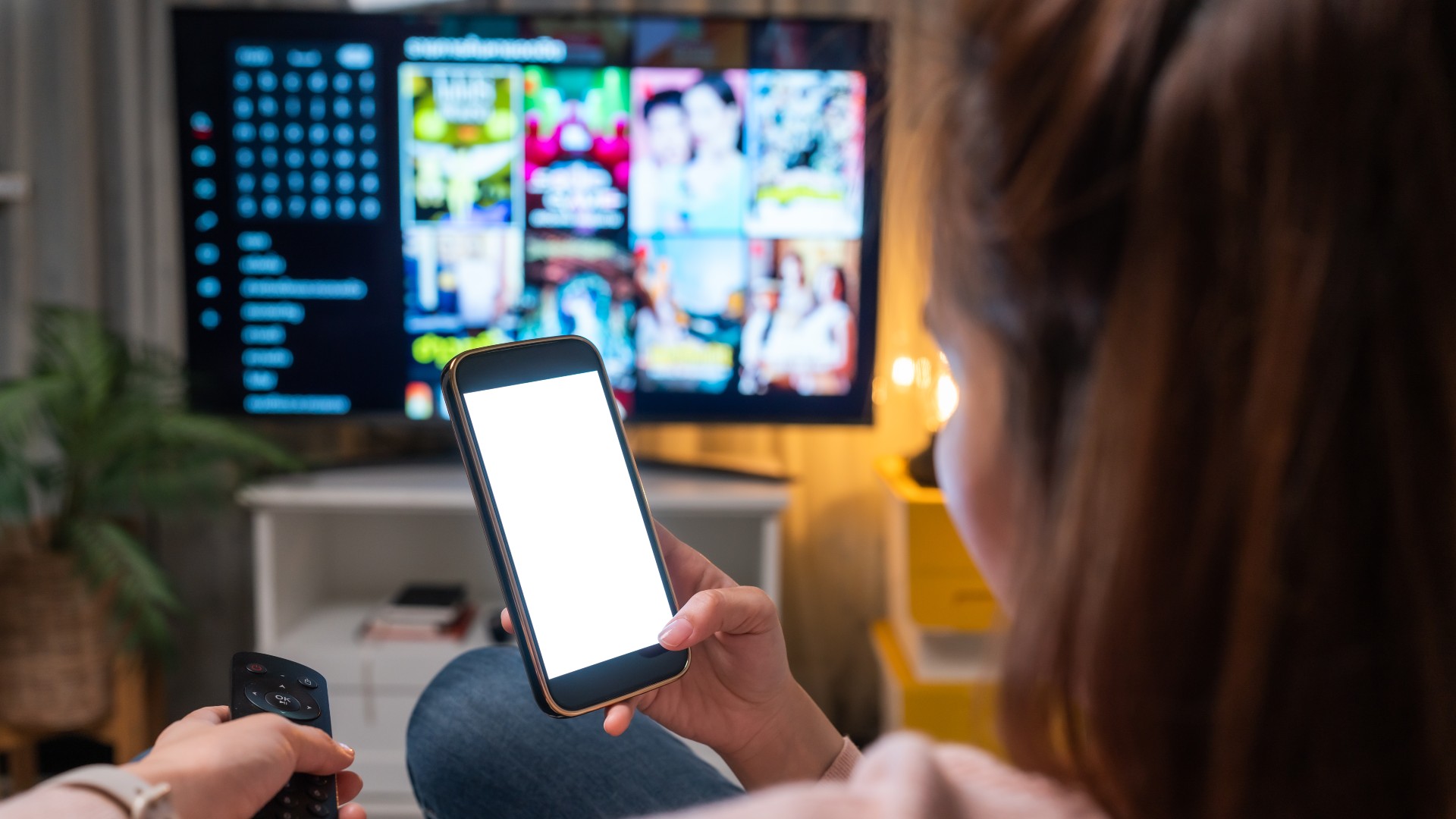
In an era defined by pervasive digital connectivity and an insatiable appetite for on-demand entertainment, the smartphone has transcended its original purpose as a communication device. It has evolved into a pocket-sized personal entertainment hub, capable of delivering a vast universe of television content directly into the palm of your hand. The ability to watch TV on your phone offers unparalleled flexibility, allowing users to consume their favorite shows, movies, live sports, and news broadcasts anytime, anywhere. This comprehensive guide delves into the technological landscape that facilitates this convenience, exploring the tools, techniques, and considerations necessary to optimize your mobile TV experience.
The Evolving Landscape of Mobile TV Consumption
The journey of television viewing has undergone a profound transformation over the past two decades. What was once an activity confined to the living room and dictated by broadcast schedules has fractured into a highly personalized, ubiquitous experience. Smartphones have been central to this revolution, democratizing access to content and reshaping viewing habits globally.
The Shift from Traditional Broadcasting to Streaming
For generations, television was synonymous with linear broadcasting—a rigid schedule of programs delivered via antenna, cable, or satellite. The advent of the internet, coupled with significant advancements in data compression and streaming technologies, paved the way for an entirely new paradigm. Streaming services disrupted the traditional model, offering on-demand access to extensive libraries of content and eventually live TV feeds over IP networks. This shift enabled viewers to curate their own viewing schedules, a flexibility perfectly complemented by the portability of smartphones.
The Rise of Mobile-First Entertainment
As smartphone capabilities expanded, so did their role in entertainment. High-resolution displays, powerful processors, and improved battery life transformed phones from mere companions to primary content consumption devices. Content creators and distributors recognized this trend, leading to the development of mobile-optimized apps and interfaces. This evolution has made “mobile-first” not just a design philosophy but a core strategy for reaching modern audiences, especially younger demographics who often use their phones as their primary screen.
Advantages of Watching TV on Your Phone
The appeal of watching TV on a phone is multifaceted. Foremost is convenience; your entire entertainment library is literally at your fingertips, whether you’re commuting, traveling, or simply relaxing in another room. It offers a personalized viewing experience, allowing individuals to watch different content simultaneously within the same household without contention for a single screen. Furthermore, many streaming apps include features like offline downloads, enabling entertainment consumption even without an internet connection, a critical advantage for users on the go or in areas with limited connectivity.
Essential Tools and Technologies for Mobile TV
To unlock the full potential of mobile TV, understanding the underlying technologies and the various platforms available is crucial. The ecosystem is rich with options, catering to diverse preferences and budgets.
Streaming Apps: The Gateway to Content
At the heart of mobile TV are the streaming applications. These software platforms serve as the interface between you and a vast ocean of digital content. They can broadly be categorized by their business models and content offerings:
Subscription-Based Services (SVOD)
These are the household names that pioneered the streaming revolution. Platforms like Netflix, Hulu, Disney+, Max, Apple TV+, and Prime Video offer extensive libraries of movies, TV shows (originals and licensed), and documentaries for a recurring monthly or annual fee. They often provide multiple subscription tiers based on video quality, simultaneous streams, and ad presence. These apps are generally highly optimized for mobile viewing, offering intuitive interfaces, recommendation engines, and download capabilities.
Live TV Streaming Services (vMVPDs)
For those who crave the real-time experience of traditional television, including live news, sports, and scheduled programming, Sling TV, YouTube TV, FuboTV, and DirecTV Stream offer compelling alternatives. These services bundle channels much like traditional cable or satellite providers but deliver them over the internet. They typically include DVR functionalities, allowing users to record live broadcasts and watch them later, further enhancing mobile flexibility.
Free and Ad-Supported Streaming TV (FAST) Apps
A growing segment, FAST services like Pluto TV, Tubi, Freevee, and The Roku Channel, provide a wealth of content at no direct cost to the user. Their revenue model relies on advertising, which is interspersed within the programming, similar to traditional broadcast TV. These platforms are an excellent option for casual viewing or exploring new content without committing to a subscription, often featuring a mix of older TV shows, movies, and sometimes live “channels” curated around specific genres.
Device Compatibility and Requirements
While most modern smartphones are capable of streaming video, certain specifications can significantly impact the viewing experience.
Operating Systems (iOS, Android)
The vast majority of streaming apps are available on both Apple’s iOS (for iPhones) and Google’s Android operating systems. Compatibility is generally excellent, with app developers ensuring their applications function smoothly across a wide range of devices. Regular OS updates are important for security and performance, often enabling new features and improving app stability.
Hardware Considerations
- Screen Size and Resolution: Larger screens (6 inches and above) naturally offer a more immersive viewing experience, but even compact phones can deliver high-quality video. High-resolution displays (Full HD, Quad HD, or OLED) provide sharper images and vibrant colors, crucial for cinematic content.
- Processor and RAM: A robust processor and sufficient RAM ensure smooth playback, quick app loading, and seamless navigation, preventing buffering or stuttering, especially with high-definition content.
- Battery Life: Streaming video is battery-intensive. Phones with larger battery capacities are preferable for extended viewing sessions without needing frequent recharges. Fast charging capabilities are also a practical feature for mobile entertainment enthusiasts.
Network Connectivity: Wi-Fi vs. Cellular Data
A stable and fast internet connection is paramount for a high-quality streaming experience. The choice between Wi-Fi and cellular data involves trade-offs in terms of speed, cost, and availability.
Optimizing for Quality and Data Usage
Wi-Fi is generally the preferred choice. It offers faster speeds, lower latency, and is typically unlimited, allowing for streaming at the highest available quality without worrying about data caps. When using Wi-Fi, ensure your network is robust enough to handle streaming, especially if multiple devices are connected.
Cellular Data (4G LTE/5G) provides the ultimate in portability. However, data caps and potential throttling can be significant considerations. Most streaming apps allow users to adjust video quality settings (e.g., standard definition, high definition) to conserve data. For critical viewing, enabling 5G where available can dramatically improve streaming performance with its higher speeds and lower latency. Monitoring data usage through your phone’s settings or your carrier’s app is advisable to avoid overages.
Offline Viewing Capabilities
Many subscription-based services offer the option to download content (movies, TV episodes) directly to your device. This feature is invaluable for travel or situations where internet access is unreliable or unavailable. Downloading content over Wi-Fi beforehand allows for uninterrupted, high-quality viewing without consuming cellular data.

Optimizing Your Mobile TV Experience
Beyond simply having the right apps and a connection, several strategies can enhance the overall enjoyment and comfort of watching TV on your phone.
Enhancing Visual and Audio Quality
Even on a small screen, quality matters.
- Display Settings and Resolution: Ensure your phone’s display settings are optimized. Maximize brightness (especially in well-lit environments), and enable any “vivid” or “cinema” modes if your phone offers them to boost color saturation and contrast. Within streaming apps, select the highest available resolution settings that your network can comfortably handle.
- Headphones and External Speakers: While phone speakers are adequate, a good pair of headphones (wired or wireless) can dramatically improve the audio experience, providing clearer dialogue, richer soundscapes, and better immersion, especially in noisy environments. For a more communal experience, connecting to a portable Bluetooth speaker can elevate the sound quality.
Managing Data Consumption
Being mindful of data usage is crucial when relying on cellular data.
- Setting Streaming Quality Preferences: Most streaming apps have settings to adjust video quality. Opt for “standard definition” or “data saver” modes when on cellular data, and switch to “high definition” or “best quality” when on Wi-Fi.
- Utilizing Wi-Fi Whenever Possible: Make it a habit to connect to trusted Wi-Fi networks whenever available. This not only saves cellular data but often provides a more consistent and higher-quality stream.
Ergonomics and Comfort
Extended viewing sessions can lead to discomfort without proper setup.
- Phone Stands and Holders: A simple phone stand can alleviate the need to constantly hold your device, reducing arm fatigue and allowing for more comfortable viewing angles. There are various types, from kickstands built into cases to adjustable desktop holders.
- Minimizing Eye Strain: Take regular breaks, adjust screen brightness to match your surroundings, and consider enabling your phone’s “night light” or “blue light filter” feature, especially for evening viewing, to reduce eye strain.
Beyond Standard Streaming: Advanced Mobile TV Features
The capabilities of mobile TV extend beyond simple playback, integrating with other technologies and offering interactive experiences.
Casting and Mirroring to Larger Screens
Sometimes, a phone screen just isn’t big enough.
- Chromecast, AirPlay, Smart TV Integration: Technologies like Google Chromecast, Apple AirPlay, and built-in smart TV features allow you to “cast” or “mirror” content from your phone to a larger television screen. This transforms your phone into a remote control and content source, providing the best of both worlds: portability and the big-screen experience.
Interactive Features and Second Screen Experiences
Smartphones can also enhance traditional TV viewing.
- Social Media Integration: Many live events and shows encourage social interaction. Your phone can serve as a second screen for following Twitter feeds, participating in polls, or chatting with friends about the content you’re watching.
- Companion Apps: Some broadcasters and sports leagues offer companion apps that provide statistics, additional camera angles, or interactive elements that sync with the live broadcast, creating a richer, more engaging viewing experience.
Parental Controls and Content Management
For families, managing access to content is important. Most streaming apps include robust parental control features, allowing guardians to set age restrictions, PIN locks, or content filters to ensure children only access appropriate programming. Additionally, many phones offer built-in screen time management tools that can limit app usage.
Future Trends in Mobile TV and Personal Entertainment
The evolution of mobile TV is far from over. Emerging technologies promise even more immersive, personalized, and seamless experiences.
5G and Enhanced Streaming Performance
The rollout of 5G networks is set to revolutionize mobile streaming. With significantly faster speeds, lower latency, and greater bandwidth, 5G will enable seamless 4K and even 8K streaming on mobile devices, virtually eliminating buffering and opening doors for more interactive, real-time content delivery. It will blur the lines between traditional broadcast and mobile streaming even further.
Augmented Reality (AR) and Immersive Experiences
Imagine watching a sports game on your phone and being able to overlay player statistics or tactical analyses onto the live action using AR. Or exploring a fictional world from a show in 3D around your living room. As AR technology matures and becomes more integrated into smartphone hardware and software, it holds the potential to transform passive viewing into an interactive, spatial experience.
Personalization and AI-Driven Recommendations
Artificial intelligence is already at the core of streaming recommendations, learning your preferences to suggest new content. Future iterations will likely offer even more sophisticated personalization, perhaps even dynamically altering content or advertising based on your real-time emotional responses or historical viewing patterns, creating a truly unique and individualized entertainment stream.

Cloud Gaming Integration and Interactivity
The convergence of TV and gaming is an exciting prospect. As cloud gaming platforms become more prevalent, the line between interactive entertainment and passive viewing will blur. Imagine a scenario where you can watch a TV show and then seamlessly jump into a game set in the same universe, all from your phone, pushing the boundaries of what “watching TV” truly means.
In conclusion, watching TV on your phone is no longer a niche activity but a mainstream mode of consumption, deeply integrated into our digital lives. By understanding the available technologies, optimizing your setup, and staying abreast of future innovations, you can harness the full power of your smartphone to enjoy a personalized, high-quality, and incredibly flexible television experience, wherever life takes you. The screen in your pocket is more than just a phone; it’s a window to an ever-expanding universe of entertainment.
aViewFromTheCave is a participant in the Amazon Services LLC Associates Program, an affiliate advertising program designed to provide a means for sites to earn advertising fees by advertising and linking to Amazon.com. Amazon, the Amazon logo, AmazonSupply, and the AmazonSupply logo are trademarks of Amazon.com, Inc. or its affiliates. As an Amazon Associate we earn affiliate commissions from qualifying purchases.