
In the burgeoning landscape of digital entertainment, YouTube TV has carved out a significant niche as a premier live TV streaming service. For many looking to cut the cord from traditional cable, or simply seeking a more flexible and feature-rich viewing experience, understanding the breadth of content available is paramount. The fundamental question, “how many channels on YouTube TV?”, is more complex than a simple number, involving a blend of core offerings, regional variations, premium add-ons, and the evolving dynamics of the streaming industry. This article delves deep into YouTube TV’s channel lineup, exploring its structure, value proposition, and what it means for the modern consumer of digital media.
Unpacking the Core YouTube TV Channel Lineup
At its heart, YouTube TV offers a comprehensive package designed to replace or significantly augment traditional cable subscriptions. The base subscription is the foundation upon which all other channel options are built, providing a robust selection of news, sports, entertainment, and family programming.
The Standard Package: A Robust Offering
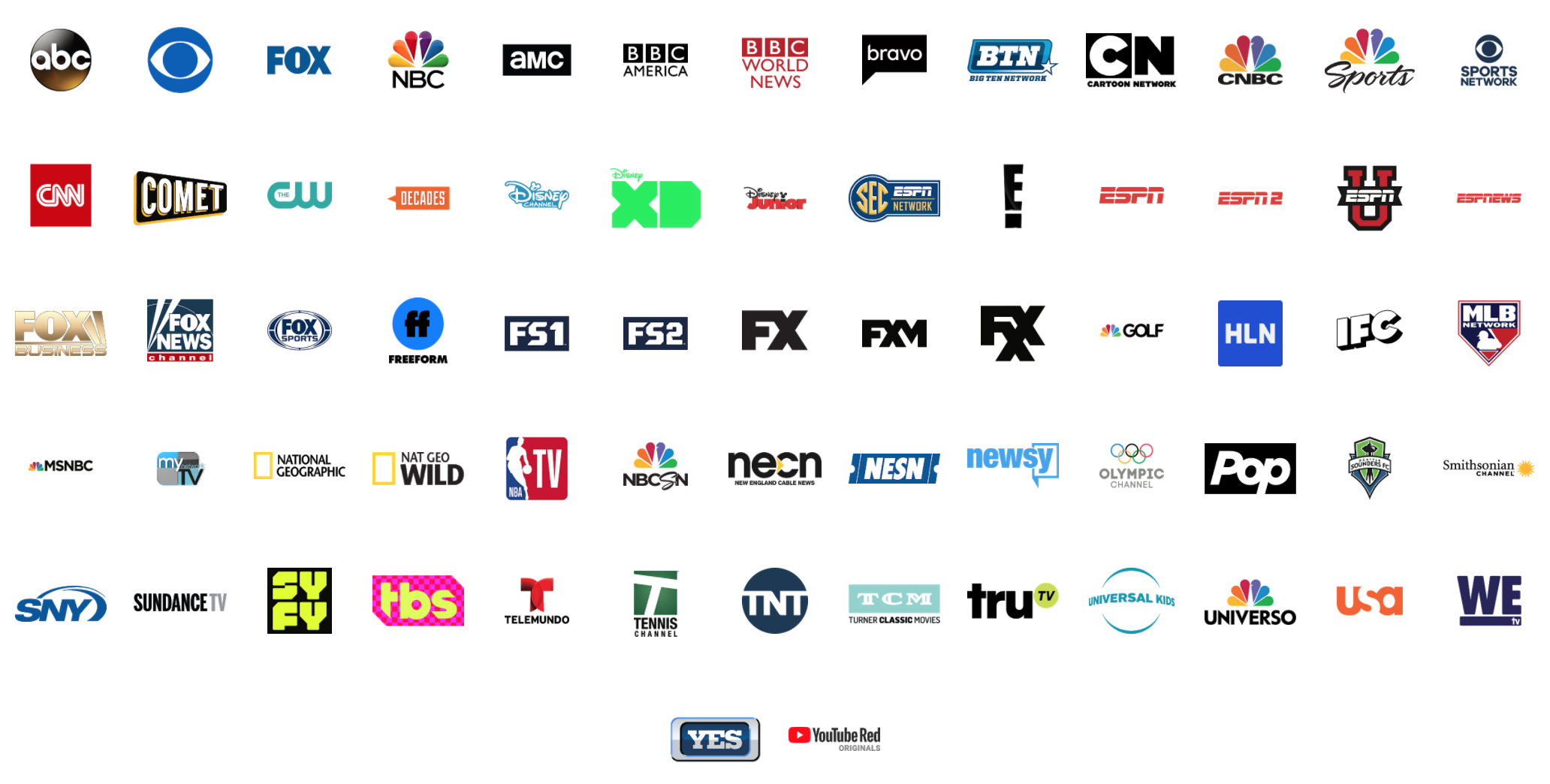
The primary appeal of YouTube TV lies in its extensive standard package, which typically boasts over 100 channels. This includes a broad spectrum of popular networks across various genres:
- News: Major national and international news outlets such as CNN, Fox News, MSNBC, BBC World News, and local affiliates for ABC, CBS, Fox, and NBC. This ensures users stay informed with diverse perspectives and local updates.
- Sports: A strong emphasis on sports is a key differentiator. ESPN, ESPN2, Fox Sports 1 (FS1), NFL Network, MLB Network, NBA TV, and regional sports networks (RSNs) are usually part of the package, making it a go-to for sports enthusiasts. The inclusion of RSNs, while subject to regional availability, is crucial for following local teams.
- Entertainment: A vast array of entertainment channels covers everything from reality TV to dramas, comedies, and movies. AMC, FX, TBS, TNT, USA Network, Bravo, E!, and truTV are just a few examples that provide endless viewing options.
- Family & Kids: Channels like Cartoon Network, Disney Channel, Nickelodeon, and PBS provide family-friendly content, catering to younger audiences and ensuring there’s something for everyone in the household.
- Lifestyle & Documentaries: Food Network, HGTV, TLC, National Geographic, and Discovery Channel offer content ranging from culinary arts and home improvement to nature and science documentaries.
This core selection is meticulously curated to offer a balance that satisfies a wide demographic, making YouTube TV a strong contender for a primary entertainment hub. The “over 100” figure is not static; YouTube TV frequently negotiates new deals, adds channels, or occasionally removes them, reflecting the dynamic nature of content licensing in the streaming world.
Regional Variations and Local Channels
A critical aspect of YouTube TV’s channel count and availability is its reliance on geographical location. Unlike some pure-play streaming services, YouTube TV is designed to replicate and even enhance the local viewing experience offered by cable.
- Local Affiliates: Access to local ABC, CBS, Fox, and NBC affiliates is a major draw. These channels are essential for local news, weather, and primetime network programming, including major sporting events like the Super Bowl or NBA Finals. However, the specific local channels available depend entirely on the subscriber’s ZIP code. While most major metropolitan areas have comprehensive coverage, some rural or smaller markets might have fewer options or specific channels missing due to broadcast rights and infrastructure.
- Regional Sports Networks (RSNs): For many sports fans, RSNs are non-negotiable for following local professional teams in MLB, NBA, and NHL. YouTube TV has historically offered a strong lineup of RSNs, such as Bally Sports (formerly Fox Sports Regional Networks), NBC Sports Regional Networks, and AT&T SportsNet. However, the landscape for RSNs is particularly volatile, with carriage disputes and changing ownership affecting availability. Subscribers should always verify RSN coverage for their specific area before committing to a subscription.
- Pricing Adjustments: The cost of YouTube TV often reflects the included channels, particularly RSNs. If a major RSN is added or removed in a region, it can sometimes lead to price adjustments, highlighting the significant value (and cost) associated with these highly sought-after channels.
Understanding these regional nuances is crucial for any potential subscriber, as the “how many channels” question fundamentally shifts based on one’s physical address. YouTube TV provides a tool on its website to enter a ZIP code and see the exact channels available, which is highly recommended for accurate assessment.
Expanding Your Entertainment Horizon with Add-Ons
While the base YouTube TV package is comprehensive, the platform also offers a robust ecosystem of add-on channels and premium networks, allowing users to customize their subscriptions to an unprecedented degree. This modular approach empowers subscribers to pay only for the content they truly desire, a stark contrast to the bundled behemoths of traditional cable.
Premium Networks and Niche Content Packs
For those craving even more specialized or exclusive content, YouTube TV offers a wide array of premium add-ons:
- HBO Max: Provides access to HBO’s critically acclaimed original series, Warner Bros. movies, and a vast library of content from DC, Cartoon Network, TCM, and more.
- Showtime: Offers a selection of original series, movies, sports, and documentaries.
- STARZ: Features hit movies, original series, and classic films.
- Cinemax: Delivers a mix of blockbuster movies and action-packed series.
- Epix (now MGM+): Showcases a diverse collection of movies and original programming.
Beyond these major premium movie channels, YouTube TV also offers niche content packs tailored to specific interests:
- Sports Plus: Often includes channels like NFL RedZone, Fox Soccer Plus, TVG, and Stadium, appealing to hardcore sports fans who want even deeper coverage.
- Entertainment Plus: May bundle channels like IFC Films Unlimited, Sundance Now, and Acorn TV, catering to aficionados of independent films and international dramas.
- Spanish Plus: Provides a collection of popular Spanish-language channels, including CNN en Español, ESPN Deportes, and Fox Deportes, addressing the needs of a diverse audience.
- 4K Plus: While not a channel pack, this add-on enhances the viewing experience by offering 4K playback for select live and on-demand content, and also allows unlimited simultaneous streams at home and downloads for offline viewing.
These add-ons transform YouTube TV from a mere cable replacement into a highly customizable entertainment hub, allowing users to curate a channel lineup that perfectly matches their viewing habits and budget. Each add-on comes with its own additional monthly fee, clearly displayed during the subscription process.
Sports Packages: Catching Every Game
Sports are a cornerstone of live television, and YouTube TV understands this implicitly. Beyond the robust sports channels in the base package, dedicated sports add-ons provide an even more immersive experience:
- NFL RedZone: An incredibly popular add-on during the NFL season, providing live look-ins at every touchdown from every game on Sunday afternoons.
- NBA League Pass: Allows fans to watch out-of-market NBA games live and on-demand.
- MLB.TV: Provides similar out-of-market coverage for Major League Baseball.
- Other Niche Sports: Depending on the season and specific offerings, subscribers might find add-ons for international soccer, college sports conferences, or even combat sports.
The availability and pricing of these sports packages can vary, and they are often seasonal. For the dedicated fan, these add-ons are invaluable, transforming YouTube TV into a powerful tool for following their favorite leagues and teams without being tied to a traditional cable contract.

The Value Proposition: YouTube TV vs. Traditional Cable
The fundamental shift towards streaming services like YouTube TV is driven by a desire for flexibility, advanced features, and often, cost savings compared to traditional cable providers. Understanding the “how many channels” question within this context highlights the broader value proposition.
Flexibility, Features, and Cost-Effectiveness
- No Contracts: One of the most significant advantages of YouTube TV is the absence of long-term contracts. Subscribers can start or cancel their service at any time without penalties, offering unparalleled flexibility. This allows users to subscribe only when a particular season or show is airing and then pause or cancel when they don’t need it.
- Unlimited DVR: YouTube TV boasts an industry-leading cloud DVR with unlimited storage. Recordings are saved for nine months, allowing users to record as many shows, movies, and sports events as they want without worrying about storage limits. This is a massive improvement over the often-limited DVR capabilities of traditional cable boxes.
- Multiple Streams: The base subscription typically includes three simultaneous streams, meaning multiple household members can watch different content at the same time on various devices. The 4K Plus add-on further enhances this by offering unlimited streams within the home network.
- Device Compatibility: YouTube TV is accessible on a vast array of devices, including smart TVs (Samsung, LG, Vizio, etc.), streaming media players (Roku, Apple TV, Amazon Fire TV, Google Chromecast), game consoles (Xbox, PlayStation), smartphones, and tablets. This ubiquitous access means viewers can watch their content wherever and whenever they choose.
- Cost Savings (Often): While the price of YouTube TV has increased over the years, it often remains more cost-effective than a comparable traditional cable package, especially when considering the lack of hidden fees, equipment rental charges, and installation costs associated with cable. The ability to customize with add-ons also means users only pay for what they watch, reducing “channel bloat.”
Beyond Channels: DVR, User Experience, and More
Beyond the sheer number of channels, the overall user experience is a critical factor in YouTube TV’s appeal.
- Intuitive Interface: YouTube TV leverages Google’s expertise in user interface design. Its clean, intuitive layout makes it easy to browse live TV, discover on-demand content, manage DVR recordings, and access personalized recommendations. The “Live,” “Library,” and “Home” tabs provide straightforward navigation.
- Seamless Integration: For users already embedded in the Google ecosystem, YouTube TV offers seamless integration. It works effortlessly with Chromecast, Google Assistant, and other Google services, enhancing the overall smart home experience.
- On-Demand Content: In addition to live TV and DVR, YouTube TV provides a substantial library of on-demand content from its various channel partners. This allows viewers to catch up on shows they missed or binge-watch past seasons without needing to record them.
- Profiles: YouTube TV supports multiple user profiles within a single account, each with its own personalized recommendations and DVR library, catering to the diverse tastes of a household.
These features collectively create a viewing experience that often surpasses what traditional cable can offer, making the “how many channels” question just one piece of a larger, compelling puzzle.
Navigating Channel Availability and Future Trends
The world of live TV streaming is in constant flux, influenced by content licensing agreements, technological advancements, and shifting consumer preferences. Understanding these dynamics is key to making informed decisions about services like YouTube TV.
Factors Influencing Your Channel List
- Content Rights and Negotiations: The most significant factor affecting channel availability is content licensing. Broadcasters and content owners negotiate with streaming providers like YouTube TV for the rights to carry their channels. These negotiations are complex and can sometimes lead to temporary blackouts or permanent removals if agreements cannot be reached.
- Geographical Restrictions: As previously discussed, local channels and RSNs are heavily dependent on location due to broadcast territories.
- Competition: The competitive landscape among live TV streaming services (Sling TV, Hulu + Live TV, FuboTV, DirecTV Stream) constantly pushes providers to optimize their channel lineups, features, and pricing to attract and retain subscribers.
- Technological Evolution: Advances in streaming technology, such as 4K HDR support, improved compression, and enhanced interactivity, influence how channels are delivered and the quality of the viewing experience.
The Evolving Landscape of Live TV Streaming
The future of live TV streaming is likely to see several trends:
- Further Consolidation and Specialization: As the market matures, there might be further consolidation among providers or, conversely, a rise in highly specialized, niche streaming services.
- Hybrid Models: The line between live TV and on-demand streaming is blurring. Services may increasingly offer a hybrid model that deeply integrates both, providing seamless access to linear programming, DVR, and extensive VOD libraries.
- Personalization and AI: Advanced AI will likely play a larger role in personalizing content recommendations, advertisements, and even dynamic channel lineups based on individual viewing habits.
- Interactive Features: Expect more interactive elements during live broadcasts, especially for sports and events, such as integrated polls, real-time stats, and multi-angle viewing options.
- Continued Price Adjustments: As content costs continue to rise, streaming service prices are likely to follow suit, though competitive pressures will aim to keep them below traditional cable.
These trends highlight that YouTube TV, like its competitors, will continue to adapt and evolve, influencing not only the number of channels it offers but also how those channels are accessed and experienced.
Making an Informed Decision: Is YouTube TV Right for You?
Ultimately, the decision of whether YouTube TV is the right streaming solution for you comes down to a careful consideration of your personal viewing habits, budget, and priorities. The question of “how many channels on YouTube TV” is a crucial starting point, but it’s far from the only factor.
Weighing Your Entertainment Priorities
- Must-Have Channels: Create a list of your absolute must-have channels. Then, use YouTube TV’s ZIP code checker to ensure those channels, especially local affiliates and RSNs, are available in your area.
- Sports Enthusiast? If sports are a top priority, carefully review the base sports channels and relevant add-ons (NFL RedZone, MLB.TV, NBA League Pass).
- Family Needs: Consider how many simultaneous streams you need and whether the included family-friendly channels and multiple profile support meet your household’s demands.
- DVR Importance: If an unlimited, cloud-based DVR is a major draw, YouTube TV stands out.
- Budget: Compare the total monthly cost of YouTube TV (base + any desired add-ons) against traditional cable or other streaming alternatives. Factor in the lack of hidden fees and equipment rental.

A Look at the Competition
While YouTube TV offers a strong proposition, it’s always wise to compare it with its main competitors:
- Hulu + Live TV: Often bundles with Disney+ and ESPN+, offering a strong entertainment and sports package, though its DVR has traditionally been less generous than YouTube TV’s.
- FuboTV: Heavily geared towards sports, with an extensive lineup of sports channels, but historically weaker on non-sports entertainment and news.
- Sling TV: A more budget-friendly option, offering smaller channel packages (Sling Orange and Sling Blue) that can be combined, but often with fewer channels per package than YouTube TV.
- DirecTV Stream: Closest to a traditional cable experience, with multiple tiers and robust channel lineups, but often at a higher price point.
In conclusion, YouTube TV presents a compelling answer to the question of live TV streaming. With its extensive base channel lineup of over 100 channels, customizable add-ons, unlimited cloud DVR, and user-friendly interface, it offers a powerful alternative to traditional cable. While the exact number of channels can fluctuate based on location and personal additions, its overall value proposition firmly places it at the forefront of the modern digital entertainment landscape, continually evolving to meet the demands of tech-savvy consumers.
aViewFromTheCave is a participant in the Amazon Services LLC Associates Program, an affiliate advertising program designed to provide a means for sites to earn advertising fees by advertising and linking to Amazon.com. Amazon, the Amazon logo, AmazonSupply, and the AmazonSupply logo are trademarks of Amazon.com, Inc. or its affiliates. As an Amazon Associate we earn affiliate commissions from qualifying purchases.