
Investing in cryptocurrencies like Ripple (XRP) has become a significant area of interest for individuals seeking to diversify their portfolios and explore new financial frontiers. While the digital asset landscape can appear complex, understanding the fundamental steps and financial considerations involved in acquiring XRP is crucial for any prospective investor. This guide delves into the practical aspects of purchasing Ripple, offering insights from a money-centric perspective, focusing on security, financial strategy, and responsible investment practices.
Understanding Ripple (XRP) as a Financial Asset
Before embarking on the purchase process, it’s essential to grasp what Ripple (XRP) represents as a financial asset and its potential role within an investment strategy. XRP is the native cryptocurrency of the XRP Ledger, an open-source, permissionless, and decentralized blockchain technology. Unlike many cryptocurrencies designed for broad utility, XRP was primarily created to facilitate fast, low-cost international payments and remittances, positioning itself as a bridge currency for financial institutions.

What is Ripple (XRP) and Its Market Utility?
Ripple, the company, created XRP with a vision to enhance global payments. XRP transactions are processed in mere seconds, at a fraction of the cost of traditional banking systems or even other cryptocurrencies. Its fixed supply and deflationary mechanism (a small amount is destroyed with each transaction) are key economic characteristics. From an investment standpoint, XRP’s value proposition often hinges on its adoption by financial institutions and payment providers seeking to leverage its speed and efficiency for cross-border transactions. Its market capitalization fluctuates based on investor sentiment, technological developments, and regulatory news, making it a dynamic asset for those comfortable with volatility.
Why Consider Investing in XRP?
Investors are often drawn to XRP for several reasons. Its established presence in the top tier of cryptocurrencies by market capitalization provides a degree of liquidity and recognition not afforded to newer, smaller tokens. The potential for widespread adoption by banks and payment networks could, theoretically, drive demand and increase its value. Furthermore, the XRP Ledger’s energy efficiency, compared to proof-of-work blockchains like Bitcoin, appeals to environmentally conscious investors. However, it’s critical to weigh these potential upsides against significant risks, including market volatility, intense competition, and ongoing regulatory uncertainties surrounding its classification as a security in some jurisdictions. A sound investment decision requires a thorough analysis of one’s risk tolerance and financial goals.
Key Financial Considerations Before Buying
Before committing capital, potential investors must evaluate several financial and market factors. The cryptocurrency market is notoriously volatile, and XRP is no exception. Price swings can be drastic, leading to substantial gains or losses. It’s crucial to only invest funds one can afford to lose. Understanding the current regulatory climate, especially the ongoing legal challenges involving Ripple Labs, is paramount, as regulatory decisions can significantly impact XRP’s market value. Investors should also determine their investment horizon—whether they are looking for short-term speculative gains or a long-term holding based on the project’s fundamentals. Diversifying one’s crypto portfolio, rather than solely investing in XRP, is a prudent risk management strategy to mitigate exposure to any single asset’s performance.
Navigating the Purchase Process: Step-by-Step
Acquiring XRP involves a series of structured steps, from selecting a secure trading platform to executing your purchase. Each stage requires attention to detail, especially regarding financial security and transaction costs.
Choosing a Reputable Cryptocurrency Exchange
The foundation of a secure XRP purchase begins with selecting a reliable cryptocurrency exchange. These platforms act as intermediaries, allowing you to buy, sell, and trade digital assets. Key financial criteria for selection include:
- Security Features: Look for exchanges with robust security protocols, such as two-factor authentication (2FA), cold storage for a majority of assets, and insurance policies against cyber-attacks. The safety of your invested capital is paramount.
- Fee Structure: Exchanges charge various fees, including trading fees (taker/maker fees), deposit fees, and withdrawal fees. These can significantly impact the overall cost of your investment. Compare fee schedules across platforms to find the most cost-effective option for your trading volume.
- Liquidity: High liquidity ensures that you can buy or sell XRP quickly at competitive prices, without significant price slippage. Major exchanges generally offer better liquidity for popular assets like XRP.
- Regulatory Compliance: Opt for exchanges that comply with financial regulations in their operating jurisdictions. This often includes Know Your Customer (KYC) and Anti-Money Laundering (AML) procedures, which, while requiring personal information, add a layer of legal protection for investors.
- Supported Payment Methods: Ensure the exchange supports your preferred method of funding, whether it’s bank transfers (ACH/SEPA), debit/credit cards, or other cryptocurrency deposits. Each method has its own associated fees and processing times.
Well-known exchanges like Coinbase, Binance, Kraken, and eToro are popular choices, each with their own set of features, fee structures, and regulatory standing. Researching user reviews and professional financial assessments can provide further clarity.
Setting Up and Verifying Your Account
Once an exchange is chosen, you’ll need to create an account. This typically involves providing an email address and creating a strong password. Following this, a mandatory verification process (KYC) is required to comply with financial regulations and enable higher deposit/withdrawal limits. This usually entails submitting government-issued identification (e.g., passport or driver’s license), proof of address, and sometimes a selfie for facial recognition. While this process may seem intrusive, it’s a critical financial safeguard designed to prevent fraud and money laundering, protecting both the platform and its users.
Funding Your Account and Placing Your Order
With your account verified, the next step is to deposit fiat currency (e.g., USD, EUR) or another cryptocurrency into your exchange wallet. Common funding methods include:
- Bank Transfer (ACH/SEPA): Often the most cost-effective method for larger deposits, though processing times can range from a few hours to several business days.
- Debit/Credit Card: Offers instant deposits but typically comes with higher transaction fees (e.g., 2-4% of the transaction amount). This method is convenient for smaller, immediate purchases.
- Wire Transfer: Suitable for very large sums, wires usually incur higher fees but offer faster processing than standard bank transfers.
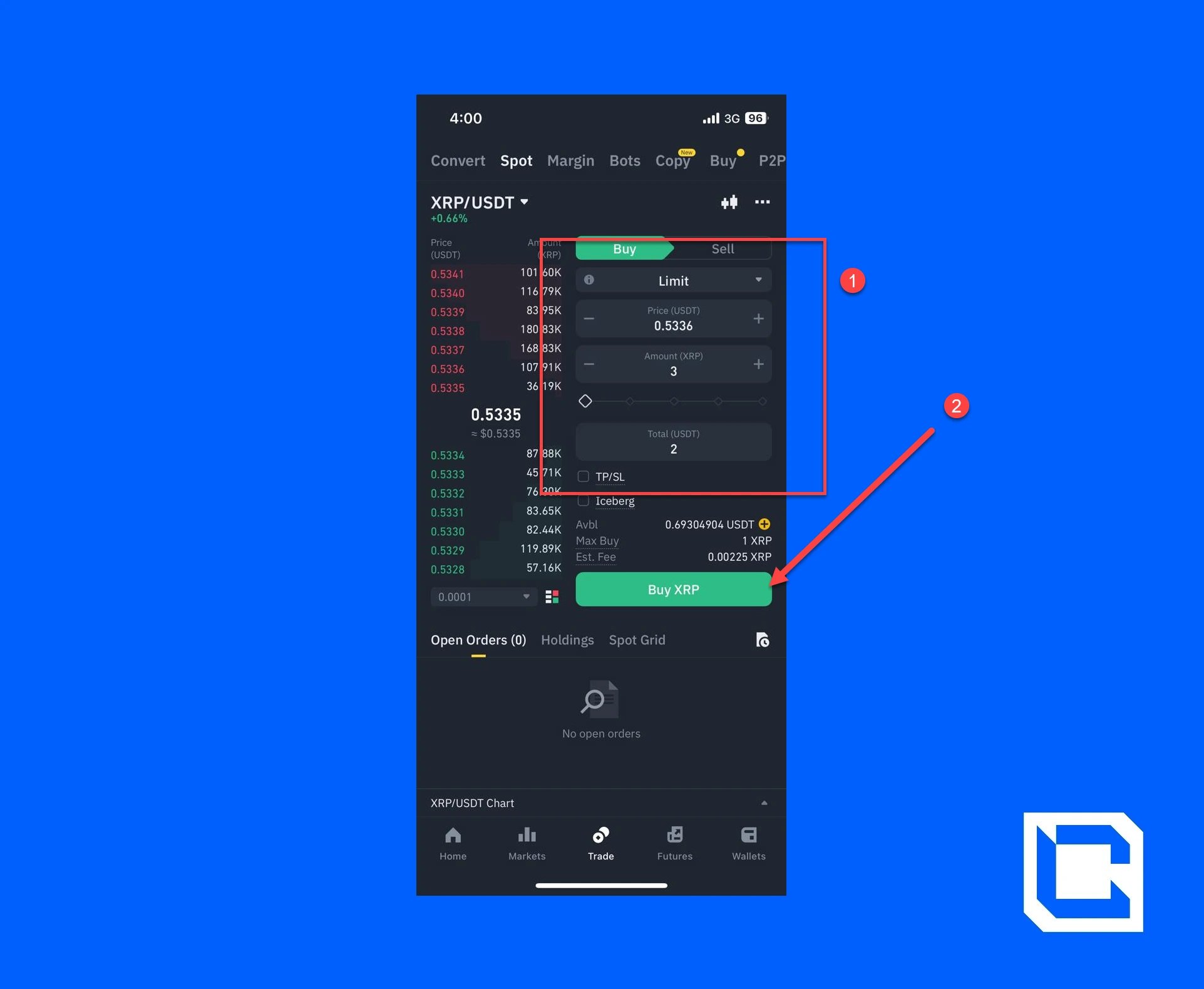
Once funds are available, navigate to the XRP trading pair (e.g., XRP/USD or XRP/BTC). You will then place an order:
- Market Order: Buys XRP immediately at the current market price. This is the quickest option but offers no price guarantee beyond the current bid/ask spread.
- Limit Order: Allows you to set a specific price at which you wish to buy XRP. The order will only execute if and when the market price reaches your specified limit. This provides more control over your purchase price, especially in volatile markets.
Review all transaction details, including the amount of XRP you’re buying, the total cost, and any applicable fees, before confirming your purchase.
Safeguarding Your Investment: Storage and Security
Once you’ve purchased XRP, securing your digital asset is as important as the purchase itself. Unlike traditional bank accounts, cryptocurrency holdings are largely self-custodied, placing the onus of security primarily on the investor.
Understanding Cryptocurrency Wallets
A cryptocurrency wallet is a software or hardware device that stores the private keys required to access your XRP. It’s not a physical location for your coins but rather a tool to manage your ownership. Wallets come in two main forms:
- Hot Wallets: Connected to the internet (e.g., exchange wallets, mobile apps, desktop applications). They offer convenience for active trading but are generally considered less secure for large holdings due to their online nature and susceptibility to hacks.
- Cold Wallets (Hardware Wallets): Physical devices that store private keys offline (e.g., Ledger, Trezor). These are highly secure for long-term storage of significant amounts of XRP as they are impervious to online threats. This is generally recommended for any substantial investment.
The choice of wallet should align with your investment strategy and risk tolerance. For active traders, an exchange wallet might suffice for funds actively being traded, but for long-term investors, a hardware wallet provides a superior level of security for their financial assets.
Best Practices for Wallet Security
Protecting your private keys and seed phrases is paramount. These are the ultimate proofs of ownership for your XRP.
- Never share your private keys or seed phrase with anyone.
- Store your seed phrase offline in multiple secure, discreet locations.
- Enable Two-Factor Authentication (2FA) on all exchange accounts and any software wallets that support it.
- Be wary of phishing scams—always double-check URLs and sender identities before clicking links or entering credentials.
- Use strong, unique passwords for all cryptocurrency-related accounts.
- Regularly update your software wallets and ensure your operating system and antivirus software are up-to-date.
Tax Implications of Cryptocurrency Investing
A crucial financial aspect often overlooked by new crypto investors is the tax liability. In many jurisdictions, buying, selling, or even using cryptocurrency can trigger taxable events. Gains from selling XRP are typically treated as capital gains, subject to income tax. The rules vary significantly by country, and often by the length of time the asset was held (short-term vs. long-term capital gains). It is essential to keep meticulous records of all your XRP transactions, including purchase dates, prices, sale dates, and prices. Consulting with a qualified tax advisor specializing in cryptocurrency is highly recommended to ensure compliance and optimize your tax strategy. Failure to report crypto transactions can lead to severe financial penalties.
Advanced Strategies and Long-Term Considerations
Successful cryptocurrency investing extends beyond the initial purchase. Employing strategic approaches and maintaining a long-term perspective are vital for navigating market fluctuations and maximizing potential returns.
Dollar-Cost Averaging (DCA) for XRP Purchases
Dollar-Cost Averaging is an investment strategy where you invest a fixed amount of money at regular intervals, regardless of the asset’s price. For example, buying $100 worth of XRP every month. This approach mitigates the risk associated with market timing, as you buy more XRP when prices are low and less when prices are high, averaging out your purchase cost over time. DCA is particularly effective in volatile markets like cryptocurrency, reducing the emotional stress of trying to predict price movements and fostering a disciplined investment habit.
Diversification within Your Crypto Portfolio
While this guide focuses on XRP, a robust financial strategy involves diversification. Spreading your investment across various cryptocurrencies, and indeed across different asset classes, helps mitigate risk. Investing solely in XRP exposes you to the specific risks associated with that single asset. A diversified crypto portfolio might include other large-cap cryptocurrencies, stablecoins, and perhaps some smaller, promising altcoins, aligning with your overall financial risk tolerance. This strategy aims to reduce the impact of poor performance from any single investment on your overall portfolio.
Monitoring Market Trends and News
Staying informed about market trends, technological developments within the Ripple ecosystem, and broader regulatory news is critical for making educated investment decisions. News regarding partnerships, technological upgrades to the XRP Ledger, or significant regulatory rulings can heavily influence XRP’s price. Utilizing reputable financial news sources, analytics platforms, and avoiding speculative or sensationalist information will help you maintain an insightful perspective on your investment.
Exiting Your Investment: Strategic Selling
Just as important as buying is having a strategy for selling. This could involve setting profit targets, establishing stop-loss orders to limit potential losses, or rebalancing your portfolio periodically. Whether you are selling for profit, to reallocate funds, or in response to a change in market sentiment, a clear exit strategy prevents emotional, impulsive decisions that can erode your gains. Consider the tax implications of selling before executing any large transactions.
The Future Outlook for Ripple and Your Investment
The trajectory of Ripple and XRP is subject to a complex interplay of technological adoption, regulatory clarity, and broader market forces. As an investor, understanding these dynamics provides a context for your long-term financial engagement.
Regulatory Developments and Their Financial Impact
The regulatory environment remains a significant factor for XRP. Clarity from financial authorities regarding its classification (e.g., as a currency or a security) could profoundly impact its market perception and utility for institutional partners. Positive regulatory outcomes could foster greater institutional adoption and stability, potentially boosting its value. Conversely, adverse rulings could introduce significant headwinds. Investors must remain vigilant about legal and regulatory news and understand its potential financial implications for their XRP holdings.
Adoption and Partnerships: Driving Value
The core value proposition of XRP lies in its potential to revolutionize cross-border payments. Increased adoption by banks, payment processors, and other financial institutions directly correlates with its utility and, consequently, its demand and market value. Monitoring Ripple’s partnerships and technological integrations with major financial players provides insight into its long-term growth prospects. These real-world use cases are critical for XRP to achieve its envisioned role as a global bridge currency and solidify its position as a valuable digital asset.
Long-Term Vision for XRP Investors
For those with a long-term investment horizon, the focus often shifts from daily price fluctuations to the fundamental growth and adoption of the XRP Ledger and the Ripple network. This involves assessing the company’s innovation, strategic partnerships, and its ability to navigate the competitive and regulatory landscape. A long-term vision requires patience, conviction in the asset’s utility, and a commitment to continuous learning about the evolving financial technology space. Investing in XRP, like any financial endeavor, demands informed decision-making, careful risk management, and a clear understanding of your financial objectives.
aViewFromTheCave is a participant in the Amazon Services LLC Associates Program, an affiliate advertising program designed to provide a means for sites to earn advertising fees by advertising and linking to Amazon.com. Amazon, the Amazon logo, AmazonSupply, and the AmazonSupply logo are trademarks of Amazon.com, Inc. or its affiliates. As an Amazon Associate we earn affiliate commissions from qualifying purchases.