
The cryptocurrency market is a dynamic and often volatile landscape, with assets experiencing rapid price fluctuations driven by a confluence of technological advancements, market sentiment, regulatory developments, and broader economic forces. Among the myriad digital assets, Ripple (XRP) holds a unique position, attracting significant attention from investors, financial institutions, and market observers alike. Understanding “what Ripple is trading at” goes beyond merely checking a price ticker; it involves comprehending the underlying drivers, market dynamics, and the specific utility that XRP aims to provide within the global financial system.
Understanding Ripple (XRP) and Its Market Position
Ripple is the company behind XRP Ledger, a decentralized, open-source blockchain technology, and XRP, its native digital asset. Unlike many cryptocurrencies that primarily focus on decentralized finance (DeFi) or peer-to-peer transactions, Ripple Labs positions XRP as a bridge currency for international payment settlements. Its core proposition revolves around facilitating faster, cheaper, and more efficient cross-border transactions compared to traditional banking systems, which often rely on correspondent banking and SWIFT messaging – a process that can be slow and expensive.
XRP is designed to be highly scalable and energy-efficient, capable of processing transactions in seconds with minimal fees. This utility aims to serve financial institutions, payment providers, and corporations that need to move large sums of money across borders quickly. RippleNet, Ripple’s global payment network, leverages XRP for its On-Demand Liquidity (ODL) service, enabling instant settlements without pre-funded accounts in destination currencies.
This enterprise-focused approach distinguishes XRP from many other cryptocurrencies. While Bitcoin (BTC) is often seen as digital gold and Ethereum (ETH) as a platform for decentralized applications, XRP is fundamentally engineered as a utility token for liquidity and value transfer in the financial sector. This distinct market positioning means that its valuation is influenced not only by general crypto market trends but also by its adoption rate among financial institutions, regulatory clarity, and its success in disrupting traditional remittance markets. For investors, monitoring XRP’s trading price involves weighing its potential as a transformative financial tool against the inherent risks of a nascent and heavily scrutinized asset class.
Factors Influencing XRP’s Price Volatility
The trading price of XRP is a complex interplay of various factors, often leading to significant volatility. Investors tracking XRP must consider these key influences to better understand its current valuation and potential future movements.
Regulatory Landscape and Legal Challenges
Perhaps the most significant factor affecting XRP’s price has been its regulatory status, particularly the lawsuit filed by the U.S. Securities and Exchange Commission (SEC) against Ripple Labs. The SEC alleged that XRP was an unregistered security, leading to uncertainty and causing many exchanges to delist or suspend trading of XRP for U.S. customers. The legal proceedings have introduced extreme price sensitivity, with significant movements occurring on news related to court rulings, summary judgment decisions, and any indications of a potential settlement. Positive legal developments often lead to price surges, while negative news can trigger sharp declines. For investors, the resolution of this legal battle is seen as a pivotal event that could significantly impact XRP’s long-term market perception and adoption.
Market Sentiment and Broader Cryptocurrency Trends
Like most digital assets, XRP’s price is heavily correlated with the overall cryptocurrency market sentiment. During bull markets, where Bitcoin and Ethereum lead broader rallies, XRP often experiences upward momentum. Conversely, bear markets or significant FUD (Fear, Uncertainty, Doubt) events affecting the entire crypto ecosystem can drag XRP’s price down. Macroeconomic factors, such as interest rate changes, inflation data, and global economic stability, also play a role, as they influence investor appetite for risk assets like cryptocurrencies. When traditional markets show weakness, investors often de-risk, withdrawing capital from more speculative investments, including crypto.
Utility, Adoption, and Partnerships
The fundamental value proposition of XRP lies in its utility for cross-border payments. Therefore, its adoption by financial institutions and payment providers using RippleNet and On-Demand Liquidity (ODL) corridors directly impacts its long-term potential. News of new partnerships, expanded ODL corridors, increased transaction volumes on the network, or successful pilot programs can instill investor confidence and drive price appreciation. Conversely, a lack of new adoption or setbacks in implementing Ripple’s technology could dampen market enthusiasm. The real-world utility and demand for XRP as a liquidity solution are critical underpinnings for its sustained value.
Supply and Demand Dynamics
The basic economic principles of supply and demand also dictate XRP’s price. Ripple Labs holds a significant portion of XRP in escrow, releasing a controlled amount into the market each month. While these releases are generally predictable, any unexpected changes in supply or significant buying/selling pressure from large holders (whales) can influence short-term price movements. Furthermore, the overall circulating supply and the total supply capped at 100 billion XRP contribute to its scarcity model, which can be a factor in long-term valuation. High trading volumes typically indicate strong market interest and liquidity, which can sometimes precede or accompany significant price shifts.
How to Track XRP’s Current Trading Price and Market Data
For any investor or enthusiast, knowing where and how to reliably track XRP’s current trading price and associated market data is crucial. The cryptocurrency market operates 24/7, making real-time information indispensable for informed decision-making.
Reliable Data Sources and Platforms
The most common and reliable sources for checking XRP’s current trading price are:
- Cryptocurrency Exchanges: Major exchanges where XRP is actively traded, such as Coinbase, Binance, Kraken, Uphold, Bitstamp, and others, provide real-time price feeds directly from their order books. These platforms offer detailed charts, trading volumes, and order depth information. It’s important to note that prices can vary slightly between exchanges due to liquidity differences and arbitrage opportunities.
- Crypto Data Aggregators: Websites like CoinMarketCap, CoinGecko, and CryptoRank compile data from numerous exchanges, providing an aggregated average price, market capitalization, 24-hour trading volume, circulating supply, and historical price charts. These platforms are excellent for getting a holistic view of XRP’s market standing relative to other cryptocurrencies. They often include additional metrics like dominance, sentiment scores, and news feeds.
- Financial News Outlets and Dedicated Crypto Trackers: Reputable financial news services often feature crypto price trackers. Additionally, specialized apps and widgets for smartphones and desktops can provide instant price updates and alerts.
Key Metrics to Monitor Beyond Price
While the spot price is paramount, several other metrics offer deeper insights into XRP’s market health and potential trajectory:
- Market Capitalization (Market Cap): This is calculated by multiplying the current price per XRP by the total circulating supply. It represents the total value of all XRP currently in circulation and is a key indicator of the asset’s overall size and ranking within the crypto market.
- 24-Hour Trading Volume: This metric indicates the total value of XRP traded over the past 24 hours. High trading volume suggests strong market interest and liquidity, meaning it’s easier to buy or sell XRP without significantly impacting its price. Sudden spikes in volume often accompany significant price movements.
- 24-Hour Price Change (%): This shows the percentage change in XRP’s price over the last 24 hours, giving an immediate sense of its short-term performance and volatility.
- Circulating Supply vs. Total Supply: Understanding how many XRP tokens are actively in circulation versus the total possible supply (100 billion) provides context for its scarcity and potential future inflation/deflation dynamics as more tokens are released from escrow.
- All-Time High (ATH) and All-Time Low (ATL): These historical data points provide perspective on XRP’s past performance extremes and can be useful reference points for technical analysis and investor sentiment.
Constantly monitoring these metrics across reliable platforms allows investors to develop a nuanced understanding of “what Ripple is trading at” and the forces shaping its market value in real-time.
Analyzing XRP’s Historical Performance and Future Outlook
XRP’s journey in the cryptocurrency market has been characterized by dramatic price swings, reflecting both the nascent nature of the industry and its specific challenges and opportunities. Understanding its historical performance provides critical context for evaluating its future prospects.
A Look Back at Key Price Movements
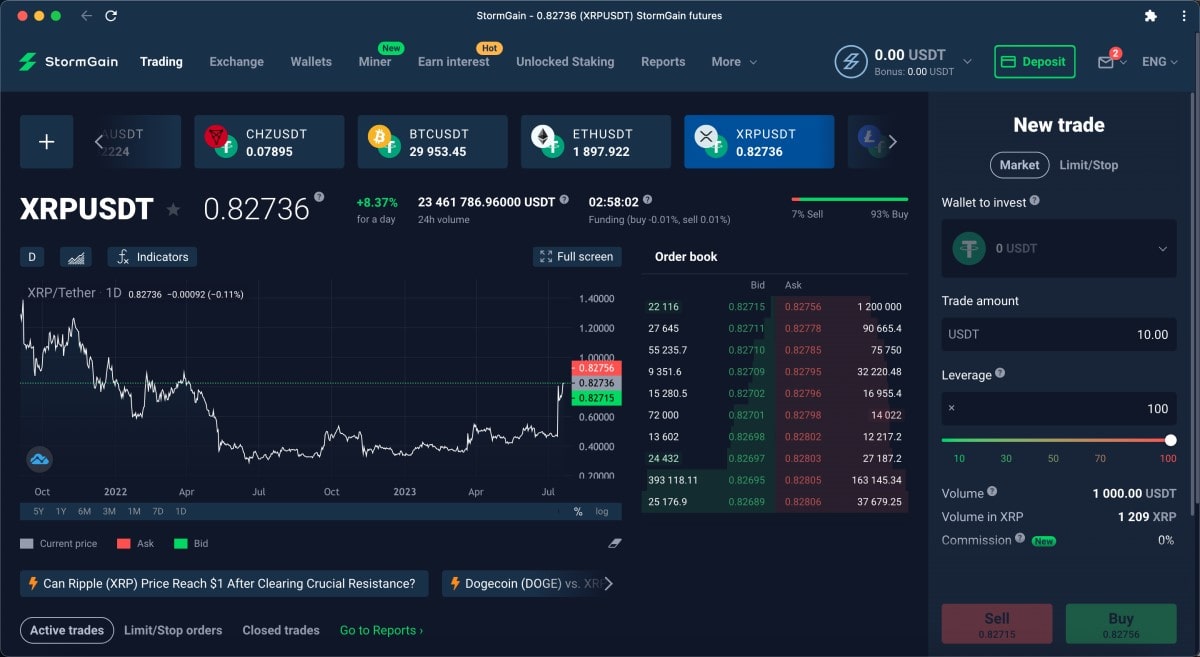
XRP has experienced multiple significant bull and bear cycles. Its most notable surge occurred during the 2017-2018 crypto bull run, when it reached an all-time high of over $3.00, driven by widespread speculative interest and optimism surrounding the broader crypto market. This period was followed by a prolonged bear market, typical of digital assets, seeing XRP’s price decline significantly.
Another period of intense volatility began with the SEC lawsuit in December 2020, which caused a sharp drop in price as many U.S. exchanges delisted the token. However, despite the ongoing legal battle, XRP saw a resurgence in 2021 during another broader crypto rally, reaching levels well above its pre-lawsuit price, demonstrating the market’s resilience and belief in Ripple’s potential. Subsequent price movements have often been highly reactive to legal updates, illustrating how closely its valuation has become tied to regulatory clarity. This historical data highlights that XRP is susceptible to both macro crypto trends and specific company-centric events.
Potential Catalysts and Headwinds for Future Price Action
Looking ahead, several factors could significantly influence XRP’s trading price:
- Resolution of the SEC Lawsuit: This is arguably the most critical catalyst. A favorable outcome for Ripple, such as a clear ruling that XRP is not a security, would likely remove a major overhang, potentially leading to relistings on U.S. exchanges, increased institutional adoption, and a significant price rally. Conversely, an unfavorable outcome could lead to further market uncertainty and price depreciation.
- Increased Adoption of ODL and RippleNet: Continued growth in partnerships with financial institutions and payment providers using XRP for On-Demand Liquidity would underscore its utility and drive demand for the token. Expansion into new markets and corridors would be a strong indicator of fundamental growth.
- Regulatory Clarity Globally: Beyond the U.S. lawsuit, clearer regulatory frameworks for cryptocurrencies worldwide could foster a more stable environment for XRP and other digital assets, encouraging broader institutional participation.
- Broader Crypto Market Performance: As a significant altcoin, XRP’s price will likely continue to be influenced by the overall health and direction of the cryptocurrency market, especially Bitcoin’s performance.
- Technological Advancements and Competition: While Ripple continues to innovate, competition from other blockchain-based payment solutions or even advancements in traditional payment systems could impact its market share and utility.
Risk Assessment and Diversification
Investing in XRP, like any cryptocurrency, carries substantial risks, primarily due to its inherent volatility, regulatory uncertainties, and the evolving nature of the market. Investors should consider:
- Market Risk: The entire crypto market can experience sharp downturns.
- Regulatory Risk: Ongoing or new regulatory actions could impact XRP’s legality and tradability.
- Competition Risk: Other solutions might emerge that offer superior payment efficiency.
- Liquidity Risk: While XRP is generally liquid, extreme market conditions could affect trading.
Therefore, financial advisors often recommend a diversified portfolio, where XRP constitutes only a portion of an investor’s overall holdings, aligned with their risk tolerance and investment objectives. Approaching XRP investment with a long-term perspective, focusing on its utility and adoption, rather than short-term speculative gains, can be a more prudent strategy given its unique market position.
Investing Strategies for XRP: Navigating the Volatility
Investing in a volatile asset like XRP requires a well-thought-out strategy that aligns with an investor’s financial goals and risk tolerance. While past performance is not indicative of future results, applying established investment principles can help navigate the unpredictable nature of cryptocurrency markets.
Dollar-Cost Averaging (DCA)
One of the most widely recommended strategies for volatile assets is Dollar-Cost Averaging (DCA). This involves investing a fixed amount of money at regular intervals (e.g., weekly, monthly), regardless of XRP’s current price. The key benefits of DCA include:
- Mitigating Volatility Risk: By spreading purchases over time, DCA reduces the impact of short-term price fluctuations. When the price is high, your fixed investment buys fewer XRP; when the price is low, it buys more.
- Removing Emotional Bias: DCA encourages a disciplined approach, preventing investors from trying to “time the market,” which is notoriously difficult and often leads to suboptimal decisions based on fear or greed.
- Long-Term Focus: This strategy is particularly effective for investors with a long-term outlook, aiming to accumulate XRP over time with the belief in its future utility and value appreciation.
Implementing DCA through automated recurring buys on cryptocurrency exchanges can simplify the process and ensure consistency.
Fundamental Analysis (FA) for XRP
Fundamental analysis involves evaluating an asset’s intrinsic value by examining all relevant economic, financial, and qualitative factors. For XRP, FA would focus on:
- Ripple Labs’ Partnerships and Adoption: Tracking news about new financial institutions adopting RippleNet and ODL corridors, expansion into new geographical markets, and overall transaction volume growth. Strong adoption signals increased utility and demand for XRP.
- Regulatory Developments: Monitoring the SEC lawsuit’s progress, rulings, and any global regulatory clarity regarding XRP. Favorable outcomes can significantly enhance its market viability.
- Team and Technology: Assessing the strength of Ripple’s management team, their strategic vision, and the ongoing development of the XRP Ledger and associated products.
- Tokenomics: Understanding the supply schedule, escrow releases, and how the circulating supply might change over time, which can impact scarcity and value.
- Competitive Landscape: Evaluating how XRP stands against other blockchain payment solutions and traditional remittance services.
A strong fundamental case for XRP hinges on its continued success in revolutionizing cross-border payments.
Technical Analysis (TA)
Technical analysis involves evaluating past market data, primarily price and volume, to identify patterns and predict future price movements. While less about intrinsic value, TA can be useful for timing entry and exit points for short- to medium-term trades. For XRP, TA might involve:
- Chart Patterns: Identifying formations like head and shoulders, triangles, flags, or double tops/bottoms.
- Support and Resistance Levels: Pinpointing price points where buying or selling pressure is historically strong.
- Indicators: Using tools like Moving Averages (MA), Relative Strength Index (RSI), Moving Average Convergence Divergence (MACD), and Bollinger Bands to gauge momentum, overbought/oversold conditions, and volatility.
- Volume Analysis: Observing trading volume alongside price movements to confirm trend strength.
TA should be used with caution, as crypto markets can be highly unpredictable, and technical patterns do not guarantee future outcomes. Many investors combine TA with FA for a more comprehensive strategy.

Risk Management and Portfolio Allocation
Effective risk management is paramount when investing in XRP:
- Capital Allocation: Never invest more than you can afford to lose. Cryptocurrencies are high-risk investments, and significant capital loss is possible.
- Portfolio Diversification: Do not put all your eggs in one basket. Allocate only a portion of your investment portfolio to XRP and other cryptocurrencies, diversifying across different asset classes (e.g., traditional stocks, bonds) and different crypto assets to spread risk.
- Stop-Loss Orders: For active traders, setting stop-loss orders can limit potential losses if the price moves against a position.
- Regular Review: Periodically review your investment thesis for XRP, assessing its performance, the market environment, and any changes in your financial situation or goals.
By combining disciplined strategies like DCA with thorough fundamental and technical analysis, and anchoring it all with robust risk management, investors can approach “what Ripple is trading at” not just as a number, but as an opportunity within a carefully managed financial plan.
aViewFromTheCave is a participant in the Amazon Services LLC Associates Program, an affiliate advertising program designed to provide a means for sites to earn advertising fees by advertising and linking to Amazon.com. Amazon, the Amazon logo, AmazonSupply, and the AmazonSupply logo are trademarks of Amazon.com, Inc. or its affiliates. As an Amazon Associate we earn affiliate commissions from qualifying purchases.