
The Roth IRA stands as one of the most powerful retirement vehicles available, offering the unparalleled advantage of tax-free growth and tax-free withdrawals in retirement. However, opening a Roth IRA account is merely the first step. The critical decision that follows is where to invest the money within that account. This article will guide you through the ecosystem of Roth IRAs, help you choose the right brokerage, navigate the vast array of investment options, and provide strategic insights to maximize your retirement savings.
Understanding the Roth IRA Ecosystem
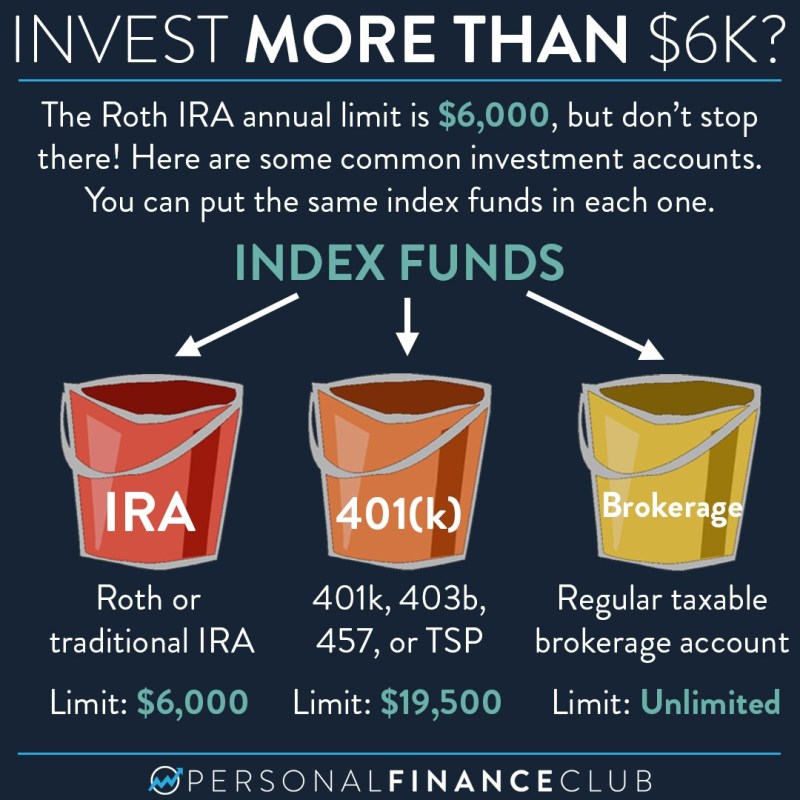
Before diving into specific investments, it’s crucial to grasp the fundamental nature of a Roth IRA. It’s not an investment itself; rather, it’s a special type of investment account that holds your investments. Think of it as a protective wrapper that confers specific tax advantages on the assets held inside.
What is a Roth IRA Account?
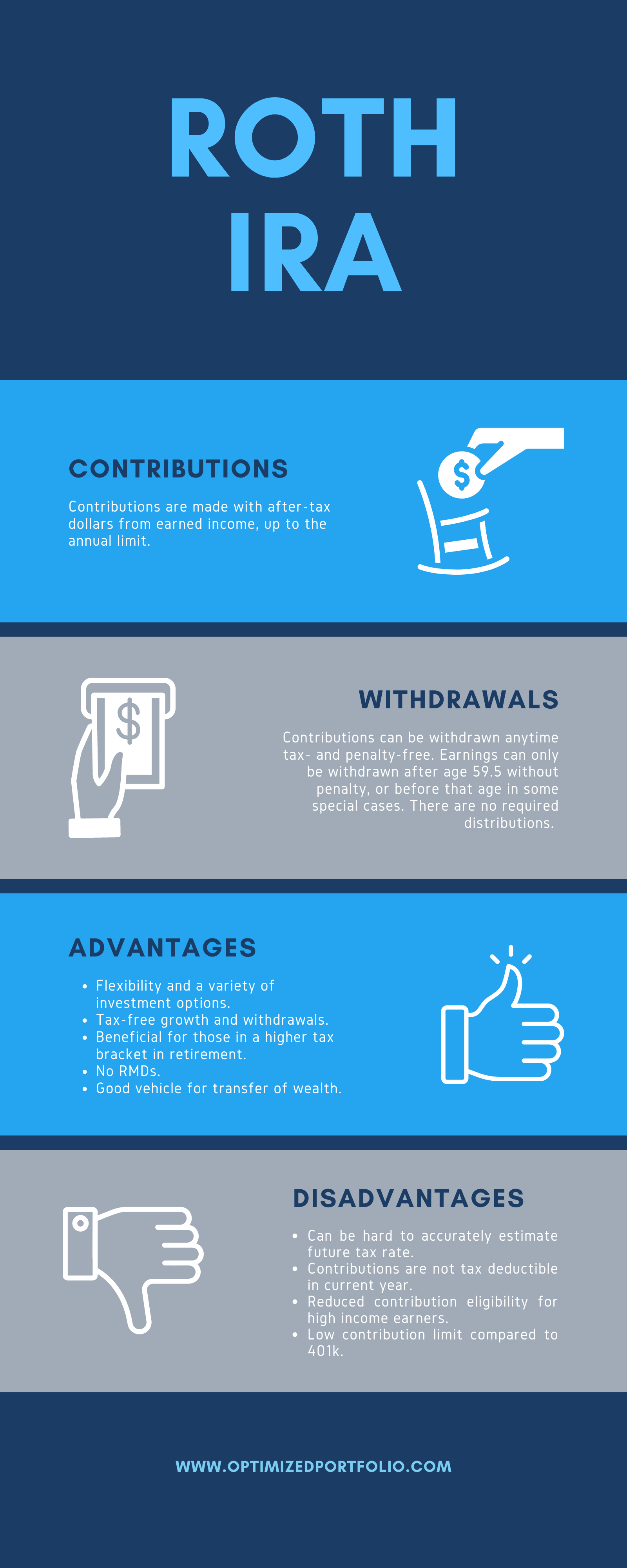
A Roth IRA is an individual retirement arrangement that allows qualified distributions to be made tax-free in retirement. Unlike a traditional IRA, contributions to a Roth IRA are made with after-tax dollars. This means you don’t get an immediate tax deduction for your contributions. However, the immense benefit comes later: all earnings grow tax-free, and qualified withdrawals in retirement are completely tax-free.
There are annual contribution limits set by the IRS, which can vary year to year, along with income phase-out limits that restrict who can contribute directly to a Roth IRA based on their modified adjusted gross income (MAGI). For those above the income limits, a “backdoor Roth IRA” strategy might be an option, involving contributing to a traditional IRA and then converting it to a Roth.
Key Benefits of a Roth IRA
The advantages of a Roth IRA extend beyond simple tax-free withdrawals:
- Tax-Free Withdrawals in Retirement: This is the flagship benefit. Once you’re age 59½ and have had the Roth IRA open for at least five years (the “five-year rule”), all withdrawals of contributions and earnings are tax-free. This is invaluable, especially if you anticipate being in a higher tax bracket in retirement.
- Flexibility for Early Withdrawals: Unlike traditional IRAs, you can withdraw your contributions at any time, for any reason, without tax or penalty. This provides a valuable emergency fund safety net, though it’s generally not recommended as it depletes your retirement savings. Earnings, however, are subject to the same rules as traditional IRA withdrawals if taken early.
- No Required Minimum Distributions (RMDs) for the Original Owner: Unlike traditional IRAs and 401(k)s, Roth IRAs do not require you to start taking distributions at a certain age. This allows your money to continue growing tax-free for as long as you live, offering greater flexibility in your retirement income planning and potentially beneficial estate planning.
- Estate Planning Advantages: Due to the absence of RMDs, a Roth IRA can be a powerful wealth transfer tool. You can pass a Roth IRA to your beneficiaries, who can then take tax-free distributions over their lifetime, extending the tax-free growth period for decades.
Choosing the Right Brokerage for Your Roth IRA
Once you’ve decided to fund a Roth IRA, the next practical step is selecting a financial institution, or brokerage, where you’ll open the account and hold your investments. This decision is as important as the investments themselves, as the right brokerage can enhance your investing experience and minimize costs.
Factors to Consider When Selecting a Brokerage
Not all brokerages are created equal. The “best” choice depends on your individual needs, investment style, and experience level.
- Investment Options: A crucial consideration is the range of investment products offered. Do they provide access to individual stocks, bonds, mutual funds (both proprietary and third-party), Exchange-Traded Funds (ETFs), Certificates of Deposit (CDs), and potentially more complex instruments? A wide selection allows for greater diversification and tailored portfolio construction.
- Fees: Fees can significantly erode your returns over time. Look for brokerages with:
- Low or zero trading commissions: Many platforms now offer commission-free trading for stocks and ETFs.
- Low expense ratios: If you plan to invest in mutual funds or ETFs, research their expense ratios (annual fees charged as a percentage of your investment). Vanguard and Fidelity, for instance, are known for their low-cost index funds and ETFs.
- Account maintenance fees: Some brokerages charge annual fees, though these are becoming less common, especially for accounts above a certain balance.
- Other fees: Be aware of fees for wire transfers, inactivity, or paper statements.
- User Interface and Tools: A user-friendly platform is vital, especially for beginners. Look for clear navigation, intuitive research tools, educational resources (articles, webinars), and portfolio analysis features. Advanced investors might seek sophisticated charting, screening tools, and real-time data.
- Customer Service: Accessible and knowledgeable customer support can be invaluable when you have questions or encounter issues. Check their contact methods (phone, chat, email) and hours of operation.
- Minimum Deposit Requirements: Some brokerages require a minimum initial deposit to open an account or to invest in certain funds. However, many now offer accounts with no minimums, making investing accessible to everyone.
Popular Brokerage Options (Examples)
Several well-regarded brokerages offer Roth IRA accounts, each with its strengths:
- Fidelity: Known for its extensive selection of mutual funds (including many with zero expense ratios), commission-free ETFs, robust research tools, and excellent customer service. Good for all types of investors.
- Vanguard: A favorite among passive investors, Vanguard is famous for its low-cost index funds and ETFs. It’s structured as a client-owned company, which helps keep costs down. Ideal for those who prefer a “set it and forget it” approach with broad market exposure.
- Charles Schwab: Similar to Fidelity, Schwab offers a wide array of investment choices, strong research capabilities, and competitive pricing.
- M1 Finance: A unique platform that combines automated investing with personalization. Users create “pies” of investments (stocks and ETFs), and M1 automatically invests new contributions according to their target allocations. It’s commission-free and great for those who want automation with some customization.
- Robo-Advisors (e.g., Betterment, Wealthfront): These platforms use algorithms to build and manage diversified portfolios based on your risk tolerance and goals. They offer hands-off investing, automatic rebalancing, and tax-loss harvesting, typically for a small advisory fee (e.g., 0.25% per year). Excellent for beginners or those who prefer a fully managed solution.
Navigating Investment Options Within Your Roth IRA
Once you’ve chosen a brokerage, the next step is to decide what to invest in. Your Roth IRA can hold a wide range of assets, each with its own risk and return profile. The key is to select investments that align with your financial goals, risk tolerance, and time horizon until retirement.
Core Investment Categories
Understanding the basic building blocks of a diversified portfolio is essential:
- Stocks: Represent ownership in a company. They offer the highest potential for long-term growth but also carry the most risk due to market volatility. You can invest in individual stocks (higher risk, requires more research) or gain broad market exposure through stock mutual funds or ETFs.
- Bonds: Essentially loans to governments or corporations. Bonds are generally less volatile than stocks and provide a steady stream of income (interest payments). They serve as a stabilizing force in a portfolio, especially during market downturns. However, their returns are typically lower than stocks over the long term.
- Mutual Funds & Exchange-Traded Funds (ETFs): These are professionally managed collections of stocks, bonds, or other securities. They offer instant diversification, as a single fund can hold hundreds or thousands of individual assets.
- Index Funds: A type of mutual fund or ETF that aims to replicate the performance of a specific market index (e.g., S&P 500, total stock market, total bond market). They are passively managed, have very low expense ratios, and historically have outperformed most actively managed funds over the long term. They are a cornerstone of many successful Roth IRA portfolios.
- Target-Date Funds: A “fund of funds” that automatically adjusts its asset allocation (the mix of stocks and bonds) over time. You select a fund based on your approximate retirement year (e.g., “2050 Target-Date Fund”), and the fund gradually shifts from a more aggressive (higher stock) allocation to a more conservative (higher bond) allocation as you approach retirement. These are excellent “set it and forget it” options for hands-off investors.
- Certificates of Deposit (CDs) & Money Market Funds: These are low-risk, low-return options primarily used for capital preservation or for short-term savings within your Roth IRA. They typically don’t offer significant growth potential but can be useful for very conservative investors or for parking cash temporarily.
Diversification and Asset Allocation Strategies
The foundation of sound investing is diversification and appropriate asset allocation.
- Diversification: Spreading your investments across different asset classes, industries, and geographies to reduce risk. The goal is that if one investment performs poorly, others may perform well, cushioning the overall impact on your portfolio. Don’t put all your eggs in one basket.
- Asset Allocation: The process of dividing your investment portfolio among different asset categories, such as stocks, bonds, and cash. Your ideal asset allocation depends primarily on your risk tolerance and time horizon.
- Younger Investors (longer time horizon): Can typically afford to take on more risk, often allocating a higher percentage to stocks (e.g., 80-90% stocks, 10-20% bonds) to maximize growth potential.
- Older Investors (shorter time horizon, closer to retirement): May prefer a more conservative approach with a higher allocation to bonds and less volatile assets (e.g., 40-60% stocks, 40-60% bonds) to preserve capital.
- Simple Portfolios: Many investors successfully use a “three-fund portfolio” (e.g., a total U.S. stock market index fund, a total international stock market index fund, and a total U.S. bond market index fund) to achieve broad diversification with minimal effort and cost.
- Rebalancing: Periodically adjusting your portfolio back to your target asset allocation. For example, if stocks have performed exceptionally well, your stock allocation might exceed your target. Rebalancing involves selling some of the outperforming assets and buying more of the underperforming ones to maintain your desired risk level.
Strategic Considerations for Roth IRA Investing
Beyond choosing investments, a strategic mindset is crucial for long-term Roth IRA success.
Risk Tolerance and Time Horizon
These two factors are paramount in shaping your investment strategy:
- Risk Tolerance: How comfortable are you with the potential for your investment value to fluctuate? Someone with a high-risk tolerance can stomach market downturns in pursuit of higher returns, while someone with a low-risk tolerance might prioritize stability over aggressive growth.
- Time Horizon: The length of time you have until you need to access the money. If retirement is decades away, you have a long time horizon, allowing you to recover from market dips and benefit from long-term growth. If retirement is near, your time horizon is short, requiring a more conservative approach to protect your accumulated capital.
Aligning your investments with these factors prevents emotional decisions during market volatility.
The Power of Compounding
The Roth IRA, with its tax-free growth, is an ideal vehicle to harness the power of compounding. Compounding is the process where your investment earnings also start earning returns, leading to exponential growth over time.
- Start Early: The earlier you begin contributing, the more time your money has to compound. Even small, consistent contributions made early can significantly outperform larger contributions made later.
- Regular Contributions: Make contributing to your Roth IRA a habit. Automating monthly or bi-weekly contributions ensures you stay on track and benefit from dollar-cost averaging (investing a fixed amount regularly, which helps smooth out market fluctuations).
Avoiding Common Pitfalls
Even with the best intentions, investors can fall prey to common mistakes:
- Market Timing: Attempting to predict market highs and lows to buy low and sell high. This strategy rarely works consistently and often leads to missing out on significant market gains.
- Chasing Hot Stocks or Trends: Investing in assets purely because they’ve performed well recently, often leading to buying high and selling low when the trend reverses.
- Over-diversification or Under-diversification: Having too many similar investments (over-diversification) can dilute returns and make a portfolio unwieldy. Having too few investments (under-diversification) exposes you to unnecessary risk.
- Emotional Investing: Making impulsive decisions based on fear or greed during market swings. Stick to your long-term plan and asset allocation strategy.

Conclusion
The Roth IRA is an exceptional tool for building tax-free wealth for retirement. Understanding that it’s an account wrapper, not an investment itself, is the first step. Carefully selecting a brokerage that aligns with your needs and then populating that account with a diversified portfolio of appropriate investments are the subsequent, critical actions.
Whether you opt for the simplicity of a target-date fund, the low-cost efficiency of index ETFs, or a custom blend of individual stocks and bonds, the key is to start early, contribute consistently, and remain disciplined. By understanding the options, mitigating risks through diversification, and leveraging the power of compounding, you can position your Roth IRA to deliver a comfortable, tax-free retirement. Begin your research today, open that account, and start investing for your future.
aViewFromTheCave is a participant in the Amazon Services LLC Associates Program, an affiliate advertising program designed to provide a means for sites to earn advertising fees by advertising and linking to Amazon.com. Amazon, the Amazon logo, AmazonSupply, and the AmazonSupply logo are trademarks of Amazon.com, Inc. or its affiliates. As an Amazon Associate we earn affiliate commissions from qualifying purchases.