
Investing for retirement is one of the most crucial financial decisions an individual can make. Among the various tax-advantaged accounts available, the Roth IRA stands out as a powerful tool for building wealth that can be accessed tax-free in retirement. Unlike traditional IRAs, where contributions are tax-deductible and withdrawals are taxed in retirement, Roth IRAs involve after-tax contributions, but qualified withdrawals in retirement are entirely tax-free. This unique structure makes it an incredibly attractive option, especially for younger investors who anticipate being in a higher tax bracket in the future, or anyone seeking tax diversification in their retirement portfolio. However, merely contributing to a Roth IRA isn’t enough; the real magic happens when those contributions are strategically invested. This guide will walk you through the essentials of investing your Roth IRA, from understanding its core advantages to implementing effective investment strategies and avoiding common pitfalls, empowering you to maximize your retirement savings potential.
Understanding the Roth IRA Advantage
To truly harness the power of a Roth IRA, it’s essential to grasp its fundamental benefits, which distinguish it from other retirement vehicles. These advantages make it a cornerstone of a robust financial plan for millions.
Tax-Free Growth and Withdrawals
The most compelling feature of a Roth IRA is its tax treatment. Contributions are made with after-tax dollars, meaning you don’t get an upfront tax deduction like with a traditional IRA. However, once your money is in the Roth IRA, it grows completely tax-free. More importantly, qualified withdrawals in retirement—which typically means you are at least 59½ years old and the account has been open for five years—are also entirely tax-free. This is a significant advantage, as it means you’ll never owe federal income tax on your investment gains or original contributions when you take money out in retirement. Imagine decades of compounding returns, all shielded from the IRS. This predictability regarding future tax liabilities is a major draw for long-term financial planning.
Flexibility and Accessibility
Beyond the tax benefits, Roth IRAs offer a remarkable degree of flexibility. Unlike other retirement accounts, your original contributions can be withdrawn at any time, for any reason, completely tax-free and penalty-free. This accessibility can provide a valuable emergency fund or a safety net, although it’s generally not advisable to dip into retirement savings unless absolutely necessary. Furthermore, there are no required minimum distributions (RMDs) during the original account owner’s lifetime. This means you can leave your money invested for as long as you wish, allowing it to continue growing tax-free for your entire life, and potentially passing it on to beneficiaries who can also enjoy tax-free withdrawals for a certain period. This flexibility provides unparalleled control over your retirement assets.
Estate Planning Benefits
The absence of RMDs during the owner’s lifetime makes Roth IRAs an excellent estate planning tool. If you don’t need the money in retirement, you can let it continue to grow tax-free for your heirs. When inherited by a spouse or non-spouse beneficiary, the account can typically be transferred and continue to grow for a period, offering significant tax advantages to the next generation. This can be a powerful way to leave a tax-advantaged legacy, ensuring your wealth continues to work for your loved ones without immediate tax burdens that often accompany other inherited assets.
Steps to Open and Fund Your Roth IRA
Embarking on your Roth IRA investment journey requires a few practical steps, from determining your eligibility to choosing the right platform and making your initial contributions. Understanding these foundational steps is crucial for a smooth and effective setup.
Eligibility Requirements
Not everyone is eligible to contribute directly to a Roth IRA. The primary limitations revolve around income. For 2024, if your modified adjusted gross income (MAGI) is below $146,000 for single filers or $230,000 for married filing jointly, you can contribute the maximum allowable amount. As your income rises, the amount you can contribute phases out, eventually becoming zero above $161,000 for singles and $240,000 for married filing jointly. It’s also critical to have “earned income” (income from wages, salaries, or self-employment) at least equal to your contribution amount for the year. If your income exceeds the direct contribution limits, you might still have an option through the “backdoor Roth IRA” strategy, which involves contributing to a traditional IRA and then converting it to a Roth. This strategy, however, has specific tax implications and should be discussed with a financial advisor.
Choosing a Brokerage Firm
Once you’ve confirmed your eligibility, the next step is to choose where to open your Roth IRA. A brokerage firm will custody your account and provide access to investment products. Key factors to consider when selecting a firm include:
- Fees: Look for low-cost or no-commission trading for ETFs and mutual funds. High fees can significantly erode your long-term returns.
- Investment Options: Ensure the firm offers a wide range of investment choices that align with your strategy, such as low-cost index funds, ETFs, individual stocks, and bonds.
- User Interface and Tools: A user-friendly platform, robust research tools, and educational resources can greatly enhance your investing experience, especially for beginners.
- Customer Service: Responsive and knowledgeable customer support can be invaluable when you have questions or need assistance.
- Reputation and Security: Choose a reputable firm with strong security measures to protect your assets.
Popular choices often include large, well-established firms like Vanguard, Fidelity, Charles Schwab, and newer online platforms such as M1 Finance or E*TRADE, each with its own strengths and niches.
Funding Your Account
After choosing a brokerage, you’ll need to open and fund your account. The annual contribution limit for a Roth IRA for 2024 is $7,000, or $8,000 if you are age 50 or older. You can contribute up to this amount each year, regardless of how much you earn, as long as you meet the MAGI thresholds. Contributions can be made as a lump sum or through regular deposits (e.g., monthly). Consistent contributions, especially when combined with dollar-cost averaging, can be a powerful strategy. Many investors choose to automate their contributions directly from their checking account to ensure they consistently fund their Roth IRA and take full advantage of the annual limits. Remember, while you can withdraw contributions without penalty, the goal is to invest this money for long-term growth.
Core Investment Strategies for Your Roth IRA
The real power of a Roth IRA comes from its investment potential. Simply holding cash will not generate the returns needed for a comfortable retirement. Thoughtful investment strategies are paramount to maximizing your tax-free growth.
Asset Allocation: The Foundation of Investing
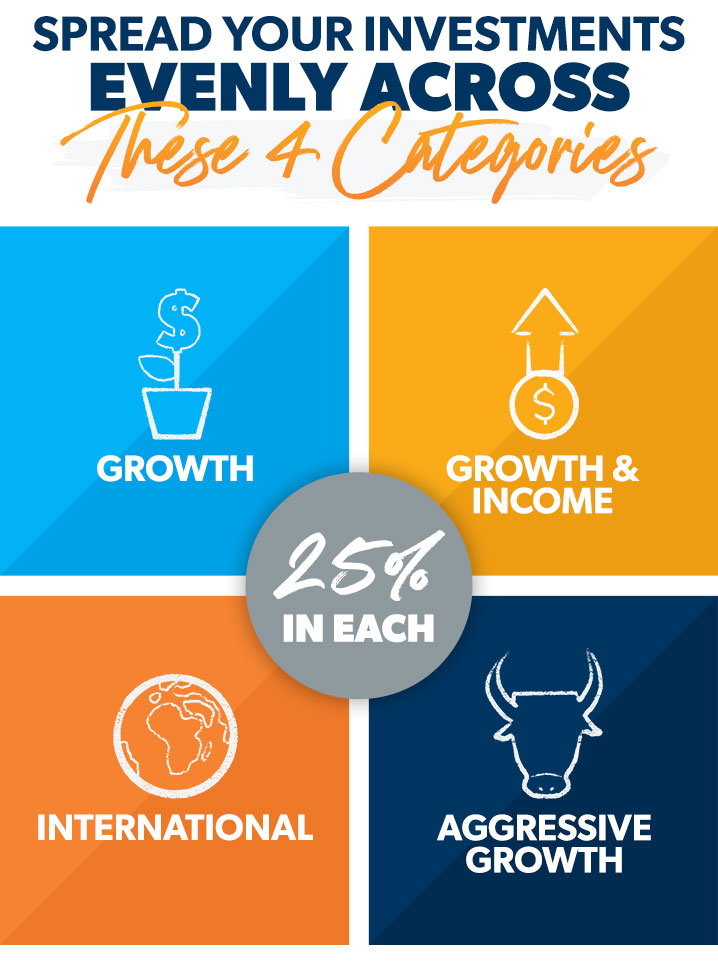
Asset allocation is the process of dividing your investment portfolio among different asset categories, such as stocks, bonds, and cash equivalents. This is arguably the most critical decision an investor makes. Stocks offer higher growth potential but come with greater volatility, while bonds typically provide stability and income, with lower growth potential. Cash equivalents offer liquidity but minimal returns.
The ideal asset allocation depends on your individual circumstances, primarily your time horizon and risk tolerance. If you’re young and have decades until retirement, a more aggressive allocation heavily weighted towards stocks (e.g., 80-90% stocks) is often appropriate, as you have time to recover from market downturns. As you approach retirement, you might gradually shift towards a more conservative allocation with a higher percentage of bonds to protect your accumulated capital. A common rule of thumb is to subtract your age from 110 or 120 to determine the percentage you should have in stocks, though this is a simplification and personal circumstances vary.
Low-Cost Index Funds and ETFs
For most investors, especially those new to investing or those who prefer a hands-off approach, low-cost index funds and exchange-traded funds (ETFs) are excellent choices for a Roth IRA. These funds offer instant diversification by investing in a broad market index (like the S&P 500, which tracks 500 of the largest U.S. companies, or a total U.S. stock market index) at a very low cost.
- Index Funds: These are mutual funds designed to match the performance of a specific market index. They are passively managed, meaning they don’t have a team of analysts trying to “beat the market,” which keeps their expense ratios (annual fees) very low.
- ETFs (Exchange-Traded Funds): Similar to index funds, but they trade like individual stocks on an exchange throughout the day. Many ETFs are also passively managed and track specific indexes, offering diversification and low costs.
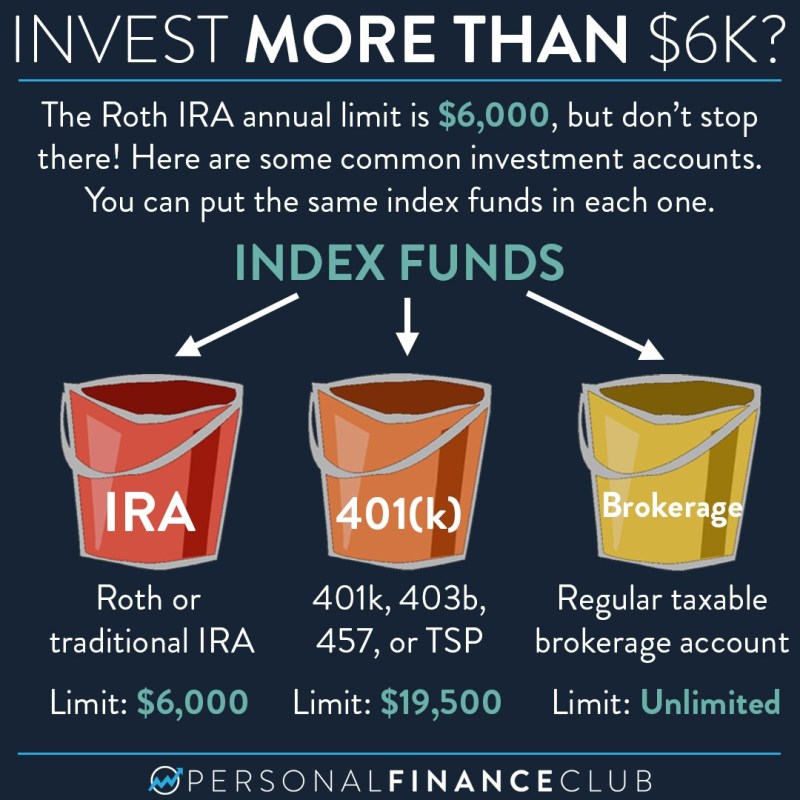
Examples include Vanguard’s VTSAX (Total Stock Market Index Fund Admiral Shares) or SPDR S&P 500 ETF (SPY). Investing in a combination of a total U.S. stock market fund, an international stock market fund, and a total bond market fund can create a highly diversified portfolio that aligns with your asset allocation strategy, all within a Roth IRA.
Target-Date Funds
For investors who desire a truly hands-off approach, target-date funds (TDFs) can be an ideal solution for a Roth IRA. A TDF is a mutual fund that automatically adjusts its asset allocation over time. You select a fund based on your approximate retirement year (e.g., a “2050 Target-Date Fund”). Initially, the fund will hold a higher percentage of stocks. As the target date approaches, the fund’s managers gradually shift the allocation to include more conservative investments like bonds, reducing risk as you get closer to needing the money. This “set it and forget it” strategy provides professional management and automatic rebalancing, making it a convenient option for many.
Individual Stocks (with Caution)
While index funds and ETFs are generally recommended for the core of a Roth IRA, some investors may choose to allocate a smaller portion of their portfolio to individual stocks. This can offer the potential for higher returns if you select winning companies, but it also carries significantly higher risk and requires considerable research and monitoring. Picking individual stocks demands a deep understanding of financial analysis, industry trends, and market dynamics. For most, especially those without the time or expertise, a diversified approach through funds is safer and more effective for long-term retirement savings. If you do venture into individual stocks, remember to diversify across different companies and sectors, and never put all your eggs in one basket.
Advanced Considerations and Portfolio Management
Successfully investing your Roth IRA is not a one-time event; it requires ongoing attention to ensure your portfolio remains aligned with your goals and risk tolerance. Proactive management and a long-term perspective are key to sustained growth.
Rebalancing Your Portfolio
Over time, the market performance of different asset classes will cause your initial asset allocation to drift. For example, if stocks significantly outperform bonds, your portfolio might end up with a higher percentage of stocks than originally intended. Rebalancing is the process of adjusting your portfolio back to your target asset allocation. This typically involves selling some of the assets that have performed well (and now represent a larger portion of your portfolio) and using those proceeds to buy assets that have underperformed (and now represent a smaller portion).
Rebalancing can be done periodically (e.g., once a year) or when an asset class deviates by a certain percentage from its target. It’s a disciplined way to manage risk, ensure you don’t become overexposed to one asset class, and implicitly “buy low and sell high” by trimming winners and adding to losers. Since Roth IRA withdrawals are tax-free in retirement, rebalancing within the account doesn’t trigger capital gains taxes, making it an ideal place to manage your asset allocation freely.
The Power of Dollar-Cost Averaging
Dollar-cost averaging (DCA) is an investment strategy where you invest a fixed amount of money at regular intervals, regardless of the market’s current price. For example, instead of investing $7,000 at the beginning of the year in one lump sum, you might invest $583.33 every month.
The primary benefit of DCA is that it removes the need to time the market. When prices are high, your fixed investment buys fewer shares. When prices are low, the same fixed investment buys more shares. Over time, this strategy averages out your purchase price, reducing the risk of investing a large sum right before a market downturn. It’s a disciplined and effective way to build wealth steadily in your Roth IRA, mitigating volatility and capitalizing on market fluctuations without actively trying to predict them.
Long-Term Mindset and Avoiding Market Timing
One of the greatest challenges for investors is resisting the urge to react to short-term market fluctuations. News headlines about economic downturns, geopolitical events, or sudden market drops can create panic and lead investors to sell their holdings, often locking in losses. Conversely, periods of rapid growth can tempt investors to chase “hot” stocks, often buying high.
Successful Roth IRA investing demands a long-term mindset. Focus on your goals decades away, not on daily market movements. History shows that markets tend to trend upwards over the long run, despite numerous short-term corrections and bear markets. Attempting to “time the market”—buying at the absolute bottom and selling at the absolute top—is notoriously difficult and usually leads to worse returns than simply staying invested. Develop an investment plan based on your risk tolerance and time horizon, stick to it, and resist the emotional impulses to deviate.
Common Pitfalls to Avoid
Even with the best intentions, investors can fall prey to certain mistakes that hinder their Roth IRA’s growth. Being aware of these common pitfalls can help you navigate your investment journey more effectively.
Ignoring Investment Choices (The “Cash Drag”)
Perhaps the most significant and common mistake is simply contributing money to a Roth IRA but failing to invest it. Many brokerage accounts default to holding contributions in a money market fund or cash equivalent. While this provides liquidity, it generates minimal returns, especially in low-interest-rate environments. This “cash drag” means your money isn’t growing at its full potential, completely negating the tax-free growth benefit of the Roth IRA. Always ensure that your contributions are actively invested in appropriate funds or stocks once they hit your account. Your Roth IRA should be a growth engine, not a savings account.
Chasing Hot Stocks/Trends
The allure of quick riches can be strong, leading some investors to chase after “hot” stocks, speculative assets, or trendy investment fads. While some might get lucky, this strategy is fraught with peril. Investing in highly speculative assets often results in significant losses, especially for inexperienced investors. Remember, investing in a Roth IRA is about long-term wealth accumulation and security, not speculative gambling. Stick to diversified, well-researched investments that align with your long-term financial goals, rather than trying to replicate the latest Wall Street sensation.
High Fees
Fees, even seemingly small ones, can have a devastating impact on your long-term returns due to the power of compounding. High expense ratios on mutual funds, excessive trading commissions, or unnecessary advisory fees can collectively siphon off tens of thousands, or even hundreds of thousands, of dollars from your Roth IRA over several decades. Always scrutinize the expense ratios of any funds you invest in (aim for expense ratios below 0.10-0.20% for index funds) and choose brokerages with low or no trading fees for your chosen investment products. Every dollar saved on fees is a dollar that stays invested and continues to grow for you.
Not Contributing Enough or Regularly
Many investors either don’t contribute the maximum allowable amount to their Roth IRA each year or fail to contribute consistently. Every year you miss or under-contribute means losing out on valuable tax-free growth potential. The power of compounding returns is most effective over long periods with consistent contributions. Even small, regular contributions can grow into substantial sums over decades. Set up automated contributions if possible, and aim to contribute the maximum amount each year if your financial situation allows. The earlier and more consistently you contribute, the greater the impact of compounding on your future retirement nest egg.

Conclusion
The Roth IRA is an indispensable tool for building a secure and tax-advantaged retirement. Its unique combination of tax-free growth and withdrawals, coupled with remarkable flexibility, makes it a powerful component of any comprehensive financial plan. However, the true benefit of a Roth IRA is only realized when its funds are thoughtfully invested. By understanding its advantages, diligently opening and funding your account, and employing sound investment strategies centered on diversification, low-cost funds, and a long-term mindset, you can maximize your Roth IRA’s potential.
Remember to choose a reputable brokerage, set a sensible asset allocation that matches your risk tolerance and time horizon, and consider the efficiency of index funds, ETFs, or target-date funds. Above all, cultivate patience, avoid common pitfalls like letting cash sit idle or chasing speculative trends, and commit to consistent contributions. Your future self will thank you for taking proactive steps today to invest your Roth IRA wisely, paving the way for a financially comfortable and tax-free retirement.
aViewFromTheCave is a participant in the Amazon Services LLC Associates Program, an affiliate advertising program designed to provide a means for sites to earn advertising fees by advertising and linking to Amazon.com. Amazon, the Amazon logo, AmazonSupply, and the AmazonSupply logo are trademarks of Amazon.com, Inc. or its affiliates. As an Amazon Associate we earn affiliate commissions from qualifying purchases.