
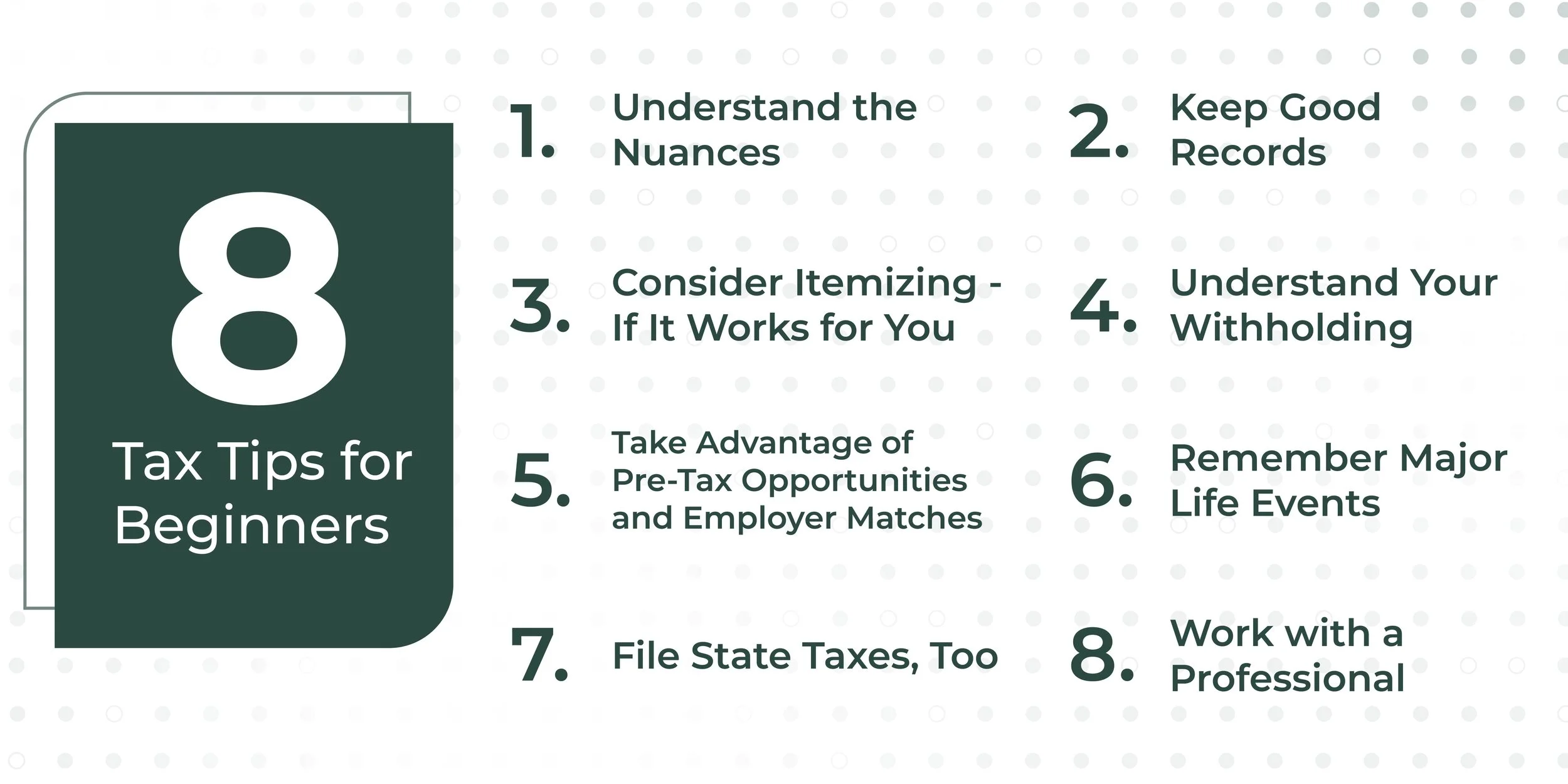
Determining the optimal time to file your annual tax return is a critical decision that can significantly impact your financial well-being, stress levels, and even your vulnerability to fraud. While the Internal Revenue Service (IRS) sets a definitive deadline, there isn’t a single “best” time that applies to everyone. The ideal moment depends heavily on your individual financial circumstances, whether you anticipate a refund or owe taxes, the complexity of your income and deductions, and your personal organizational habits. Understanding the nuances of early versus later filing can empower you to make an informed choice that aligns with your specific needs.
Understanding the Tax Filing Deadline
The cornerstone of all tax filing considerations is the official deadline. Missing it can lead to penalties and unnecessary financial strain.
The Standard Deadline
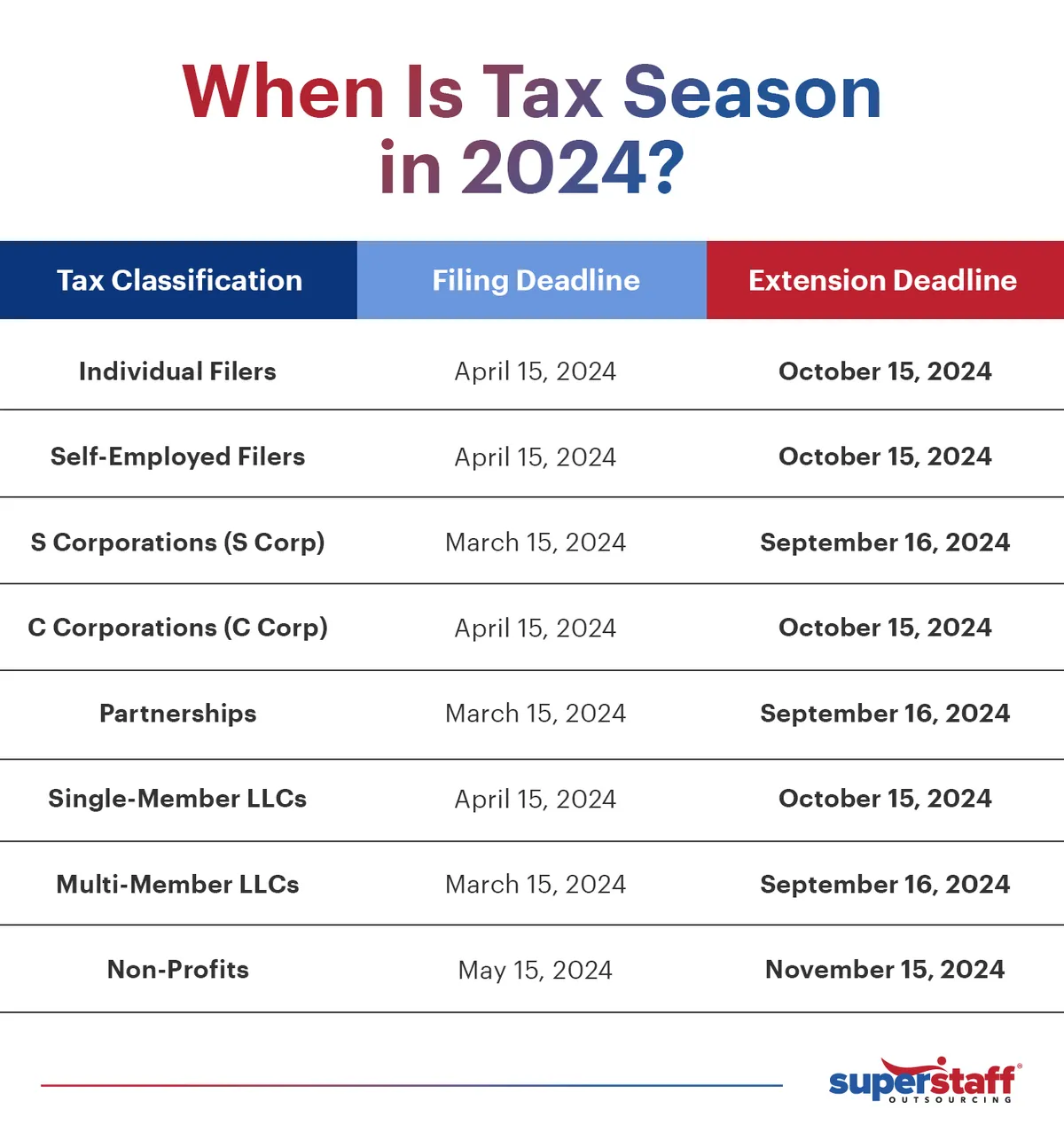
For most individual taxpayers in the United States, the standard deadline to file federal income tax returns is April 15th of each year. If April 15th falls on a weekend or a holiday, the deadline is typically pushed to the next business day. State income tax deadlines often align with the federal one but can vary, so it’s essential to confirm both. This deadline applies to both filing your return and paying any taxes you owe for the previous tax year.
Extensions: A Delay, Not a Forgiveness
If you find you cannot meet the April 15th deadline, you can request an extension to file your return. Filing Form 4868, Application for Automatic Extension of Time to File U.S. Individual Income Tax Return, grants you an automatic six-month extension, typically pushing your filing deadline to October 15th.
It is crucial to understand that an extension to file is not an extension to pay. If you anticipate owing taxes, you must still estimate and pay those taxes by the original April 15th deadline to avoid potential penalties and interest charges. The extension merely gives you more time to complete your paperwork accurately, not to defer your tax liability. Failing to pay by the April deadline, even with an extension to file, can result in failure-to-pay penalties and interest accruing on the unpaid amount from April 15th until the payment is received.
Special Cases
Certain situations warrant extended deadlines automatically without needing to file Form 4868. For example, U.S. citizens and resident aliens living and working abroad may receive an automatic two-month extension to June 15th. Members of the military serving in combat zones also qualify for extended deadlines, as do individuals affected by federally declared disasters. Always check the IRS website for the most current information regarding these special provisions.
The Case for Early Filing
Many financial experts advocate for filing taxes as early as possible, especially once all necessary documents have been received. There are several compelling reasons why this strategy can be beneficial.
Quicker Refunds
For the millions of Americans who are due a refund, filing early is almost universally the “best” time. The sooner you file an accurate return, the sooner the IRS processes it and issues your refund. This can provide a much-needed cash infusion for various purposes, whether it’s paying down debt, boosting savings, or covering immediate expenses. Waiting until the last minute only delays access to funds that are rightfully yours.
Ample Time for Accuracy
Tax season can be stressful, and rushing to meet a looming deadline increases the chances of making costly errors. Filing early provides a more relaxed environment to gather all your documents, carefully review your income and deductions, and double-check your calculations. This reduced pressure can lead to a more accurate return, minimizing the risk of an IRS audit, penalties, or the need for an amended return later.
Avoiding Scams and Identity Theft
Unfortunately, tax season is prime time for fraudsters. Tax-related identity theft occurs when criminals use your stolen Social Security number to file a fraudulent tax return and claim a refund in your name. When you file early, you preempt these criminals. If the IRS receives a legitimate return with your SSN before a fraudulent one, it’s far more difficult for the fraudster to succeed. This proactive measure provides an important layer of security for your financial identity.
Opportunity for Financial Planning
Filing early allows you to know your tax liability or refund amount well in advance. If you owe taxes, this early knowledge gives you more time to save the necessary funds or adjust your budget accordingly before the April 15th payment deadline. If you’re expecting a refund, you have more time to plan how to best utilize those funds, whether for investment, debt reduction, or a significant purchase, without feeling rushed.
Access to Professional Help
Tax professionals often see their schedules fill up rapidly as the April deadline approaches. By initiating your tax preparation early, you have a better chance of securing an appointment with your preferred accountant or tax advisor. Their early availability means they can dedicate more time to understanding your situation, identifying potential deductions or credits, and offering strategic advice that might not be possible during the peak, hurried weeks.
The Case for Filing Later (But Before the Deadline)
While early filing offers many advantages, there are legitimate reasons why some taxpayers strategically choose to file closer to the April 15th deadline, or even opt for an extension.
Gathering All Documents
For many, the biggest hurdle to early filing is simply not having all the necessary documentation. Employers, banks, brokers, and other financial institutions have deadlines for sending out W-2s, 1099s, K-1s, and other tax forms, often in late January or even mid-March for some complex forms like K-1s. If you have various income sources, investments, or business interests, it’s not uncommon to receive corrected forms or late-arriving statements. Filing prematurely without all information can lead to errors and the need to file an amended return, which is more cumbersome. Waiting until you have every document ensures accuracy from the start.
Last-Minute Tax-Saving Moves
For those who are proactive about tax planning, waiting until closer to the deadline allows for last-minute contributions that can reduce taxable income for the previous year. You can contribute to traditional IRAs, HSAs (Health Savings Accounts), and certain other retirement accounts for the prior tax year right up until the April 15th filing deadline. If you’re considering these deductions, waiting gives you more time to make those contributions and factor them into your return. Similarly, charitable donations made by April 15th can sometimes be applied to the prior tax year, offering another opportunity for last-minute tax reduction.
Clarity on Complex Situations
Tax laws can be intricate and subject to interpretation, especially for business owners, self-employed individuals, or those with complex investment portfolios. Sometimes, new guidance or clarifications from the IRS are issued closer to the filing deadline. Waiting allows time for a clearer understanding of how new regulations might apply to your specific situation, potentially leading to more advantageous tax treatment or avoiding misinterpretations. This is particularly relevant if you are working with a tax professional who needs time to research or clarify ambiguous areas of tax law.
Cash Flow Management (If Owing Taxes)
If you anticipate owing taxes, filing closer to the deadline (but before it, of course) can be a strategic move for cash flow management. By holding onto your money longer, you keep those funds available in your bank account, potentially earning a small amount of interest, or allowing you to use them for other immediate financial obligations without incurring debt. The key here is that you must still pay the taxes due by April 15th, even if you submit your return just before the deadline. This strategy is about maximizing the float on your money, not delaying the payment itself.
Navigating Common Filing Scenarios
Your personal financial outlook for the tax year should heavily influence your filing timeline.
You Expect a Refund
If you are confident you’re due a refund, filing as early as possible after receiving all your tax documents is almost always the best strategy. There’s no benefit to delaying the receipt of funds that are rightfully yours. Early filing ensures quicker access to your money, which you can then put to work for your financial goals.
You Expect to Owe Taxes
If you anticipate owing taxes, you have a bit more flexibility. You should still aim to prepare your return early to accurately determine your tax liability. Once you know the amount, you can plan how to pay it. You then have the option to pay the amount immediately or hold onto your cash until the April 15th payment deadline. This approach balances accuracy with cash flow management.
Complex Financial Situations
For individuals with complex tax situations—such as business owners, those with significant investment activity, rental properties, or foreign income—filing an extension to October 15th is often a prudent choice. This provides ample time to gather all necessary documentation, consult with tax professionals, and ensure every detail is accurately reported without rushing. Remember, estimate and pay any taxes due by April 15th to avoid penalties.
Missing Documents
Never file your return if you are missing essential documents like a W-2, 1099, or K-1. Filing an incomplete or inaccurate return is a bigger problem than filing late. If you are still waiting on crucial forms, request an extension. Contact the issuing entity (your employer, bank, broker) to inquire about the delay, but prioritize accuracy over speed when documents are outstanding.
Key Takeaways for Optimal Filing
Ultimately, the “best” time to file taxes is when you can submit a complete and accurate return that minimizes your tax liability and maximizes your financial benefits.
Prioritize Accuracy
Regardless of whether you file early or closer to the deadline, accuracy should be your top priority. Errors can lead to audits, penalties, and delays in processing refunds or resolving your tax obligations. Take the time to review every line item.
Plan Ahead
Start gathering your tax documents as soon as they become available, typically in January. Create a dedicated folder or digital space for all tax-related information throughout the year. This preparation makes the actual filing process much smoother and faster.
Don’t Confuse Filing with Paying
This cannot be stressed enough: an extension to file is not an extension to pay. If you owe taxes, you must still pay them by April 15th to avoid penalties and interest, even if you’ve requested an extension for the paperwork.
Utilize Technology Wisely
Modern tax software and online filing platforms can streamline the process, guide you through deductions, and perform calculations. However, always double-check your inputs and understand what you are reporting. Technology is a tool, not a substitute for due diligence.
Consult a Professional When Needed
For complex financial situations, significant life changes (marriage, divorce, new home, starting a business), or if you simply feel overwhelmed, consulting a qualified tax professional is an invaluable investment. They can identify opportunities for savings, ensure compliance, and provide peace of mind.
By understanding these factors and tailoring your approach to your unique circumstances, you can navigate tax season strategically, ensuring financial efficiency and compliance, rather than succumbing to last-minute stress.
aViewFromTheCave is a participant in the Amazon Services LLC Associates Program, an affiliate advertising program designed to provide a means for sites to earn advertising fees by advertising and linking to Amazon.com. Amazon, the Amazon logo, AmazonSupply, and the AmazonSupply logo are trademarks of Amazon.com, Inc. or its affiliates. As an Amazon Associate we earn affiliate commissions from qualifying purchases.