
The annual ritual of tax filing can often feel like a looming cloud, a complex maze of forms, deadlines, and financial calculations. A common question that arises as the calendar year draws to a close, or as January begins, is, “When exactly can I file my tax return?” While the answer might seem straightforward at first glance, the optimal time to file can vary significantly based on individual circumstances, the receipt of necessary documents, and whether you anticipate a refund or owe taxes. Understanding the official tax season, the strategic implications of early versus late filing, and the resources available can transform this annual obligation into a less daunting, more manageable task.
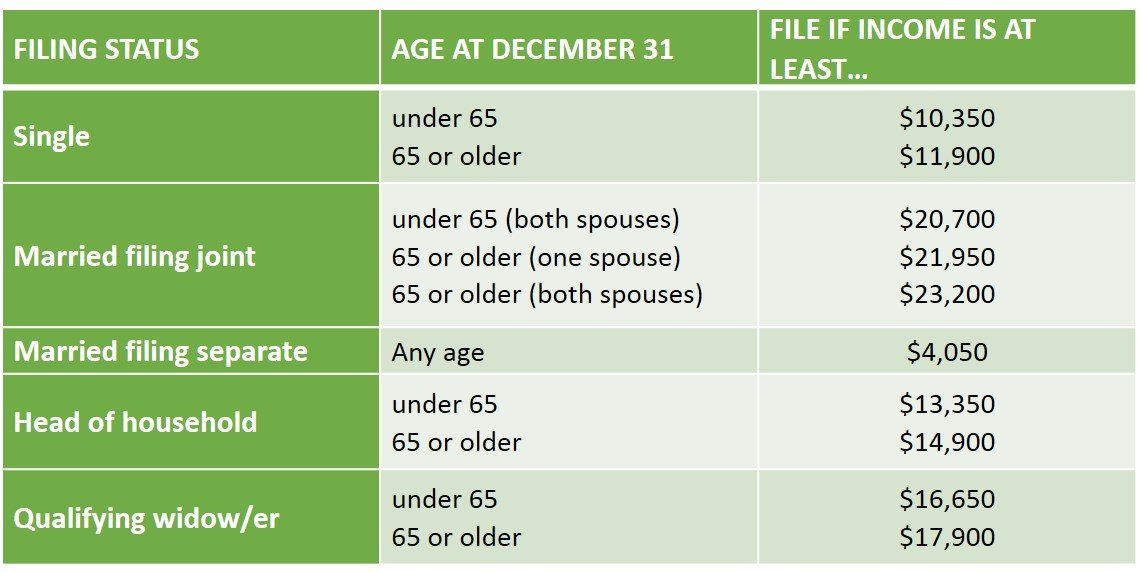
This comprehensive guide will demystify the tax filing timeline, offering insights into the official start and end dates, what you need to prepare, and strategic considerations to help you determine the best time to submit your return.
Understanding the Official Tax Season Calendar
Navigating the tax season effectively begins with a clear understanding of the established calendar set by the Internal Revenue Service (IRS) in the United States, or equivalent tax authorities in other jurisdictions. These dates dictate when tax systems are open for submissions and when liabilities must be settled.
The IRS Opening Day
Every year, the IRS announces an official “opening day” for the tax filing season. This date, typically falling in late January, signifies when the IRS systems are ready to accept and process federal tax returns for the previous tax year. For instance, returns for the 2023 tax year would typically begin to be accepted in late January 2024. This delay from January 1st is necessary to allow the IRS to finalize its systems, update forms, and ensure all regulatory changes for the new tax year are properly integrated. While some tax software providers might allow you to prepare and even “hold” your return before this date, it won’t be officially transmitted to the IRS until their systems are open. This opening day marks the absolute earliest you can file, but it’s not necessarily the earliest you should file, as we’ll explore.
The Traditional April Deadline
The most widely known date in the tax calendar is the primary deadline for filing individual federal income tax returns, which is traditionally April 15th for most taxpayers. If April 15th falls on a weekend or a holiday, the deadline is typically pushed to the next business day. This deadline applies to both filing your return and paying any taxes owed. It’s crucial to distinguish between these two actions: you must both file your return and pay your taxes by this date to avoid penalties and interest. This April deadline is a hard cutoff, and missing it without an extension can lead to significant financial repercussions. It’s also important to remember that state income tax deadlines often align with the federal deadline but can occasionally differ, requiring separate attention.
Extensions and Their Implications
If you find you cannot meet the April deadline, you have the option to file for an extension. For federal taxes, individuals can typically file Form 4868, Application for Automatic Extension of Time To File U.S. Individual Income Tax Return. This automatically grants you an additional six months to file, usually pushing your deadline to October 15th. However, it’s vital to understand a critical distinction: an extension provides more time to file your tax return, but it does not grant an extension of time to pay any taxes you owe. If you anticipate owing money, you should estimate your tax liability and pay that amount by the original April deadline to avoid interest and late-payment penalties. Failing to pay by the April deadline, even with an extension to file, can still result in penalties, making accurate estimation and payment crucial.
Preparing for Early Filing: What You Need to Know
While the IRS opens its doors in late January, successfully filing a complete and accurate return requires gathering all pertinent financial documents. The availability of these documents often dictates how early you can realistically file.
Gathering Essential Documents
Before you can even think about filing, you must have all your income statements and other relevant tax forms in hand. The most common documents include:
- Form W-2: Received from employers, reporting your annual wages and taxes withheld.
- Form 1099-NEC: For non-employee compensation (e.g., freelance or contract work).
- Form 1099-MISC: For miscellaneous income (e.g., rent, prizes).
- Forms 1099-INT, 1099-DIV, 1099-B: For interest income, dividends, and proceeds from stock/bond sales.
- Form 1099-R: For distributions from pensions, annuities, IRAs, etc.
- Form 1098: For mortgage interest paid.
- Form 1095-A, B, or C: Health Insurance Marketplace Statement or other health coverage information.
- Records for Deductions and Credits: This includes receipts for charitable contributions, medical expenses, educational expenses (Form 1098-T), child care costs, property taxes, and any other expenses that could reduce your taxable income or lead to credits.
It’s also beneficial to have a copy of your previous year’s tax return, as it can serve as a valuable reference for certain deductions, credits, and personal information.
The Waiting Game: When Documents Arrive
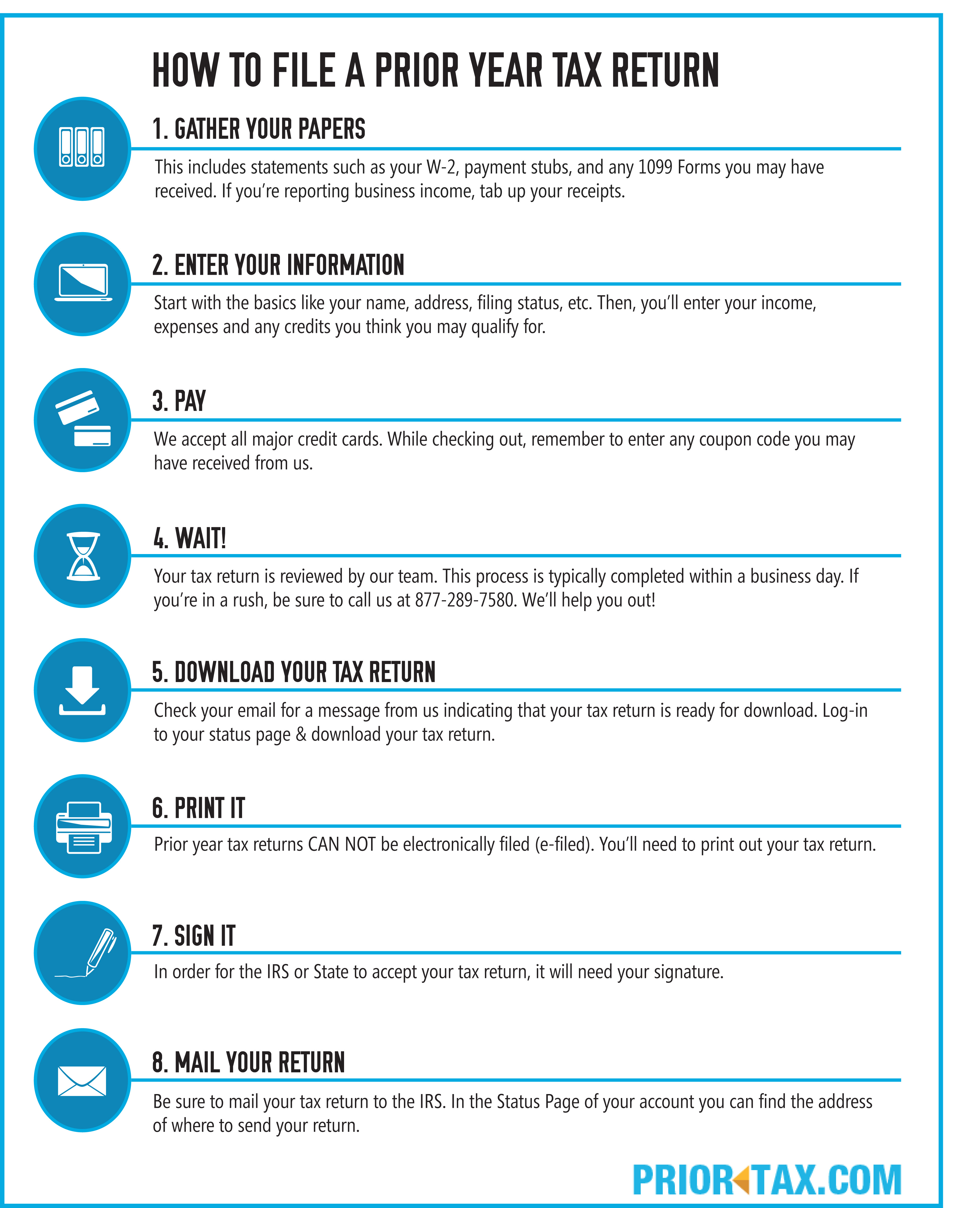
Most third parties (employers, banks, brokers, etc.) are legally required to send out tax forms like W-2s and 1099s by January 31st. This means that even if the IRS starts accepting returns on January 25th, you might not have all the necessary information to file your taxes until February. It’s generally advisable to wait until you have received all relevant documents before preparing and submitting your tax return. Filing without complete information often leads to errors, necessitating an amended return (Form 1040-X), which can be a time-consuming and frustrating process. If you haven’t received a expected document by mid-February, contact the issuing party (e.g., your employer or bank) to request it.
Benefits and Drawbacks of Filing Early
Filing your tax return early, once all your documents are in order, offers several advantages. The most significant benefit for many is a faster refund if you’re due one. Early filers typically see their refunds processed and delivered more quickly than those who file closer to the deadline. It also provides peace of mind, reduces stress, and allows more time to address any unexpected issues or gather additional information without the pressure of an impending deadline. Moreover, filing early can help protect against tax identity theft, as fraudsters often try to file fake returns using stolen Social Security numbers to claim fraudulent refunds. If your legitimate return is already filed, it can preempt such attempts.
However, there are also potential drawbacks. The main risk is filing before you’ve received all your forms. If you file and then later receive an additional W-2 or 1099, you’ll have to amend your return, which adds complexity and can delay any refund or even result in additional tax owed. For those with complex financial situations, such as significant investments or multiple freelance gigs, sometimes waiting a few weeks into February ensures all statements have arrived and any last-minute adjustments by financial institutions are complete.
Strategic Considerations for When to File
Deciding when to file your tax return isn’t just about meeting deadlines; it can also be a strategic financial decision depending on your personal circumstances.

If You Expect a Refund
If you are expecting a tax refund, filing as soon as you have all your necessary documents is generally the best strategy. The sooner you file, the sooner the IRS (or state tax authority) can process your return and issue your refund. Opting for direct deposit can significantly speed up the receipt of your money compared to waiting for a paper check. For many households, a tax refund can provide a much-needed financial boost, whether it’s for paying down debt, boosting savings, or making a planned purchase. Getting this money into your bank account sooner rather than later can have a positive impact on your immediate financial liquidity.
If You Expect to Owe Taxes
Conversely, if you anticipate owing taxes, filing early offers a different kind of advantage: time. By preparing your return in January or February, you’ll know your exact tax liability well in advance of the April deadline. This gives you several months to budget and save the necessary funds without incurring penalties or interest. While you file early, you are not obligated to pay your taxes until the April 15th deadline (or the extended deadline if you’ve filed for one for payment). This allows you to keep your money working for you for a few extra months, whether it’s earning interest in a savings account or remaining in an investment account. Knowing the exact amount you owe can prevent last-minute financial stress and help you plan your finances more effectively.
Impact of Life Changes
Major life events can significantly impact your tax situation, and understanding these changes is crucial regardless of when you file. Marriage or divorce changes your filing status. The birth or adoption of a child can open up new credits like the Child Tax Credit. Buying or selling a home affects deductions related to mortgage interest and property taxes. A new job, starting a business, or retirement all alter your income streams and potential deductions. While these changes don’t necessarily dictate when you can file, they underscore the importance of meticulous record-keeping throughout the year and ensuring all new relevant documents are accounted for. Rushing to file without fully understanding how a major life change impacts your tax liability could lead to errors or missed opportunities for deductions or credits.
Navigating the Filing Process: Tools and Resources
Once you’ve decided when to file, the next step is determining how to file. A variety of tools and resources are available to help taxpayers navigate the process efficiently and accurately.
Software and Online Platforms
For many taxpayers, tax preparation software and online platforms offer a convenient and cost-effective way to file. Popular options like TurboTax, H&R Block, and FreeTaxUSA guide users step-by-step through the process, helping them identify relevant deductions and credits. Many of these platforms also offer robust error-checking features and facilitate electronic filing (e-filing) directly with the IRS and state tax authorities, which often speeds up processing times. For eligible taxpayers, the IRS Free File program provides free access to tax software from leading providers, a valuable resource for those with lower to moderate incomes. Choosing a reputable platform with good customer support can make the filing process much smoother.
Professional Tax Preparers
For individuals with more complex financial situations—such as self-employment income, extensive investment portfolios, rental properties, or significant life changes—engaging a professional tax preparer can be a wise investment. Certified Public Accountants (CPAs), Enrolled Agents (EAs), and other qualified tax professionals possess in-depth knowledge of tax law, ensuring accuracy and optimizing deductions. They can offer personalized advice, help with tax planning for future years, and even represent you in the event of an audit. While professional services come with a fee, the peace of mind and potential tax savings can often outweigh the cost, especially for those who feel overwhelmed by the complexities of tax law.
Utilizing IRS Resources
The IRS website (IRS.gov) is an invaluable, free resource for all taxpayers. It provides a wealth of information, including forms and publications, answers to frequently asked questions, tax law updates, and various online tools. You can find detailed instructions for every form, understand tax credits you might be eligible for, and even track the status of your refund. The IRS offers free tax assistance programs like Volunteer Income Tax Assistance (VITA) and Tax Counseling for the Elderly (TCE) for qualifying individuals. Leveraging these official resources can help ensure you’re working with accurate and up-to-date information directly from the source.
Common Mistakes to Avoid, Regardless of Filing Time
Whether you file in January or April, certain pitfalls can derail your tax season. Being aware of these common mistakes can save you time, stress, and potential penalties.
Rushing Without Complete Information
This is arguably the most common and easily avoidable mistake. The temptation to get your taxes “out of the way” can lead some to file before receiving all their income statements or deduction forms. As discussed, filing an incomplete or inaccurate return will almost certainly necessitate an amended return (Form 1040-X), which is more complicated to file, takes longer to process, and could delay your refund or even lead to additional tax owed. Patience and thoroughness in gathering all documents are paramount.
Ignoring State Tax Obligations
Many taxpayers focus primarily on their federal tax return and may overlook their state tax obligations. Most states with an income tax require a separate return, and their deadlines often align with the federal deadline but can sometimes vary. Each state has its own set of rules, deductions, and credits. Failing to file a state tax return when required can result in penalties and interest from your state tax authority, just as with federal taxes. Always confirm your state’s specific filing requirements and deadlines.
Forgetting Estimated Tax Payments
For self-employed individuals, independent contractors, or those with significant income not subject to withholding (e.g., rental income, investment gains), estimated tax payments are a crucial part of tax compliance. These payments are typically made quarterly throughout the year to cover income tax and self-employment tax. Forgetting or underpaying estimated taxes can lead to penalties, even if you file your annual return on time. If you expect to owe more than a certain threshold (e.g., $1,000 for federal taxes), you should be making estimated payments.
Neglecting Record Keeping
Good record-keeping is the backbone of accurate tax filing. Throughout the year, maintain an organized system for all financial documents, including income statements, receipts for deductible expenses, bank and credit card statements, and any correspondence from the IRS or financial institutions. Digital record-keeping (scanning documents, using financial tracking apps) can be highly effective. Having these records readily accessible not only simplifies tax preparation but also provides crucial support in case of an audit. A year-round approach to financial organization significantly reduces the scramble and stress come tax season.
Conclusion
The question “When can I file my tax return?” doesn’t have a single, universal answer. While the IRS dictates the earliest and latest dates, the optimal time for you depends on your individual financial situation, the timely arrival of your tax documents, and whether you are anticipating a refund or a tax liability. Proactive preparation, meticulous record-keeping, and a clear understanding of the official tax calendar are your best allies.
Whether you choose to file early to receive a quick refund or gain more time to plan for a tax payment, or closer to the deadline due to complex circumstances, the key is to be informed and thorough. Utilizing available resources, from tax software to professional preparers, can streamline the process and minimize errors. By taking a strategic and organized approach, you can navigate tax season with confidence, ensuring compliance and optimizing your financial outcomes.
aViewFromTheCave is a participant in the Amazon Services LLC Associates Program, an affiliate advertising program designed to provide a means for sites to earn advertising fees by advertising and linking to Amazon.com. Amazon, the Amazon logo, AmazonSupply, and the AmazonSupply logo are trademarks of Amazon.com, Inc. or its affiliates. As an Amazon Associate we earn affiliate commissions from qualifying purchases.