
Every year, as the calendar inches towards spring, a topic resurfaces that can evoke a spectrum of emotions from anxiety to relief: federal tax returns. For many, it’s a daunting annual chore, an intricate dance with numbers, forms, and deadlines orchestrated by the Internal Revenue Service (IRS). Yet, understanding “what are federal tax returns” is not merely about compliance; it’s a fundamental aspect of personal and business financial literacy, a cornerstone of financial planning, and a crucial component of our economic system.
At its core, a federal tax return is an official document submitted to the U.S. government (specifically the IRS) that reports your income, profits, and losses, as well as various deductions and credits, to calculate your federal tax liability for a given tax year. It’s the mechanism through which individuals and businesses fulfill their legal obligation to contribute to the funding of public services and government operations. But beyond this simplistic definition lies a complex ecosystem of rules, opportunities, and implications that touch almost every facet of financial life.
The Foundational Role of Federal Tax Returns in Personal and Business Finance
Federal tax returns are far more than just forms; they are a critical annual snapshot of your financial health and a gateway to understanding your economic responsibilities and opportunities.
Defining the Federal Tax Return: More Than Just a Form
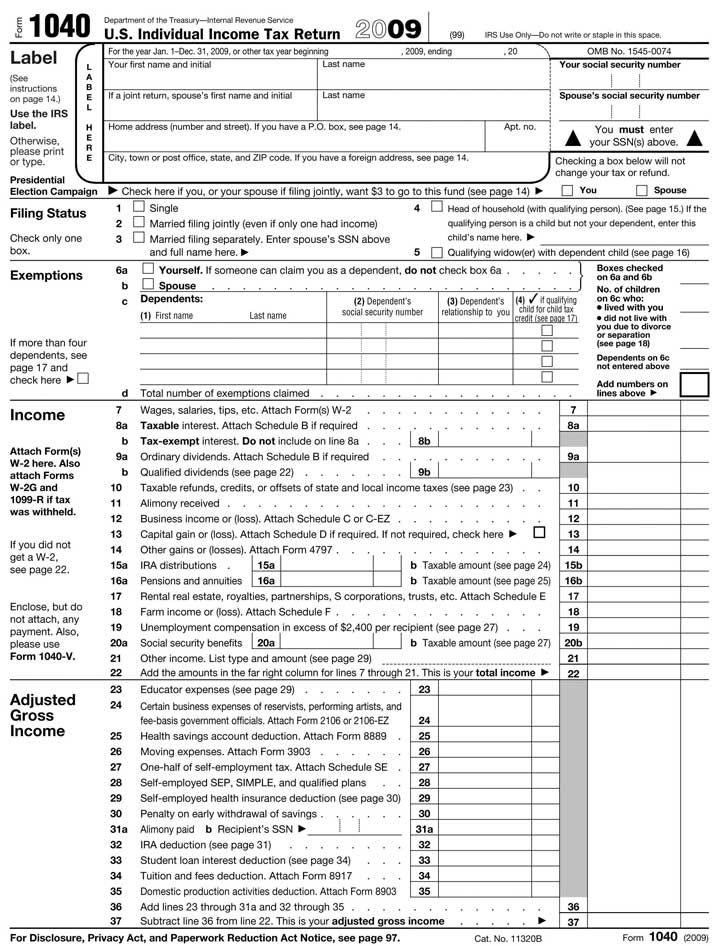
A federal tax return is a comprehensive report detailing an individual’s or entity’s financial activity over a tax year (typically January 1 to December 31). This report is used by the IRS to determine if you owe additional taxes, are due a refund, or if your payments throughout the year (e.g., through paycheck withholdings or estimated tax payments) accurately covered your liability. The most common form for individuals is Form 1040, while businesses might use forms like Form 1120 (for corporations) or Form 1065 (for partnerships). Each form, along with its various schedules, serves to categorize and quantify different types of income, expenses, and other financial transactions.
Why Filing is Non-Negotiable: The Cornerstone of Compliance
Filing federal tax returns is a legal obligation for most income-earning individuals and entities in the United States. Failure to file, or filing inaccurately, can lead to severe penalties, including fines, interest charges on underpayments, and even criminal prosecution in extreme cases. Beyond legal compliance, filing accurately ensures you pay your fair share – no more, no less. It prevents the accumulation of tax debt and protects your financial standing. For businesses, consistent and accurate filing is essential for maintaining good standing with federal authorities, which can impact everything from securing loans to attracting investors.
Who Needs to File? Understanding Filing Requirements
While most people associate tax returns with receiving a W-2 from an employer, the requirement to file extends much further. Generally, if your gross income exceeds a certain threshold (which varies based on your filing status, age, and dependency status), you are required to file. This includes income from wages, self-employment, investments, rental properties, and more. Even if your income is below the filing threshold, you might still want to file – for instance, to claim a refundable tax credit (like the Earned Income Tax Credit) that could result in a refund even if you had no tax liability. Businesses, regardless of profitability, typically have annual filing requirements based on their legal structure.
Deconstructing the Components of a Federal Tax Return
Navigating a federal tax return can feel like deciphering an ancient scroll, but understanding its fundamental components simplifies the process immensely.
Key Forms and Schedules: Navigating the IRS Labyrinth
The IRS produces hundreds of forms and schedules, each designed to capture specific financial details. While the sheer volume can be intimidating, most filers only interact with a handful.
- Form 1040: The Standard Bearer: This is the primary federal income tax form for individuals. It’s where you report your total income, calculate your adjusted gross income (AGI), determine your deductions and credits, and ultimately figure out your tax liability or refund. Over the years, Form 1040 has been streamlined, often leading filers to attach various “schedules” to provide more detail.
- Schedules: Detailing Income, Deductions, and Credits: These supplementary forms provide specifics that feed into the main Form 1040. For example:
- Schedule 1: Reports additional income (like unemployment or gambling winnings) and adjustments to income (like student loan interest).
- Schedule A: Used to itemize deductions (e.g., medical expenses, state and local taxes, mortgage interest) instead of taking the standard deduction.
- Schedule B: Reports interest and ordinary dividend income.
- Schedule C: Reports profit or loss from a business (sole proprietorship).
- Schedule D: Reports capital gains and losses from investments.
- Schedule E: Reports supplemental income and loss (e.g., from rental real estate, royalties, partnerships).
Income: What the IRS Cares About
The IRS is concerned with all forms of income, whether earned through employment, self-employment, or investments. Accurate reporting of these sources is paramount.
- Wages, Salaries, and Tips (W-2): This is typically the most straightforward income to report, as your employer provides you with a W-2 form detailing your earnings and taxes withheld.
- Independent Contractor Income (1099-NEC): For freelancers, gig workers, and self-employed individuals, income from clients is often reported on Form 1099-NEC (Nonemployee Compensation). This income is subject to self-employment taxes (Social Security and Medicare).
- Investment Income (1099-DIV, 1099-INT, 1099-B): Dividends from stocks (1099-DIV), interest from savings accounts or bonds (1099-INT), and proceeds from the sale of stocks or other assets (1099-B) must all be reported.
- Other Income Streams: This category is vast and includes rental income, royalties, alimony, gambling winnings, unemployment benefits, and certain retirement distributions, among others. Each has specific reporting requirements.
Deductions and Credits: Optimizing Your Tax Position
Understanding deductions and credits is key to minimizing your tax burden and maximizing your financial well-being. They are distinct in their impact.
- Deductions: These reduce your taxable income. The higher your deductions, the lower the amount of income the IRS can tax. You can choose between taking a standard deduction (a fixed amount based on your filing status) or itemizing deductions (listing out specific eligible expenses like mortgage interest, state and local taxes, or charitable contributions). You’d choose the method that results in a lower taxable income.
- Tax Credits: These directly reduce your tax liability on a dollar-for-dollar basis. A $1,000 credit reduces your tax bill by $1,000. Credits are generally more valuable than deductions. Examples include the Child Tax Credit, Earned Income Tax Credit, education credits, and credits for energy-efficient home improvements. Some credits are “refundable,” meaning they can result in a refund even if you owe no tax, while others are “non-refundable,” only reducing your tax liability to zero.
The Filing Process: From Information Gathering to Submission
The journey of filing a federal tax return typically follows a predictable path, from meticulous record-keeping to the final act of submission.
Gathering Your Financial Documents: The Annual Scavenger Hunt
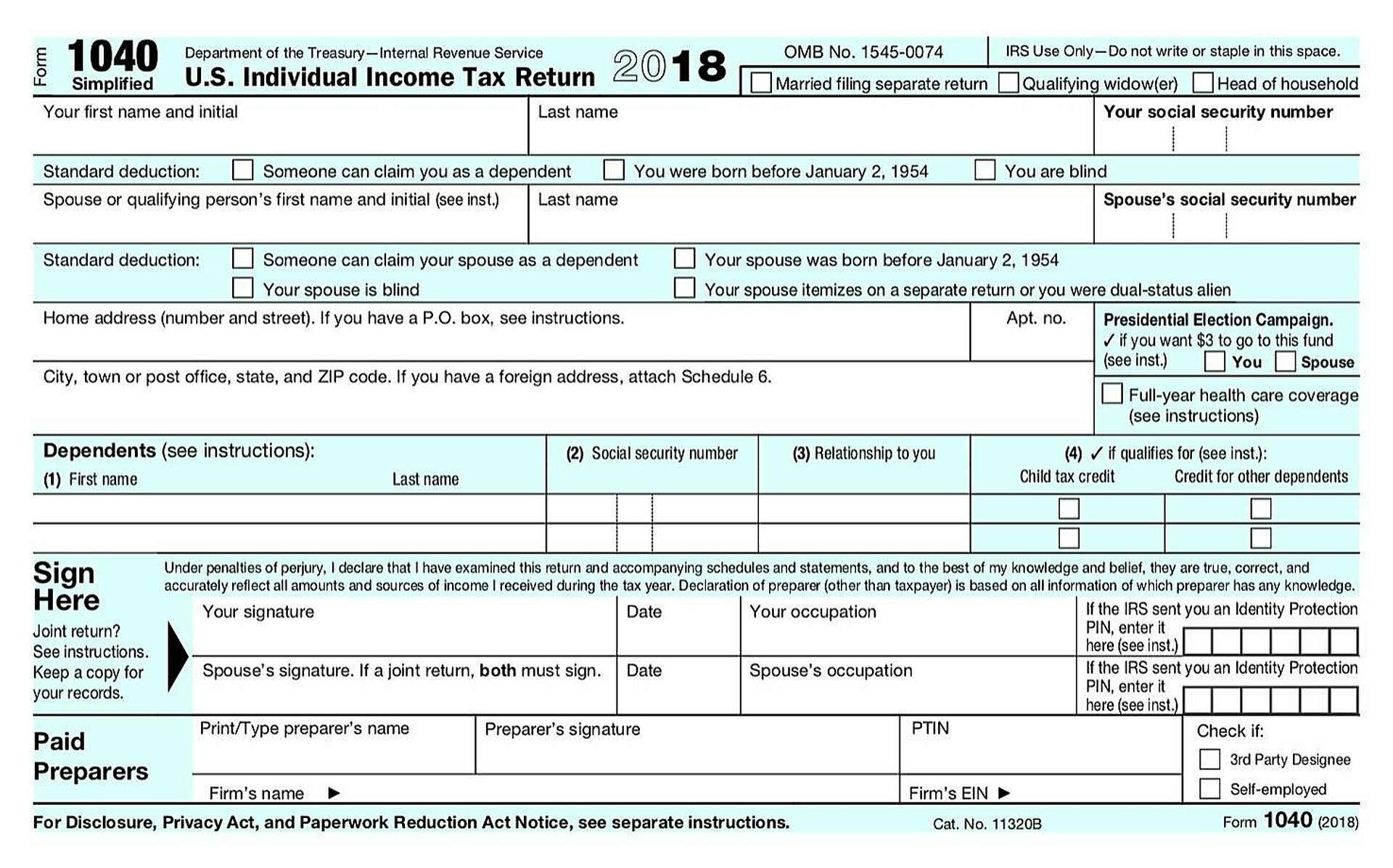
The first and often most time-consuming step is compiling all necessary documents. This includes W-2s, 1099 forms (1099-NEC, 1099-INT, 1099-DIV, 1099-B, etc.), K-1s (for partnerships and S corporations), receipts for itemized deductions, records of estimated tax payments, and any other relevant financial statements. Organizing these documents throughout the year can significantly streamline the tax preparation process.
Choosing Your Filing Method: DIY vs. Professional Help
Filers have several options for preparing and submitting their returns.
- Tax Software: User-Friendly and Efficient: Programs like TurboTax, H&R Block Tax Software, and TaxAct guide users step-by-step, helping them input data, identify deductions and credits, and electronically file their returns. Many offer free versions for simple returns and paid versions for more complex situations. This option is popular for those with straightforward finances and a comfort level with technology.
- Tax Professionals: Expertise for Complex Situations: For individuals with complex financial lives (e.g., multiple businesses, significant investments, international income) or those who simply prefer expert assistance, hiring a Certified Public Accountant (CPA) or an Enrolled Agent (EA) is often the best choice. These professionals can provide personalized advice, identify often-missed deductions, and represent you in the event of an audit.
Understanding Deadlines and Extensions: Staying on Track
The primary deadline for filing federal income tax returns for individuals is typically April 15th (or the next business day if April 15th falls on a weekend or holiday). However, if you cannot meet this deadline, you can request an extension (using Form 4868), which usually grants you an additional six months to file (until mid-October). It’s crucial to remember that an extension to file is not an extension to pay. Any taxes owed are still due by the original April 15th deadline, and interest and penalties may accrue on unpaid balances. Businesses have different filing deadlines depending on their entity type.
Implications of Federal Tax Returns Beyond Just Taxes
While primarily about calculating tax liability, the annual tax return process has far-reaching implications for an individual’s or business’s financial life.
Financial Planning and Goal Setting: A Reflective Opportunity
Preparing a tax return forces a comprehensive review of your financial activity over the past year. This retrospective can be an invaluable tool for financial planning. It highlights spending patterns, income sources, and investment performance, offering insights that can inform future budgeting decisions, retirement planning, and investment strategies. It’s an opportunity to assess if your financial choices align with your long-term goals.
Accessing Financial Aid and Loans: The Role of Verified Income
For students applying for federal financial aid (FAFSA) or individuals seeking mortgages, business loans, or other forms of credit, federal tax returns serve as crucial verification of income and financial stability. Lenders and educational institutions often require copies of past tax returns to assess an applicant’s ability to repay debts or their financial need. Accurate and timely filing is therefore essential for accessing many financial opportunities.
Avoiding Penalties and Audits: The Importance of Accuracy
Filing an accurate tax return is not just about paying your dues; it’s about protecting yourself from financial penalties and the stress of an IRS audit. Inaccuracies, whether intentional or accidental, can lead to costly fines, interest charges, and the dreaded audit notice. Meticulous record-keeping, careful review, and seeking professional help when needed are the best defenses against these potential pitfalls.
The Broader Economic Impact: Funding Public Services
On a macro level, the aggregated funds collected through federal tax returns are the lifeblood of the nation. They finance a vast array of public services, from national defense and infrastructure projects to social security, Medicare, education, and scientific research. Understanding federal tax returns thus connects individual financial responsibilities to the collective well-being and operation of the country.
Common Misconceptions and Proactive Tax Management
Demystifying common myths and adopting a proactive approach to tax management can transform the annual tax chore into an empowering financial habit.
“I Don’t Owe, So I Don’t Need to File”: A Costly Assumption
One of the most dangerous misconceptions is that if you believe you won’t owe any taxes, you don’t need to file. As discussed, you might be due a refund from withholdings or eligible for refundable tax credits that you’ll miss out on if you don’t file. Furthermore, if you are legally required to file based on your income, not filing can incur penalties, regardless of whether you owe money or not.
Year-Round Tax Planning: Beyond Just April 15th
Effective tax management is not a once-a-year event; it’s an ongoing process. Throughout the year, decisions about investments, charitable giving, business expenses, and even life events like marriage or having children can have significant tax implications. Proactive tax planning involves:
- Adjusting withholdings: Ensuring your W-4 accurately reflects your tax situation to avoid over- or under-withholding.
- Maximizing deductions and credits: Keeping meticulous records of eligible expenses and understanding new tax law changes.
- Retirement contributions: Contributing to tax-advantaged accounts like 401(k)s and IRAs can reduce your taxable income.
- Tax-loss harvesting: Strategically selling investments at a loss to offset capital gains.
Leveraging Technology for Tax Preparation and Record Keeping
Modern financial tools and software have revolutionized tax preparation. Cloud-based accounting software for businesses, personal finance apps for individuals, and dedicated tax preparation software can automate record-keeping, categorize expenses, and even directly import financial data, making the annual filing process significantly smoother and less prone to error.

Conclusion: Empowering Yourself with Tax Literacy
Federal tax returns, while often perceived as a burden, are an indispensable element of personal and business finance. They are the annual reconciliation of your financial life with your obligations to the government, a process that, when understood and managed effectively, offers opportunities for financial reflection, optimization, and growth. By demystifying the forms, understanding the components of income, deductions, and credits, and approaching the filing process with diligence and proactive planning, individuals and businesses can transform the “tax season” from a source of dread into an empowering annual exercise in financial literacy and responsibility. Embracing this understanding is not just about compliance; it’s about taking control of your financial destiny and contributing to the economic fabric of the nation.
aViewFromTheCave is a participant in the Amazon Services LLC Associates Program, an affiliate advertising program designed to provide a means for sites to earn advertising fees by advertising and linking to Amazon.com. Amazon, the Amazon logo, AmazonSupply, and the AmazonSupply logo are trademarks of Amazon.com, Inc. or its affiliates. As an Amazon Associate we earn affiliate commissions from qualifying purchases.