
The annual ritual of filing your income tax return can often feel daunting, a complex maze of forms, numbers, and regulations. Yet, it is a fundamental pillar of personal financial responsibility and a crucial aspect of contributing to the nation’s infrastructure and public services. For many, understanding how to file an IRS tax return is the first step towards achieving financial peace of mind, avoiding penalties, and potentially securing a much-needed refund. This guide aims to demystify the process, offering a clear, professional, and insightful roadmap for navigating the tax season with confidence. By breaking down the essential steps, choices, and considerations, we empower you to approach your tax obligations not as a burden, but as an integral part of sound financial management.
Understanding Your Tax Filing Obligations
Before diving into the specifics of preparing your return, it’s vital to establish a foundational understanding of why and when you need to file, as well as what materials you’ll require. This initial clarity sets the stage for a smooth and accurate filing experience.
Who Needs to File? Determining Your Filing Requirement
Not everyone is required to file a federal income tax return. The obligation typically depends on your gross income, filing status, age, and whether you are claimed as a dependent. For instance, if your income falls below a certain threshold (the standard deduction for your filing status), you might not need to file. However, even if not required, filing might still be beneficial if you qualify for refundable tax credits (like the Earned Income Tax Credit) or if federal income tax was withheld from your pay. Conversely, if you are self-employed with net earnings of $400 or more, you generally must file to report self-employment tax. It’s imperative to consult IRS Publication 17, “Your Federal Income Tax,” or use the “Do I Need to File a Tax Return?” tool on IRS.gov to confirm your specific requirements each tax year, as thresholds can change. Understanding this fundamental step prevents unnecessary filings or, more importantly, avoids non-compliance.
Key Filing Deadlines to Remember
Tax deadlines are non-negotiable and missing them can result in penalties and interest. The primary federal income tax filing deadline for most individuals is typically April 15th of the following year. If April 15th falls on a weekend or holiday, the deadline shifts to the next business day. Certain circumstances, such as being a victim of a natural disaster or serving in a combat zone, may grant automatic extensions. If you cannot file by the deadline, you can request an extension using Form 4868, which typically grants an additional six months to file. However, an extension to file is not an extension to pay. If you owe taxes, you must estimate and pay them by the original deadline to avoid interest and penalties. State income tax deadlines can vary, so be sure to check your state’s specific requirements. Diligent calendar management and early preparation are your best defense against missed deadlines.
Gathering Essential Documents
The backbone of an accurate tax return is a complete set of financial documents. Before you even begin filling out forms or entering data into software, dedicate time to collect everything pertinent. This includes W-2 forms from employers, 1099 forms (1099-NEC for independent contractors, 1099-INT for interest income, 1099-DIV for dividends, 1099-R for retirement distributions, 1099-G for unemployment benefits, etc.), K-1 forms for partnership or S-Corp income, and statements for itemized deductions (mortgage interest statements Form 1098, property tax records, medical expense receipts, charitable contribution records). For those with educational expenses, Form 1098-T is critical. If you have health insurance through the marketplace, Form 1095-A is necessary. Organize these documents systematically – whether physically in a folder or digitally on your computer – to streamline the data entry process and ensure no piece of income or deduction is overlooked. A well-organized financial record-keeping system throughout the year significantly simplifies tax season.
Choosing Your Filing Method
Once you’ve determined your obligation and gathered your documents, the next critical decision is how you will prepare and submit your return. Today, taxpayers have several viable options, each with its own advantages, catering to different levels of complexity and comfort with financial tools.
Traditional Paper Filing: The Manual Approach
For decades, paper filing was the only method available, and it remains an option for those who prefer a tangible record or who have very simple returns. This involves downloading the necessary forms from IRS.gov, filling them out by hand or typing them, and mailing them to the appropriate IRS service center. While it offers a sense of control and direct engagement with the forms, paper filing is generally slower for processing refunds and carries a higher risk of manual errors. The IRS encourages e-filing for accuracy and efficiency. If you opt for paper filing, ensure you use the correct tax forms for the relevant tax year, double-check all calculations, and make copies for your records before mailing. Always use certified mail with a return receipt for proof of mailing, especially near deadlines.
E-Filing Through Tax Software: Convenience and Accuracy
Electronic filing, or e-filing, has become the dominant method for submitting tax returns due to its convenience, speed, and accuracy. Most commercial tax preparation software, such as TurboTax, H&R Block Tax Software, and TaxAct, guide you through the process with a question-and-answer format, automatically calculating taxes, identifying deductions, and checking for common errors. Many of these programs offer tiered services, from free options for simple returns to paid versions for more complex financial situations, often including state tax filing. The IRS also provides the “Free File” program, a partnership with tax software companies, allowing eligible taxpayers to prepare and e-file their federal tax returns for free if their income is below a certain threshold. E-filing typically results in faster processing of refunds and provides immediate confirmation of your submission. This method leverages financial tools to simplify complex tax calculations and reduce human error, making it a powerful ally in personal finance.
Professional Tax Preparers: When to Seek Expert Help
For individuals with highly complex tax situations – such as significant investments, business income and expenses, foreign income, or intricate family structures – or those who simply lack the time or confidence to prepare their own return, hiring a professional tax preparer can be invaluable. Enrolled Agents (EAs), Certified Public Accountants (CPAs), and tax attorneys are qualified to prepare and represent clients before the IRS. A good tax professional can offer personalized advice, identify often-overlooked deductions and credits, and help navigate complex tax laws. They can also represent you in the event of an audit. When choosing a preparer, look for credentials, experience, and a clear fee structure. Verify their Preparer Tax Identification Number (PTIN) and ensure they are reputable. While this option incurs a cost, the peace of mind, potential tax savings, and assurance of compliance can make it a worthwhile financial investment.
Navigating the Tax Return Process Step-by-Step
Regardless of the method chosen, the core process of preparing your tax return follows a logical sequence. Understanding these steps helps demystify the journey from raw financial data to a fully compliant submission.
Selecting the Correct Forms (e.g., Form 1040)
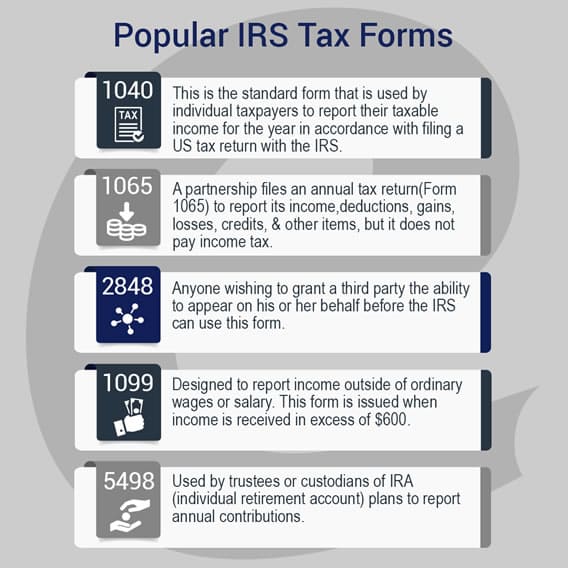
The foundational form for most individual taxpayers is Form 1040, U.S. Individual Income Tax Return. This form has evolved over the years, becoming more streamlined, but it remains the central document where you report income, claim deductions and credits, and calculate your tax liability. Depending on your specific financial situation, you may need to attach additional schedules to Form 1040. For example, Schedule A is used for itemized deductions, Schedule B for interest and ordinary dividends, Schedule C for profit or loss from a business (sole proprietorship), Schedule D for capital gains and losses, and Schedule E for supplemental income and loss (e.g., from rental real estate). Tax software typically selects and completes these forms for you automatically based on your inputs, but if filing manually, careful attention to which forms are required is paramount. Incorrect or missing forms can lead to delays or audit flags.
Reporting Income: Wages, Investments, and Other Earnings
The first major section of your tax return involves reporting all sources of income. This includes wages from employment (from your W-2), self-employment income (from 1099-NEC and your own records), interest and dividends (1099-INT, 1099-DIV), capital gains and losses from investments (Form 8949, Schedule D), retirement distributions (1099-R), unemployment compensation (1099-G), and any other taxable income such as gambling winnings or alimony received (for divorces finalized before 2019). It’s crucial to report all taxable income accurately and completely. The IRS receives copies of most of these income forms from third parties, so discrepancies between what you report and what they have can trigger inquiries. Full transparency here is key to avoiding future issues and maintaining financial compliance.
Claiming Deductions and Credits: Maximizing Your Savings
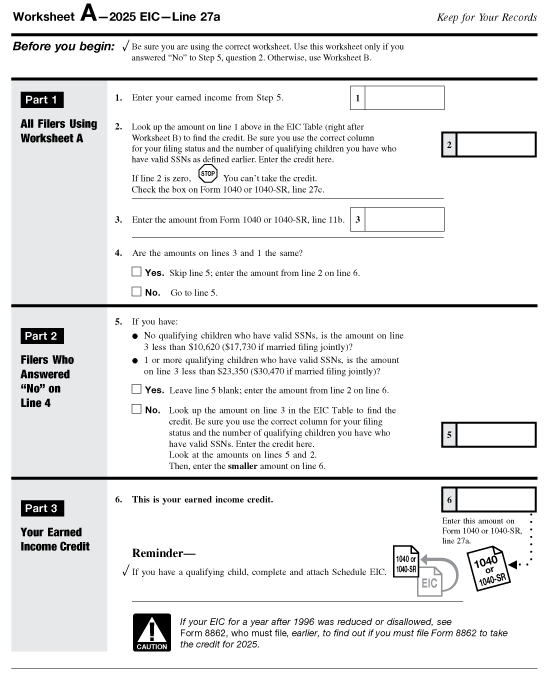
This is where strategic tax planning can significantly impact your financial outcome. Deductions reduce your taxable income, meaning less of your earnings are subject to tax. Common deductions include the standard deduction (a fixed amount based on filing status, chosen if greater than itemized deductions) or itemized deductions (Schedule A, including medical expenses, state and local taxes, mortgage interest, and charitable contributions). Credits, on the other hand, directly reduce the amount of tax you owe, dollar for dollar. This makes credits generally more valuable than deductions. Examples include the Child Tax Credit, Earned Income Tax Credit, Education Credits (American Opportunity Tax Credit, Lifetime Learning Credit), and credits for dependent care expenses. Eligibility for deductions and credits often depends on specific criteria and income limits. Thoroughly exploring and claiming all eligible deductions and credits is a core aspect of smart personal finance and minimizing your tax burden legally.
Calculating Your Tax Liability (or Refund)
After reporting income and applying deductions and credits, the final steps involve calculating your total tax liability and determining if you owe more tax or are due a refund. Your taxable income is subjected to the progressive federal income tax rates. Once the total tax is calculated, you subtract any payments you’ve already made throughout the year, primarily through wage withholding (as shown on your W-2) or estimated tax payments (for self-employed individuals). If your payments exceed your calculated tax liability, you’re due a refund. If your payments are less, you owe additional tax to the IRS. Tax software performs these complex calculations automatically, drastically reducing the chance of error compared to manual calculation. This final calculation is the culmination of your entire tax journey and directly impacts your immediate financial position.
Common Mistakes to Avoid and What to Do If You Can’t Pay
Even with careful preparation, mistakes can happen. Understanding common pitfalls and knowing how to address them, or what to do if you face financial hardship, is crucial for maintaining compliance and managing your financial health effectively.
Preventing Errors: Double-Checking Your Work
The most frequent errors on tax returns include incorrect Social Security numbers, misspelled names, mathematical errors, using the wrong filing status, or failing to sign and date the return. These seemingly minor mistakes can delay your refund or lead to correspondence with the IRS. To prevent them, always double-check all personal information against official documents. If using software, review the summary pages carefully. For paper returns, use a calculator and verify all sums and subtractions. If a professional prepares your return, review it thoroughly before signing. Another common error is forgetting to report all income sources; ensure every 1099 and W-2 is accounted for. A meticulous review process is your strongest defense against avoidable errors that can complicate your financial life.
Options for Unpaid Taxes: Payment Plans and Offers in Compromise
If, after filing, you discover you owe the IRS money that you cannot pay by the deadline, do not panic or ignore the obligation. The IRS offers several payment options. The most common is an installment agreement, allowing you to make monthly payments for up to 72 months. You may also qualify for a short-term payment plan (up to 180 days). For taxpayers facing significant financial hardship, an Offer in Compromise (OIC) allows certain taxpayers to resolve their tax liability with the IRS for a lower amount than what they originally owe. An OIC is typically approved when there is doubt as to collectability, meaning the IRS believes you cannot pay the full amount due to your financial situation. It’s also possible to request to be placed in “currently not collectible” status. The key is to communicate proactively with the IRS and explore these options rather than letting the debt accumulate penalties and interest. Engaging with these financial tools can prevent a tax debt from spiraling out of control.
Amending a Previously Filed Return
If you discover an error on a previously filed tax return, whether it’s an omitted income source, a forgotten deduction, or an incorrect credit, you can file an amended return using Form 1040-X, Amended U.S. Individual Income Tax Return. Generally, you have three years from the date you filed your original return, or two years from the date you paid the tax, whichever is later, to file an amended return to claim a refund. If the amendment results in additional tax owed, you should file and pay as soon as possible to minimize penalties and interest. Tax software often assists with preparing amended returns, but the process is more manual than an initial filing. Keep meticulous records of both your original and amended returns. Correcting errors promptly not only ensures compliance but can also lead to a larger refund or prevent future audit issues, reinforcing good personal finance practices.
Leveraging Financial Tools for Tax Preparation
In the modern financial landscape, an array of digital tools and resources has revolutionized tax preparation, making it more accessible, accurate, and efficient than ever before. Embracing these financial tools is a smart move for any taxpayer.
Overview of Popular Tax Software
For most individuals, commercial tax software like TurboTax, H&R Block Tax Software, and TaxAct are the go-to solutions. They offer user-friendly interfaces, step-by-step guidance, and robust error-checking capabilities. TurboTax is often praised for its intuitive design and comprehensive features, while H&R Block provides strong support with options for professional assistance. TaxAct is frequently seen as a cost-effective alternative. FreeTaxUSA is another highly-rated option, offering free federal filing for most situations with a small fee for state returns. These platforms integrate directly with the e-filing system, streamlining the submission process and ensuring compliance with the latest tax laws. Many also offer tools for importing financial data, further simplifying the input process and reducing manual errors. Choosing the right software often comes down to the complexity of your return and your budget.
Benefits of Digital Record-Keeping
Moving beyond just tax software, the broader concept of digital record-keeping offers profound benefits for tax preparation and overall personal finance. Tools like Evernote, Google Drive, Dropbox, or dedicated financial apps allow you to digitally store receipts, statements, and tax documents throughout the year. Taking photos of receipts, scanning important mail, and downloading digital statements as they become available ensures that when tax season arrives, all your information is neatly organized and easily accessible. This eliminates the frantic search for physical documents, reduces clutter, and ensures you have a comprehensive financial paper trail should you ever need it, for example, during an audit. This proactive approach to managing your financial documents saves time, reduces stress, and promotes accuracy during tax preparation.

Utilizing IRS Resources (e.g., IRS.gov, Free File program)
Beyond commercial software, the IRS itself offers invaluable resources. IRS.gov is a treasure trove of information, providing forms, publications (like Publication 17 mentioned earlier), answers to frequently asked questions, and interactive tools. The “Where’s My Refund?” tool is a popular feature. Crucially, the IRS Free File program is a partnership with tax software providers that allows eligible taxpayers to prepare and e-file their federal tax returns for free using guided tax preparation software. The income limit for Free File changes annually, but it’s a fantastic option for many low-to-moderate-income taxpayers. The IRS also operates Taxpayer Assistance Centers (TACs) for in-person help and offers the Volunteer Income Tax Assistance (VITA) and Tax Counseling for the Elderly (TCE) programs, providing free tax preparation for qualifying individuals. Leveraging these official resources ensures you receive accurate, reliable information and support directly from the source.
Filing your IRS tax return doesn’t have to be an annual ordeal filled with anxiety. By understanding your obligations, choosing the right filing method, meticulously navigating each step of the process, avoiding common pitfalls, and embracing the wealth of financial tools available, you can transform tax season into a manageable and even empowering financial exercise. Proactive preparation, accurate reporting, and a clear understanding of the rules are the cornerstones of effective personal financial compliance. With this comprehensive guide, you are better equipped to face your tax responsibilities head-on, ensuring peace of mind and contributing to your overall financial well-being.
aViewFromTheCave is a participant in the Amazon Services LLC Associates Program, an affiliate advertising program designed to provide a means for sites to earn advertising fees by advertising and linking to Amazon.com. Amazon, the Amazon logo, AmazonSupply, and the AmazonSupply logo are trademarks of Amazon.com, Inc. or its affiliates. As an Amazon Associate we earn affiliate commissions from qualifying purchases.